


The skull is 9 to 10 out of 10 everywhere. There is no comfortable zone. There is no "easier side." Thin scalp skin sits directly over bone with almost no soft tissue between them, and the needle runs on top of a structure that resonates like a speaker cabinet. Pain is the obvious part. What most people are not prepared for is the rest: the sound, the vibration transmitted through your jaw and sinuses, the headache that builds over hours, and the mental endurance required to hold still while all of it happens at once.
A head tattoo is not just a high-pain placement. It is a different category of experience from any other placement on the body. This guide covers all of it - the anatomy, the zones, the sensory experience, how to prepare, and what healing actually looks like.
In this article
- Why the head hurts so much
- Zone-by-zone breakdown
- What no one tells you: the sensory experience
- How to manage head tattoo pain
- Healing a head tattoo
- Frequently asked questions
Why the Head Hurts So Much
Most high-pain placements hurt because of one or two compounding factors. The skull combines every factor at once. The scalp is thin - typically 3 to 8 mm from skin surface to bone depending on the zone - with minimal fat and no meaningful muscle mass over the dome of the skull. Below that thin skin sits one of the hardest, densest bones in the body.
The nerve supply is extensive. The scalp is served by branches of both the trigeminal nerve (covering the front and sides) and the cervical nerves (covering the back), with multiple named branches - the supraorbital, supratrochlear, zygomaticotemporal, auriculotemporal, lesser occipital, and greater occipital nerves - fanning out across the surface. The coverage is dense and there is no zone on the head where you are working away from these branches the way you can on, say, the outer thigh.
The third factor is what makes the head unlike any other placement: the skull acts as a resonator. A tattoo machine running over bone anywhere on the body produces vibration, but over the skull that vibration travels through a rigid bony structure that conducts it directly into the jaw, the sinuses, and the inner ear. The machine is not just felt - it is heard, from inside.
Zone-by-Zone Breakdown
Top of the skull (crown) is consistently rated as the hardest zone - a genuine 10 out of 10 for most people. The skin is thinnest here relative to the bone beneath, the surface is completely flat so the needle has no soft tissue to work through, and the bone vibration is most pronounced at the highest point of the dome. Tyson Arndt, owner of BIGTIME Walk-In Tattoo in Portland, has experienced this firsthand:

Tattoo by Filip Leu (2010, Switzerland) on Tyson Arndt (@tysonarndt), owner of BIGTIME Walk-In Tattoo in Portland, OR (@bigtimetattoopdx).
"The top of the head for me was the absolute worst! I don't even know how I got through it. Just brutal!" - Tyson Arndt
Sides of the head (temporal zone) rate 9 to 10 out of 10. The temporal bone is thinner than the parietal bone at the crown, and the temporalis muscle - while present - is thin and provides minimal cushioning. The auriculotemporal nerve branch runs through this area, and the temples are acutely sensitive. Work near the hairline on the sides is among the most reactive zones on the entire head.
Back of the skull (occiput) comes in at 9 out of 10. The greater and lesser occipital nerves supply this area, and the skin sits over the occipital bone with little in between. Many people find the back of the skull fractionally more manageable than the crown - partly anatomical, partly because the occipital position feels less directly connected to the sound transmission path through the jaw.
Base of the skull / nape transitions toward 8 to 9 out of 10 and starts to feel more like an upper neck tattoo as the design drops toward the hairline. The suboccipital muscles provide slightly more coverage here than at the dome. Still extremely high pain, but the sensory overload component is somewhat less intense than on the crown.
What No One Tells You: The Sensory Experience
The pain rating alone does not capture what a head tattoo actually feels like. The skull is the one placement on the body where the vibration of the machine does not stay local - it propagates through bone directly into the jaw, the teeth, the sinuses, and the inner ear. The machine is not just running on your head. It is running inside your head.
With a tattoo on your arm, the buzz of the machine is somewhere in the room with you. With a head tattoo, you cannot locate the sound outside yourself because it is not outside. It resonates through your skull for the entire session - an hour, three hours, however long it takes - and you cannot tune it out. You cannot put on headphones and listen to a podcast. The vibration passes through bone directly and the audio from headphones competes with something that is already inside your head.
This is what separates the head from every other high-pain placement: you cannot distract yourself. With ribs or the sternum, the pain is intense but you can go somewhere else mentally. With the head, every pass of the needle demands your full attention because the sensory input is total. Headaches during the session are common. Headaches that persist into the next day are typical for longer sessions.
The swelling aftermath is also distinct. The scalp is highly vascular, and fluid accumulates and migrates down with gravity after a session. Waking up the day after a substantial head tattoo session with a swollen forehead and puffy, nearly-closed eyes is genuinely common - some people describe it as waking up "like a Klingon." This is temporary, but it is alarming if you are not expecting it.
How to Manage Head Tattoo Pain
Topical numbing works on the scalp and is worth using. The scalp has good blood supply and thin skin, which means lidocaine absorbs well and reaches effective depth within the 90-minute window. Shave or clip the area closely before applying - cream on hair does not reach the skin. Apply to the clean, dry scalp, cover with a shower cap or cling film, and wait 90 minutes before your session.
What numbing will and will not do: it will take the sharp surface pain of the needle down by a meaningful amount - enough to make the difference between barely manageable and genuinely manageable on what is otherwise a 10/10 placement. What it cannot touch is the vibration and sound transmission through the bone. That part of the head tattoo experience is structural, not nerve-pain, and lidocaine does not block it. You are managing the pain component; the sensory overload component requires mental preparation separately.
Breathing, focus, and short-session structure are the non-chemical tools that matter most here. Many experienced artists recommend breaking head work into shorter sessions rather than grinding through four-to-six hours in one sitting - not because the skin cannot take it, but because the mental load of the sensory experience accumulates in a way that most other placements do not.

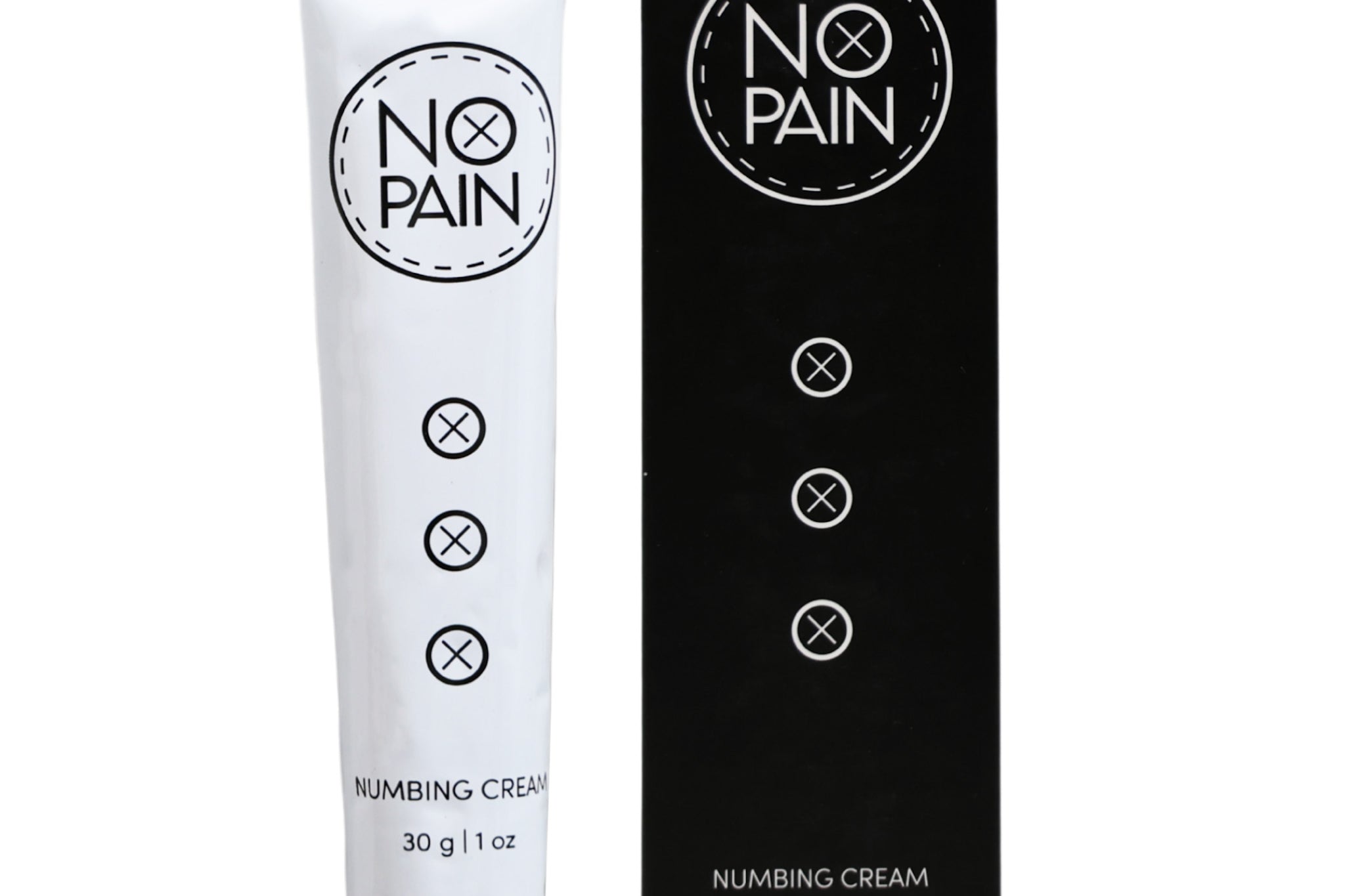
Maximum strength formula in a thick, slow-absorbing base. Clip the area close, apply to clean dry scalp under a shower cap, wait 90 minutes. The scalp's thin skin and good blood supply absorb lidocaine well - it takes the needle pain down from a 10 to something you can actually sit through. It won't touch the vibration, but that's the part you prepare for mentally. Formulated at Historic Tattoo in Portland.
For multi-session head projects - and most substantial head pieces are multi-session - secondary numbing gel applied mid-session to broken skin extends coverage through later passes. The combination makes long sessions more survivable, and head work is one of the placements where getting through the session intact matters most for the quality of the result.

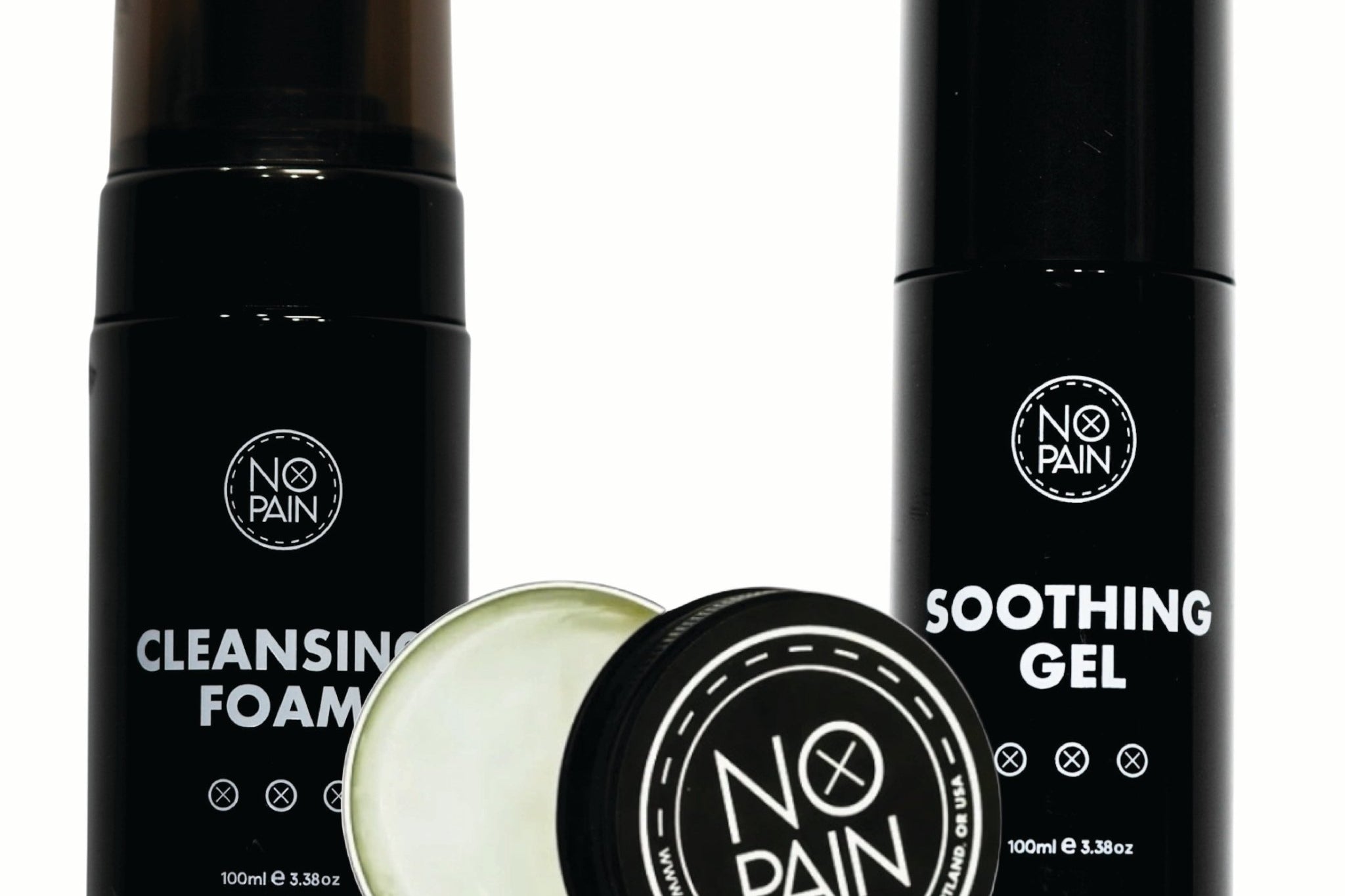
Pre-session numbing cream plus secondary numbing gel your artist applies mid-session on broken skin. For head projects covering the crown and sides across multiple passes, the re-numb carries you through when the scalp is already worked. The head does not get easier as the session goes on - the combination keeps the needle pain manageable from the first line to the last. Formulated at Historic Tattoo in Portland.
Healing a Head Tattoo
The head heals relatively quickly because the scalp has excellent blood supply - typically two to three weeks to surface healing, four to six weeks for full dermal settlement. But the placement creates specific challenges that most other tattoos do not face.
Sun is the primary risk. The top of the head is one of the most sun-exposed surfaces on the body, and for people with shaved or short hair there is nothing between fresh work and direct UV. Fresh tattoos should stay out of direct sun for two to four weeks minimum. Once healed, SPF 30 or higher on any exposed scalp work is the single most important thing you can do to preserve it long-term. Scalp tattoos on shaved heads fade faster than almost any other placement without consistent sun protection.
Hats are a double-edged tool. You need them to block sun, but a hat sitting directly on fresh healing skin creates friction and pressure, particularly around the band line. A loose beanie or a hat sized up by one can reduce contact pressure. Avoid anything tight across the healing area for the first week.
Sweat from exercise creates a moist environment over the healing scalp, which prolongs the peeling phase and can cause ink to lift unevenly. Keep physical activity low for the first week. If you have hair that is growing back over the healing area, the new hair pushing through can irritate the surface - keep the area clean and moisturized, and resist the urge to pick at any peeling skin.
Sleep on a clean pillowcase and back-sleep if the tattoo is on the crown or sides. The placement and healing guide covers the general healing arc across placements.
Frequently asked questions
How bad does a head tattoo hurt?
The entire skull rates 9 to 10 out of 10 - there is no comfortable zone. The crown and temporal sides are typically the most intense; the occiput and nape are fractionally more manageable for most people. What the pain scale does not capture is the sensory overload component: the machine's vibration transmits through the skull directly into the jaw, sinuses, and inner ear, producing a sound and feeling that cannot be escaped or tuned out. Most people who have experienced both report that the sensory overload is the harder part to sit through, not the pain itself.
Why is a head tattoo so painful?
Three factors combine. Thin scalp skin sits directly over dense bone with almost no soft tissue buffer. The scalp is densely supplied with nerve branches from both the trigeminal nerve (front/sides) and cervical nerves (back), with no zone free of surface nerve coverage. And the skull acts as a resonator - vibration from the machine does not stay localized but travels through the bone structure into the jaw, sinuses, and inner ear. The result is pain, bone vibration, and inescapable sound transmission all at once.
Can you numb a head tattoo?
Yes - scalp numbing works well. Clip or shave the area close to the skin first so the cream actually contacts the scalp rather than sitting on hair. Apply a maximum strength formula to the clean, dry skin under a shower cap or cling film and wait 90 minutes. The scalp's thin skin and good blood supply absorb lidocaine effectively, and it will take the sharp needle pain down meaningfully from what is otherwise a 10/10. It will not affect the bone vibration and sound component of the experience - that part requires mental preparation rather than topical numbing.
Do head tattoos fade faster?
Yes, particularly for people with shaved or very short hair. The scalp is one of the highest sun-exposure surfaces on the body, and UV is the primary cause of tattoo fading over time. Without hair cover, scalp tattoos can fade noticeably within a few years without consistent sun protection. SPF 30 or higher applied to any exposed scalp work whenever you're outside is the main thing that preserves the piece long-term. Work done under a full head of hair gets natural UV protection and typically holds better.
How long does a head tattoo take to heal?
Surface healing takes two to three weeks - the scalp heals relatively quickly because of its good blood supply. Full dermal settlement is four to six weeks. Swelling in the first day or two can be pronounced, particularly if the session was long - swelling migrates downward with gravity and can cause a puffy forehead and swollen eyes the morning after a substantial session. This resolves within two to three days. Avoid hats, sun, and sweaty exercise for the first week to give the skin the best conditions to heal cleanly.
Is a head tattoo a good first tattoo?
No - for several reasons. The head is one of the hardest placements on the body in terms of raw pain, and the sensory experience is genuinely unlike anything on a less exposed placement. Without a reference point for how you handle sessions, committing to head work is high risk. Beyond pain, a head tattoo is a permanent, highly visible commitment - most professional and social contexts still treat it differently from placements that can be covered. Artists who specialize in head work typically want to see evidence that you have thought through both the pain and the permanence before they book the session.
Handle the Pain. The Vibration You Prepare For.
Maximum strength numbing cream applied to the shaved scalp 90 minutes before your session takes the needle pain down from a 10 to something you can sit through. For multi-session head projects, the bundle adds mid-session coverage when the scalp is already worked.
Shop the Comfort Bundle →Formulated at Historic Tattoo in Portland, Oregon.