

A flash tattoo is a pre-drawn design an artist has already refined and made available to book, usually without a custom brief or a long wait for a consultation slot. You pick something from their sheet, they stencil it, and the session begins. Flash is one of the oldest formats in tattooing, and for collectors who love an artist's work but don't have a specific personal concept in mind, it's often the best way to get a great tattoo.
In this article
- What flash tattoos actually are
- Where the term comes from
- Traditional wall flash vs. artist flash
- Flash day events
- Flash vs. custom: the real differences
- How to find and choose a flash design
- Preparing for a flash session
- Aftercare for flash tattoos
- Frequently asked questions
What Flash Tattoos Actually Are
Flash is a collection of finished, ready-to-tattoo designs an artist has drawn in advance. The designs are complete: sized, drawn, and thought through as tattoos rather than illustrations. An artist who offers flash has already figured out what will work well on skin, what will hold at healed, and what they're good at executing. When you book a flash piece, you're getting a design that's been pre-optimized rather than built from scratch during your consultation.
Flash is typically displayed on sheets of paper or card, either posted on the studio walls, printed in a book at the artist's station, or shared on their Instagram page. Each design is labeled with a size and price. Some flash designs are one-off pieces the artist will tattoo only once. Others are repeatable designs that multiple clients have and will have again. Artists usually specify which is which.
Where the Term Comes From
The word "flash" in tattooing has roots in the carnival and circus world. Traveling tattooers in the late 19th and early 20th centuries needed a fast way to display available designs to passing crowds. The pre-drawn boards of imagery were meant to catch the eye and draw people in, to flash, in the way a barker might use bright colors and bold visuals to stop foot traffic. The designs themselves became known as flash, and the format stuck.
Some of the most recognized flash art in the world came from this era. Designs by Norman Collins (Sailor Jerry), Don Ed Hardy, and Owen Jensen were tattooed across thousands of sailors and civilians and remain widely tattooed today. Choosing a piece of classic wall flash is a way of participating in a tradition that predates most people's great-grandparents.
Traditional Wall Flash vs. Artist Flash
Traditional wall flash refers to the classic imagery you still see covering the walls of older shops: eagles, anchors, roses, panthers, daggers, pin-up figures, hearts, and ships. Many of these designs are 70 or 80 years old. They've been tattooed thousands of times and will be tattooed thousands more. There's no expectation of exclusivity: you're getting a version of a design with a long history, not a one-of-a-kind piece.
Modern artist flash works differently. An artist draws a sheet of original designs in their own style, the kind of work they're excited to tattoo and want more of in their portfolio. They post these on social media, add them to a book at their station, or occasionally sell printed versions. A modern artist's flash sheet might be made available to multiple clients, or the artist might mark certain designs as one-and-done: they'll tattoo it once, then retire it. Policy varies by artist.
The distinction matters when you're deciding what you want from the experience. Traditional flash connects you to tattoo history and culture. Modern artist flash gives you a piece that represents a specific artist's creative direction, often in a contemporary style, while keeping the process quick and accessible.
Flash Day Events
Flash days are studio events where artists offer themed designs at a set, often discounted, price. The most well-known are Friday the 13th events and Halloween flash days, where artists put together sheets of smaller designs: 13s, black cats, spiders, ghosts, classic horror imagery, and book them out quickly, sometimes for as little as $13 or $31 as a nod to the date.
Flash days tend to be high-energy, walk-in-friendly events with a social atmosphere. They're a good way to get a small tattoo from an artist you've been following without committing to a full custom booking. Studios often announce these events several weeks in advance on social media, and popular flash days book out quickly once the sheet drops.
If you're planning to attend a flash day, worth knowing: the spontaneous energy of these events can make prep feel unnecessary, but the tattoo itself is identical to any other session. A little preparation makes a real difference.
Flash vs. Custom: The Real Differences
The practical difference comes down to the creative process, not the quality of the tattoo. A custom tattoo is built from your brief: you bring references, discuss placement and size, the artist draws something unique for you, and you refine it together before booking. That process can take weeks between the initial consultation and the appointment.
Flash removes that process entirely. The design exists. You see it, you want it, you book it. This is faster, often less expensive (no design time billed), and arguably lower-stakes for people who aren't sure what they want but do know whose work they like.
The one genuine trade-off is exclusivity. A custom tattoo is built for you. A flash piece, unless the artist marks it as one-off, may be on other people. For most collectors this is a non-issue. Traditional flash has always worked this way, and the design's quality doesn't change because someone else has it. But if a one-of-a-kind piece matters to you, custom is the better fit.
Quality-wise, flash often has an advantage: the artist drew the design because they want to tattoo it, and they've likely executed versions of it before. You're getting them at their most practiced on that particular subject.
How to Find and Choose a Flash Design
The best place to find an artist's flash is their Instagram page. Most artists who offer flash post their sheets there, often with size, price, and availability details in the caption. Saved Instagram highlights labeled "flash" or "available" are common. Studio websites sometimes have flash galleries too, though they're often less current than the artist's own social media feed.
When you're choosing a design, think about the same things you'd consider for any tattoo: placement, scale, and whether you'll still want it in ten years. Flash pieces are often smaller and bold in design, which means they tend to hold well at healed and age predictably. If you're choosing from a traditional flash sheet, think about how a classic design sits alongside the work you already have.
Reach out to the artist directly to check availability, confirm sizing, and ask whether the design is repeatable or one-off. Most artists are straightforward about this. If a design you want has already been tattooed and the artist offered it as one-off, ask whether they have similar work available or whether they'd consider a variation. Some will, some won't.
Preparing for a Flash Session
A flash session is structurally the same as any other tattoo appointment. The difference is that the booking timeline can be shorter, which sometimes means people arrive less prepared than they would for a longer-planned piece.
Eat a proper meal before your appointment. Wear clothing that gives your artist easy access to the placement. Arrive hydrated. For flash day events especially, keep in mind that wait times can be longer than expected. Bring water and a snack, and plan for more time than the tattoo itself will take.
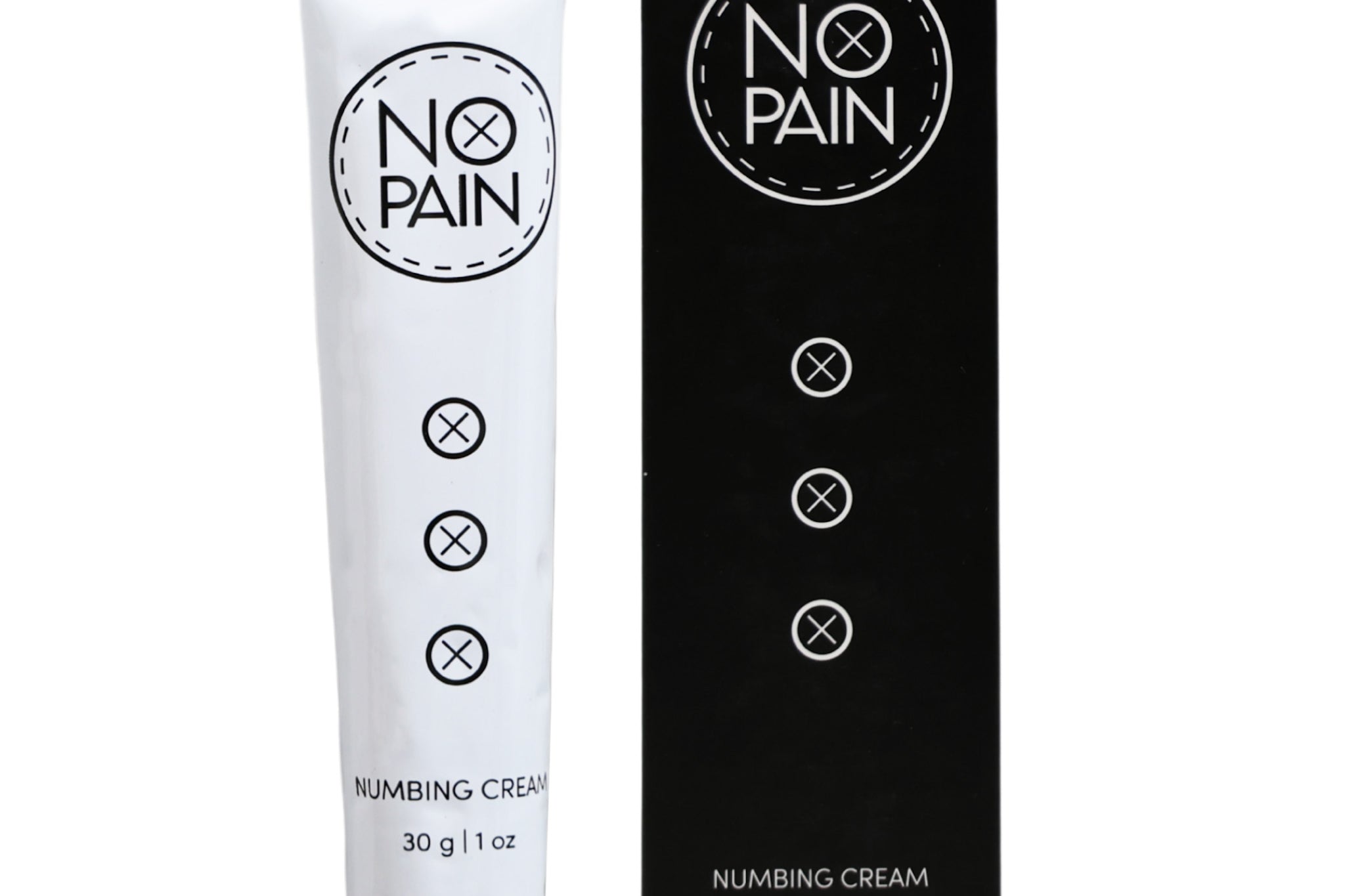
If you want to numb, you have time to prepare for any flash session that's booked in advance. Apply two coats under cling film for 90 to 120 minutes before your appointment. The thick, slow-absorbing formula builds saturation deeper into the dermis during the full application window, which matters for placements where the skin sits closer to bone or nerve-dense tissue. Tell your artist before they start.

Maximum-strength topical numbing for pre-session application. Thick, slow-absorbing formula that penetrates deeper and lasts longer than thin creams. Apply two coats under cling film 90 to 120 minutes before your session. Works for any tattoo appointment, flash or custom. 100% money-back guarantee.
Aftercare for Flash Tattoos
Flash tattoo aftercare is identical to aftercare for any other tattoo. The ink goes into the same layer of skin. The healing process follows the same timeline. The fact that you booked it in a week rather than six months doesn't change what happens after the session ends.
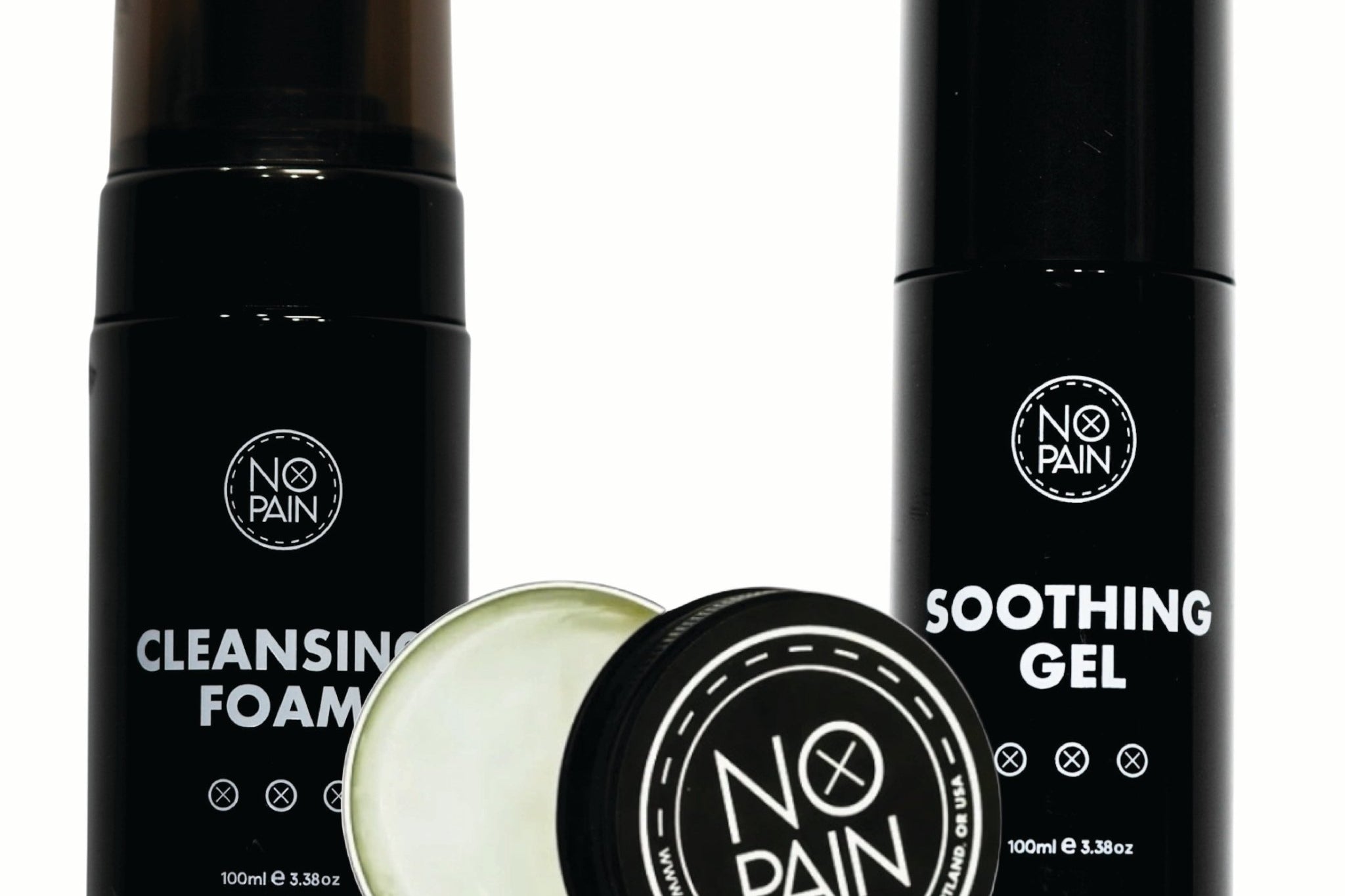
If you're attending a flash day event, it's worth having your aftercare ready before you go rather than picking something up afterward. Flash days run long, and grabbing products on the way home in the evening is easier to skip than you'd expect. Keep the tattoo clean with a gentle, fragrance-free liquid soap twice daily. Use a lightweight soothing gel for the first two to three days while the wound closes, then transition to a nourishing balm through the peeling and settling period. Stay out of the sun. Don't pick anything.

Lightweight cooling gel that keeps the surface hydrated without blocking airflow. Use in the first few days to prevent the thick scabbing that pulls ink out during healing.

Shea butter balm for the peeling and milky phase. Keeps the new skin layer nourished as it forms so the tattoo settles cleanly.
Have Your Aftercare Ready Before You Go
Flash days are fun right up until you're home at 10pm with a fresh tattoo and no aftercare in the house. Soothing gel for the first few days, aftercare balm from day 3 onward. Fragrance-free, petroleum-free, ready to go.
Shop the Aftercare Bundle →Formulated at Historic Tattoo in Portland, Oregon. 100% money-back guarantee.
Frequently asked questions
What is a flash tattoo?
A flash tattoo is a pre-drawn design an artist has prepared in advance and made available to book, usually on a walk-in or quick-booking basis. Rather than commissioning a custom piece built around a personal brief, you choose from designs the artist has already drawn and refined. Flash is one of the oldest formats in tattooing, with roots in the carnival era, and it spans everything from classic American Traditional imagery to modern artist-specific styles.
Are flash tattoos lower quality than custom tattoos?
No. A flash design is one an artist drew because they want to tattoo it and have already optimized it to work on skin. In many cases, the execution is sharper than a custom piece because the artist has tattooed the design before and knows exactly how it behaves. The difference is in the creative process, not the outcome. Flash is faster and often more affordable; custom gives you a design built specifically for you.
Can you modify a flash design?
Minor adjustments (sizing, placement, small additions like a banner) are usually fine to ask about. Large changes to the design are a different matter. If the modification is substantial, you're effectively requesting a custom piece and should book a consultation rather than treating it as a flash appointment. Ask the artist directly what they're open to. Some enjoy adapting their flash; others prefer to tattoo it as drawn.
What is a flash day event?
A flash day is a studio event where artists offer a themed sheet of designs at a set, often discounted, price. Friday the 13th and Halloween flash days are the most common. Artists post their available designs in advance, spots fill quickly, and the day itself tends to be high-energy and walk-in-friendly. They're a good way to get a smaller tattoo from an artist you've been following without waiting for a full custom booking slot.
How do I find an artist's flash sheet?
Instagram is the best place to look. Most artists who offer flash post their sheets there with size, price, and availability details. Many save current flash in a pinned post or highlight reel. Studio websites sometimes have flash galleries, though they tend to be less current. Once you find something you want, message the artist directly to check whether it's still available and confirm the booking process.
Is the aftercare the same for a flash tattoo?
Yes. The healing process for a flash tattoo is identical to any other tattoo. The ink goes into the same layer of skin and follows the same healing timeline regardless of how the design was chosen. Keep the tattoo clean with a fragrance-free liquid soap twice daily, use a soothing gel for the first two to three days, then transition to a nourishing balm through the peeling phase. If you're heading to a flash day event, having your aftercare ready before you go is worth the small effort.