

Yes. For most people, laser tattoo removal hurts more than getting the tattoo did. That's worth knowing upfront so you can prepare correctly rather than walk in expecting something manageable and walk out shaken. The good news: sessions are short, the pain is controllable with the right preparation, and "more painful than the tattoo" doesn't mean you have to white-knuckle it through every appointment.
In this article
- What laser removal actually feels like
- Why it hurts more than getting a tattoo
- What affects the pain level
- How long a session actually takes
- Numbing cream before laser removal
- What happens after the session
- Frequently asked questions
What Laser Removal Actually Feels Like
The two analogies that come up consistently from people who have gone through it: a rubber band snapping hard against the skin, and hot bacon grease spattering on your forearm. Neither is comfortable, but both are accurate. The laser fires in very fast pulses, and each pulse is a sharp, hot, stinging shock. It doesn't build the way tattoo pain does. It arrives suddenly, intensely, and is over in a fraction of a second, then repeats.
The character of the pain is different from tattooing. A tattoo is a persistent grinding or scratching sensation that sits at a consistent level for hours. Laser pulses are spikes. Each one is more intense than most of what you feel getting tattooed, but they don't last. Some people find the burst-and-reset pattern easier to tolerate than a long grinding session. Others find the sudden intensity harder than steady discomfort. It varies by person.
Why It Hurts More Than Getting a Tattoo
A tattoo needle punctures the skin and deposits pigment at a depth of roughly 1 to 2 millimeters. It's a mechanical process. Laser removal is a thermal one: the laser targets pigment particles and delivers rapid bursts of energy that shatter them, generating heat in the process. That combination of sudden impact and heat at depth is what makes the sensation more acute than the tattoo that put the ink there in the first place.
The laser is also targeting the same nerve-rich skin as the original tattoo, but now with pulses designed to break apart material at the cellular level. There's a reason clinics count it among the more intense outpatient procedures they perform.
What Affects the Pain Level
Location is the biggest variable. The same rules apply as they do for getting a tattoo. Fleshy areas with more tissue buffer between skin and bone are more tolerable. Ankle, foot, spine, ribs, and inner arm are harsh placements for the same reasons they're harsh to tattoo.
Tattoo density is a factor too. A large, solid black tattoo has more pigment for the laser to target, which means more heat generated per pulse. Dense solid-fill pieces are tougher to remove than fine-line work, and sessions run harder.
Session number plays a role as well. Most people need between 5 and 12 sessions for full removal. Early sessions tend to hit harder because there's more pigment present. Later sessions, once the ink has been substantially reduced, are often less intense.
Personal tolerance varies. There's no predicting exactly how any individual will experience it, which is exactly why preparation matters more than guessing.
How Long a Session Actually Takes
Here's the redeeming part. Sessions are short. A small tattoo might be 5 minutes of actual lasing time. A medium piece, 10 to 15 minutes. Even a larger tattoo rarely exceeds 20 to 25 minutes of laser application. Compare that to the hours you may have spent getting it done, and the brevity becomes a real comfort. You're not managing this pain over a long session; you're managing it in short concentrated bursts at a quick appointment.
Numbing Cream Before Laser Removal
Numbing cream is one of the most effective tools you have for laser removal pain. Lidocaine blocks the sodium channels that transmit pain signals from the nerve fibers near the skin surface. Applied correctly before a removal session, it can take the sensation from a 9 down to a 4 or 5 for most people.
The key is application method. Apply two coats under cling film for 90 to 120 minutes before your appointment. A thin rub-in coat goes on first to prime the skin; a thick second coat on top feeds absorption without rubbing in. Leave the wrap on until your technician is ready to start. The full application window allows the lidocaine to build saturation not just at the surface but deeper into the dermis, where the nerve fibers sit. A rushed 30-minute application mostly hits the surface layers and wears through quickly.
Tell your technician you've used numbing cream before they begin. Reputable clinics have no issue with it, and a calmer, stiller client makes their work easier too.

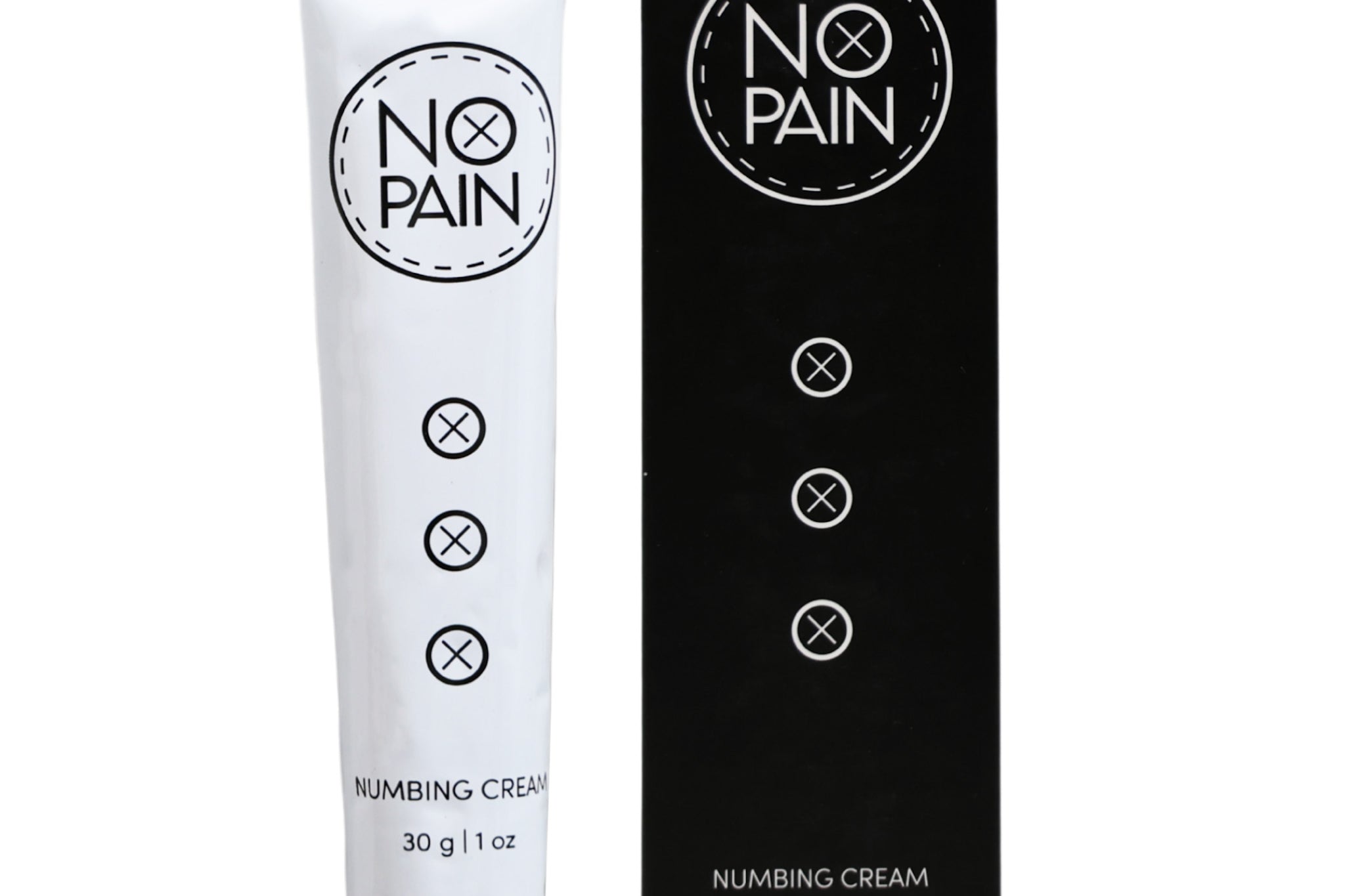
A thick, slow-absorbing formula that builds deeper saturation than thinner creams at the same lidocaine concentration. Apply two coats under cling film for 90 to 120 minutes before your session. Works for laser removal appointments the same way it works for getting tattooed.
What Happens After the Session
The area will feel like a severe sunburn immediately after. Redness, swelling, and heat are expected. Some spots may develop small blisters in the hours that follow; this is a normal response to the thermal energy and not a cause for alarm. Don't pick at them.
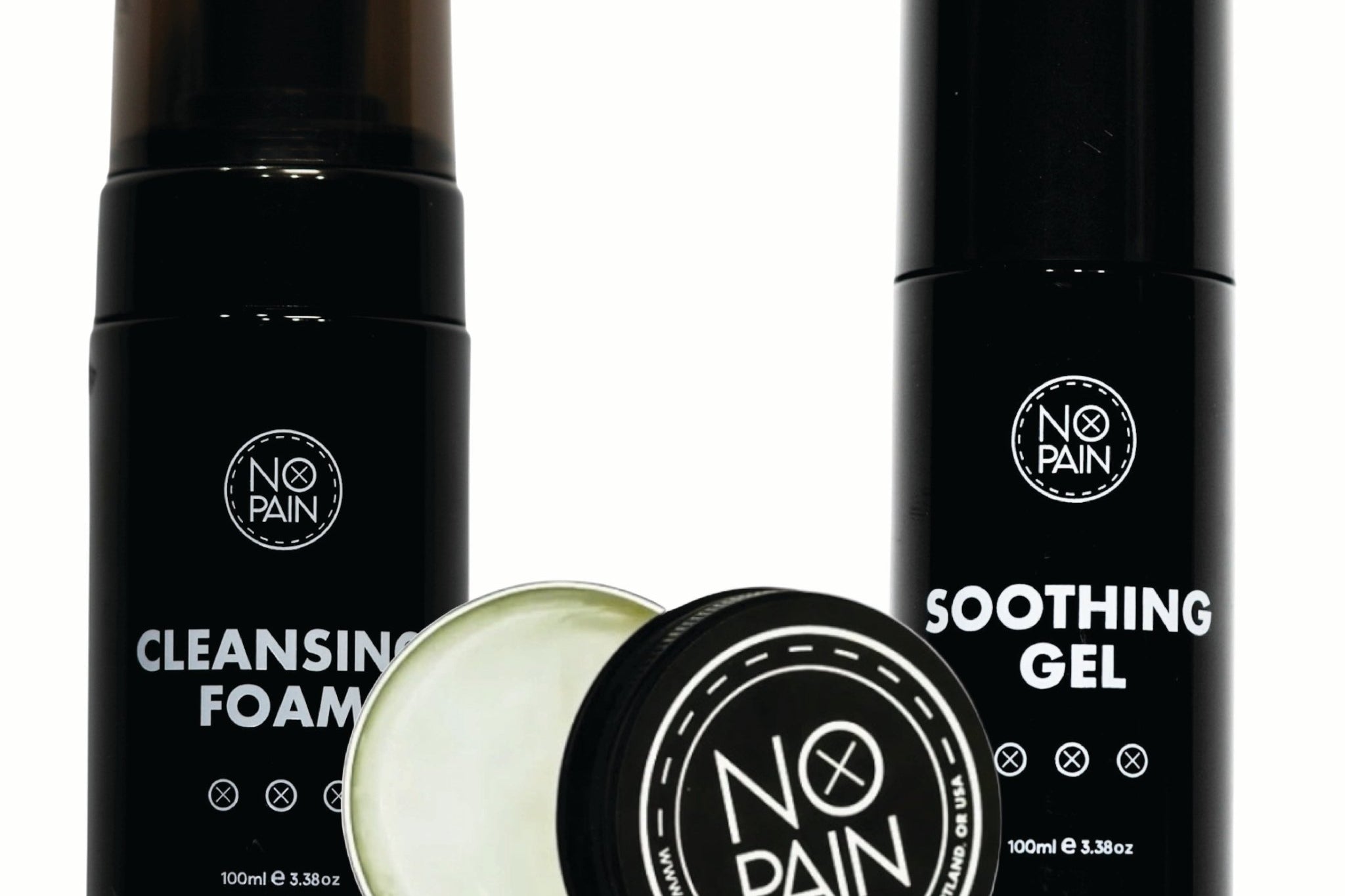
Aftercare for laser removal follows the same logic as aftercare for a new tattoo. Keep the area clean, stay out of direct sun while it heals, and keep it moisturized without smothering it. A lightweight soothing gel in the first few days addresses the burn sensation and keeps the wound environment right for healing. From around day two or three, transition to a nourishing balm that supports the healing layers without petroleum-based ingredients that block breathability. Between sessions, protecting the area from UV exposure helps protect the skin and keeps the healing tissue in better shape going into the next appointment.
Help the Skin Recover Between Sessions
Laser removal leaves the skin in a similar state to a fresh tattoo: inflamed, sensitive, and actively healing. The Aftercare Bundle covers both phases: a soothing gel for the first few days while the burn settles, and a nourishing balm from day three onward. Fragrance-free and formulated without petroleum.
Shop the Aftercare Bundle →Formulated at Historic Tattoo in Portland, Oregon. 100% money-back guarantee.
Frequently asked questions
Does tattoo removal hurt more than getting a tattoo?
For most people, yes. The laser fires in rapid, sharp pulses that generate heat at depth, producing a more acute sensation than the steady mechanical pressure of a tattoo needle. That said, sessions are considerably shorter than getting tattooed, often 5 to 20 minutes, and the pain is very manageable with proper numbing cream preparation.
What does laser tattoo removal feel like?
The most consistent comparisons are a rubber band snapping hard against the skin, and hot bacon grease spattering on your arm. Each laser pulse is a sudden, sharp, hot sting that lasts a fraction of a second before resetting. It's spike-like and intense in each moment, but brief rather than sustained; different in character from tattooing, which is more of a steady grinding or scratching pain that builds over time.
Does numbing cream work for tattoo removal?
Yes, and it works well. Lidocaine blocks nerve signal transmission near the skin surface, which takes the edge off the sharp, stinging quality of the laser pulses. The key is applying enough and leaving it on long enough: two coats under cling film for 90 to 120 minutes before the session. A rushed application mostly saturates the surface layers and wears through quickly. Tell your technician you've used it before they start.
How can I reduce the pain of laser tattoo removal?
Apply maximum-strength numbing cream correctly before each session: two coats, covered with cling film, 90 to 120 minutes before your appointment. Many clinics also use a cold air cooling device during the session to counteract the heat from the pulses. Go in well-rested and fed; pain tolerance drops when you're depleted. If a placement is particularly harsh, ask your clinician whether a split-session approach is an option.
How long does tattoo removal pain last after a session?
The sharp sensation from the laser pulses stops when the session ends. What replaces it is a sunburn-like feeling: heat, redness, and sensitivity that typically lasts 24 to 72 hours, sometimes a few days longer for larger or denser pieces. Blistering, if it occurs, peaks in the first 24 hours and resolves over the following week. Keeping the area clean and moisturized helps the skin settle faster.
Does laser tattoo removal hurt more on certain body parts?
Yes, for the same reasons some placements hurt more to get tattooed. Areas where skin sits directly over bone with minimal tissue buffer (ankles, spine, ribs, inner arms) tend to run harder. Fleshy placements like the outer thigh or upper arm are more tolerable. Dense solid-color tattoos in any location will hurt more than fine-line work because there's more pigment for the laser to break down per pulse.