



Yes, cover-ups work. With the right artist and the right design approach, an old tattoo you've spent years avoiding can be transformed into something you're genuinely happy to have on your body. What limits a cover-up isn't the art form itself; it's the physics of ink. Dark ink cannot be covered by lighter ink, a new design will always be larger than the old one, and the old tattoo's lines have to disappear somewhere inside the new design's detail. Understanding those constraints before you book is what separates a successful cover-up from a disappointing one.
In this article
- How a cover-up tattoo actually works
- The three rules
- What can be covered
- Using laser to open up your options
- Finding the right artist
- Preparing for the session
- Aftercare for a cover-up
- Frequently asked questions
How a Cover-Up Tattoo Actually Works
A cover-up artist isn't tattooing over a blank canvas. They're building a new design around the existing one so that the old lines, shapes, and dark masses get absorbed into the new piece thoroughly enough to be invisible in the healed result. Every dark area of the old tattoo needs to land inside a dark area of the new design. Every line needs to end up inside a shadow, a petal, a texture, or a fill.
This is what makes cover-up work a distinct specialty. It requires the artist to map the new design against the constraints of the old one: placing heavy fills where the original ink is densest, using visual complexity to break up lines that would otherwise show through, and selecting a design with enough detail to do the hiding work. A general tattoo artist who hasn't done this before may not fully understand why certain approaches will fail at healed. That's why the artist you choose matters more here than almost anywhere else in tattooing.
The Three Rules
The new design will always be bigger
Usually two to three times the size of the original. The new design needs to contain the old tattoo entirely within its footprint and leave enough surrounding area and detail for the eye to move through. Attempting a same-size cover-up typically fails because there isn't enough design room to absorb the old edges. Going in with flexibility on size is one of the most useful things you can do at a cover-up consultation.
Darker covers lighter, never the reverse
You cannot cover dark ink with lighter ink. Black, deep navy, dark brown, and rich purple can cover the lighter shades sitting beneath them. Pastel, pink, yellow, and light color cannot cover anything. The practical result: cover-up designs trend dark and saturated. If the old tattoo has solid black areas, the new design needs heavy fills or deep shading in those exact spots to keep them hidden. If the original piece is faded and mostly light, you have considerably more flexibility with the palette.
Detail and density do the hiding work
Minimalist designs, clean geometric shapes, and large areas of open negative space don't work as cover-ups. A thin circle sitting over an old name will show the name through the gap. What works is visual complexity: detailed florals, animal fur, dense ornamental patterns, dark cosmic backgrounds, bold traditional imagery with heavy fills. The design needs enough going on that the eye keeps moving rather than settling on anything underneath.
What Can Be Covered
Most tattoos can be worked with. Small, faded, or lightly colored pieces give an artist the most flexibility to design around them with relatively minimal constraint on the new piece, and color options stay open.
Large, dense, solid black tattoos are the hardest cases. They can still be covered, but the new design will be large and dark, and the palette narrows considerably. An old solid tribal piece or a dense black band means the new tattoo may need to be nearly black across large portions of its coverage area.
Names and text in older, faded ink are often easier than people expect. Letters are predictable shapes that a good artist can fold into organic elements: a name in old script can become a stem inside a floral, a baseline can become a horizon or shadow line.
Completely faded or blown-out pieces, and tattoos that have lightened on their own over many years, give artists the most room to work.
Using Laser to Open Up Your Options
Full removal isn't the only reason to use laser before a cover-up. Two to four laser sessions can fade a dark or dense tattoo substantially without removing it, giving the cover-up artist a lighter canvas to work on. This is called lightening for a cover-up, and it's standard practice for difficult pieces.
The benefit is real: a faded piece lets lighter colors into the palette, reduces how much the final result has to rely on heavy dark fills to do the hiding work, and gives the artist more room for design choices. If you have a large solid black piece and you want something other than an equally dark replacement, asking about laser pre-treatment at your consultation is worth doing. A few sessions of fading can meaningfully change what's achievable.
Finding the Right Artist
This is the most consequential decision in the cover-up process. Look specifically for artists who list cover-ups as a specialty, and ask to see healed before-and-after photos, not fresh ones. Fresh tattoos always look good on any skin; the real test is whether the original piece shows through at six months or a year. A healed result where the old tattoo has fully disappeared is the only reliable proof that an artist understands cover-up mechanics.
During the consultation, a good cover-up artist will examine your old piece closely, tell you honestly what's achievable and what isn't, and propose a design with a rationale for why it will work. Be flexible. An artist who says "that concept won't work over this piece, but this variation will" is doing their job well. An artist who agrees to whatever you ask without examining the constraints is telling you something about how much they've actually thought it through.
Preparing for the Session
Cover-up sessions tend to run longer and hit harder than standard appointments. The artist may pack ink more densely than usual, work the same area multiple passes to fully saturate it, and move carefully around the old design's edges. All of that adds time and intensity compared to an equivalent-sized piece on fresh skin.
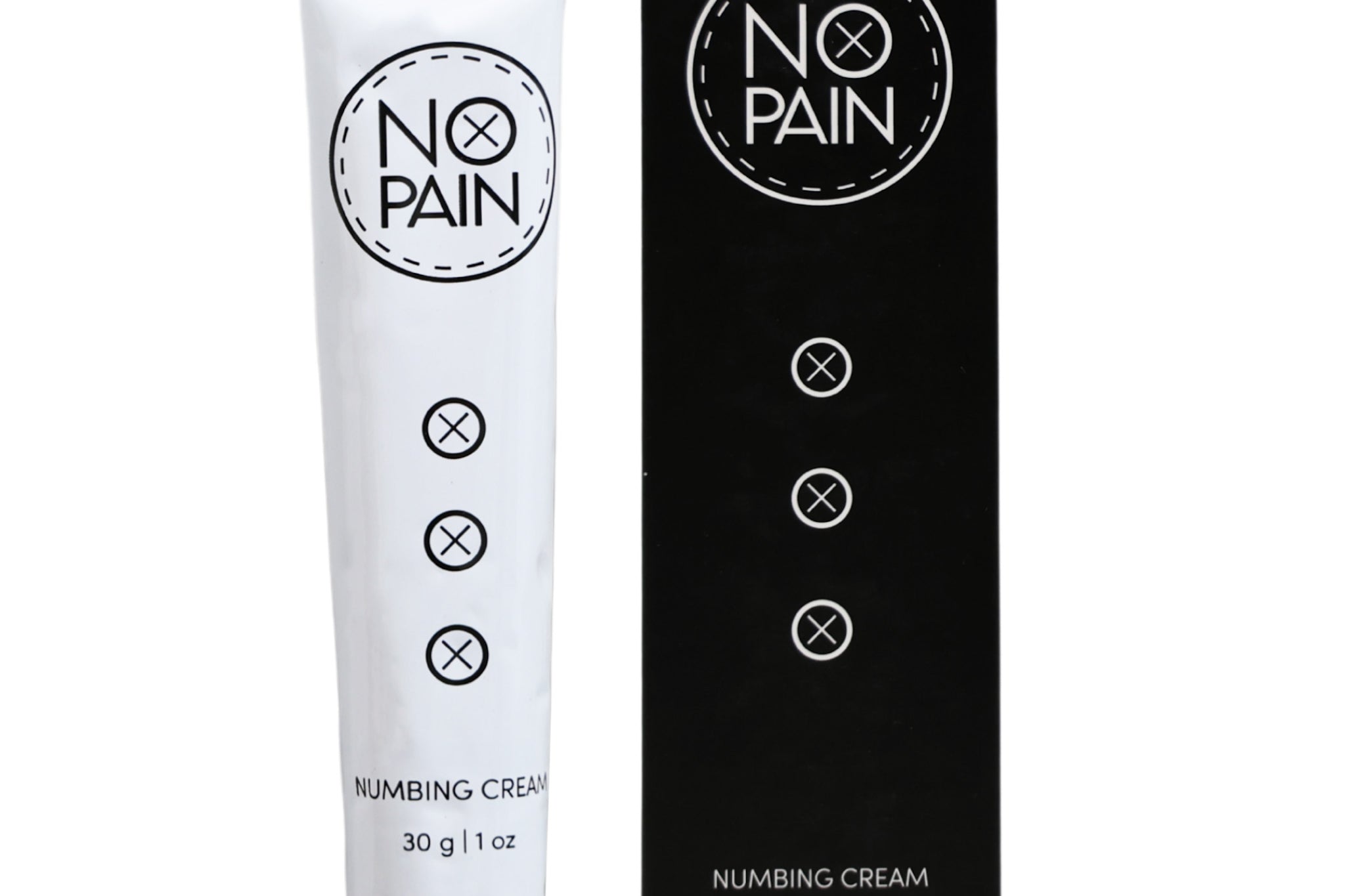
Numbing cream makes a real difference on long, dense sessions like this. Apply two coats under cling film for 90 to 120 minutes before your appointment. The thick, slow-absorbing formula builds saturation deeper into the dermis during the full application window, which matters on heavy-coverage sessions where the later passes are the hardest ones. Tell your artist you've used it before they start.

A thick, slow-absorbing formula that builds deeper saturation than thinner creams. Apply two coats under cling film for 90 to 120 minutes. Active window of 2 to 4 hours, designed for the kind of long, dense sessions that cover-ups require.
Aftercare for a Cover-Up
The healed result is what determines whether the cover-up worked. If the new tattoo loses ink during the heal (from thick scabbing, picking, or inadequate moisture), the old tattoo can begin to show through in those gaps. This makes aftercare for a cover-up more consequential than for a standard piece. Ink retention isn't just about how the new design looks; it's about whether the old one stays hidden.
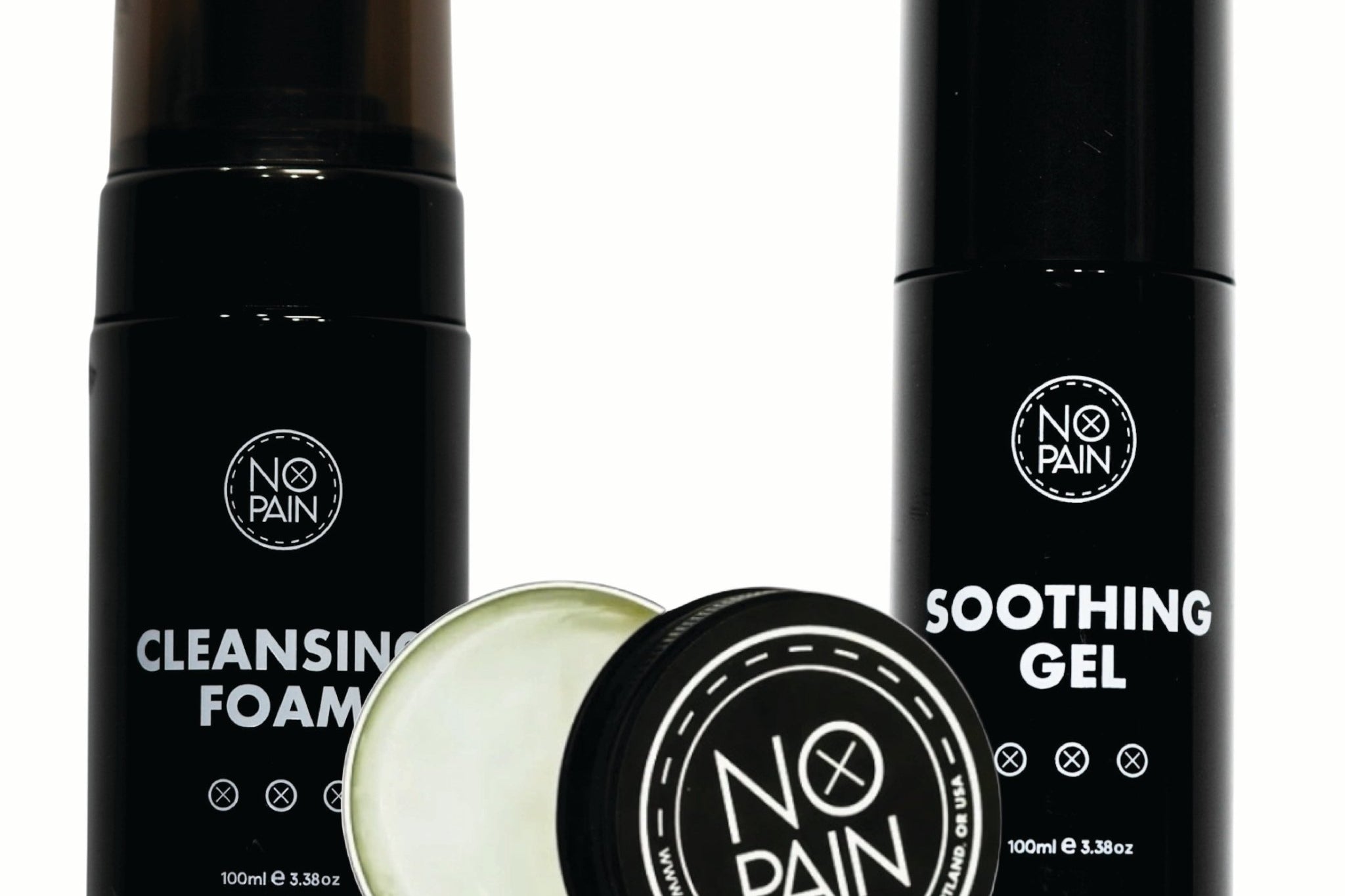
Treat the heal the same way you'd treat any tattoo, but don't cut corners anywhere. Keep the area clean with a gentle, fragrance-free liquid soap twice a day. Use a lightweight soothing gel for the first two to three days while the wound is closing, then transition to a nourishing balm through the rest of the peeling and settling period. Stay out of the sun. Don't pick anything. The goal is a smooth, scab-free heal that retains as much ink as possible in every area of the new design, especially over the densest parts of the old tattoo.
Protect the Ink You Just Worked For
With a cover-up, the heal is what keeps the old tattoo hidden. The Aftercare Bundle covers both phases: a soothing gel for the first few days while the wound closes, and a nourishing balm from day three onward. Fragrance-free, no petroleum, formulated for maximum ink retention.
Shop the Aftercare Bundle →Formulated at Historic Tattoo in Portland, Oregon. 100% money-back guarantee.
Frequently asked questions
Can any tattoo be covered up?
Most can, though the options narrow for large, solid black pieces. The more faded and lighter the original tattoo, the more flexibility your artist has with the new design. Very dense solid black work over a large area can be covered, but it will require a large, dark new design. Two to four laser sessions before the cover-up can meaningfully expand your options on difficult pieces without requiring full removal.
How much bigger does a cover-up tattoo need to be?
Typically two to three times the size of the original. The new design needs to contain the old tattoo fully within its footprint and leave enough surrounding area and detail to redirect the eye. Same-size cover-ups rarely succeed because there isn't enough design room to absorb the old edges. Going in with flexibility on size will give your artist the best chance of a clean result.
Can you cover a black tattoo with color?
Not with light colors. Dark ink cannot be covered by anything lighter; that's the fundamental rule. If the old tattoo has areas of solid black, those sections need dark fills in the new design to stay hidden. With laser pre-fading (two to four sessions), the black lightens enough that a wider palette becomes viable, including some deeper colors that wouldn't have worked directly over the original.
How do I find a good cover-up tattoo artist?
Ask specifically for healed before-and-after photos of their cover-up work. Fresh results always look better than healed ones; the real test is whether the original tattoo remains invisible at six to twelve months. During the consultation, a good cover-up artist will examine your old piece carefully and give you an honest read on what's achievable. Be flexible with the design concept; their expertise on what will actually hold at healed should shape the brief.
Do cover-up tattoos hurt more?
Usually yes, because sessions tend to run longer and the artist may pack ink more densely to ensure full coverage over the old piece. Numbing cream applied correctly before the appointment helps considerably on long, dense sessions; apply two coats under cling film for 90 to 120 minutes before you arrive, and tell your artist before they start.
What's the most important thing to get right in a cover-up?
Two things carry equal weight: the artist's cover-up experience (healed portfolio is the only reliable proof) and the aftercare (ink lost during healing can let the old tattoo show through). A technically well-executed cover-up session that heals poorly can still fail. The session and the heal both have to go right for the result to hold.