
A tattoo convention is one of the stranger and better experiences in the tattoo world. Hundreds of artists set up booths in a convention hall for a weekend, bringing their flash sheets, their portfolios, and in many cases their waiting lists from months of pre-booking. You can watch some of the best tattooers in the world work live, get something spontaneous from a sheet on the wall, or pick up a custom piece you've been planning since the lineup was announced.
They go by different names depending on who's running them — tattoo convention, tattoo expo, tattoo festival, tattoo show — but the format is broadly the same. Here's how they work and how to make the most of one.
In this article
- What happens at a tattoo convention
- How to get a custom tattoo at a convention
- How to get a walk-up or flash tattoo
- What else is there besides tattooing
- Pain at a convention: why it hits harder
- Aftercare on the road
- How to find a tattoo convention near you
- Frequently asked questions
What Happens at a Tattoo Convention
Most tattoo conventions run Friday through Sunday, with Saturday being the busiest day. Artists pay for booth space and set up their station for the duration of the event. Some travel internationally. You'll find artists working in every style: traditional, Japanese, realism, blackwork, watercolor, fine line, neo-traditional, and more.
The floor is loud, crowded, and visually overwhelming. Music, tattoo machines running constantly, vendors selling flash prints and merchandise, and crowds of people watching artists work in real time. If you've never been to one, the scale is striking. A large convention can have several hundred artists across a venue the size of a sports arena.
There are two main ways to get tattooed: booking a custom piece with a specific artist in advance, or walking up on the day to pick from available flash.
How to Get a Custom Tattoo at a Convention
If you want a custom piece from a well-known artist at a tattoo convention, planning starts months before the event, not weeks.
As soon as the convention announces its artist lineup, start researching who's attending. Find the artists whose healed work matches what you want. Follow them on social media. When they open bookings for that specific convention, slots with popular artists can fill within hours. You need to be watching.
When you reach out, be clear and brief. State your concept, the size and placement you're thinking, and include reference images. Artists at conventions are managing dozens of inquiries alongside their regular studio work. A clean, easy-to-read message gets a reply. A vague or rambling one often doesn't.
Expect to put down a deposit to hold your spot. If the convention is canceled or the artist can't attend, reputable artists will refund or transfer the deposit. Ask their policy upfront.
On the day, arrive at your appointment time with a fully charged phone, your deposit receipt, and any reference images you discussed. The convention floor is not the place to redesign the concept. Your artist is working in a high-energy environment with a tight schedule. Come prepared and trust what you agreed on.
How to Get a Walk-Up or Flash Tattoo
Flash tattooing is the backbone of convention culture. Most artists bring pre-drawn designs on sheets that you can pick from and get tattooed the same day, often at a fixed price. The designs are usually ready to go, which means shorter session times and no waiting for a custom consultation.
A few things to know about walk-up tattooing at a convention:
Do a full lap first. Walk the entire floor before you commit to anything. You'll get a sense of what's available and who's working before you make a decision you can't undo.
Talk to artists early. If a booth is busy when you arrive, ask if they have a waitlist for the day. Many artists run informal lists and will slot you in when they have a gap. Getting there early gives you better odds.
The design on the sheet is what you're getting. Convention days are packed. An artist running back-to-back flash work on a Saturday is not going to customize the design for you. If you want changes, it's better to wait and book a studio appointment where there's time for proper consultation.
Have cash and card ready. Most artists accept both, but conventions can have patchy mobile signal. Check with the booth before assuming.
What Else Is There Besides Tattooing
Even if you're not getting tattooed, a good convention is worth attending. The main draws beyond the tattooing itself:
Tattoo contests. Most conventions run judged competitions across style categories: best of day, best of show, best black and grey, best color, best traditional, and so on. Watching the judging gives you a real education in what separates technically strong work from average work. The pieces that win best of show are often extraordinary.
Art and prints. Many artists sell original flash designs, limited prints, and merchandise from their booths. It's one of the few chances to buy directly from an artist you admire without going through an online shop.
Watching artists work. Most booths are set up so you can observe the tattooing in progress. If you're planning a piece in a particular style, watching how different artists approach the same kind of work in real time is useful research.
Meet artists. A convention is one of the few settings where you can walk up to an artist you've followed online and have a five-minute conversation. Not every artist will have time, but many do, especially earlier in the day.
Pain at a Convention: Why It Hits Harder
Getting tattooed at a convention is a different experience than sitting in a quiet private studio. The combination of loud music, constant noise from machines at every surrounding booth, crowds, and the general sensory overload of a convention floor compresses your pain tolerance before the needle even touches you.
This is not imaginary. Stress, fatigue, and sensory overload are all documented factors in how acutely people experience pain. If you arrive after standing on a loud convention floor for three hours, you're going to feel the session more than someone who walked in fresh from a quiet morning. Convention sessions also tend to run longer than people plan for — artists are sometimes running late, and the energy of the environment encourages people to stretch sessions they originally planned to keep short.
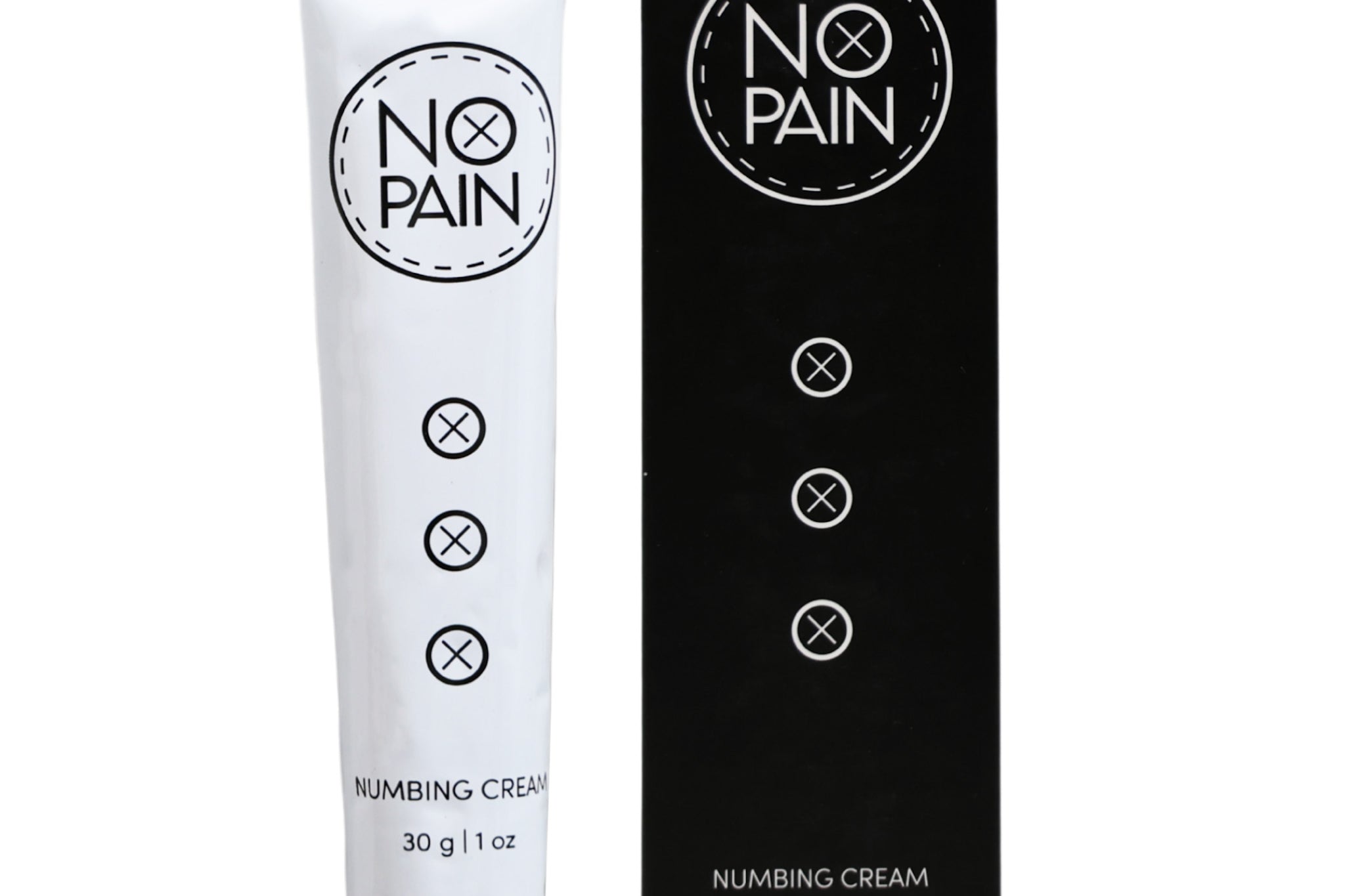
A numbing cream applied before the session is worth it at a convention in a way it might feel optional for a short studio appointment. Apply it 90 to 120 minutes before your session starts. If you're there for a long booking or want the option to top up mid-session on broken skin, the Comfort Bundle gives you both products in one kit.

Maximum-strength topical numbing for pre-session application. Thick, slow-absorbing formula that penetrates deeper and lasts longer than thin creams. Apply under wrap 90 to 120 minutes before your session. 100% money-back guarantee.

Numbing cream for before the session and numbing spray for top-ups on broken skin mid-session. Built for longer appointments where one product isn't enough. 100% money-back guarantee.
Aftercare on the Road
Convention aftercare is harder than studio aftercare, and most people underestimate it until they're in a hotel room that night with a fresh tattoo and nothing to clean it with.
You'll be healing in a hotel room, possibly sharing a bathroom, sleeping in an unfamiliar bed with sheets of unknown cleanliness, and then traveling home the next day. If you're flying, you'll be in a pressurized cabin with dry recirculated air. If you're driving, you'll have a seatbelt crossing whatever you just got. None of this is ideal for a fresh tattoo in its most vulnerable first 48 hours.
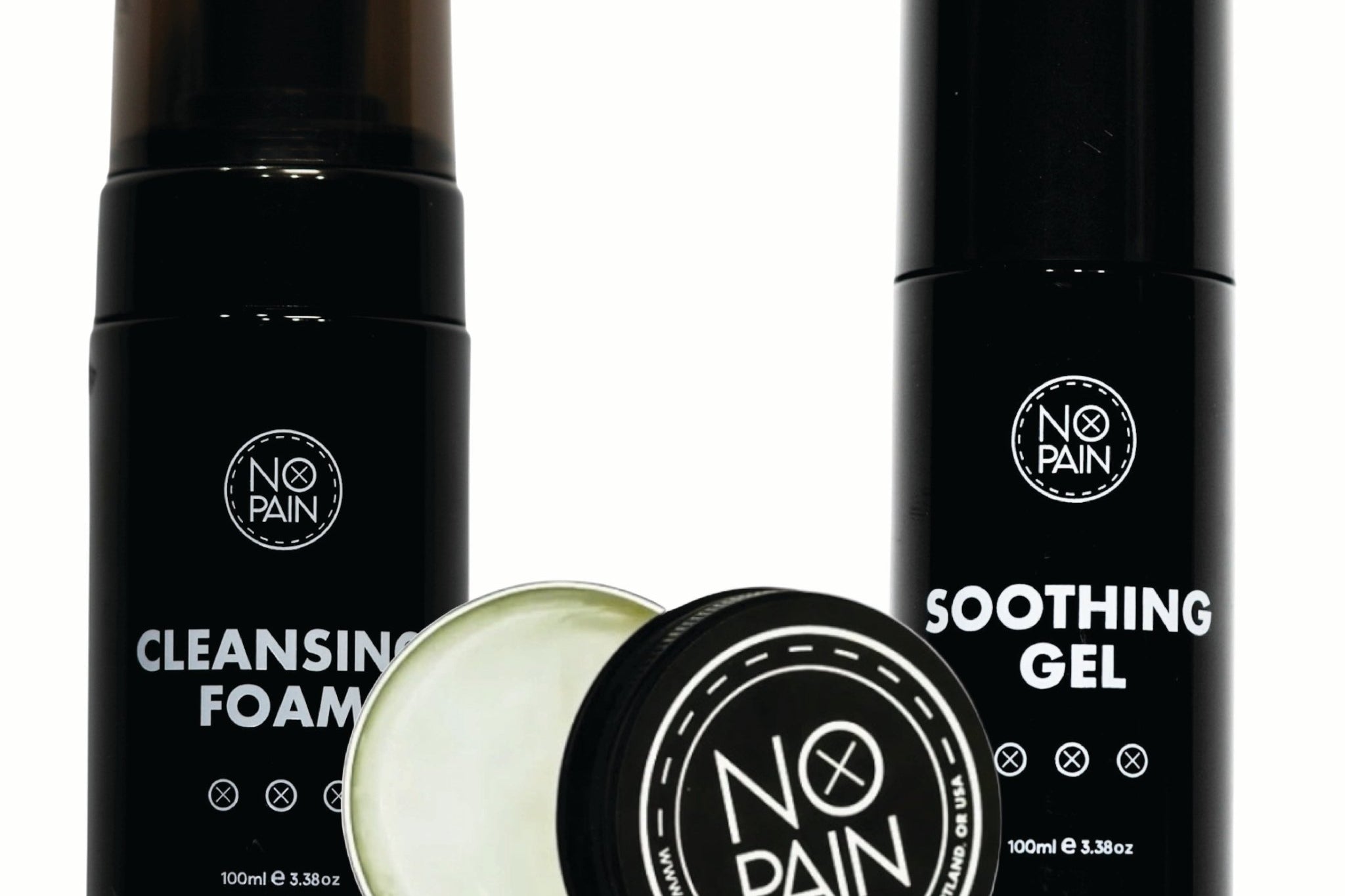
Pack your aftercare before you leave home. Everything you need for the first few days fits in a small toiletry bag: cleansing foam to wash the tattoo twice a day, soothing gel for the first few days to keep the surface hydrated, and aftercare balm for when peeling begins. Don't rely on finding suitable products at a hotel gift shop or a convenience store near the convention venue.
Pack This Before You Leave
Cleansing foam, soothing gel, and aftercare balm. Everything you need to heal cleanly in a hotel room and on the road home, in one kit.
Shop the Aftercare Bundle →Formulated at Historic Tattoo in Portland, Oregon. 100% money-back guarantee.
How to Find a Tattoo Convention Near You
The easiest starting point is a search for "tattoo convention near me" combined with the current year. Most major cities host at least one tattoo convention annually, and larger markets host several.
A few of the longest-running conventions in the US:
Hell City Tattoo Festival (Phoenix, AZ / Columbus, OH) — one of the older established conventions in the country, running since the late 1990s.
Motor City Tattoo Expo (Detroit, MI) — consistently strong lineup, particularly for traditional and American styles.
Dallas Tattoo Arts Convention (Dallas, TX) — one of the largest in the Southwest.
Star of Texas Tattoo Art Revival (Austin, TX) — strong regional reputation, tends to draw a diverse style lineup.
New York City Tattoo Convention (New York, NY) — draws heavy international attendance given NYC's profile.
Convention schedules shift year to year. Check the official convention websites and the attending artists' social media for confirmed dates before making travel plans.
Frequently asked questions
Do you need to book a tattoo in advance for a convention?
It depends on what you want. If you're after a custom piece from a specific artist, especially a well-known one, yes — book months in advance. Artist slots at popular conventions fill within hours of booking opening. If you're open to flash work or walk-up tattooing, you can show up on the day and pick from what's available, though getting there early gives you better access to artists with more availability. Saturday is typically the busiest day; Friday and Sunday often have shorter waits.
How much does it cost to get tattooed at a convention?
Convention pricing varies by artist and piece type. Flash tattoos often have a set price listed on the sheet, typically starting from $150 to $300 for small pieces and scaling up from there. Custom work is quoted per artist, with convention day rates sometimes running higher than studio rates due to booth fees and travel costs. Day admission to the convention itself is usually separate, typically $20 to $40 per day. Factor that into your budget.
Is it safe to get tattooed at a convention?
A licensed, reputable artist working at a legitimate tattoo convention uses the same sterilization standards as they would in their studio: single-use needles, disposable ink caps, autoclave-sterilized equipment where applicable, and gloves. The main variable is the environment — convention floors are high-traffic, high-touch spaces. A good artist sets up a clean station regardless of surroundings. If a booth looks disorganized or you're not seeing standard hygiene practices, that's your cue to walk away.
Why does getting a tattoo at a convention hurt more?
Sensory overload and fatigue compress your pain tolerance before your session starts. Hours of loud noise, crowds, standing on hard floors, and the general stimulation of a busy convention floor put your nervous system in a heightened state. Pain research consistently shows that stress and fatigue lower pain thresholds. The session itself isn't any more painful than the same work in a studio, but your baseline is lower by the time you sit down. A numbing cream applied 90 to 120 minutes before your session helps offset this.
What should you bring to a tattoo convention?
Cash and card (mobile signal at large venues is often poor), your deposit receipt and any reference images if you have a pre-booked appointment, snacks and a water bottle (convention food is expensive and lines are long), comfortable clothes that give easy access to your placement, and your aftercare kit if you're getting tattooed. If you're using numbing cream, apply it at the hotel before heading over so it's had time to absorb by the time your session starts.
Can you just attend a tattoo convention without getting tattooed?
Yes, and it's worth doing at least once. General admission gets you access to the entire floor: watching artists work, browsing flash and art prints, observing the contest judging, and talking to artists. If you're researching a style for a future piece or trying to find the right artist for a project, a convention is one of the most efficient ways to see a wide range of work in person and have brief conversations with the people making it.