
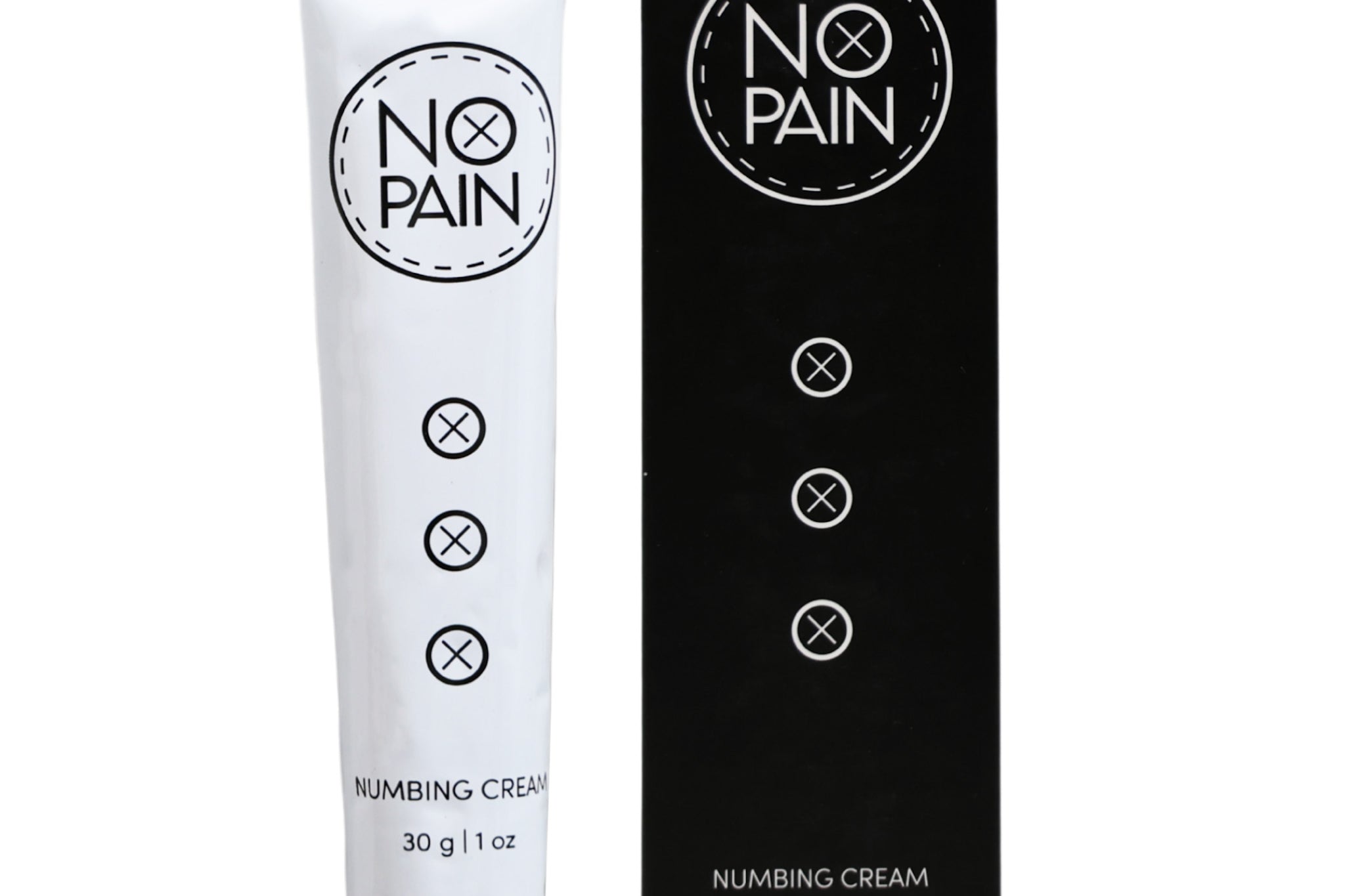

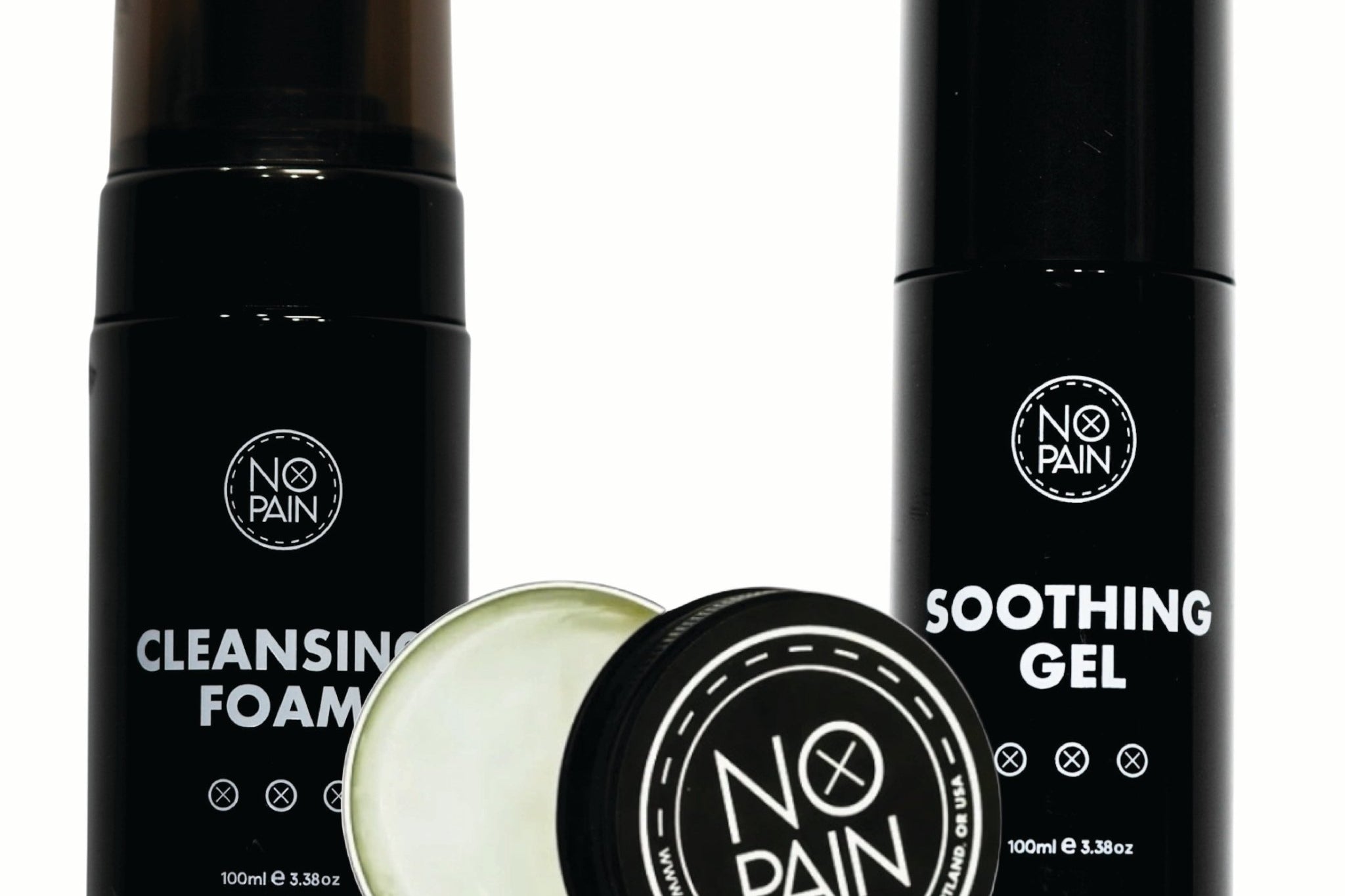


The Best Skincare Routine for People with Full Sleeves
A full sleeve tattoo represents months or years of work and thousands of dollars of investment. Protecting that investment long-term comes down to one thing more than anything else: what you do to the skin every day after the sessions are over. A solid skincare routine for a full sleeve is not complicated, but it does require consistency.
This guide covers what to do daily, weekly, and seasonally to keep a full sleeve looking sharp for years.
The Daily Routine
Full sleeve care comes down to three steps done consistently: cleanse, moisturize, and protect.
Morning: Wash the arm with a gentle, fragrance-free soap during your regular shower. Pat dry. Apply a thin layer of moisturizing balm to the entire sleeve while the skin is still slightly damp; the moisture helps the balm absorb better. Apply SPF 50 sunscreen over the top of any areas that will be exposed to sunlight during the day. That last step is the one most people skip, and it is the biggest driver of long-term fading.
Evening: If you have been sweating, exposed to dirt, or wearing sunscreen all day, cleanse again with a gentle wash. Apply balm before bed. You do not need sunscreen at night, but the balm application is worth doing every evening. Skin does a significant amount of repair and regeneration during sleep, and well-hydrated skin responds better.
The whole routine takes about two minutes. The compounding effect of doing it consistently over months and years is far larger than any single product choice.
Sun Protection: The Most Important Habit
UV radiation is the primary driver of tattoo fading. The sun's UV-A rays penetrate deep into the dermis and break down ink particles over time. UV-B rays cause surface inflammation and damage that accelerates how the skin ages over the tattoo. Both types of UV exposure affect ink longevity.
For a full sleeve, this matters more than for smaller tattoos because the arm is one of the most sun-exposed areas of the body. If you wear short sleeves regularly, your sleeve is getting UV exposure every time you go outside.
The most practical approach: make SPF 50 sunscreen application part of your morning routine every day you will have bare arms, whether it is sunny or overcast. UV-A rays penetrate cloud cover. If you work near windows, apply it before sitting at your desk.
For extended outdoor exposure, reapply every two hours. A spray SPF is easier to reapply on an arm already covered in sleeve work.
If you prefer long sleeves for sun protection, tightly-woven UPF-rated fabric provides very effective UV blocking without the need to reapply. Some sleeve wearers keep a lightweight sun-sleeve specifically for outdoor activities.
Weekly and Ongoing Care
Gentle exfoliation once per week: Dead skin cell buildup over time makes tattoos appear duller. A gentle chemical exfoliant (lactic acid or a mild AHA) or a soft physical exfoliant used once weekly helps the skin surface stay clear and the tattoo appear more vibrant. Do not use harsh scrubs directly on heavily tattooed skin.
Check for areas of concern: A full sleeve covers a lot of skin. Make it a habit every few weeks to look at the whole sleeve in good light. Early signs of fading, patchiness, or color shift are much easier to address with a targeted touch-up than after years of neglect.
Stay hydrated internally: Skin hydration is partly a function of how much water you drink. Chronically dehydrated skin is duller, less elastic, and ages faster. A full sleeve on skin that is consistently well-hydrated from the inside out will always look better than the same tattoo on dry, neglected skin.
Product Choices That Matter
The most important product quality for long-term sleeve care is fragrance-free. Fragrances are a common cause of skin sensitization and irritation. Long-term daily use of fragranced products on tattooed skin can cause subtle surface changes that affect how vibrant the tattoo looks. This applies to moisturizers, soaps, and sunscreens.
Second: avoid alcohol-based products on the tattooed area. Alcohol is drying and breaks down the surface barrier over time.
Third: avoid petroleum-based products as a primary moisturizer. Petroleum is occlusive and useful during early healing to protect a wound, but as a long-term daily moisturizer it does not nourish the skin the way an ingredient like shea butter does. A nourishing balm that supports skin barrier function is a better long-term choice.

Lifestyle Factors That Affect Sleeve Longevity
Alcohol consumption: Chronic heavy alcohol consumption dehydrates the skin and reduces its ability to retain moisture. This is not a concern for moderate social drinking, but it is a factor in the long-term appearance of tattoos for people who drink heavily and consistently.
Smoking: Smoking reduces blood flow to the dermis and impairs the skin's ability to repair and regenerate. Tattooed skin on a smoker ages faster than tattooed skin on a non-smoker. This is relevant for sleeve longevity over years and decades.
Weight changes: Significant weight gain or loss stretches or contracts the skin over the tattoo, which can distort the design and cause some areas to fade or spread. This is not a reason to avoid a sleeve, but it is worth understanding if major body composition changes are anticipated.
Occupational sun and chemical exposure: If your work involves regular outdoor exposure or contact with chemicals, industrial solvents, or abrasive materials, the skin over your sleeve is taking on more than the average wear. Protective clothing and consistent moisturizing are especially important in these situations.

FAQ
How often should I moisturize a full sleeve?
Twice daily is the standard: once in the morning and once before bed. If you wash your hands or arms frequently, add an application of balm after each wash to any areas that feel dry. Consistency matters more than the amount applied at any single time.
What SPF should I use on a tattooed sleeve?
SPF 50 or higher. Look for broad-spectrum formulas that protect against both UV-A and UV-B. Mineral sunscreens (zinc oxide or titanium dioxide) sit on top of the skin rather than being absorbed, which some people prefer for daily use on tattooed areas. Whatever you choose, fragrance-free is better for long-term skin health.
Can I use regular body lotion on my sleeve?
You can, but fragrance-free formulas designed for tattooed skin will give better results over time. Many standard body lotions contain fragrances, alcohol, or other ingredients that cause subtle surface irritation with daily use. A balm formulated for tattoo maintenance is a better long-term investment.
How long will a full sleeve stay looking sharp?
With proper sun protection, daily moisturizing, and touch-ups every five to ten years on areas that need it, a quality full sleeve can remain looking excellent for decades. The biggest variables are how much sun exposure the arm gets and how consistently you look after the skin.
Do I need to use different products on different sections of my sleeve?
Not necessarily. A good fragrance-free balm works well across all styles and ink colors. Some people apply SPF more carefully to areas with lighter ink or color work, which fades faster under UV than black ink, but the product itself does not need to change by section.
When do I need a touch-up on a full sleeve?
Assess the sleeve in good natural light every year or two. Common areas that need touch-ups first are the inner arm (less UV exposure but more friction), any areas where lines have softened, and color panels that have shifted in hue. Most quality sleeves need some touch-up work every five to ten years depending on how well the skin has been maintained.