


Knee tattoos are 9 to 10 out of 10 on the pain scale, and they earn that rating in a way that is different from most other painful placements. The kneecap is a large, flat bone covered by some of the thinnest skin on the leg. There is no muscle over it, no fat pad, nothing to absorb the needle. The vibration from the machine transmits directly into the bone and travels up the leg. And unlike the ribs or the spine, where you just have to endure the pain, the knee adds a mechanical problem: you have to hold your leg completely still for hours in a position that your body actively wants to move out of.
The back of the knee is a separate conversation. The popliteal fossa is where the sciatic nerve branches into the tibial and common peroneal nerves, and tattooing over it produces a searing nerve pain that most people describe as one of the most intense experiences on the body. If your design includes the back of the knee, see the knee ditch pain guide for a full breakdown of that zone.
In this article
- Why the knee hurts so much
- What the session actually feels like
- How to manage the pain
- Healing a knee tattoo
- Frequently asked questions
Why the Knee Hurts So Much
The kneecap (patella) is a wide, flat bone that sits directly under skin with almost no subcutaneous fat. On a well-padded placement like the outer thigh, the needle travels through several millimeters of tissue before approaching bone. On the kneecap, that distance is close to zero. The needle impact translates directly into the bone, and because the patella is a hard, flat surface with no surrounding mass to absorb vibration, that impact resonates rather than disperses. Many people describe it as a grinding or drilling quality rather than the sharp surface pain of nerve-dense areas or the deeper resonance of larger bones like the skull.
The sides of the knee are slightly more forgiving than the cap itself, but not by much. The medial and lateral aspects of the knee joint sit over the femoral condyles and the tibial plateau - bony prominences with minimal soft tissue coverage. These areas share much of the same hard, rattling quality as the kneecap, just with slightly less intensity because the bone geometry is less flat and the machine sits at a different angle to it.
The nerve picture
The front and sides of the knee are supplied by branches of the saphenous nerve (medial) and the common peroneal nerve (lateral). The peroneal nerve is the one that causes the involuntary flinch that artists warn about: it runs along the outer side of the knee just below the skin, and when the needle works close to it, the leg can kick reflexively - not from pain exactly, but from a nerve firing involuntarily. This is not controllable the way most movement is. It is a spinal reflex. On a placement where stillness is the difference between clean work and ruined work, this is why experienced artists are cautious about the lateral knee and why going in numb matters more here than at most spots.
What the Session Actually Feels Like
The first thing most people notice is the lock position. Knee tattoos require you to hold your leg straight and still for the duration of the session. For a large piece - a mandala or an animal face that fills the kneecap - that might mean three, four, five hours in the same position. Your muscles want to flex. Your knee wants to bend. The longer the session, the more effort it takes to maintain the stillness your artist needs.
The needle pain itself arrives in waves that correspond to where the artist is working. The center of the kneecap is the worst: that grinding bone-contact sensation is constant, and there is no relief when the artist crosses it. The edges and the skin approaching the sides of the knee are still painful but have a slightly different quality - more surface sharpness, less bone vibration. Moving from the cap to the surrounding skin feels like a minor reprieve before returning.
Swelling starts quickly. The knee is a joint with a lot of surrounding tissue, and needle trauma in this area produces visible swelling faster than most placements. By the end of a long session, the knee can look noticeably puffier than when you sat down, and the skin quality changes as it swells - it becomes tighter and more reactive, which makes the later passes harder. This is the main argument for numbing: a numb client sits still, which means faster work, fewer passes, and less total trauma to an area that is already going to swell substantially.
How to Manage the Pain
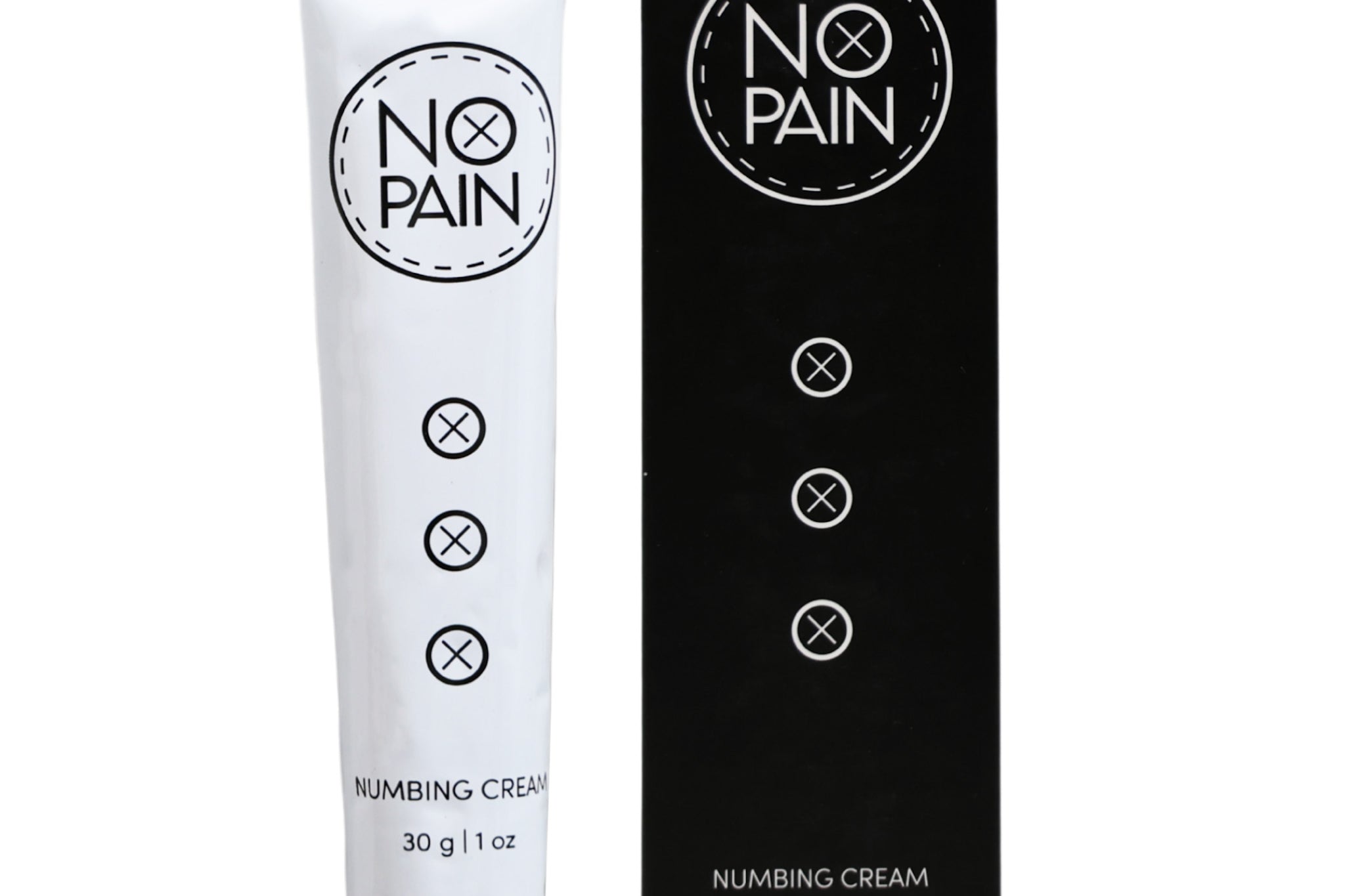
Numbing cream is highly effective for the kneecap and the sides of the knee. The mechanism that makes the knee painful - direct bone contact with minimal tissue in the way - is exactly what lidocaine addresses at the nerve ending level. Apply a thick layer across the entire kneecap and the surrounding knee area, cover with cling film, and wait 90 minutes. The surface pain from the needle drops considerably, and the involuntary flinch reflex from the peroneal nerve is reduced (though not eliminated entirely, since the reflex arc bypasses the brain). Most people going into a kneecap session numbed describe steady pressure and vibration rather than the sharp, flinch-inducing quality of the un-numbed experience.
The kneecap is a large surface to cover. Use enough cream to create a thick, even layer across the whole zone - don't thin it out trying to stretch the tube. The cling film needs to stay in full contact with the skin for the cream to absorb properly.

Maximum strength formula in a thick, slow-absorbing base. Apply across the full kneecap and surrounding area under cling film 90 minutes before your session. Takes the grinding bone-contact pain down to something you can hold still through. Formulated at Historic Tattoo in Portland.
For large knee pieces that run three hours or more, a single application of cream will start to fade well before the session is over. A numbing spray applied mid-session by your artist on the already-worked skin extends the coverage through the later passes - which are the hardest ones, when you are fatigued and the knee is already swollen.

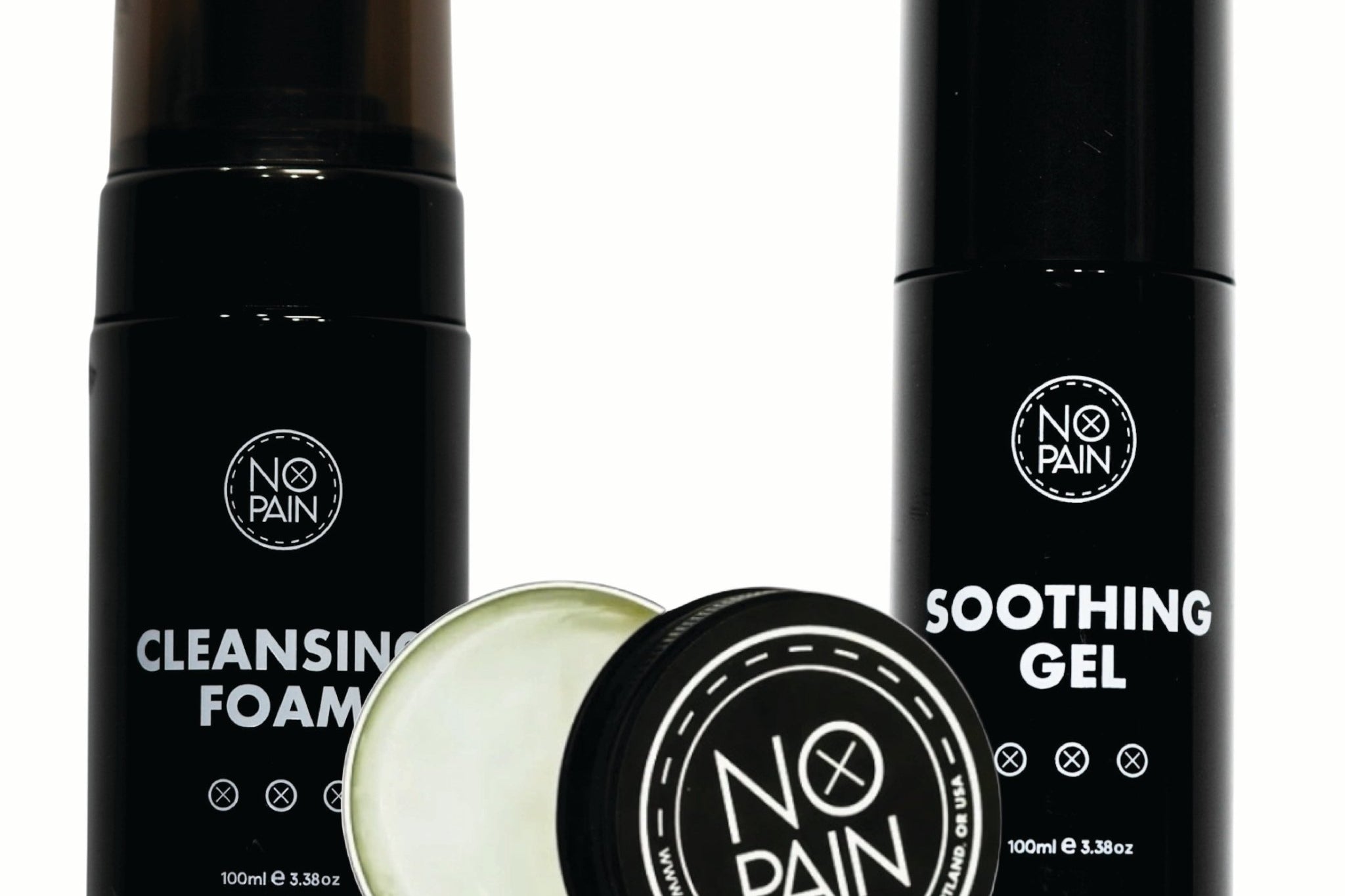
Pre-session cream plus numbing spray your artist applies mid-session on broken skin. For a full kneecap piece or any session running more than two hours, the spray carries you through the later passes when the cream has faded and fatigue is setting in. Formulated at Historic Tattoo in Portland.
Healing a Knee Tattoo
The knee is one of the harder placements to heal because you cannot stop using it. Every step bends and extends the knee, which means the healing skin over the kneecap is in constant motion from the first day. The peeling layer gets disturbed before it is ready to come away cleanly, and ink that has not fully settled into the dermis gets pulled up with it. Patchy heals and ink fallout are common with knee tattoos, and they are almost always mechanical rather than a sign that something went wrong.
Swelling is the first challenge. The knee joint responds to trauma with significant edema, and a freshly tattooed knee can swell enough to make bending uncomfortable for the first two to three days. Keeping the leg raised when you sit or lie down - propped on a pillow above hip level - reduces the fluid buildup and speeds up the early phase. Ice on the surrounding area (not directly on the tattoo) helps with the swelling as well.
Clothing friction is the other constant aggressor. Pants, leggings, and compression wear all rub against the healing kneecap with every step. For the first week, loose-fitting shorts or a skirt over that leg keeps the fabric off the tattoo. If the weather or your situation requires pants, a non-stick dressing between the clothing and the tattoo prevents direct abrasion. Tight jeans against a healing knee tattoo for eight hours a day will disrupt the surface and affect how the piece heals.
After the surface peels - usually two to three weeks - the knee continues to settle for another four to six weeks. Touch-ups are common and expected for knee work; the movement and friction make a perfectly even first heal unlikely. The placement and healing guide has more detail on what to expect across the full arc.
Frequently asked questions
How painful is a knee tattoo?
9 to 10 out of 10 on the kneecap, which puts it among the most painful placements on the body. The patella is a wide, flat bone with virtually no fat or muscle over it - the needle is working millimeters from bone on every pass, and the vibration grinds through the joint rather than dispersing. The sides of the knee are 8 to 9. The back of the knee (knee ditch) is also 9 to 10 but produces a different, more nerve-centered sensation. The other factor that makes knee tattoos unusually hard is the hold: you have to keep your leg completely still for the duration, which takes real effort as the session goes on.
What does a knee tattoo feel like?
Most people describe the kneecap as a grinding or drilling sensation - a hard, bone-conducted vibration that rattles up through the joint with every pass. It does not have the electric, nerve-pain quality of the inner bicep or the knife-edge sharpness of the ribs. It is more percussive and relentless. The sides of the knee feel sharper. The popliteal fossa (back of the knee) is a different experience entirely - more of a hot, electric nerve pain. On the kneecap specifically, the pain does not plateau the way it does on some placements; it stays at a consistent high level from start to finish.
Can you use numbing cream for a knee tattoo?
Yes, and it works well here. Apply a thick layer across the full kneecap and the surrounding area, cover with cling film, and leave it for 90 minutes before your appointment. The thin skin absorbs lidocaine efficiently, and the cream targets the nerve endings responsible for the sharp surface pain and the flinch response. It does not eliminate the bone vibration entirely - that is a physical event - but most people report it brings the experience down to a manageable pressure rather than a flinch-inducing grind. For sessions over two hours, use the bundle so your artist has spray to extend coverage mid-session.
Why do people flinch or twitch during knee tattoos?
The common peroneal nerve runs along the outer edge of the knee just under the skin. When the needle works near it, it can fire involuntarily - producing a leg kick or twitch that is a spinal reflex, not a conscious response. You cannot stop it by trying to hold still; it bypasses the brain entirely. Numbing cream reduces the stimulus that triggers it, which is why artists who do knee work often recommend going in numbed not just for comfort but because the reflex makes clean linework difficult when it fires mid-pass.
How long does a knee tattoo take to heal?
Surface peeling is done in two to three weeks, but the healing arc is longer and patchier than most placements because the knee moves constantly. Swelling in the first two to three days is significant - keep the leg raised and avoid bending it more than necessary. The first week is the most critical for keeping clothing off the tattoo and washing gently. Full dermal settlement is six to eight weeks. Touch-ups are common and expected; most knee pieces need at least one follow-up session to fill in spots where ink lifted during the heal.
Is a knee tattoo harder to heal than other placements?
Yes, it is one of the harder heals on the body. The combination of constant joint movement, significant post-session swelling, and ongoing clothing friction creates a set of conditions that disrupts the healing surface more than almost any other placement except the hands and feet. The kneecap skin stretches every time you take a step. That mechanical stress on fresh healing tissue is unavoidable. Loose clothing over the knee, keeping the leg raised in the first few days, and gentle washing help, but some degree of ink fallout and patchiness in the first heal is normal for this placement regardless.
Sit Still. Finish the Piece.
The knee demands stillness that is hard to maintain through hours of grinding bone pain. Maximum strength numbing cream takes the sharp surface sensation down far enough to hold your leg steady - which means cleaner lines and less total session time.
Shop Numbing Cream →Formulated at Historic Tattoo in Portland, Oregon.