


If you've already looked into spine tattoo pain, you know what you're signing up for. It's brutal, the vibration is its own separate thing, and the sessions are long. You can read the full pain breakdown in our spine tattoo pain guide. This isn't that.
This is the operational guide. How to find the right artist. How to think about your design. What the vibration actually is and how to work with it. How to structure your sessions. How to heal a tattoo that runs down the middle of your back and is genuinely difficult to reach. The stuff people wish they'd known before they started.
In this article
- Finding the right artist
- Design considerations
- Understanding the vibration
- Session strategy
- Numbing for a long project
- Healing a spine tattoo
- Frequently asked questions
Finding the Right Artist
This matters more for the spine than for almost any other placement. The spine demands absolute symmetry and clean, precise line work. If a design runs straight down the vertebral column and drifts even slightly to one side, it's visible immediately and difficult to correct. An artist who does great work on the outer arm or thigh doesn't necessarily have experience with the specific challenges of working down a spine.
Look for artists who have a portfolio of completed spine pieces, not just in-progress shots. Healed photos tell you much more than fresh work - you can see how the symmetry held, whether fine lines stayed crisp, and how the ink settled over the curvature of the back. A piece that looks stunning when fresh can drift or soften at the center if the artist wasn't working precisely on the bone.
Ask directly whether they've done full-length spine work and how they handle the client positioning and movement during the session. An experienced spine artist will have a clear answer and probably opinions about setup. An artist who hasn't done much of it will be vaguer. That conversation tells you what you need to know.
Design Considerations
The spine is a long, narrow canvas that curves differently across its length. The natural S-curve of the spine means that a design that sits perfectly on a flat sheet of paper won't automatically translate correctly to the body without adjustment. Good spine artists account for this in the stencil placement - worth confirming that your artist does a careful positional check before committing the stencil.
Length is the biggest planning decision. A piece that runs from the base of the neck to the tailbone is covering four distinct pain zones with different intensity levels and different healing behaviors. Many people start with a shorter piece covering one or two sections and extend later. That's a completely valid approach and lets you understand what the placement is actually like before committing to the full length.
Bold designs with clear lines survive better on the spine than extremely fine or delicate work. The back skin moves constantly with posture, sleep, and daily activity, and fine detail in the center-back area can soften over years in a way it wouldn't on a more stable surface. Designs with heavier line weights and strong contrast tend to age well here.
Understanding the Vibration
The vibration is the part of a spine tattoo that catches people off guard the most, even people who've been heavily tattooed elsewhere. The tattoo machine running along or near the vertebrae sends a resonance through the spinal column that you feel in your chest, your sides, your hips - not just at the skin surface. It's not pain exactly. It's something more specific and harder to describe until you've experienced it.
The key to managing it is not trying to brace against it. Tensing your back muscles in response to the vibration makes it worse and makes you harder for the artist to work on. The people who get through spine sessions most successfully tend to be the ones who consciously let the vibration happen rather than fighting it.
Slow, deliberate breathing helps more here than in most other placements. Not because it reduces pain - it doesn't, not directly - but because a breathing pattern gives your nervous system something to focus on other than the vibration, and it keeps your back muscles as relaxed as possible. Breathe in slowly on the count of four, out on the count of four. Do this before the session starts so it's already a rhythm you're in when the needle hits.
The tailbone and the upper thoracic area near the base of the neck are the most intense sections for both pain and vibration. If your artist can sequence those sections earlier in a session when you're freshest, it's worth asking about.
Session Strategy
Most spine tattoos require multiple sessions. How you structure them matters for how the overall project goes.
Longer sessions - four to six hours - are more efficient than shorter ones because each session requires setup, stencil checking, and a startup phase where the artist is orienting to where they left off. But longer sessions also mean more fatigue, and the second half of a long session is harder to sit through than the first. Know your own limit honestly before committing to session length.
Give the skin adequate recovery time between sessions. Three to four weeks minimum, and longer for sections that were worked intensively. Returning to recently traumatized skin too quickly increases bleeding, reduces ink retention in that area, and makes the session harder for both you and the artist. A slower overall timeline produces better work.
Track which zones felt hardest in each session and tell your artist at the start of the next one. Good spine artists adjust their sequencing based on this. If the sacrum was your breaking point in session two, that's useful information for planning session three.
Numbing for a Long Project
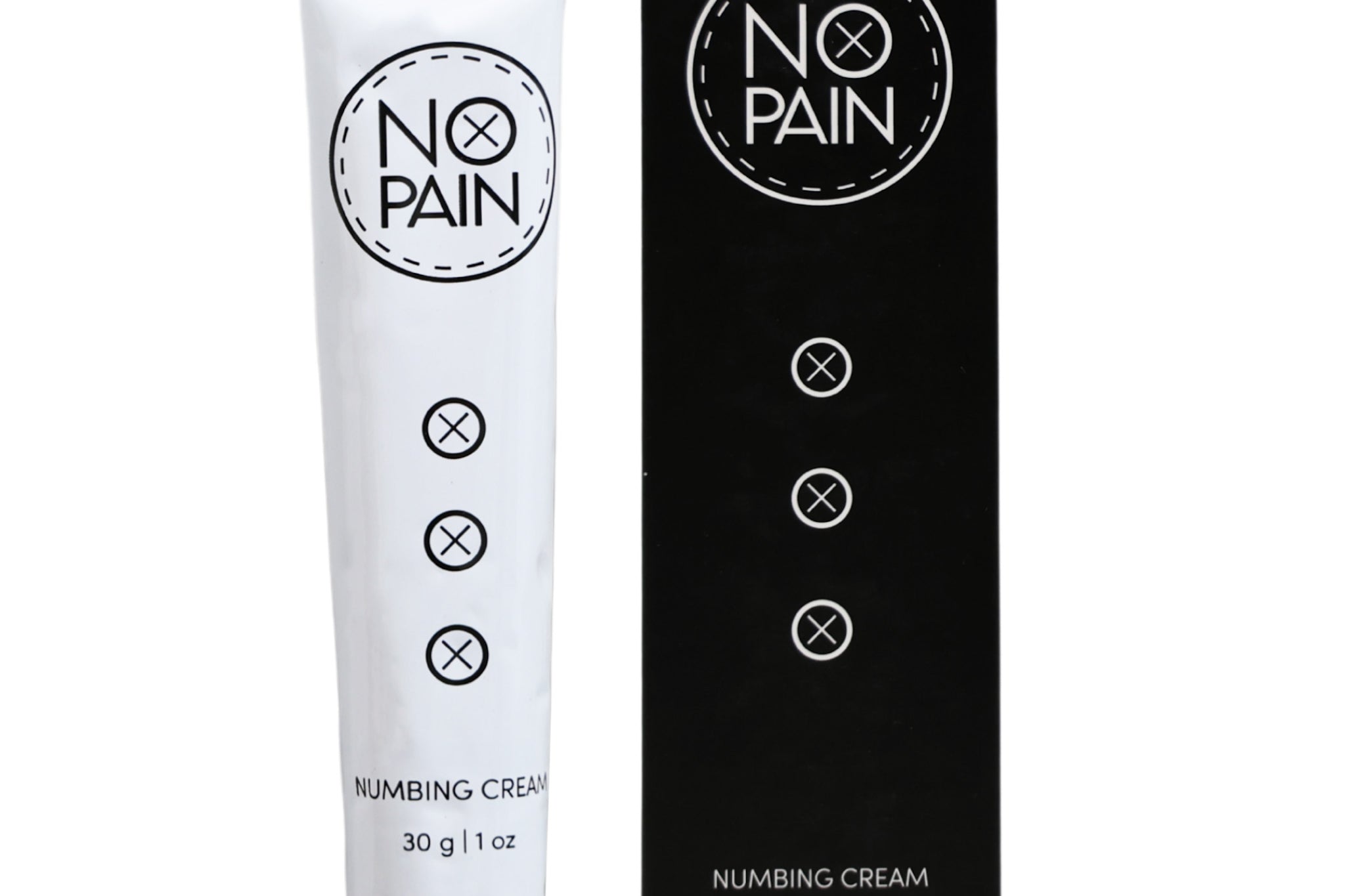
Pre-session numbing cream handles the opening hours of any session. Apply it to the area your artist plans to start on that day, 60 to 90 minutes before you sit down, cover with plastic wrap, and arrive already numbed. That takes the worst of the initial passes down to manageable and gives you a real buffer for the hardest bone-contact sections.
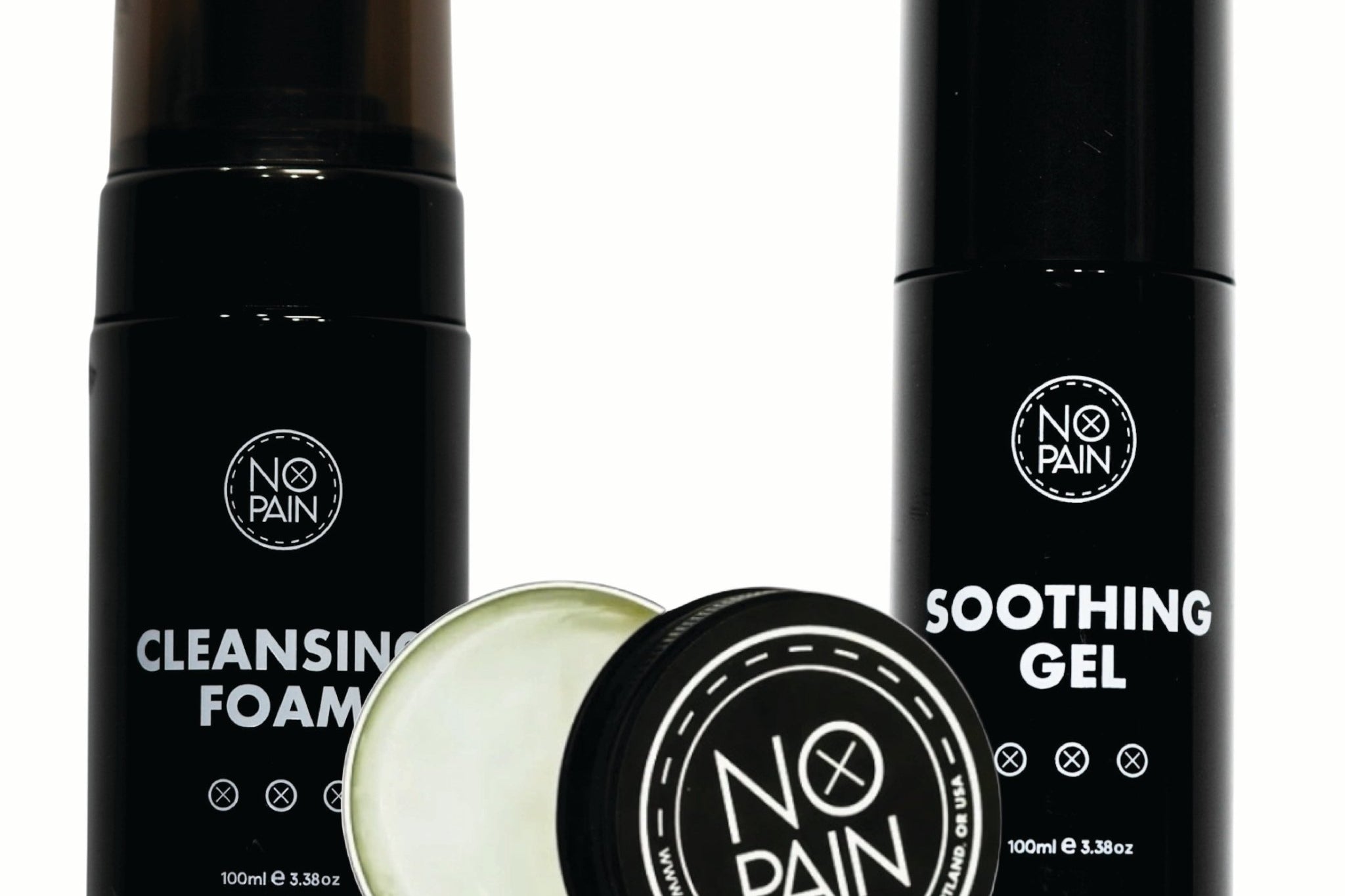
For sessions running past the two-hour mark, a secondary numbing gel that your artist applies directly to broken skin mid-session extends the comfort window into the back half of the appointment. The opening adrenaline response has worn off by hour two, the skin is inflamed, and pain tolerance is lower. Having a mid-session option available means you're not grinding through the hardest zones on willpower alone.

Maximum strength formula in a thick, slow-absorbing base that stays active longer than thin creams that wear off mid-session. Apply to the section being worked 60 to 90 minutes before you sit down, cover with plastic wrap, and arrive already numbed. Brings the opening hours of a spine session from brutal down to manageable. Formulated at Historic Tattoo in Portland.

Pre-session numbing cream plus secondary numbing gel your artist applies mid-session on broken skin to re-numb and keep going. Together they cover a full session from first pass to last. For a spine piece running multiple hours per sitting, bring both to every appointment. Formulated at Historic Tattoo in Portland.
Healing a Spine Tattoo
The spine is one of the more logistically complicated placements to heal, for a simple reason: you can't see it or reach it easily. Most people need another person's help for cleaning and applying aftercare product for at least the first week, ideally longer. Plan for that before you go in, not after.
Sleep on your stomach or your side for the first two weeks. Sleeping on your back puts direct pressure on the fresh tattoo for hours at a time, which interferes with healing and can cause the tattoo to stick to your sheets. If you're a back sleeper, a body pillow on either side can help you stay off your back through the night. Loose, soft fabric on the bed surface matters too - anything rough or textured that could catch on the peeling skin during the night works against you.
Clothing is the other practical issue. Anything with a seam, tag, or tight band running across the spine will create friction against the healing tattoo all day. Loose tops, soft fabrics, and nothing fitted across the back for the first two weeks. Bra straps directly over a fresh mid-back piece are a specific problem for anyone who wears them - a strapless or stick-on option for the healing period is worth planning for.
The full length of the spine heals at different rates. The upper thoracic section tends to heal faster than the lower back near the sacrum, which stays warmer and gets more friction from waistbands and sitting. Don't assume the whole piece is healed because the upper section looks done. Check each section individually before returning to any activity that presses against the lower back.
Avoid anything that stretches or compresses the back intensively during the healing period. Heavy lifting, yoga, swimming, and exercises requiring significant spinal flexion should all wait until the surface is fully closed, typically three to four weeks out.
Frequently asked questions
How do I find a good artist for a spine tattoo?
Look specifically for artists with healed spine work in their portfolio. Fresh photos don't tell you whether the symmetry held or how the lines settled. Ask directly whether they've done full-length spine pieces and how they handle positioning and stencil placement for the spinal curve. An artist experienced with spine work will have a clear approach to these details. One who hasn't done much of it will be less specific. That conversation is a reliable filter.
How many sessions does a spine tattoo take?
Varies considerably based on design length and complexity. A short piece covering the upper or lower spine might be completed in one or two sessions. A full-length piece running from the neck to the tailbone can take four to eight sessions or more depending on detail level and how long you can sit comfortably each time. Most artists work in four-to-six-hour sessions for spine work and recommend three to four weeks of recovery between sittings.
Why does a spine tattoo vibrate so much?
The tattoo machine running near the vertebrae sends resonance through the spinal column itself, which you feel across your torso. It's the same phenomenon you'd get tattooing near any bone, but the spine is long and central enough that the vibration travels further and registers in more places at once. Some people find the vibration harder to manage than the pain itself. Relaxing rather than bracing against it helps significantly, as does slow deliberate breathing that keeps the back muscles loose.
How do you sleep after a spine tattoo?
On your stomach or side for at least the first two weeks. Back-sleeping puts sustained pressure on the fresh tattoo for hours at a time, interferes with healing, and risks the tattoo sticking to the fabric. A body pillow can help you stay off your back through the night if that's your natural sleeping position. Use soft, loose fabric on your bed surface and avoid anything textured that could catch on the peeling skin.
Can I work out after a spine tattoo?
Light walking is fine from day one. Anything that significantly compresses, stretches, or loads the spine should wait until the surface is fully healed, typically three to four weeks. That includes heavy lifting, yoga, swimming, rowing, and most gym work involving back extension or flexion. The risk isn't just pain - it's that intense back activity during healing increases friction over the tattoo and raises the chance of premature peeling and ink loss. When in doubt, wait an extra week.
When does a spine tattoo fully heal?
Surface healing typically takes three to four weeks, though different sections of the spine heal at different rates. The lower back near the sacrum often takes longer than the upper back. Full dermal healing, where the ink is completely settled into the deeper skin layers, takes two to three months. The tattoo may look slightly faded or cloudy during the first month as the outer layers heal over the ink - that's the normal milky phase and resolves on its own.
Every Session, Covered
Pre-session cream for the opening hours. Mid-session gel so your artist can re-numb and keep working. The Comfort Bundle is what spine collectors bring to every appointment.
Shop the Comfort Bundle →Formulated at Historic Tattoo in Portland, Oregon.