
If you've noticed your tattoos seem to hurt more at certain points in the month, you're not imagining it. Hormonal fluctuations across the menstrual cycle genuinely affect pain sensitivity, and timing your appointment is one of the more underrated things you can do to make a session easier.
How Hormones Affect Pain
Estrogen and progesterone don't just regulate the reproductive cycle. They interact directly with the nervous system and influence how your body processes pain signals. Research on pain and the menstrual cycle consistently shows that sensitivity varies across the month, and the variation can be meaningful.
The general pattern:
- Menstruation (days 1-5 approximately): Prostaglandins, which drive uterine contractions, also cause systemic inflammation. Pain sensitivity is typically elevated. This is when cramps are worst for those who have them, and it also tends to be a higher-sensitivity window for external pain like tattoos.
- Follicular phase (days 6-13): Estrogen rises. Pain tolerance generally improves. Many people find this to be the most comfortable window for physically demanding experiences.
- Ovulation (around day 14): Estrogen peaks and then drops sharply. For some people, this sharp drop causes a brief dip in pain tolerance.
- Luteal phase (days 15-28): Progesterone rises. Pain sensitivity tends to increase again, especially in the late luteal phase as both estrogen and progesterone drop toward the next cycle.
What This Means for Tattoo Timing
For most people, days 6 to 12 of the cycle tend to be the most favorable window for pain tolerance. If you have flexibility in booking, mid-follicular is generally your best bet.
The days to avoid if you want to minimize discomfort: the first few days of menstruation, when inflammation is highest, and the late luteal phase, when hormones are dropping and many people experience more systemic sensitivity.
That said, individual variation is large. These are tendencies, not guarantees. Some people feel no difference across the month. Others have a very pronounced pattern. If you pay attention to your own cycle, you likely already have a sense of when you feel more physically resilient versus more raw.
Does Getting a Tattoo on Your Period Cause Any Other Problems?
Pain sensitivity aside, there are a few other things worth knowing:
Bleeding: Prostaglandins can cause slightly increased blood flow, including at the tattoo site. This is usually minor and not a clinical concern, but it can mean your artist has to wipe more frequently. It won't ruin the tattoo.
Skin sensitivity: Some people find their skin is more reactive during menstruation. Redness and irritation may be slightly more pronounced. Again, this doesn't typically affect the outcome, but it's worth being aware of.
Energy and mood: If you're already dealing with significant fatigue or mood symptoms, adding a long tattoo session to that day is a quality-of-life consideration, separate from the pain question. A 4-hour rib tattoo on day 2 of a difficult cycle is a lot to take on.
Should You Cancel or Reschedule?
Not necessarily. If your appointment falls during your period and rescheduling is a hassle, the answer for most people is: go, and prepare accordingly. Eat well beforehand, hydrate, bring snacks, communicate with your artist about breaks, and consider a numbing cream if you don't usually use one. The difference in preparation can offset a lot of the hormonal sensitivity difference.
If you have a choice, schedule the appointment for your mid-follicular window and you'll likely have a more comfortable experience. But don't cancel over it.

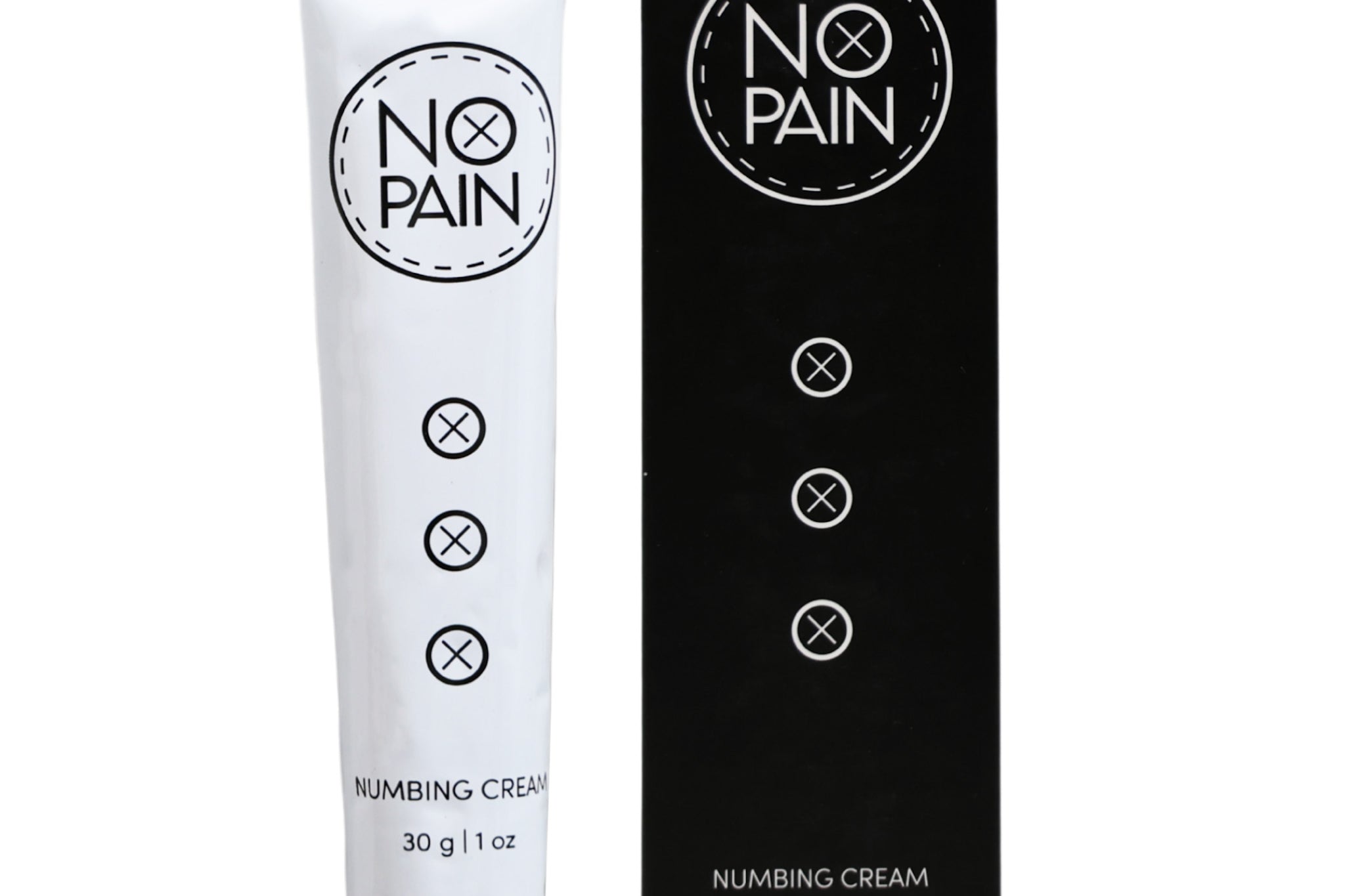
No Pain Tattoo Numbing Cream
If your appointment lands in a higher-sensitivity window, a numbing cream gives you a buffer. Apply 45 minutes before your session.
Shop Numbing Cream →The Bottom Line
Your menstrual cycle does affect how much a tattoo hurts, and the effect is real enough to be worth considering when you book. Mid-follicular (roughly days 6 to 12) tends to be the sweet spot for pain tolerance. Menstruation and the late luteal phase tend to be harder. If you have flexibility, use it. If you don't, prepare well and go anyway.