


The minimum is two weeks, and four weeks is safer. That is the honest answer regardless of which body of water you are asking about. A fresh tattoo is an open wound that is actively healing through several stages: the peeling phase does not mean it is done, and the skin underneath is still vulnerable to contaminated water for weeks after the surface looks fine.
The timeline varies by water type, and the risks are different for each. Here is what you actually need to know.
In this article
- Week-by-week swimming timeline
- Risk by water type: pool, ocean, bath, hot tub
- Why water damages a healing tattoo
- How to tell when you are ready to swim
- What to do if you swam too soon
- How to heal faster
- Frequently asked questions
Week-by-Week Swimming Timeline
Week 1: No water at all except showering
The tattoo is actively weeping plasma and excess ink. The skin surface is open, raw, and beginning to form the protective layer that will eventually seal the wound. Swimming in week one is not a close call: the infection risk is severe and ink loss is almost guaranteed. Showering is fine; keep the tattoo out of the stream, wash it gently, and pat dry. No baths, no pools, no ocean, no hot tubs.
Week 2: Still no swimming; surface healing is not full healing
By the second week the tattoo is peeling and may look nearly healed on the surface. This is the most important misconception to correct: surface peeling does not mean the skin underneath is closed. The deeper dermal layers are still regenerating, and submersion during this phase pulls moisture into the wound in a way that lifts scabs, leaches ink, and opens the door for bacterial infection. Continue showering only. No submersion of any kind.
Weeks 3–4: Pools and oceans still off limits; some flexibility on baths
Most tattoos complete their surface healing between weeks two and three. By weeks three to four the skin is no longer peeling and the texture has returned to something close to normal. At this point a short bath is lower-risk than a pool or ocean, because tap water carries far fewer pathogens than chlorinated pool water or open water. However, pools and the ocean should still be avoided until four weeks at minimum, and longer for larger pieces or slow healers.
After 4 weeks: Swimming is generally safe when these conditions are met
At four weeks the vast majority of tattoos are fully surface-healed and the deeper skin has closed sufficiently to handle submersion. Before you get in, verify the conditions in the readiness checklist below. If any of those are not met, wait another week.
Risk by Water Type
Swimming pools: moderate-high risk
Chlorine is the main issue. It is a chemical irritant that strips moisture from healing skin, causes inflammation, and can pull pigment from a tattoo that is not fully sealed. Pool water also carries bacteria that chlorine does not fully eliminate, particularly in busy public pools where chemical levels fluctuate. The combination of chemical irritation and pathogen exposure makes pools one of the more damaging environments for a healing tattoo, even though they appear clean.
Ocean and open water: highest risk
Natural bodies of water contain bacteria, fungi, and microorganisms that a healing tattoo wound is completely unequipped to handle. Salt in ocean water draws moisture out of the wound and can fade ink before it has settled. This is the environment where serious infections originate, and the consequences can extend well beyond the tattoo itself. The ocean is the last place to return to: wait the full four weeks minimum, and longer in warm or tropical water where bacterial counts are higher.
Hot tubs: highest risk of all
Warm, recirculating water is an ideal environment for bacteria to multiply. Hot tub chemical levels are harder to maintain than pools, and the heat increases both circulation and skin permeability, meaning whatever is in the water gets in faster. Hot tubs should be treated as completely off limits until the tattoo is fully healed: at least four weeks, more realistically six.
Your own bath: lowest risk, but still not week-one safe
Tap water is not sterile, and soaking any wound (including a healing tattoo) for an extended period causes the skin to absorb water in a way that softens scabs and can pull ink out with them. A bath is significantly lower-risk than a pool or ocean, but it is not zero-risk. Avoid baths for the first two weeks. Brief baths in weeks three and four are lower-stakes than any other swimming option, as long as you are not soaking for more than a few minutes.
Why Water Damages a Healing Tattoo
A tattoo works by depositing ink into the dermis, the second layer of skin below the surface. Getting there requires puncturing the epidermis thousands of times across the tattooed area. What you see healing over the weeks after your appointment is primarily the epidermis regenerating. But the dermis underneath is also in a state of active repair, and it remains more porous and vulnerable than intact skin for the full healing duration.
Water exposure during this period causes three distinct types of damage. First, osmotic pressure draws water into the wound and disrupts the ink-holding structure of the dermal cells, which is how soaking causes fading and patchiness. Second, the moisture softens any scabbing or peeling skin and causes it to detach prematurely, taking ink with it. Third, any bacteria or pathogens in the water gain direct access to the wound through the still-open channels the needle created. The result can be anything from minor irritation to a genuine skin infection requiring medical treatment.
How to Tell When You Are Ready to Swim
Before getting in any body of water, all of the following should be true:
The surface is fully healed: no scabbing, no peeling, no flaking skin anywhere on the tattoo. The skin texture has returned to normal: the tattooed area should feel the same as the skin around it, not shiny, tight, raised, or waxy. The tattoo is not tender to the touch: pressing gently on the area should feel the same as pressing on untattooed skin nearby. There is no redness, swelling, or warmth around the edges.
If any of these conditions are not met, wait another week and check again. There is no prize for getting back in the water faster than the tattoo is ready.
What to Do If You Swam Too Soon
If you got in the water before the tattoo was fully healed, get out as soon as possible and do the following immediately. Rinse the tattoo gently with clean, lukewarm tap water to flush off chlorine, salt, or any other contaminants. Pat (do not rub) the area dry with a clean paper towel or fresh cloth towel. Apply a thin layer of aftercare product to restore the moisture barrier and provide a protective layer over the exposed skin. Watch the tattoo closely over the following days for redness that spreads, swelling that increases rather than decreases, warmth or discharge, or unusual pain. Any of those signs warrants a visit to a healthcare provider, not just a wait-and-see approach.

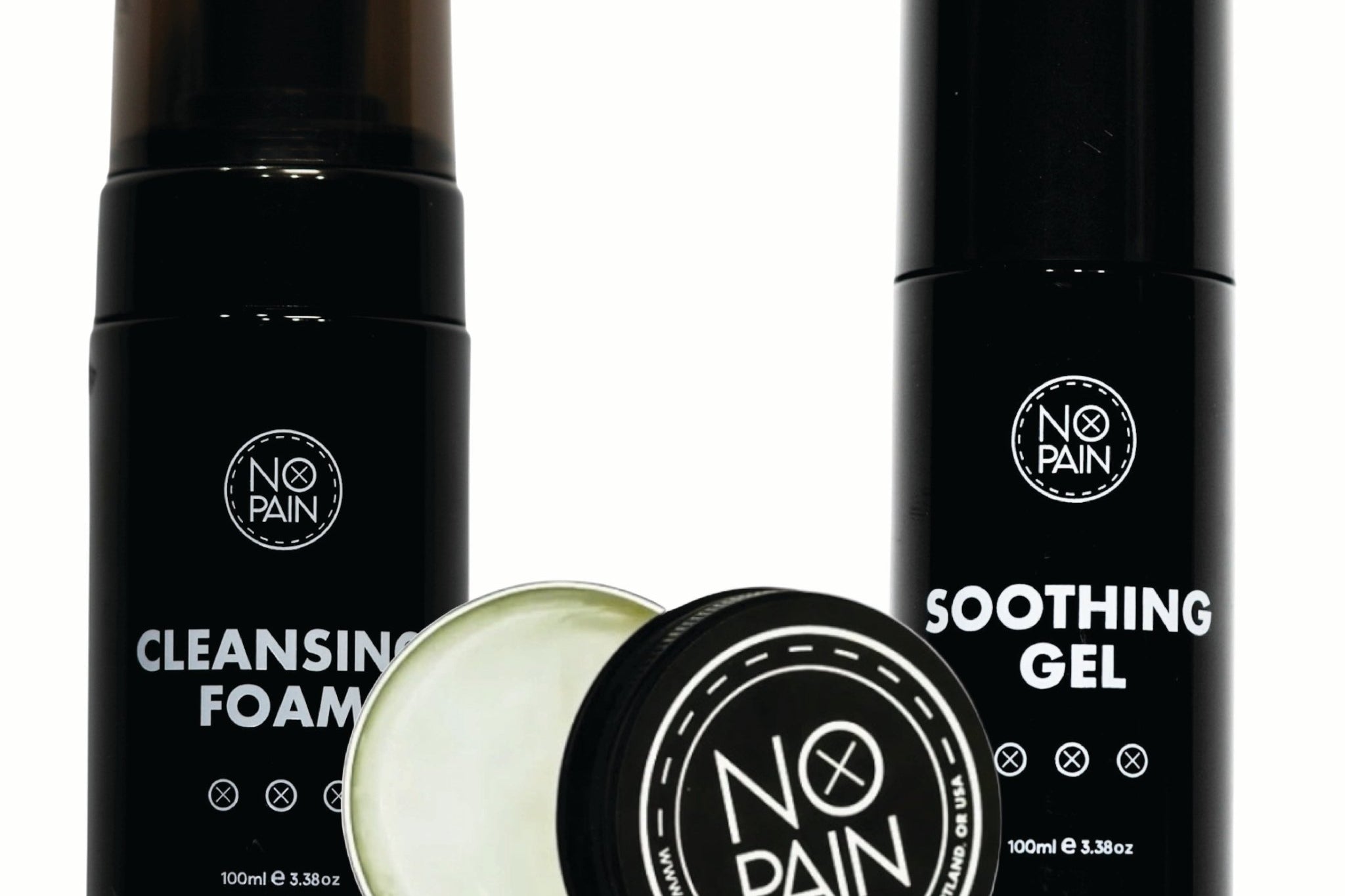
A cooling, water-based gel that restores the moisture barrier without sealing the skin too heavily. Apply after any water contact during healing: whether that is showering, an accidental splash, or a too-early swim. Keeps the area hydrated and helps prevent the dryness that leads to heavy scabbing.
How to Heal Faster
You cannot override your body's healing timeline, but you can avoid the things that slow it down. The two most common causes of extended healing are heavy scabbing from insufficient moisture, and infection from poor hygiene. Both are avoidable.
Wash the tattoo gently twice a day for the first two weeks using a mild, fragrance-free cleanser. Apply a thin layer of aftercare product after each wash: enough to keep the skin from drying out and forming thick scabs, not enough to smother it. Avoid picking or peeling at any scabbing or flaking skin. Keep the tattoo out of direct sun while healing, which both extends the healing time and causes premature fading. Wear loose clothing over it rather than anything that creates friction or holds heat against the skin.

Soothing Gel for the first days when the skin is raw and weeping, Aftercare Balm for the peeling phase when the skin needs deeper moisture without clogging. Together they cover the full healing window and give the tattoo the best chance of healing cleanly, which means getting back in the water on schedule rather than later.
Frequently asked questions
How long after a tattoo can you swim?
Two weeks is the minimum, four weeks is the standard recommendation, and some tattoos, particularly large pieces, those in high-friction locations, or those that healed with heavy scabbing, need longer. The determining factor is not a fixed number of days but whether the tattoo has completed its full surface healing and the skin texture has returned to normal. Swimming before that point risks infection, ink loss, and patchy healing regardless of how many days have passed.
Can you swim with a new tattoo after one week?
No. At one week most tattoos are still actively peeling or scabbing and the dermal layers are far from closed. Even if the surface looks better than expected, the skin underneath is not ready for submersion. Chlorine, salt water, and the bacteria in natural water can all cause serious damage at this stage, including infection serious enough to require medical attention. Wait until at least week two before any water contact beyond showering, and do not swim before week four.
Can you go in a pool after a tattoo with a waterproof bandage?
No. Waterproof bandages like Saniderm are water-resistant for showering, not designed for full submersion. The pressure and movement of swimming breaks the seal at the edges, allowing pool water to get trapped between the bandage and the tattoo, creating a warm, wet environment that is actually more dangerous than swimming uncovered. There is no shortcut to the waiting period.
What happens if you swim too soon after a tattoo?
The risks range from minor to serious depending on when you swam and for how long. Minor outcomes include ink fading, patchiness, or irritation from chlorine or salt. More serious outcomes include bacterial infection, which presents as increasing redness, swelling, warmth, and discharge in the days following exposure. In worst cases, open-water bacteria can cause infections that require antibiotics or medical treatment. If you swam too soon, rinse the tattoo immediately with clean water, apply aftercare, and monitor it closely for signs of infection.
Is it okay to go in the ocean after a tattoo heals?
Yes, once the tattoo is fully healed (no scabbing, no peeling, normal skin texture, no tenderness) ocean swimming is fine. Healed tattoo ink is stable in the dermis and is not affected by salt water in the same way a healing wound is. The caveat is long-term sun exposure at the beach: UV light fades tattoo ink over time, so applying a high-SPF sunscreen to the tattooed area is worth doing consistently once it is healed.
How can you speed up tattoo healing to swim sooner?
You cannot meaningfully accelerate the biological healing process, but you can avoid the things that slow it down. The most common causes of extended healing are thick scabbing from under-moisturizing, infection from poor hygiene, and mechanical damage from picking at the skin. A consistent aftercare routine (gentle washing twice a day, thin application of a good aftercare product after each wash, no scratching or picking) gives the tattoo the best conditions to heal on schedule. Staying out of the sun during healing and wearing loose clothing over the area also help.
Heal Clean, Get Back in the Water on Schedule
The right aftercare routine is the fastest path to a fully healed tattoo. Soothing Gel for the first week, Aftercare Balm for the peeling phase, everything you need in one bundle.
Shop the Aftercare Bundle →Free shipping on orders over $35.