

The most common version of this question assumes that tattoo ink is the main risk: that pigment will somehow get into breast milk and harm the baby. That concern is largely unfounded: tattoo ink molecules are too large to pass through the skin into the bloodstream in any meaningful quantity. The actual risks are different, and understanding them gives you a clearer picture of what you're actually weighing.
Most medical organizations and tattoo artists recommend waiting until you've finished breastfeeding. That advice is reasonable, and it's worth knowing why before deciding what to do.
In this guide
- The ink question
- The actual risks
- What medical organizations say
- What tattoo artists do
- If you decide to proceed
- When you're done breastfeeding
- FAQ
The ink question
Tattoo ink pigment molecules are large. They're designed to stay in the dermis for decades, and they do. That's why tattoos are permanent. The same molecular size that makes ink stay put also prevents it from easily entering the bloodstream. The amount of pigment that could plausibly reach breast milk is considered negligible by most researchers and clinicians who've looked at the question.
This doesn't mean tattooing while breastfeeding carries zero risk. It means the ink itself isn't the primary concern.
The actual risks
Infection during healing. A fresh tattoo is an open wound that takes two to four weeks to close on the surface and longer to fully heal at depth. During that period, there's a risk of infection from bacteria in the environment or from the session itself. A localized skin infection during breastfeeding means your body is fighting two things at once while already under physical demand. More serious is the theoretical risk from bloodborne pathogens: Hepatitis B, Hepatitis C, and HIV can be transmitted through breast milk. The risk of contracting these from a reputable studio with properly sterilized equipment is very low, but it exists, and for many parents and doctors, that's enough reason to wait.
Physical demand on a postpartum body. Producing breast milk is metabolically intensive, and the postpartum period places ongoing demands on the immune system and the body's repair capacity. Getting a tattoo adds another healing load on top of that. For most people this isn't a serious issue, but it's worth factoring in, especially for larger pieces or if you're already sleep-deprived and physically depleted.
Allergic reactions and their treatment. Allergic reactions to tattoo ink are uncommon, but they do happen. If one occurs, the medications used to manage it (antihistamines, corticosteroids, in serious cases antibiotics) may or may not be appropriate during breastfeeding. That creates a situation where treating a complication becomes more complicated than it would otherwise be.
What medical organizations say
The NHS, La Leche League, and most lactation consultants advise waiting until after breastfeeding has ended before getting a new tattoo. The consistent reasoning is that while the direct risk from ink is low, the infection risk during healing is real enough to warrant caution, and waiting eliminates it entirely.
The CDC and AAP don't have specific published guidance on tattoos while breastfeeding, but the general framework from both organizations for breastfeeding and infection risk supports the conservative approach: avoid unnecessary exposure to potential infection sources during the breastfeeding period.
If you're unsure about your specific situation, your OB or midwife is the right person to ask. They know your health history and can give advice that's actually tailored to you rather than general population guidance.
What tattoo artists do
Most reputable studios ask about pregnancy and breastfeeding on their consent forms. A large number of artists will decline to tattoo a client who is currently breastfeeding, citing both their standard of care and liability concerns. This isn't a universal policy, but it's common enough that you should expect the question and be prepared for a no.
If an artist doesn't ask and doesn't seem to know this is a consideration, that's worth noting about how they operate.
If you decide to proceed
If you've consulted your doctor and decided to go ahead, a few things matter more than they would for a non-breastfeeding client:
Use a studio with demonstrably high hygiene standards: single-use needles opened in front of you, autoclave-sterilized equipment, a clean and organized workspace. This is the standard everywhere, but if ever there was a reason to vet a studio carefully, this is it.
Keep the tattoo away from breast tissue. Beyond any other consideration, the area around the breast and nipple should be avoided while breastfeeding.
Take aftercare seriously. The cleaner the heal, the lower the infection risk. That means consistent washing, appropriate moisturizing, keeping the area out of water, and not picking at any peeling skin.
When you're done breastfeeding
Once you've finished breastfeeding, you can approach a tattoo session exactly like anyone else. The waiting period is a good time to finalize your design, research artists, and get your aftercare supplies ready so you're set from day one.

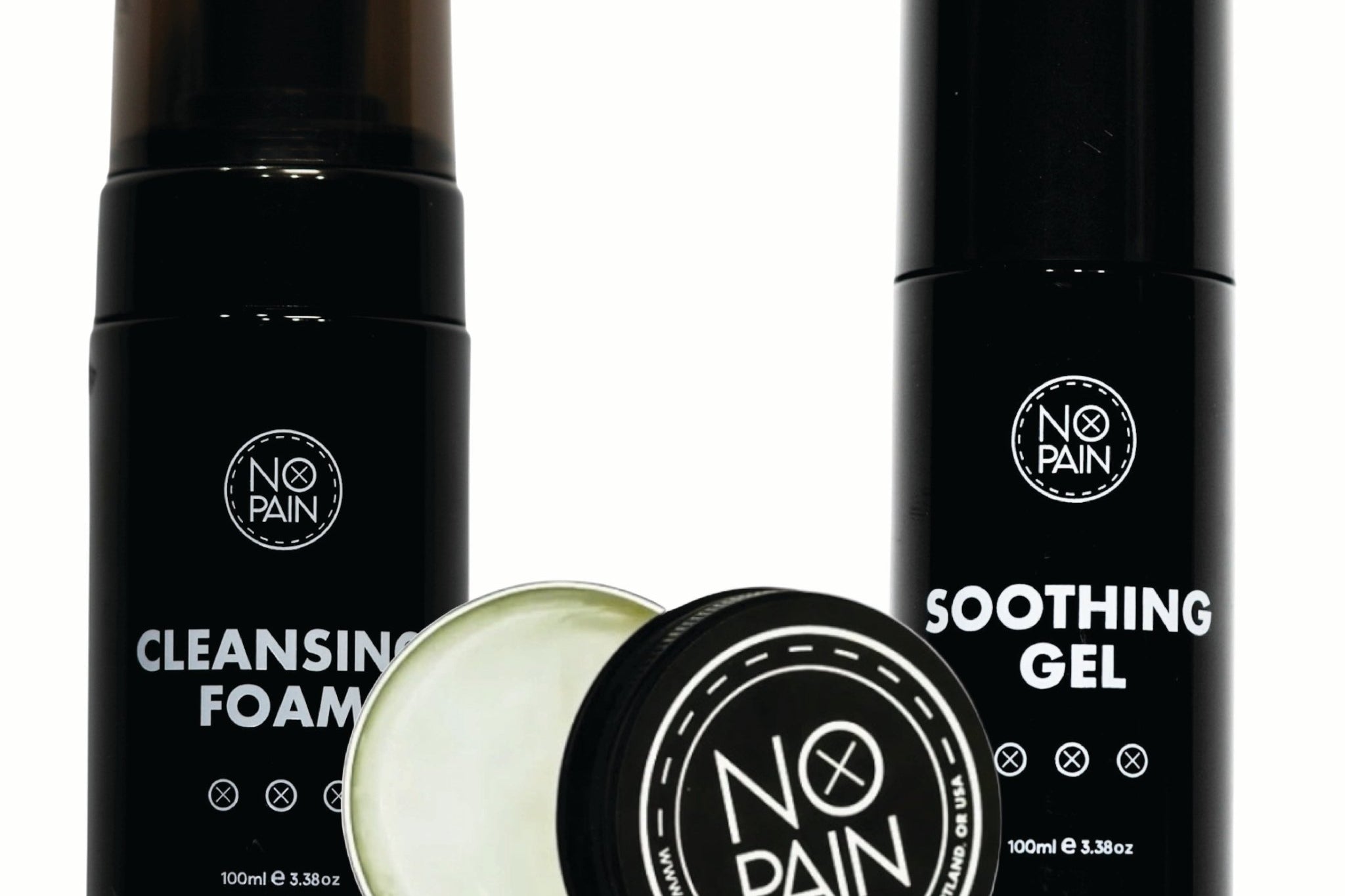
No Pain Tattoo Aftercare Bundle
Soothing gel for the first days of healing, aftercare balm from day two or three onward, and cleansing foam for daily washing. Everything you need ready to go for when you book your session. Backed by a money-back guarantee.
Shop Aftercare Bundle: $33.60FAQ
Can you get a tattoo while breastfeeding?
Most medical organizations and tattoo artists recommend waiting until you've finished breastfeeding. The concern isn't primarily about ink entering breast milk (the molecular size of tattoo pigment makes that unlikely): it's about infection risk during the healing period, including the low but real risk of bloodborne pathogen transmission via milk if equipment isn't sterile. If you're considering it, consult your doctor first.
Does tattoo ink get into breast milk?
The evidence suggests it's unlikely in meaningful amounts. Tattoo ink pigment molecules are large and designed to stay in the dermis for life, which means they don't easily enter the bloodstream. Research on this specific question is limited, but the current consensus among clinicians is that the pigment itself is not the primary concern when tattooing while breastfeeding.
How long after breastfeeding can you get a tattoo?
There's no fixed medical waiting period once you've fully stopped breastfeeding. The concern is about active infection risk during the healing period while breastfeeding. Once you've weaned, you can book a tattoo session without this consideration. Some people wait a few weeks after their last feed to let their body stabilize; others go ahead sooner. Your doctor can advise based on your specific situation.
Will tattoo artists tattoo someone who is breastfeeding?
Many will decline. It's a common question on consent forms at reputable studios, and a lot of artists have a standing policy of not tattooing clients who are pregnant or breastfeeding. This is about both caution and liability. If an artist doesn't ask about breastfeeding during your intake, that's worth noting when evaluating the studio's standards.
What's the biggest risk of getting a tattoo while breastfeeding?
The main concern is infection during the healing window. A minor skin infection is already a complication; the more serious scenario is exposure to bloodborne pathogens from unsterile equipment, which can be transmitted through breast milk. The risk from a properly run studio is very low, but it's non-zero, and for many parents and clinicians that's enough reason to wait until breastfeeding has ended.
Can you get a tattoo touch-up while breastfeeding?
The same considerations apply to touch-ups as to new tattoos. A touch-up is still a needle procedure on the skin that creates an open wound and requires a healing period. The infection risk isn't meaningfully lower than for a new tattoo, and most artists who won't do a new tattoo on a breastfeeding client will apply the same policy to touch-ups.