


A tattoo touch-up is a short, targeted session to correct or refresh something in a healed piece. That might be a line that healed soft, a patch of color that didn't saturate evenly, or a section the artist wants to revisit once the skin has settled. It's not a full session. For most people it's 15 to 45 minutes, and the overall experience is easier than the original appointment.
Here's what to expect from the process, how the pain compares, and what you need to do to make sure it heals cleanly.
In this guide
- What counts as a touch-up
- Does a touch-up hurt more?
- How long does it take?
- How to prepare
- Healing after a touch-up
- FAQ
What counts as a touch-up
A touch-up addresses something specific in a healed tattoo. Common reasons include:
Lines that healed thinner than intended or lost definition in the peeling phase. Solid fills or color sections that came out patchy or uneven. Small areas where ink didn't hold, which happens more often in high-movement zones like fingers, feet, or elbows. Areas the artist flagged at the end of the original session as likely needing a revisit.
A touch-up is not the same as a rework, which involves redesigning or adding to a piece, or a cover-up, which transforms the original into something new. Touch-ups are corrections, not additions. The scope is narrow and the session is short.
Most reputable artists offer at least one free touch-up within a set window after the original session, typically three to six months, provided the tattoo was cared for correctly. If the issue is from aftercare failure rather than the session itself, that conversation needs to happen with your artist before assuming the fix is covered.
Does a touch-up hurt more?
For most people, no. The overall experience is easier than the original, primarily because the session is so much shorter. You're not building up cumulative rawness over hours. The artist targets one small area, works quickly, and it's done.
That said, the sensation on the specific spot can feel slightly sharper than you remember. Every tattoo deposits ink into the dermis and leaves a small amount of scar tissue as the skin repairs itself. When an artist works over already-healed skin, the needle is passing through that repaired tissue, which can be marginally more reactive than untouched skin. Some people describe it as feeling crisper or more concentrated. Others notice no difference at all.
The short duration overrides everything else. Even if the sensation is a little sharper, it's over in 15 minutes. That's a very different calculation from sitting through four hours of a full piece.
Placement still determines the base level of discomfort. A touch-up on the outer thigh is still easier than one on the inner arm, regardless of healed scar tissue. If your original placement was painful, expect a brief version of the same quality of sensation during the touch-up.
How long does it take?
Most touch-ups run 15 to 45 minutes. Small corrections to a line or a patchy fill section are usually on the shorter end. If the artist is revisiting a larger area or doing more extensive color correction, it can run up to an hour.
Reworks and additions are a different category and can take as long as any other session. If what you're describing to your artist starts to sound like more than a correction, it may be priced and scheduled differently.
The session often includes a few minutes of setup, stencil placement if needed, and a look at the healed piece before starting. The actual tattoo time is usually shorter than you expect.
How to prepare
Prepare the same way you would for any tattoo session. Eat a proper meal beforehand, stay hydrated, wear clothing that gives the artist easy access to the placement, and arrive on time. Even for a short session, these basics affect how your skin responds and how comfortable you are in the chair.
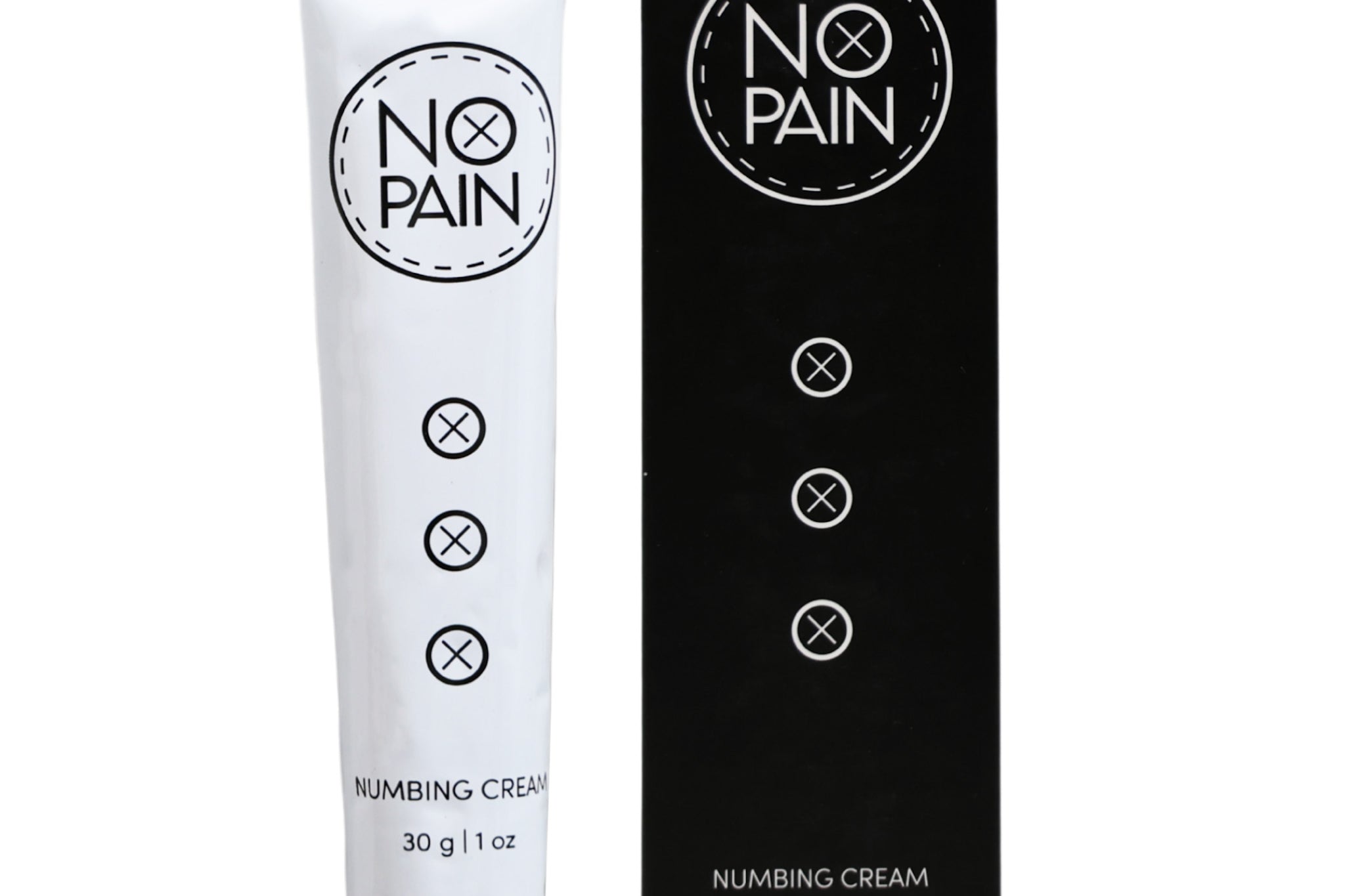
Numbing cream is worth using for a touch-up, particularly if the original placement was uncomfortable or if the touch-up area involves a sensitive zone. Because the session is short, the cream covers the full window easily. Apply 90 to 120 minutes before the appointment under plastic wrap and leave it on until you arrive.

Maximum strength formula with a thick, slow-absorbing base that penetrates deeper and lasts longer than thinner creams. Apply 90 to 120 minutes before your session under plastic wrap. Backed by a money-back guarantee.
Shop Numbing Cream: $30
Tell your artist you've applied numbing cream before they start. It doesn't affect their ability to work, but they like to know.
Healing after a touch-up
A touch-up is a fresh tattoo in a small area. It heals the same way the original did and needs the same aftercare routine. The skin around it is already healed and settled, but the touched-up area will go through the full process: weeping, peeling, and the milky phase before it clears.
Keep the area clean, wash twice a day with a fragrance-free soap, and apply soothing gel after washing for the first days. Transition to aftercare balm around day two or three as the surface begins to peel. The smaller surface area means less weeping and a faster visible heal, but the dermal repair underneath takes the same amount of time regardless of session length.
Don't judge the result during the milky phase. A thin, opaque film over the healing skin makes fresh work look dull or faded for one to two weeks. This is normal and clears on its own. The final result won't be visible until the skin has fully settled, which typically takes three to four weeks for a touch-up.

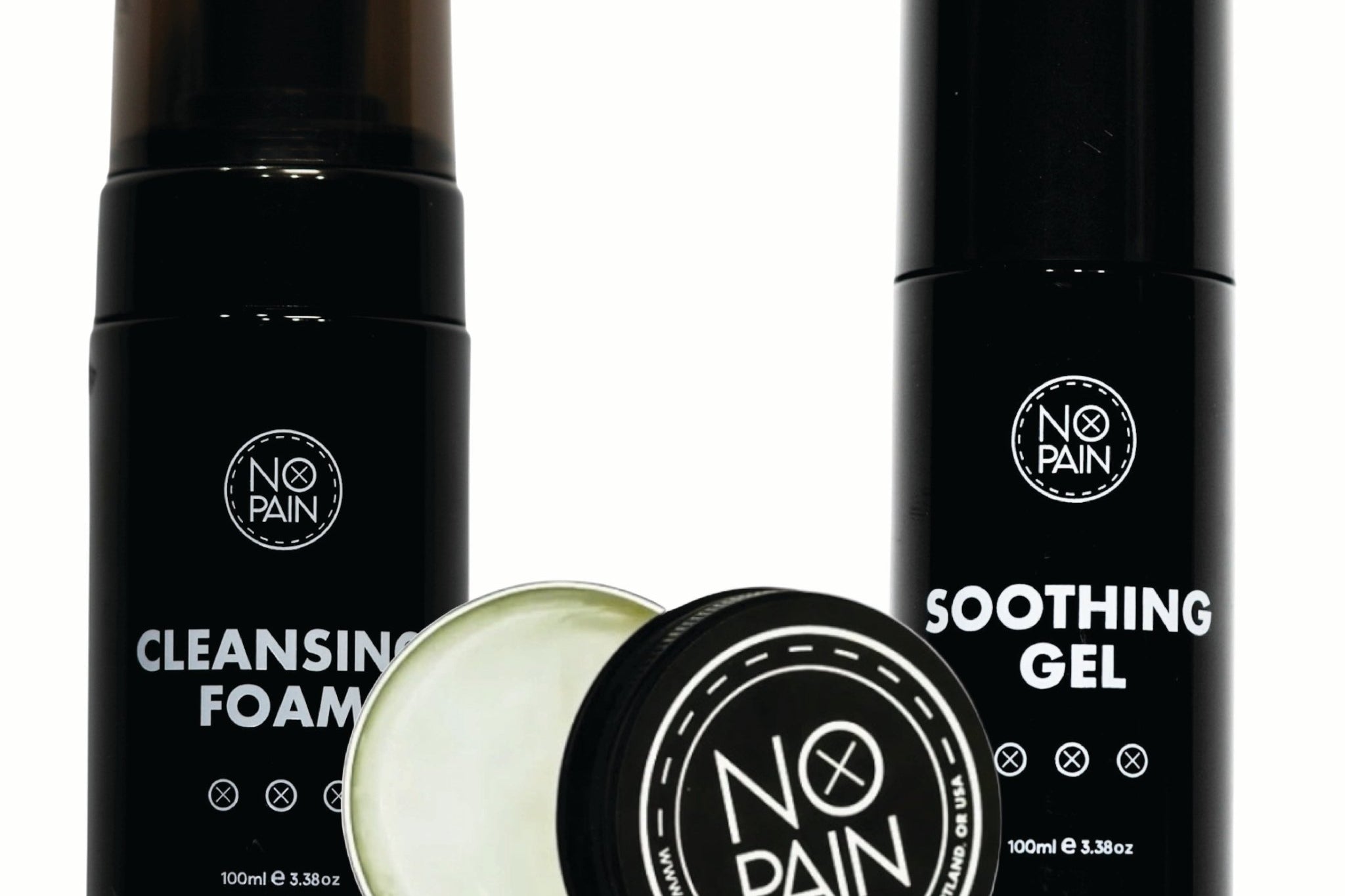
No Pain Tattoo Aftercare Bundle
Soothing gel for the first days, aftercare balm from day two or three, and cleansing foam for daily washing. Everything you need from day one. Backed by a money-back guarantee.
Shop Aftercare Bundle: $33.60FAQ
Does a tattoo touch-up hurt more than the original?
Not typically, no. The sensation on the specific spot can feel slightly sharper because the needle is working over already-healed scar tissue, which can be marginally more reactive than untouched skin. But the session is so much shorter that the overall experience is easier for most people. You're not accumulating hours of rawness. The concentrated nature of the work is what most people notice, not a meaningful increase in pain.
How long does a tattoo touch-up take?
Most touch-ups run 15 to 45 minutes of actual tattoo time, depending on the area being corrected. A single soft line or patchy fill section is usually on the shorter end. More extensive color correction or a larger area can take up to an hour. Reworks or additions that go beyond correcting the original are a different category and may be scoped as a full session.
How do I know if my tattoo needs a touch-up?
Wait until the tattoo is fully healed before assessing, which means at least three to four weeks for surface healing and ideally three months for the dermal layer to settle. The milky phase during weeks one and two makes work look dull or faded, which is temporary. If you're looking at a fully cleared, settled tattoo and there are still patchy fills, lines that healed thin, or sections where the ink clearly didn't hold, that's when to contact your artist.
Can I use numbing cream for a touch-up?
Yes, and it works well for touch-ups specifically because the area is small and the session is short. Apply maximum strength cream 90 to 120 minutes before the appointment under plastic wrap. The numbing window comfortably covers the full session. Tell your artist you've used it before they start.
How long do I have to wait before getting a touch-up?
Most artists ask for a minimum of four to six weeks, and three months is better for assessing the final result accurately. Free touch-up windows vary by artist, typically ranging from three to six months after the original session. Check with your artist about their specific policy before booking, and make sure aftercare was followed correctly if you're expecting the fix to be covered.
How long does a touch-up take to heal?
Surface healing takes two to four weeks, the same as the original tattoo. The touched-up area will peel and go through the milky phase like any fresh work. The surrounding healed skin isn't affected. Full dermal settlement takes three to six months, though most people see the final result clearly by weeks three to four.