


Watercolor tattoos are among the most visually striking work being done in tattooing right now. They're also among the most unforgiving: without the bold outlines that anchor most tattoo styles, the soft color washes and blurred edges that define the look are exactly what fades, spreads, and loses definition first. Getting a watercolor tattoo that still looks good in ten years comes down to finding the right artist and taking the heal seriously.
This guide covers how the style actually works, the honest longevity picture, what to look for in an artist, and how to protect delicate work through the session and the heal.
In this guide
- How watercolor tattoos work
- Abstract tattoos
- The longevity question
- Finding the right artist
- The session
- Aftercare
- FAQ
How watercolor tattoos work
A watercolor tattoo is designed to look like a watercolor painting on skin: soft, blurred edges, color washes that bleed into each other, occasional deliberate splatter effects, and an absence of the heavy black outlines you see in traditional and neo-traditional styles. The effect is painterly and fluid in a way that other tattoo styles can't replicate.
The technical challenge is that ink in skin behaves differently from paint on paper. Watercolor paintings hold their form because the paper surface keeps pigments in place. Tattoo ink sits in dermis tissue that shifts, stretches, and ages. Without a structural black outline to hold the design's edges, the color washes are entirely on their own as the piece ages.
This is why artist selection matters more for watercolor work than for almost any other style. A skilled watercolor tattooist understands how to build underlying structure with deeper tones so the piece holds its form over years, even as the lighter colors soften. An inexperienced artist produces something that looks stunning on day one and muddy within five years.
Abstract tattoos
Abstract tattoos are non-representational: the design isn't meant to look like a specific object, face, or scene. Instead, it uses shapes, gestural lines, and color fields to create a feeling or mood. The category is broad. Some abstract tattoos are purely geometric, with hard-edged shapes and negative space. Others are expressive and loose, closer in feel to action painting than illustration. Watercolor technique and abstract imagery often overlap, but they're separate concepts: you can have a realistic watercolor rose, and you can have a geometric abstract piece in traditional black ink.
What abstract tattoos have in common is that they require an artist with genuine design thinking, not just technical skill. A badly composed abstract tattoo has nowhere to hide: there's no recognizable subject to ground the viewer, so the arrangement of shapes and colors is the whole work.
The longevity question
Here's the honest picture. Watercolor tattoos will fade faster than bold-outline styles. The light, warm colors that define the look (pastels, yellows, pale pinks) are the least UV-stable pigments in tattooing. Soft edges blur and spread as ink settles into the dermis over years. A watercolor tattoo on a sun-exposed placement without consistent sun protection will look noticeably different in five years than it did on day one.
That said, a well-executed watercolor tattoo by an artist who knows what they're doing can hold up for a long time. The keys are: underlying structure built with darker, more stable pigments; quality inks; a clean heal; and ongoing UV protection. A poorly executed one, or one that healed badly, may need touch-ups within a few years.
Touch-ups are normal for this style. If you're not willing to invest in occasional maintenance, a style with bolder outlines will age more predictably.
Finding the right artist
The most important decision you'll make for a watercolor or abstract tattoo is who does it. More than almost any other style, the result depends on the artist's specific expertise with this approach.
When reviewing a portfolio, look for healed work, not just fresh photos. A watercolor tattoo can look immaculate on the day it's done; healed work tells you whether the artist's technique produces longevity. Ask directly for healed examples before booking. If the artist only shows fresh tattoos, that's a signal.
Look for evidence of structural thinking in their work. The best watercolor artists create a skeleton of deeper tones beneath the lighter color washes, so the piece retains definition as the surface colors soften. You can often see this in how a piece looks at six months vs. one day: a structurally sound piece still reads clearly; a flat wash of light color by itself has already begun to lose definition.
Check that their abstract or watercolor portfolio is substantial, not a side category. An artist who does two watercolor pieces a year alongside hundreds of traditional tattoos hasn't developed the depth of technique the style demands.
The session
Watercolor and abstract sessions are often long. Building the layered color blends that define the style takes time, and many artists need multiple passes over the same area to achieve the right depth and gradient. Unlike bold line work where a section is done once the outline is set, layered watercolor work can mean returning to the same patch of skin repeatedly. That repetition makes the skin progressively more raw and tender as the session goes on.
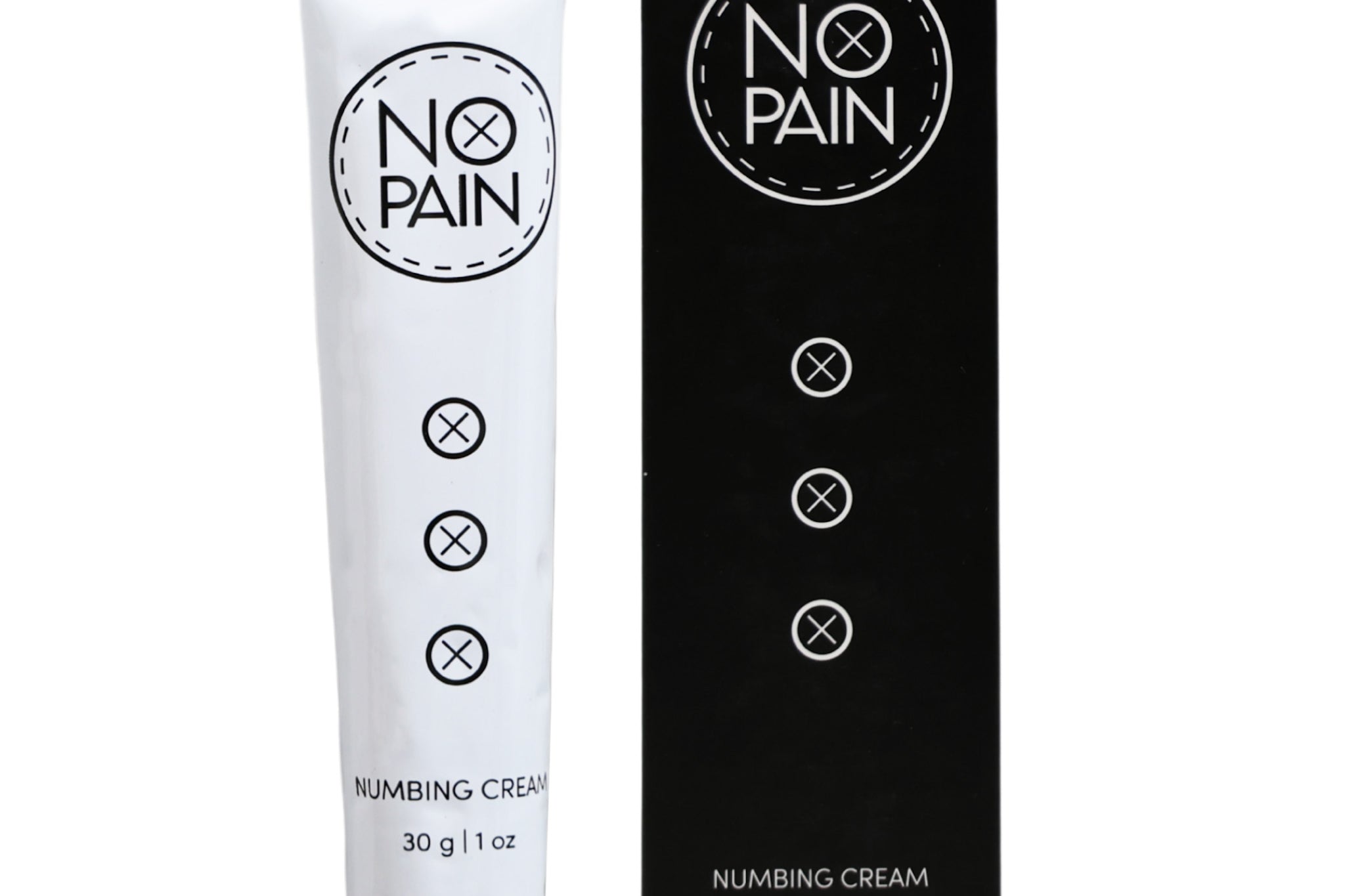
Numbing cream helps with this. Applied 90 to 120 minutes before the session starts under wrap, maximum strength numbing cream takes the edge off the extended work without interfering with the ink. The thick, slow-absorbing formula penetrates deep enough into the dermis to provide real relief over a long sitting. For sessions running past the initial numbing window, a spray formulated for broken skin extends the effect mid-session.

Maximum strength numbing cream for pre-session application. Apply 90 to 120 minutes before the session under wrap. Thick, slow-absorbing formula that penetrates deeper into the dermis and lasts longer than thinner creams. Backed by a money-back guarantee.
Shop Numbing Cream: $30.00

Cream for pre-session numbing (90 to 120 min under wrap) plus spray for mid-session top-ups on broken skin. Designed for the long, layered sessions that watercolor and abstract work often requires. Backed by a money-back guarantee.
Shop Comfort Bundle:
Aftercare
Aftercare matters for every tattoo, but the stakes are higher for watercolor and abstract work. The delicate color gradients and soft-edged details that define these styles are exactly what's lost first in a rough heal. Heavy scabbing pulls ink out of the skin. Picking at flaking peels away the surface color. Over-moisturizing can cause maceration that blurs soft edges before they've had a chance to set.
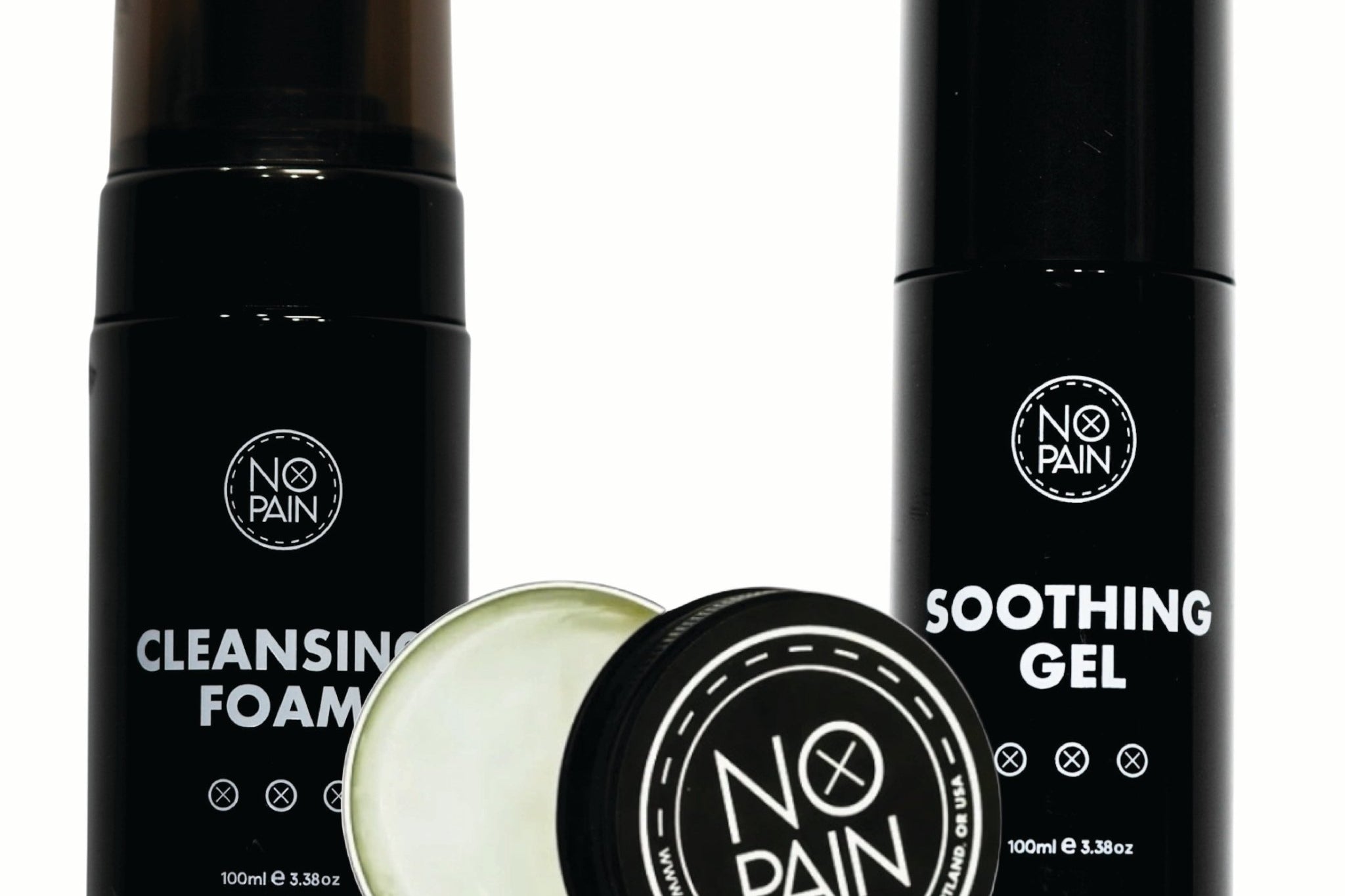
The protocol: wash twice a day with a fragrance-free liquid soap, pat dry gently with a clean paper towel, and apply a thin layer of soothing gel after each wash for the first days. From day two or three, as peeling begins, switch to an aftercare balm. Keep the piece out of direct sun until it's fully healed. Do not pick at anything. This is where people lose the fine details that took the artist hours to build.

No Pain Tattoo Aftercare Bundle
Soothing gel for the first days of healing, aftercare balm from day two or three onward, and cleansing foam for daily washing. Everything your watercolor or abstract tattoo needs to heal cleanly and hold its detail. Backed by a money-back guarantee.
Shop Aftercare Bundle: $33.60FAQ
Do watercolor tattoos fade faster than other styles?
Yes. The light, warm pigments that define the watercolor look (pastels, yellows, soft pinks) are the least UV-stable inks in tattooing, and the soft edges that make the style distinctive blur and spread as the ink settles over years. A well-executed watercolor tattoo by a skilled artist holds up better than a poorly executed one, but it will fade faster than a bold-outline traditional tattoo in comparable conditions. Sun protection on the healed piece makes a real difference long-term.
Can watercolor tattoos be black and grey?
Yes, and some of the most durable watercolor-style work uses black and grey rather than color. The aesthetic of soft, bleeding edges and fluid shapes translates well to monochromatic work, and grey ink holds up better than light pastels over time. If you want the watercolor look with better longevity, a black and grey approach is worth considering.
How do I find a good watercolor tattoo artist?
Look for artists whose primary focus is watercolor or abstract work, not artists who do it occasionally. Request healed photos before booking. A fresh watercolor tattoo can look impeccable from anyone; healed work shows you whether the artist's technique produces longevity. Also look for structural depth in their work: the pieces that age well have darker underlying tones beneath the light color washes, not just flat pastel fields.
How much do watercolor tattoos cost?
Watercolor tattoos typically run at or above standard studio rates, and often higher for well-known specialists. The layered technique is time-intensive, and the number of artists who do it well at a high level is smaller than with traditional styles. A medium-sized piece from a specialist commonly runs $400 to $800+; larger or more complex work scales from there. Traveling to the right artist is usually worth it over settling for someone local who's less experienced in the style.
What's the difference between watercolor and abstract tattoos?
They overlap but aren't the same thing. Watercolor describes a technique: soft-edged, blurred color washes that mimic the look of watercolor paint. Abstract describes the subject matter: non-representational imagery that uses shapes, lines, and color fields rather than recognizable objects. A watercolor tattoo can be realistic (a watercolor rose), and an abstract tattoo can be executed in a completely different style (geometric blackwork, for example). The two often appear together, but you can have one without the other.
Do watercolor tattoos need touch-ups?
More often than bold-outline styles, yes. Light colors on sun-exposed placements may benefit from a touch-up within five to eight years. A piece in a sheltered placement with consistent sun protection can go much longer. A good watercolor specialist will be honest about the maintenance picture for your specific design and placement at your consultation. If an artist tells you their watercolor work never needs touch-ups, that's a claim worth questioning.