



Yes, you can tattoo over a scar. In many cases the result is excellent. But tattooing over scar tissue is genuinely different from tattooing healthy skin, and the outcome depends heavily on how long you wait, what type of scar you have, and whether the artist you choose has real experience with scar work. Here is everything you need to know before booking.
In this article
- The scar must be fully healed first
- Scar types and what each means for tattooing
- What to realistically expect
- Finding the right artist
- Pain and how to manage it
- Aftercare for scar tattoos
- Frequently asked questions
The Scar Must Be Fully Healed First
This is the rule that overrides everything else. You cannot tattoo over a scar that is still actively healing. The scar tissue needs to be mature before an artist can work on it safely and get a good result.
For most scars, that means waiting at least one to two years from the original injury or surgery. For deeper or more extensive scars (surgical incisions, C-section scars, major trauma wounds), waiting two to three years or longer is common. A mature scar is typically pale or whitish, relatively flat, no longer tender to the touch, and no longer changing color or texture noticeably from month to month.
Tattooing too soon causes two problems. First, the skin is still actively remodeling, which means the ink does not settle the way it would in stable tissue. The result looks poor and fades unevenly. Second, working over immature scar tissue is more painful than it needs to be and can interfere with the tissue's continued healing.
If you are unsure whether your scar is ready, consult the surgeon or dermatologist who treated the original wound. They can assess the tissue and give you a more specific timeline.
Scar Types and What Each Means for Tattooing
Flat, pale scars. These are the best candidates. The skin texture is stable, the surface is relatively smooth, and ink tends to absorb reasonably well. A skilled artist can often cover a flat scar very effectively, and the result can be excellent. These include most healed surgical scars and old injury scars that have settled to a light, even texture.
Atrophic (sunken or pitted) scars. These are scars that sit below the surrounding skin level, common with severe acne scarring or some injury types. They can be tattooed, but the uneven surface means the ink may not lay as smoothly. Lines that cross from scar tissue onto normal skin can look slightly inconsistent. Results are more variable and depend heavily on the artist's technique.
Hypertrophic scars. These are raised, thickened scars that stay within the boundary of the original wound. They are harder to tattoo than flat scars because the raised texture remains visible through the ink and the tissue absorbs pigment differently. Results are achievable but require a very experienced artist and realistic expectations about the texture showing through.
Keloid scars. Keloids are raised scars that extend beyond the original wound boundary and can continue growing. Many experienced artists will not tattoo over keloids at all. The trauma of the needle can trigger keloid growth, potentially making the scar larger or more pronounced. If you have a keloid, this is a conversation to have directly with a specialist and ideally a dermatologist before any tattooing.
What to Realistically Expect
The texture stays. A tattoo does not erase the physical texture of a scar. If the scar is raised, the tattooed skin will also be raised. If it is pitted, the tattoo will sit in a pitted surface. What a skilled artist can do is use design to make the texture less visually obvious and integrate the scar's shape into the composition. The art minimizes how much the eye reads the texture, but the texture itself is still there.
Ink absorption is different. Scar tissue does not absorb ink the same way healthy dermis does. The collagen structure is different, which means pigment can distribute unevenly. Lines that cross scar tissue may look slightly softer or less saturated than lines on surrounding normal skin. This is normal and does not mean the tattoo was done poorly. Touch-ups after healing are more common with scar work than with standard placements.
Healing is less predictable. Scar tissue does not heal identically to unaffected skin. The ink may take longer to settle, the peeling phase can be more variable, and the final result at the four-to-six-week mark can differ more from the fresh tattoo than you would see with a normal placement. Give the tattoo extra time before judging the healed result, and go back to your artist for a touch-up consultation once the skin has fully settled.
Finding the Right Artist
This is the most consequential decision you will make. Not every tattoo artist has experience with scar tissue, and the difference between an artist who does and one who does not is the difference between a result you love and one you regret.
Look specifically for artists who list scar work or medical tattooing as a specialty. When you contact them, ask to see healed photos of their scar cover-up work specifically, not just fresh photos. Fresh tattoos over scars always look better than healed ones; what matters is how the work holds and integrates after the skin has settled over weeks and months.
In your consultation, pay attention to how the artist talks about the scar. A good scar specialist does not just place a design over the scar. They study its shape, direction, and texture and design something that uses those qualities as part of the composition. A design that works with the scar reads as intentional art. A design that ignores it calls attention to the texture it sits on.
Pain and How to Manage It
Scar tissue is unpredictable when it comes to pain. Some people find tattooing over a well-healed scar feels similar to tattooing normal skin. Others find it more uncomfortable, particularly if the scar has nerve involvement from the original injury or surgery. Areas with dense nerve endings or altered sensitivity from scar tissue can be more reactive to the needle.
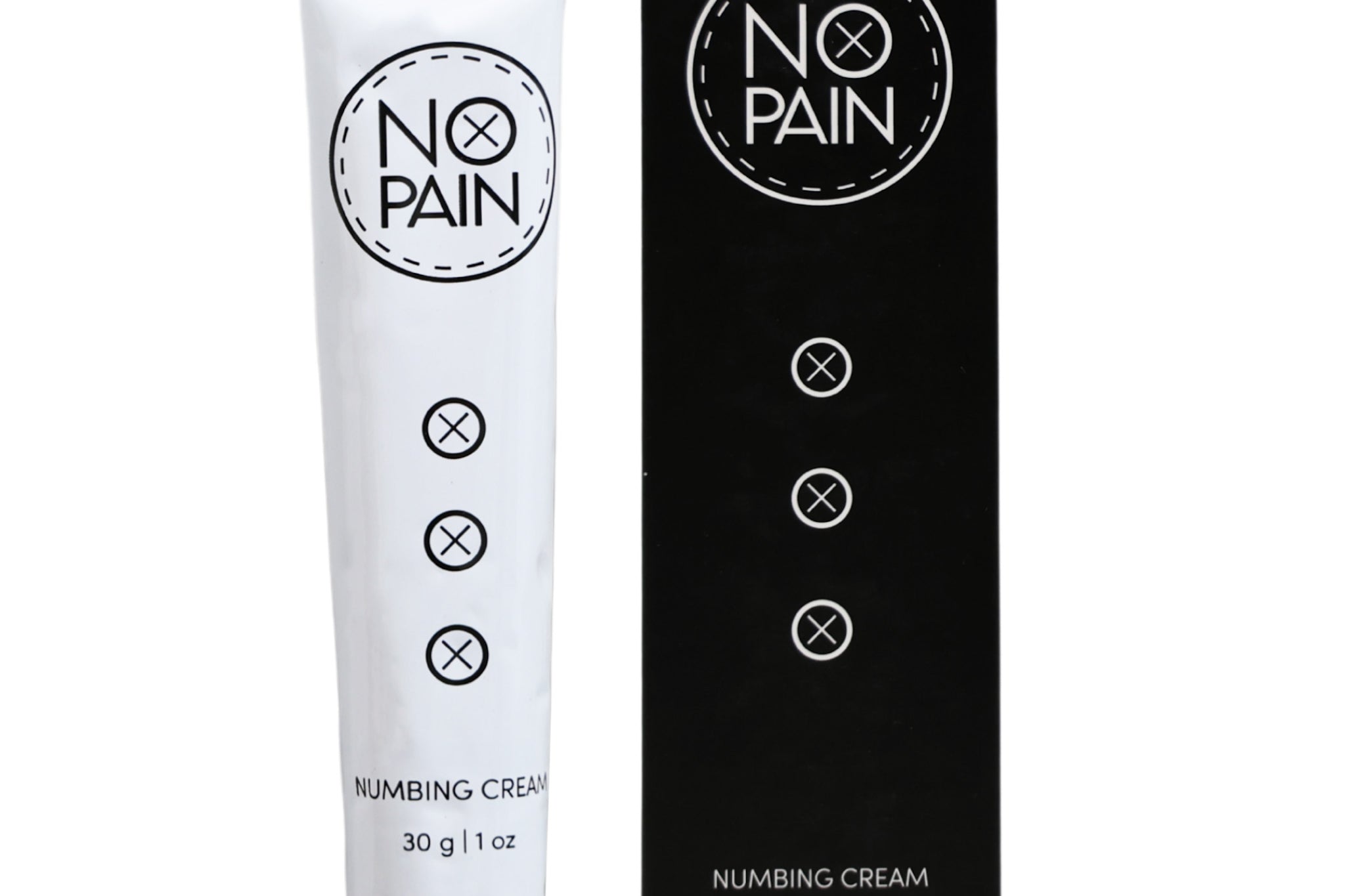
A maximum strength numbing cream applied correctly before the session makes a meaningful difference, particularly for scar placements that may run longer than typical sessions due to the complexity of working the design around the tissue.

Maximum strength lidocaine cream in a thick, slow-absorbing base that lasts two to four hours from the moment the wrap comes off. Apply a generous layer to the scar area, cover with cling film, and wait 90 to 120 minutes before your appointment. For scar tissue with unpredictable sensitivity, arriving pre-numbed gives you and your artist the best chance of a controlled, high-quality session.
Aftercare for Scar Tattoos
Aftercare matters for every tattoo, but it matters more here. Scar tissue is already altered skin. Its barrier function, moisture retention, and inflammatory response all behave differently from unaffected skin. A healing protocol that works fine for a normal placement may not be sufficient for tissue that has already been through serious trauma.
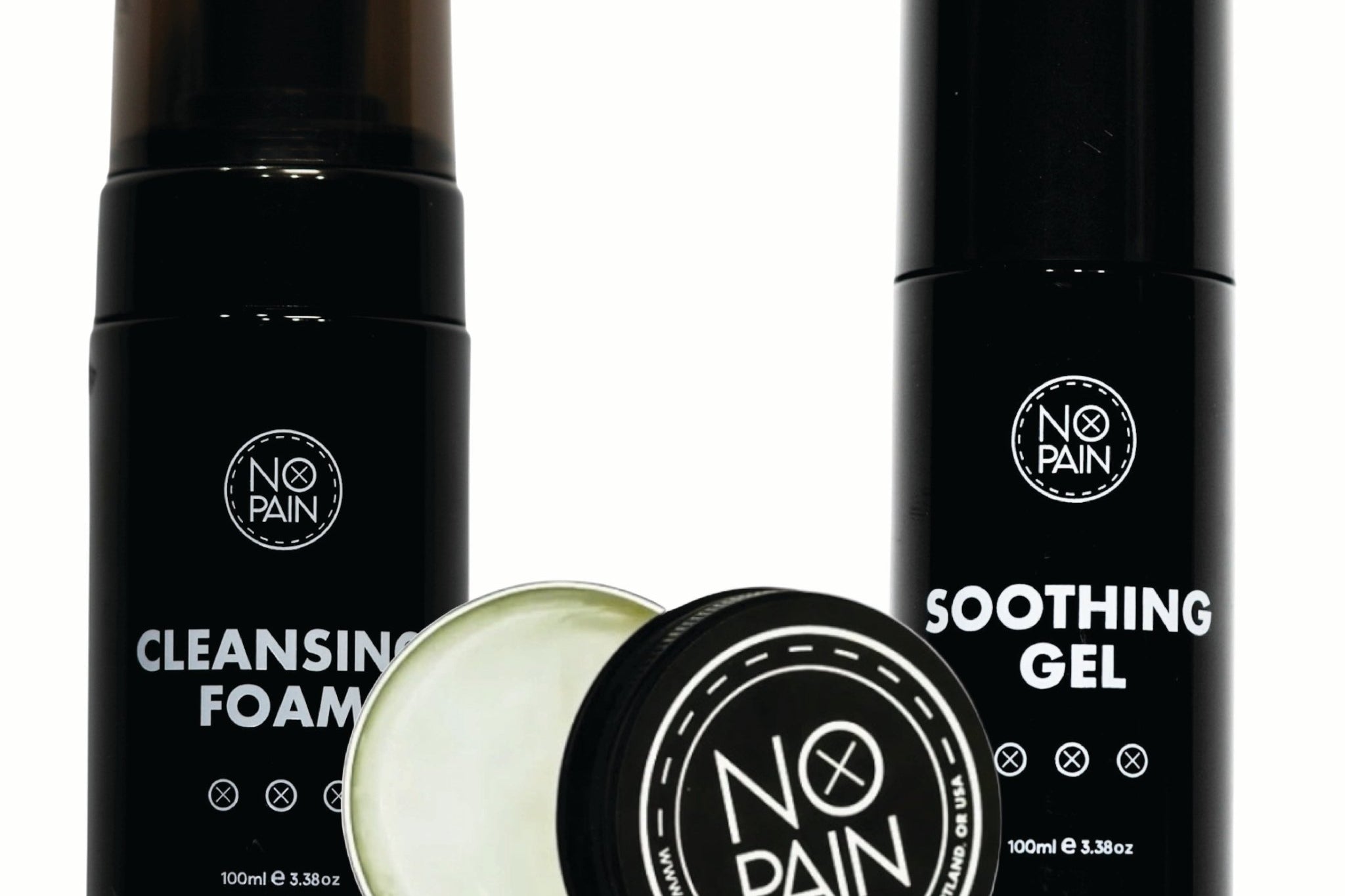
In the first week, keep the surface clean and moist without overloading it. Wash gently with a gentle, fragrance-free liquid soap twice a day, pat dry completely, and apply a thin layer of a lightweight, fragrance-free gel. The goal is to prevent thick scabbing without trapping moisture. Scar tissue can be slower to close than normal skin, so do not rush to switch products or skip applications.
From day three onward, a nourishing balm applied consistently supports the deeper layers as the ink settles. Scar tissue tends to run drier than normal skin, and the balm helps counteract that without the irritation that fragranced or alcohol-based products can cause on already-sensitized tissue.
Avoid sun exposure on the healing tattoo, and once healed, apply SPF before any sun exposure. UV breakdown is the largest driver of fading for any tattoo, and a scar tattoo that required real effort to get right is worth protecting. For a full breakdown of the healing phases and what to do in each, see the healing process guide. For the most common mistakes that compromise results, see the aftercare mistakes guide.
Frequently asked questions
Can you tattoo over a scar?
Yes, in most cases. Flat, pale, fully healed scars are the best candidates and can often be tattooed with excellent results. Pitted or raised scars are more challenging but still possible with the right artist. Keloid scars are the exception: many artists will not work on them because needle trauma can trigger further keloid growth. The key factors are scar maturity (at least one to two years healed), scar type, and the artist's experience with scar work specifically.
How long do you have to wait to tattoo over a scar?
A minimum of one to two years from the original injury or surgery for most scars. For deeper surgical scars (C-sections, major incisions, serious trauma wounds), waiting two to three years or longer gives the tissue more time to stabilize and typically produces a better result. The scar should be pale, flat, and no longer changing before any artist agrees to work on it.
Does tattooing over a scar hurt more?
Often yes, though it varies. Scar tissue can have altered nerve sensitivity from the original injury, which makes some people find it more painful than normal skin and others find it less so. Areas where nerves were damaged or rerouted during healing tend to be the most unpredictable. A maximum strength numbing cream applied 90 to 120 minutes before the session reduces the variability and helps you stay still, which directly benefits the quality of the work on difficult tissue.
Will a tattoo cover a scar completely?
Visually, often yes. A well-designed tattoo over a flat or pale scar can make the scar very difficult to see. The eye reads the design rather than the underlying tissue. Physically, no: the tattoo does not change the texture of the scar. If the scar is raised, the tattooed area will still be raised. What a skilled artist does is design around the texture so it is incorporated into the piece rather than fighting against it.
Can you tattoo over surgical scars?
Yes. Surgical scars are among the most commonly tattooed scar types. C-section scars, mastectomy scars, appendectomy scars, and other surgical incision lines are all tattooable once fully healed and mature. The wait time and tissue complexity depend on the depth and nature of the surgery, but the results can be excellent. Many people use tattoos specifically to reclaim areas of the body marked by surgery.
What type of tattoo design works best over a scar?
Designs that incorporate the scar's shape rather than fighting it. An artist who specializes in scar work will study the scar's direction, width, and texture and design something that uses those qualities intentionally. Botanical elements, flowing organic shapes, and designs with natural variation in line weight tend to integrate scar texture more naturally than geometric or highly symmetrical designs. Avoid designs with large, perfectly uniform areas of flat color or straight parallel lines, which make uneven texture more visible.
Protect What You've Invested In
The Aftercare Bundle pairs a lightweight soothing gel for the first few days with a nourishing balm from day three onward. For scar tissue that needs extra care, having both phases covered from day one gives the ink the best environment to settle cleanly.
Shop the Aftercare Bundle →Formulated at Historic Tattoo in Portland, Oregon. 100% money-back guarantee.