


It happened. In your sleep, or in a moment of not paying attention, your fingernails connected with your healing tattoo. Now you are staring at a red, raw, possibly bleeding spot and wondering how bad the damage is.
The honest answer: it depends on what you do next. The scratch itself caused some damage. What you do in the next few minutes determines whether it stays minor or turns into an infection or a permanent ink patch.
Here is exactly what to do.
What the Scratch Actually Did
When you scratch a healing tattoo, your fingernails act as rakes across a wound that was in the process of knitting itself closed. Specifically:
It may have pulled ink. During the itchy phase (days 5 to 14), your tattoo is covered in a delicate layer of flaking skin and light scabs. These flakes still have ink embedded in them from the healing process. If your scratch tore those flakes away before they were ready to shed naturally, ink came with them. You may have a lighter patch in the scratched area.
It introduced bacteria. Your fingernails carry bacteria even after washing your hands. Scratching a healing wound is one of the more direct ways to introduce bacteria into an open area, which is the primary risk factor for infection.
How bad the damage is depends on how hard you scratched, how long the itchy phase had been going on, and how well your aftercare had been up to that point. A gentle, accidental graze is different from repeatedly digging at a spot. Either way, the steps below are the same.
Your Immediate Action Plan
Step 1: Stop and step away
Stop scratching. Do not inspect it too closely with your fingers. Do not press on it, rub it, or try to smooth it down. Get your hands away from it.
Step 2: Wash it immediately
This is the most important step. Wash your hands thoroughly first, then gently wash the tattoo with a gentle, fragrance-free cleanser and lukewarm water. Use light pressure with clean fingers. No cloths, no scrubbing. The goal is to remove any bacteria from the scratch before it has time to take hold. Rinse well. Pat dry with a clean paper towel.
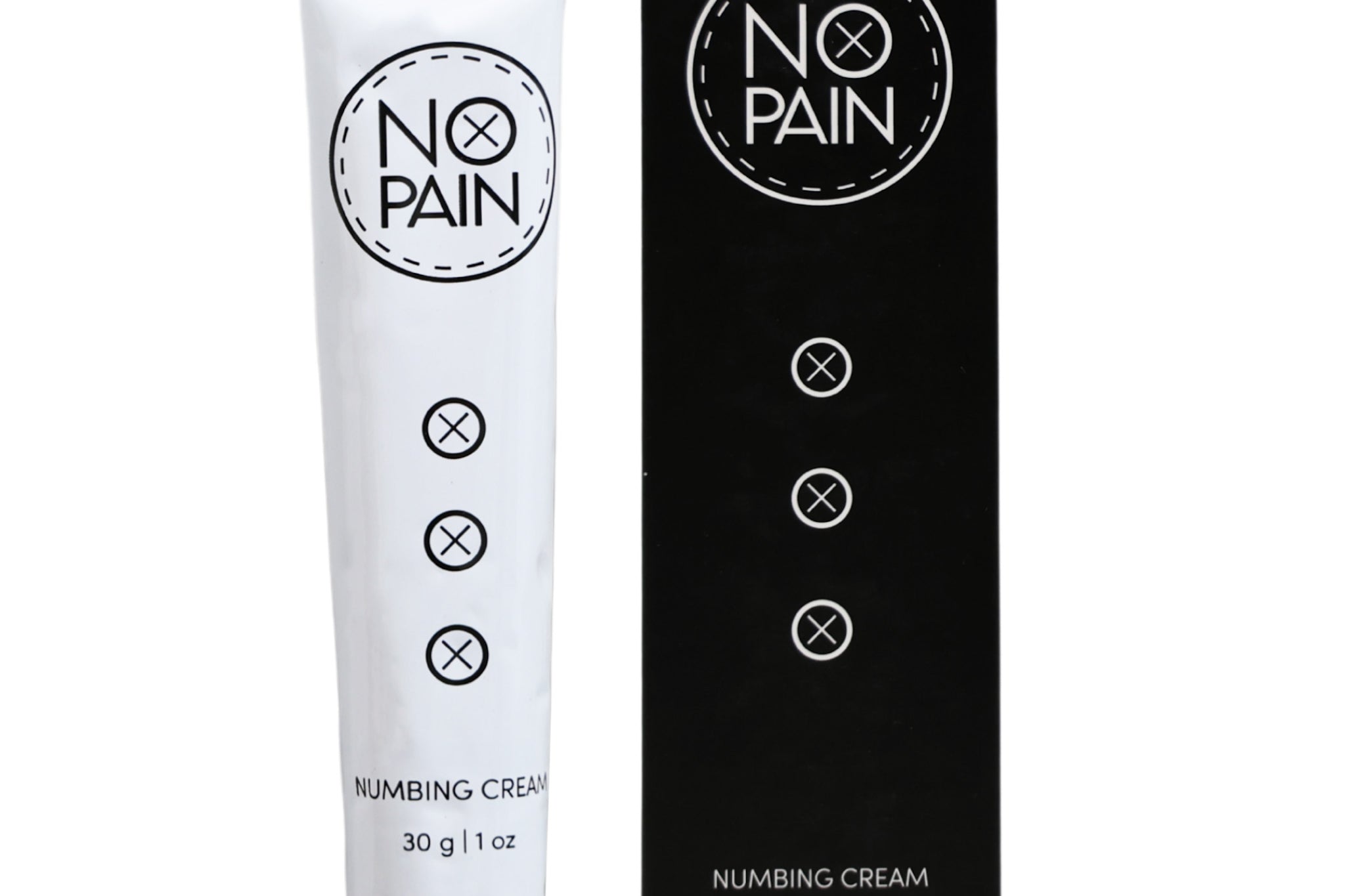
Step 3: Apply a cooling, soothing gel
The scratched area is now more inflamed, which means it will itch more, which creates the urge to scratch again. Breaking this cycle is the priority. A cooling gel applied right after washing calms the inflammatory response and reduces the itch intensity, making it easier to leave the area alone.

Days 1 to 3
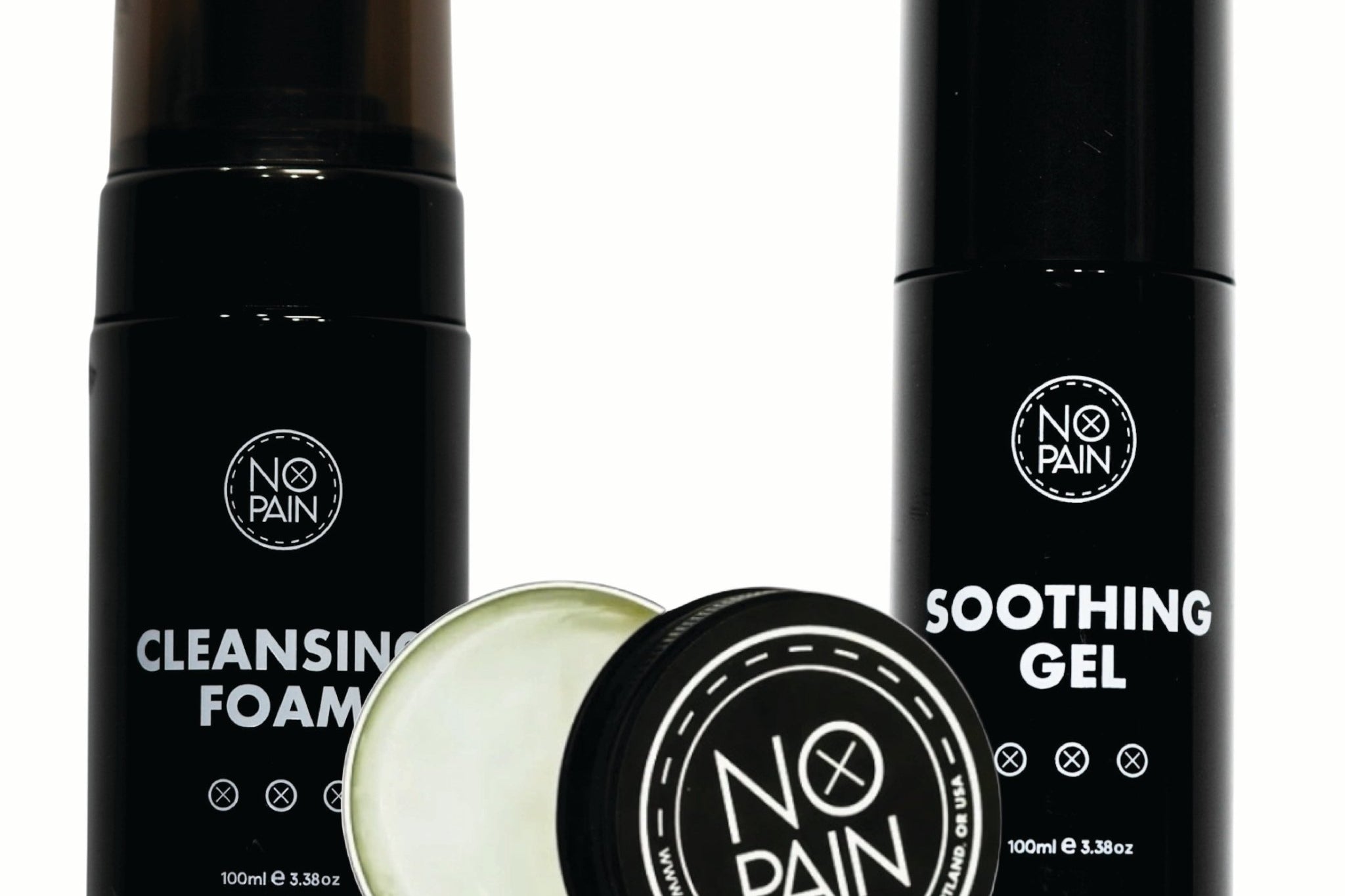
No Pain Tattoo Soothing Gel
The cooling, anti-inflammatory formula provides immediate relief to irritated skin and reduces the urge to scratch further. Apply a thin layer after every wash while the scratch area is inflamed.
$15.00
Shop Soothing Gel →Step 4: Continue your aftercare without interruption
Do not treat the scratch differently from the rest of the tattoo from here on. Keep the whole area clean and moisturized on schedule. The scratch site heals the same way the rest of the tattoo does. It just has a slight setback to recover from.
Step 5: Watch for infection
Over the next 24 to 48 hours, monitor the scratched area for warning signs. Some extra redness immediately after is expected. What is not expected: redness that spreads outward, worsening pain rather than improvement, thick yellow or green discharge, a foul odor, or fever. If you see any of these, contact a doctor. See our Infected Tattoo guide for the full list.
Preventing It from Happening Again
The best prevention is reducing the itch to a manageable level. A well-moisturized tattoo is significantly less itchy than a dry one. The single most common cause of uncontrollable tattoo itch is inadequate moisture during the healing phase.
If the itch is still overwhelming after consistent moisturizing:
- Pat the area firmly instead of scratching. The pressure sensation partially substitutes for the scratch without the damage.
- Apply your soothing gel whenever the itch peaks. The cooling effect provides real relief.
- Keep fingernails short during the healing phase so that an accidental scratch causes less damage.
- If you scratch in your sleep, cover the tattoo loosely with a clean, soft cloth before bed.
For more on managing the itch through the full healing phase, see our guide to How Long Tattoo Itching Lasts and How to Stop It.
FAQ
Will my tattoo have a scar where I scratched it?
One scratch is unlikely to cause scarring. Repeated digging or picking at the same spot over multiple days can. Scarring happens when the dermis (the layer where the ink lives) is damaged, not just the surface epidermis. A single accidental scratch usually only affects the surface layer.
Will the scratched area need a touch-up?
Possibly. If the scratch pulled away a scab that had ink embedded in it, that spot may heal lighter than the surrounding tattoo. You will not know for certain until the skin is fully healed at around 6 weeks. If there is a visible patch at that point, a touch-up session can fix it.
I scratched it and then it bled a little. Is that bad?
A small amount of bleeding from a hard scratch is not unusual during the first week when the skin is still fragile. Wash it gently right away, apply gentle pressure with a clean paper towel for a minute or two, then follow the steps above. Monitor for infection. A little bleeding itself is not dangerous.
What if I scratched it in my sleep and don't know how bad it is?
Look at the area in good light. If the skin looks raw, red, or has any small tears, follow the full action plan: wash immediately, apply gel, monitor. If it just looks like there is some minor surface irritation with no open area, your usual aftercare routine is sufficient. Either way, take steps to prevent it from happening again the next night.
How long does the itchy phase last?
The intense itch phase typically runs from days 5 to 14. The first week of that (days 5 to 10) is usually the worst. After that, the itch gradually reduces as the peeling slows. See our guide on How Long Tattoo Itching Lasts for the full timeline.
Can I take antihistamines to help with the itch?
Antihistamines like diphenhydramine (Benadryl) can reduce itching and also help you sleep through the itchiest nights, reducing the chance of scratching during sleep. They are safe to use during tattoo healing. Avoid ibuprofen if you are also taking them, as the combination can thin the blood.

No Pain Tattoo Aftercare Bundle
Keep the skin hydrated and the itch manageable. Soothing Gel for the first few days, Aftercare Balm from day 3 onward. A well-moisturized tattoo is a less itchy tattoo.
$33.60 Save 20%
Shop Aftercare Bundle →