


Neo-traditional tattoos take everything that makes American traditional work great (bold outlines, strong composition, high readability) and layer in modern illustration techniques, a wider color palette, and more complex detail. The result is a style that feels rooted in tattoo history while looking distinctly contemporary. Here's how to recognize it, how it differs from classic traditional, and how to choose between them.
In this article
- American traditional: the foundation
- Neo-traditional: the evolution
- The key differences
- Which style is right for you
- Healing your tattoo
- Frequently asked questions
American Traditional: The Foundation
American traditional, also called Old School, is the style most people picture when they think of a "classic" tattoo. It developed in the early twentieth century in the parlors that served sailors, soldiers, and working-class clients, and it was shaped by the constraints and goals of that era: ink that would last, on skin that moved, done quickly and cleanly.
The most influential figure in its development was Norman "Sailor Jerry" Collins, who refined the aesthetic in Honolulu through the mid-twentieth century and established the design principles that still define the style today.
Bold, uniform black outlines. Traditional tattoos are built on thick, even outlines. These aren't just an aesthetic choice. They're structural. A strong outline holds the design together as the tattoo ages, preventing the ink from blurring or bleeding into the surrounding skin over decades. Traditional tattoos done properly look good for a very long time because of this structural integrity.
A limited, saturated color palette. Artists worked with what was reliable. Traditional color palettes are anchored in bold primaries: red, yellow, green, and occasionally blue, all packed in solid or blocked with heavy black shading. The simplicity is intentional: fewer colors means less complexity, less complexity means less that can go wrong in the heal.
Iconic, readable subject matter. Eagles, panthers, roses, daggers, anchors, skulls, ships, pin-up figures, swallows. Traditional subjects are symbolic and immediately legible. You can read a traditional tattoo from across the room. The design communicates before the detail registers.
Simple, flat shading. Traditional shading is done with black whip-shading or solid fills of color. There's no attempt at photorealistic blending or three-dimensional form. The power is in the clarity, not the complexity.
Neo-Traditional: The Evolution
Neo-traditional emerged in the 1980s and 1990s as tattoo artists began absorbing influences from fine art, illustration, Art Nouveau, and eventually digital art and realism. The core principles of traditional work stayed: readability, solid design, strong outlines. But everything else was opened up.
Varied line weights. This is the most immediately recognizable difference. Neo-traditional artists use a range of line thicknesses within a single tattoo: thick outlines on major forms, thin lines for detail and interior work. This creates visual depth and makes the piece feel more like a detailed illustration than a flat graphic.
An expanded, sophisticated color palette. Neo-traditional work uses the full range of modern tattoo inks. Complex color blending, smooth gradients, a wide range of hues including purples, teals, pinks, warm earth tones, and subtle pastels. Colors are used to create dimension and mood rather than just fill space.
Detailed, ornate subject matter. Neo-traditional still draws on classic motifs (animals, portraits, botanical elements) but treats them with far more specificity and richness. An animal will have individually rendered fur, expressive eyes, and deliberate lighting. A flower will have multi-toned petals and shadow detail. Decorative elements like jewels, filigree, and botanical framing are common.
Complex shading and three-dimensional rendering. Neo-traditional artists use smooth blending and color gradients borrowed from realism to give their designs a sense of form and weight. Where a traditional tattoo reads as flat graphic, a neo-traditional piece reads as a dimensional object on the skin.
The Key Differences
Both styles share the same foundational logic: strong outlines, readable design, built to last. The differences come in what each style does with that foundation.
Traditional is disciplined by constraint. The limited palette and simple shading aren't artistic limitations. They're design decisions that guarantee longevity and legibility. Traditional tattoos are almost impossible to ruin if the artist is competent, because the aesthetic absorbs age well. Bold lines hold; saturated blocks of color hold.
Neo-traditional is disciplined by craft. The complexity is only as good as the artist executing it. Smooth color gradients, varied line weights, and fine interior detail all require advanced technique. A neo-traditional tattoo done by an artist who hasn't mastered the style will look muddied and overworked within a few years. Done well, it will age beautifully. But the margin for error is smaller.
Traditional has a codified subject vocabulary. Neo-traditional borrows that vocabulary but extends it freely, and subject matter can be more personal, more idiosyncratic, more narratively complex.
Which Style Is Right for You
Choose traditional if you want something bold, immediate, and historically grounded. Traditional tattoos work at any size, communicate from a distance, and hold up across a lifetime without needing complex aftercare or expensive touch-up work. If you're drawn to the look of tattoos from the first half of the twentieth century, or you value simplicity and longevity above illustrative detail, traditional is a strong choice. Flash pieces and walk-in appointments in the traditional style are also a great way to experience a skilled artist's eye without the lead time of a custom design.
Choose neo-traditional if you want more detail, more depth, and a wider range of color. If your reference images look more like detailed illustration than flat graphic art, if you want an animal portrait with realistic expression or a flower with painterly petal detail, neo-traditional is likely the better fit. The consultation and design phase takes longer, and finding an artist who specializes in neo-traditional specifically matters more than it does with traditional. Do your research, look at their healed portfolio, and make sure their finished work holds the quality of their fresh photos.
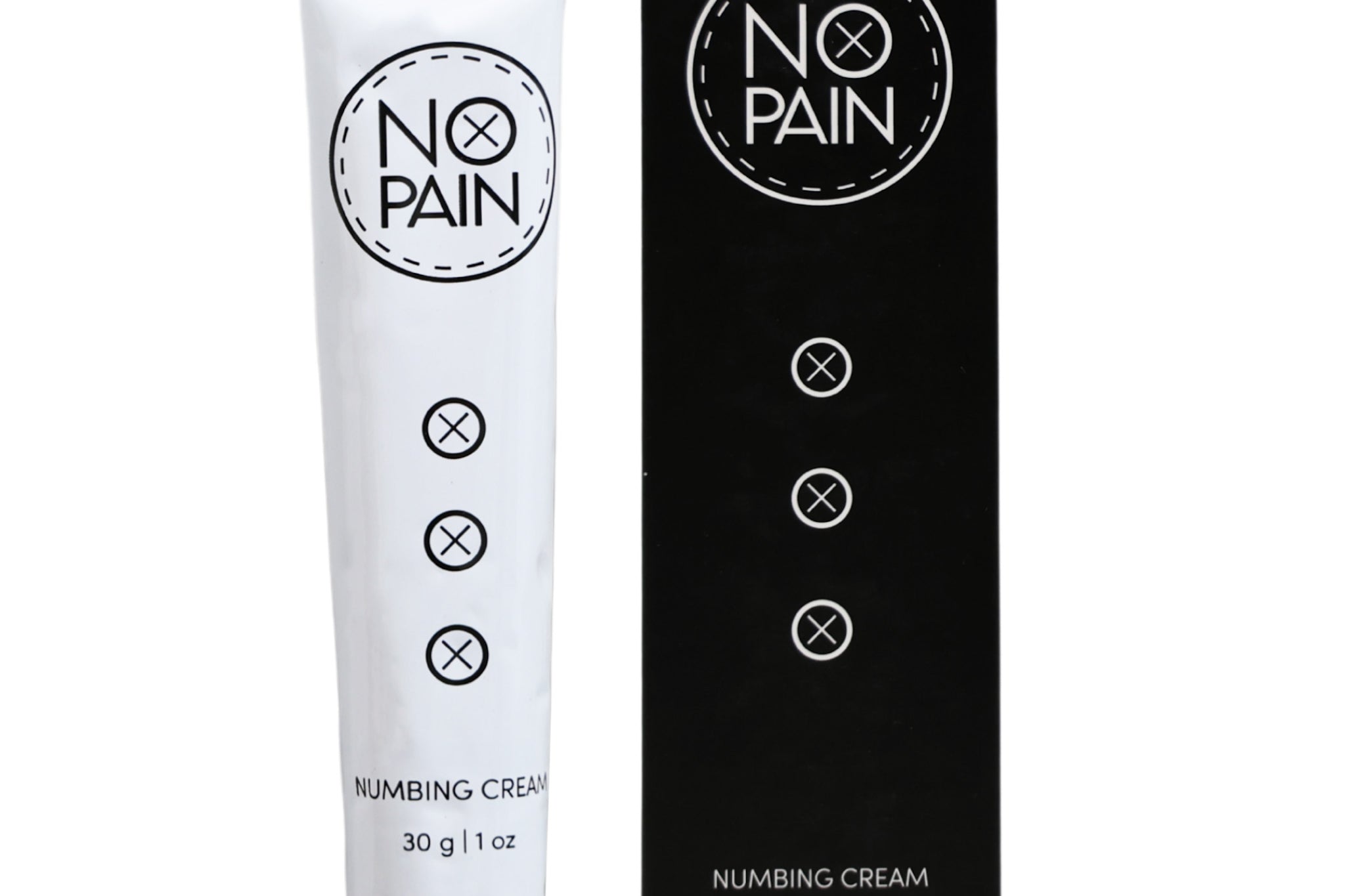
One practical note on sessions: neo-traditional pieces generally take longer than comparable traditional work. The detail, color blending, and multiple passes push session times up. If you're concerned about pain, maximum-strength numbing cream applied correctly before the session takes the sharpest edge off. Apply two coats under cling film 90 to 120 minutes before your appointment and tell your artist before they start.

Maximum-strength topical numbing for pre-session application. Thick, slow-absorbing formula that penetrates deeper and lasts longer than thin creams. Neo-traditional sessions run long. Apply two coats under cling film 90 to 120 minutes before your appointment. 100% money-back guarantee.
Healing Your Tattoo
Both styles benefit from the same core aftercare approach, but neo-traditional work has more at stake in the healing phase. A traditional tattoo's bold lines and solid color blocks are forgiving. Minor scabbing over a packed field of black doesn't change the result much. A neo-traditional tattoo's complex color gradients and fine detail are not. Thick scabs pulling away from a delicate color blend can leave patchy gaps that require a touch-up to fix.
In the first few days (through around day 3), keep the surface moist enough to prevent thick scabbing without trapping moisture against the wound. A lightweight, breathable gel applied after each wash handles this well. From day 3 onward, once the surface starts to close and weeping slows, switch to a nourishing balm through the peeling and settling phase. For a full breakdown of each stage, see the healing process guide.
Sun protection is the other long-term variable. Both styles fade from UV exposure, but neo-traditional's complex color palette is more vulnerable. Purples, pinks, and teals break down faster than black and primary red. SPF 30 or higher on any healed tattoo that sees regular sun is the most effective thing you can do to preserve it over years. For more on keeping colors bright long-term, see the fading guide.

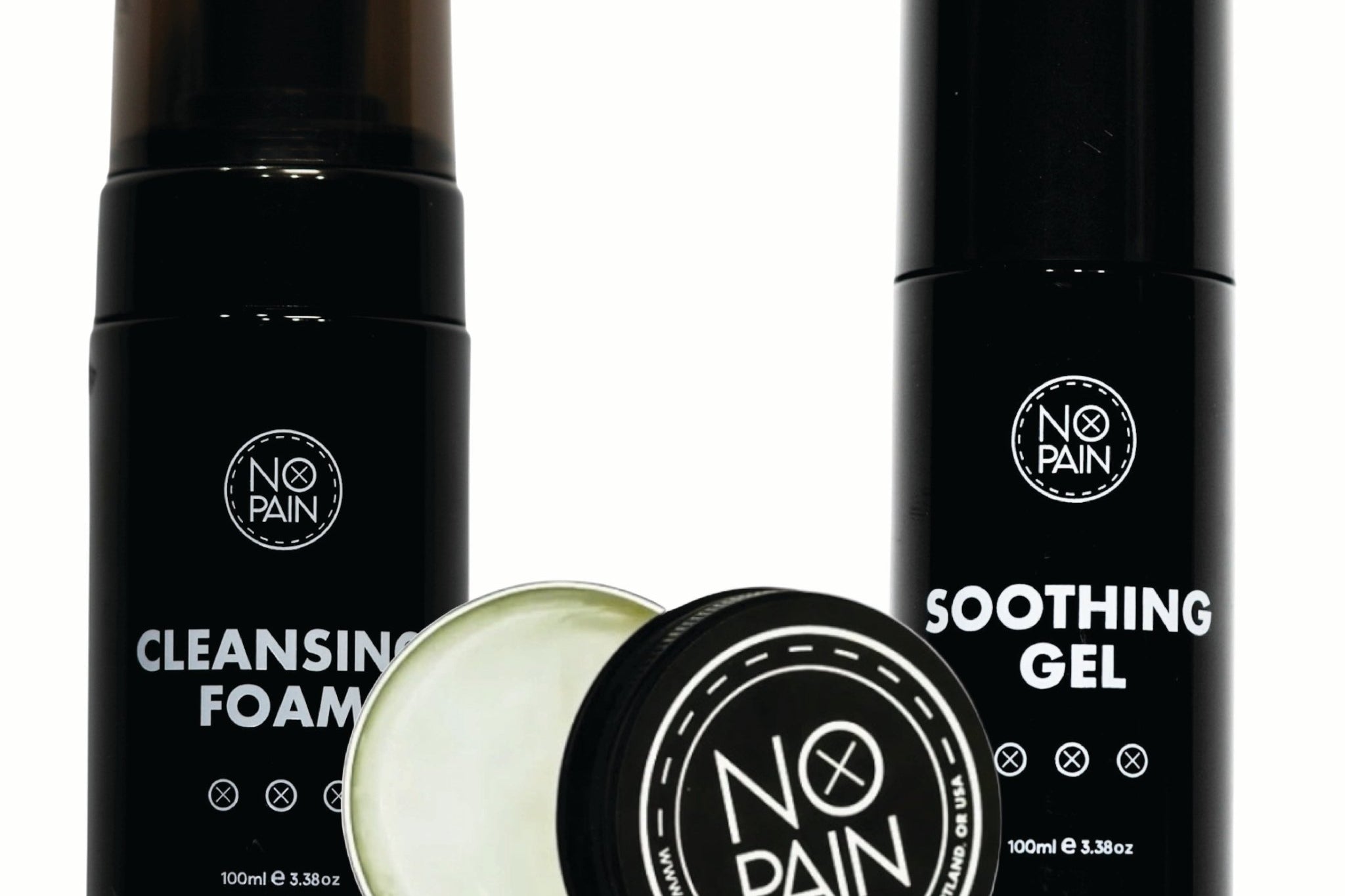
Lightweight cooling gel that keeps the surface hydrated without blocking airflow. For neo-traditional work with complex color blending, this is the right first-phase product: breathable enough to let the wound close cleanly, hydrating enough to prevent the thick scabbing that disrupts fine color gradients.

Shea butter balm for the peeling and milky phase. Nourishes the new skin layer as it forms so colors settle richly and lines stay defined.
Frequently asked questions
What is a neo-traditional tattoo?
Neo-traditional is a tattoo style that builds on the foundation of American traditional (bold outlines, strong composition, readable design) and extends it with modern illustration techniques, a wider and more complex color palette, and greater detail and depth. It emerged in the 1980s and 1990s as artists absorbed influences from Art Nouveau, fine illustration, and eventually realism. The result looks rooted in classic tattoo history but distinctly more illustrative and contemporary than Old School work.
What's the difference between traditional and neo-traditional tattoos?
The main differences are line weight, color palette, and shading approach. Traditional tattoos use thick, uniform outlines, a limited saturated color palette, and flat shading or solid fills. Neo-traditional uses varied line weights (thick to thin), an expanded color palette with complex blending and gradients, and three-dimensional shading techniques borrowed from realism. Traditional prioritizes bold simplicity; neo-traditional prioritizes illustrative detail and depth.
Do neo-traditional tattoos age well?
Yes, when done well. A skilled neo-traditional artist designs with aging in mind: strong outlines that hold the composition together as the ink softens over time, color choices that account for long-term fade rates, and line detail that reads clearly even as fine lines soften slightly. The key factor is finding an artist who specializes in neo-traditional specifically and whose healed work holds up. Look at photos of tattoos that are two or more years old, not just fresh shots. Sun protection and consistent moisturizing also matter more for neo-traditional than for traditional, because the color complexity is more vulnerable to UV degradation.
Is neo-traditional more painful than traditional?
Not inherently. The pain level is determined by placement, your individual pain tolerance, and the length of the session, not the style. That said, neo-traditional tattoos tend to involve more detailed work, which often means longer sessions, more color packing, and potentially more passes over the same area. A large neo-traditional sleeve takes longer than a traditional arm piece of similar size. A numbing cream applied before the appointment (90 to 120 minutes under cling film) can make longer sessions more manageable for either style.
How do I find a good neo-traditional tattoo artist?
Look for artists who list neo-traditional as their primary or specialty style, then look at their healed portfolio specifically. Fresh tattoos always look their best; what matters is how the work looks after two or three years of settling and daily life. Ask the artist to share healed examples before booking. Look for clean, well-held color transitions, legible detail, and lines that are still defined. An artist whose fresh work looks incredible but whose healed work looks muddy or patchy isn't the right choice for a style where detail and color are the whole point.
Can you mix traditional and neo-traditional styles in one tattoo?
Technically yes, but most experienced artists will advise against it in a single cohesive piece. The visual languages of the two styles (flat versus dimensional, simple versus ornate) create tension that's hard to resolve within the same design. Where mixing works better is within a sleeve or larger collection of tattoos, where you can have a traditional panel next to a neo-traditional piece without asking the two to exist in the same composition. If you're drawn to both, discuss it with your artist. They'll tell you whether your specific concept can bridge the styles or whether it's better executed in one or the other.
Heal It Right
Soothing gel for the first few days, aftercare balm from day 3 onward. Two products, two phases, formulated to keep your tattoo's colors rich and your lines clean as the skin closes.
Shop the Aftercare Bundle →Formulated at Historic Tattoo in Portland, Oregon. 100% money-back guarantee.