

A long tattoo session — four, six, eight hours or more for a sleeve, back piece, or large-scale project — is a different challenge than a shorter sitting. Preparation is what separates the people who get through a full day looking good and feeling okay from the people who tap out at hour three when things get hard.
In this article
- The week before
- The night before
- The day of
- Pain management for a long session
- Aftercare for large pieces
- FAQ
The Week Before
Hydrate consistently. Start drinking more water than usual in the week leading up to your session. Well-hydrated skin is more resilient and accepts ink more easily, which can reduce the total trauma to the skin and make the session go more smoothly for your artist.
Moisturize the area daily. Healthy, supple skin is a better canvas. Use a fragrance-free, nourishing balm or lotion on the area to be tattooed every day the week before. One exception: do not moisturize on the day of the session itself. Clean, dry skin is what your artist needs to work on.
Avoid alcohol for at least 24 hours before. Alcohol thins your blood, which means more bleeding during the session and a less clean working environment for the artist. It also dehydrates you and increases sensitivity. Skip the drinks the night before at minimum.
The Night Before
Get a full night of sleep. A tired body has a noticeably lower pain threshold. Eight hours is the target. Don't stay out late and expect to do well through a long session the next day.
Pack your bag. Don't leave this until the morning. Your bag should include a large water bottle, easy snacks (granola bars, fruit, something with sugar for if you feel your blood sugar drop), headphones, a portable phone charger, and your pain management supplies.
The Day Of
Eat a full meal 1 to 2 hours before your session. This is the most important physical preparation. A substantial, balanced meal keeps blood sugar stable and is the main defense against feeling faint or dizzy during a long sitting. Don't skip this step, even if you don't normally eat breakfast.
Avoid excess caffeine. Coffee and energy drinks before a long session can increase anxiety and sensitivity. A single morning coffee is fine for most people. Two or three cups or a pre-workout drink before sitting for eight hours is not.
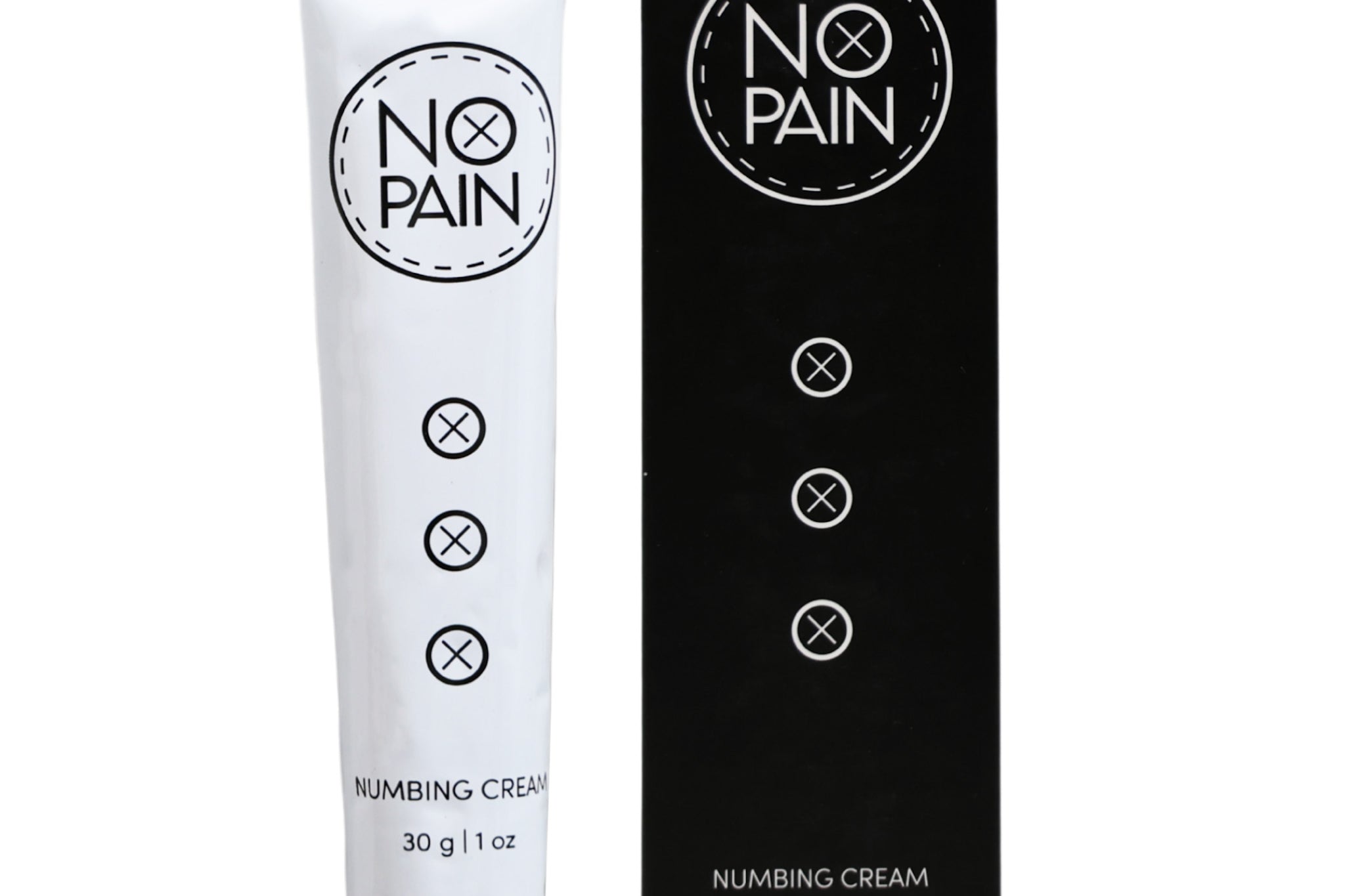
Apply numbing cream 90 to 120 minutes before you arrive. If you're using numbing cream, this is the timing. Two coats on the clean, dry area under cling film. Tell your artist you've applied it when you arrive. The cream needs to be in place for a full 90 minutes before the needle touches the skin to work at full effectiveness.
Arrive on time, prepared, and calm. Late arrivals stress everyone. Get there settled and ready to focus on getting through a productive session.
Pain Management for a Long Session
The first hour of a long session is rarely the hard part. It's hours three and four when the initial adrenaline has faded, the accumulation of soreness has built up, and you still have a lot of work ahead of you. This is where preparation pays off.
A two-part approach works best for sessions over four hours: cream before the session for the first few hours of numbness, and a spray mid-session on broken skin when the initial effect fades. Your artist applies the spray during a break, it takes effect in a few minutes, and you can comfortably complete the work.

Cream before your session for the first few hours of deep numbness. Spray mid-session for your artist to apply to broken skin and keep you going through the final hours. Everything you need for a long session in one kit.
Aftercare for Large Pieces
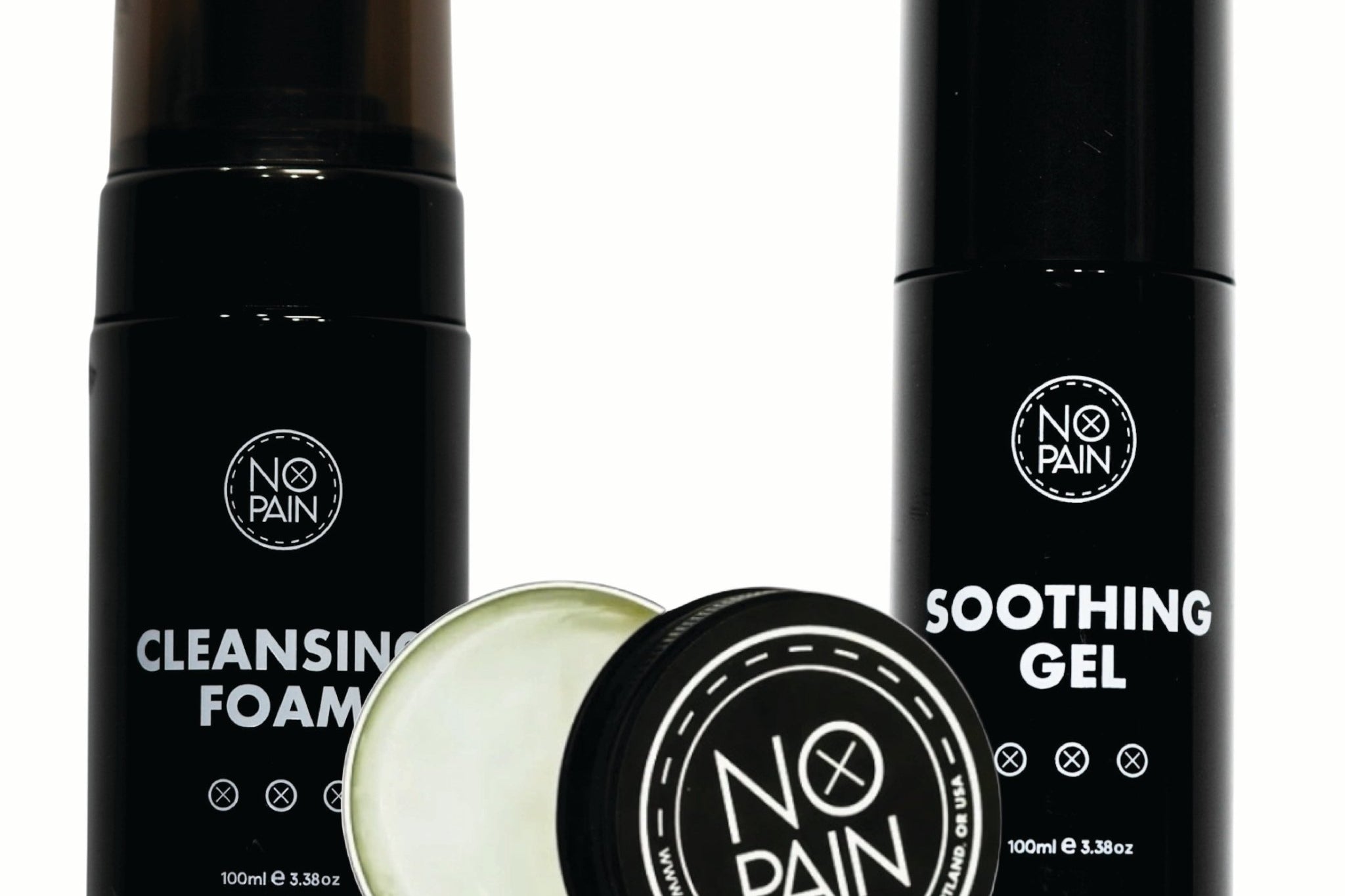
A long session covers a large area of skin, and that larger wound needs aftercare as attentive as the session preparation itself. The first wash after getting home matters. Use cool to lukewarm water (not hot), a fragrance-free liquid soap, and gentle fingertip pressure. Pat dry. Apply a thin layer of soothing gel.
In the first few days, wash twice daily and keep the gel applications light. From day three onward, switch to a nourishing balm. Large sections of healing skin are more prone to drying out than small tattoos, and the balm's moisture barrier is what prevents heavy scabbing and the patchy healed results that come from letting a big piece dry out.
FAQ
How long can a tattoo session safely go?
There's no hard medical limit, but most experienced artists structure long sessions at four to eight hours with breaks. Beyond eight hours, skin trauma accumulates to the point where the skin stops taking ink well, the result suffers, and recovery time increases. Very experienced collectors doing large-scale work sometimes sit for longer, but six to eight hours is the typical professional ceiling for a productive session. Your artist will have a view on this based on their style and how your skin is holding up.
What should I eat before a long tattoo session?
A full, balanced meal with carbohydrates, protein, and fat. Something substantial — oatmeal with eggs, a proper breakfast plate, a full lunch. The goal is stable blood sugar for the hours ahead. Avoid eating immediately before (within 30 minutes) as a large meal just eaten can cause a brief blood sugar dip. Eat 1 to 2 hours before your appointment, bring snacks for during the session, and keep water on you throughout.
Is it okay to take breaks during a long tattoo session?
Yes, and this is expected for any session over two to three hours. Most artists build in breaks. Stand up, eat a snack, walk around for a few minutes, breathe. Breaks let your body reset, help with blood sugar stability, and are the right time for mid-session pain management if needed. A short break in hour three is better than tapping out in hour four.
Can you split a large tattoo into multiple shorter sessions instead?
Yes, and for many people this is the better approach. Splitting into three or four four-hour sessions over several months rather than one full-day sitting is a valid strategy. The results are the same. The recovery is easier. The only trade-off is more total healing cycles and more total appointments. For large-scale work where the area needs full healing between sessions anyway (back pieces, full sleeves), multiple shorter sessions are often the artist's preferred approach regardless.
Why do I feel shaky or faint during a long tattoo session?
Blood sugar is almost always the cause. The stress response to sustained pain and the body's focus on the healing wound at the tattoo site draws on your glucose reserves. If you haven't eaten enough before the session or haven't been snacking during it, blood sugar can drop to the point where you feel light-headed, shaky, or nauseated. The fix is immediate: sit or lie back, eat something with fast sugar (a juice, a candy, a granola bar), drink water, and let yourself recover before continuing.
Should I tell my artist if the numbing cream is wearing off mid-session?
Yes, immediately. Don't try to push through increasing pain without telling your artist. They need to know, both because it affects your wellbeing and because a client in real pain often starts moving involuntarily, which affects the work. A good artist would rather pause, apply a mid-session spray, and wait a few minutes than have you flinching through the final hour. Communicate openly.
Heal the Work You Just Sat Through
A long session is a large wound. Soothing gel for the first few days, nourishing balm from day three onward. Give a big piece the aftercare it needs.
Shop the Aftercare Bundle →Formulated at Historic Tattoo in Portland, Oregon. 100% money-back guarantee.