


Two to four hours from the moment the wrap comes off and your session starts - when the cream is applied correctly with a thick two-coat method, wrapped and left for the full 90 to 120 minutes. For most sessions under two hours, that window covers you from the first outline to the final shading pass. For longer sessions, you need a plan for when coverage starts to thin.
The range matters. Two hours and four hours are very different session experiences. What pulls you toward one end or the other - and what to do about it - is what this post is about.
In this article
- How long tattoo numbing cream actually lasts
- What affects how long it lasts
- The full timeline: application to end of session
- When numbing fades mid-session
- Frequently asked questions
How Long Tattoo Numbing Cream Actually Lasts
A properly applied maximum strength cream gives you two to four hours of coverage from the point the wrap comes off. That's the realistic window to plan around.
The numbing doesn't disappear sharply at the two-hour mark. It builds across the 90 to 120-minute application window, peaks in the first hour of the session, and then fades gradually. Most people notice it thinning somewhere between the 90-minute and three-hour mark - often during shading passes, when the skin is already worked and most sensitized. It's a slope, not a wall.
At the short end of the range: thinner application, a shorter wait time, a high-nerve-density placement like ribs or the inner arm. At the longer end: thick two-coat application, full 90 to 120-minute wrap, a thicker cream formula built to release the lidocaine gradually across the absorption window. The quality of application is the biggest variable by far.
The 90 to 120-minute application window itself is not counted in that two-to-four-hour figure. That time is absorption time, not session time. The clock on active coverage starts when the wrap comes off and your artist begins.

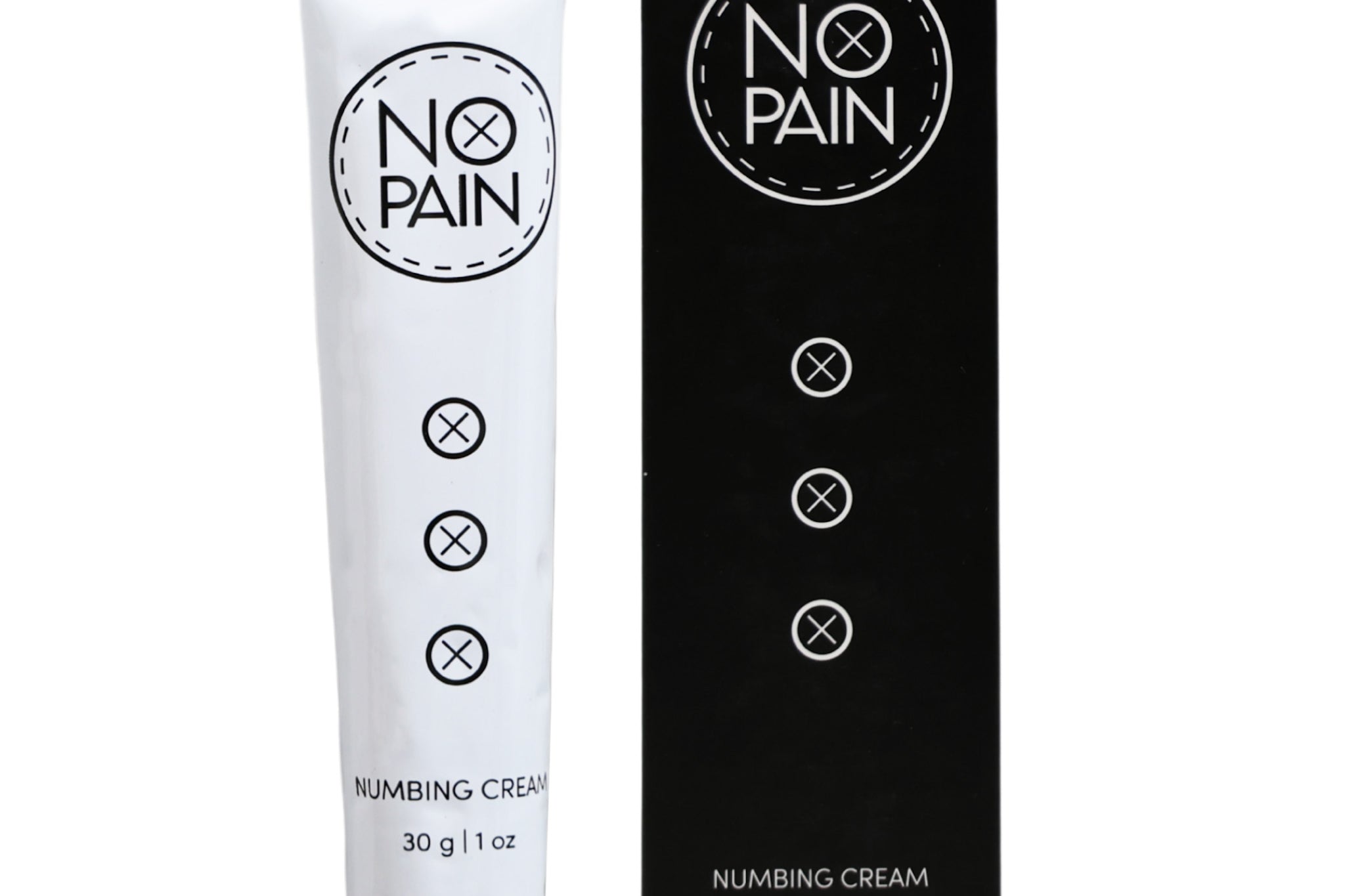
Maximum strength lidocaine in a thick, slow-absorbing base. Delivers the lidocaine gradually across the full 90 to 120-minute absorption window and holds coverage longer than thin creams. Formulated at Historic Tattoo in Portland.
What Affects How Long It Lasts
Several factors shift the effective window toward two hours or toward four. Most of them are within your control.
Application quality
This is the largest variable. A thin smear without cling film gives you surface numbing that wears off in 30 to 45 minutes. A proper two-coat application - thin first coat rubbed in gently, thick second coat left sitting on the surface like frosting, wrapped with cling film and left for 90 to 120 minutes - gives you the deep nerve saturation the cream is capable of. Most disappointing numbing cream experiences trace back to under-application or skipping the wrap.
The base formula
Every compliant numbing cream uses the same maximum strength lidocaine - the FDA sets the ceiling for over-the-counter products and they all hit it. What differs is how the lidocaine is delivered through the skin. A thin, fast-absorbing base delivers the lidocaine quickly and processes it out quickly. A thick, slower-absorbing base holds the lidocaine at the skin surface while it releases gradually, building to a deeper saturation level and staying consistent longer once the session starts. Formula is what the difference in duration comes from.
Placement
Bony, thin-skinned areas - ribs, collarbone, shin, ankle, spine, elbow ditch - tend to have higher nerve density and the numbing thins faster there. Fleshier placements like the outer arm, thigh, or upper back generally hold coverage longer through the session. If you're getting tattooed somewhere notoriously painful, plan for the shorter end of the range and have a mid-session contingency ready.
Skin type and vascularity
Plays a smaller but real role. Higher skin vascularity means the body metabolizes the lidocaine faster. Most people don't notice much variation here in shorter sessions, but it can account for an hour of difference across a long day.
The Full Timeline: Application to End of Session
Here is what a well-applied numbing session looks like from start to finish.
90 to 120 minutes before the session: Apply the cream in two coats on clean, dry skin. Thin first coat rubbed in, thick second coat left sitting on the surface. Wrap tightly with cling film. The lidocaine is absorbing and working its way to the nerve layer. Leave the wrap on until your artist removes it.
Session start (T+0): Wrap comes off. Artist cleans the area with green soap. Session begins. You're numb. The coverage built during the application window is now active.
First hour (T+0 to T+60): Peak coverage. Most people feel very little - pressure and vibration from the machine, minimal sting. The outline pass typically falls in this window. This is the most comfortable part of the session for numbed clients.
60 to 120 minutes (T+60 to T+120): Solid coverage for most placements. You may notice more pressure sensation and a lighter version of the sting compared to the first hour, but the lidocaine is still substantially active. First shading passes typically fall here.
120 to 180 minutes (T+120 to T+180): The window where coverage starts to thin for most people. Skin that's been worked multiple times is more sensitized, and the lidocaine level is declining. This is when most people describe feeling it "come back" - often right as the artist moves into later shading passes or color packing on areas already outlined.
Beyond 180 minutes: Coverage has thinned substantially. For sessions running this long, mid-session spray should already be in play before you reach this point.
When Numbing Fades Mid-Session
Once the needle breaks the skin, you can't reapply pre-session cream to extend coverage - it doesn't work the same way on open skin, and the residue would interfere with your artist's work. The solution is a numbing spray formulated specifically for broken skin.
Your artist sprays it directly onto the tattooed area during a natural break between passes. The lidocaine reaches the nerve layer quickly through the open skin - much faster than the 90 to 120-minute process intact skin requires - and resets coverage without stopping the session. Most people need it somewhere around the two-hour mark, right as the pre-session cream starts to thin.
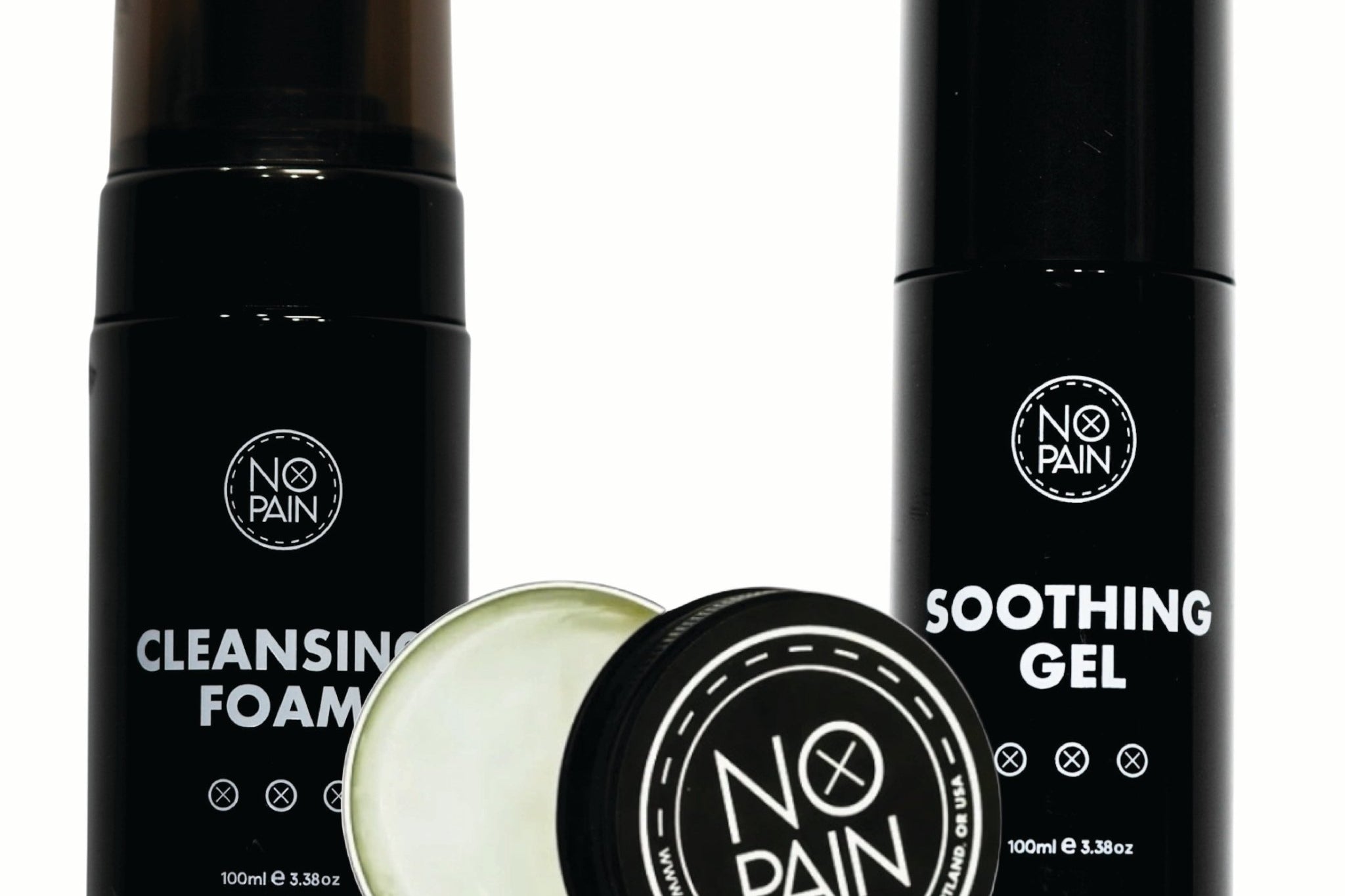
If you're planning a session over two hours, have the spray ready. The Comfort Bundle pairs the cream with the spray for exactly this: you apply the cream at home before the session, and your artist has the spray in hand to top up coverage when the numbing starts to fade.

Pre-session cream plus mid-session spray for broken skin. Covers the full session from first outline to final shading pass. Built for tattoos that run longer than two hours.
Frequently asked questions
How long does tattoo numbing cream last?
Two to four hours from the point the wrap comes off and the session starts, for a properly applied maximum strength cream. The numbing builds during the 90 to 120-minute application window and holds steadily into the session before fading gradually. Most people notice it thinning between 90 minutes and three hours in, depending on placement, application quality, and the cream's base formula. The 90 to 120-minute application time itself is not part of that window - that's absorption time before the session starts.
How long does numbing cream last on painful spots like ribs or the collarbone?
Expect coverage on the shorter end - closer to 90 minutes to two hours - on bony, thin-skinned placements with high nerve density. Ribs, collarbone, shin, ankle, and the ditch of the arm all tend to thin faster than fleshier spots. If you're getting a placement like this, apply a full two-coat method, wrap for the complete 90 to 120 minutes, and plan for mid-session spray if your session is running more than an hour. Don't expect to get the full four hours on those spots.
Does numbing cream wear off during a long tattoo session?
Yes. The lidocaine metabolizes naturally out of the tissue over the course of the session. It doesn't disappear suddenly - it fades gradually, usually starting to thin around the 90-minute to two-hour mark. Most people notice it as a return of the sharper sting during shading, when the skin is most sensitized from being worked. For sessions over two hours, a mid-session spray applied by your artist on broken skin extends coverage through the later passes.
What happens if I don't use the wrap?
The numbing lasts much less time - and is much less deep to begin with. The cling film traps body heat, which drives the lidocaine further down through the skin layers to the nerve endings below. Without the wrap, the cream sits at the surface, produces shallow numbing, and wears off in 20 to 45 minutes. Skipping the wrap is the most common reason numbing cream falls short of expectations. If the cream isn't working, the wrap is almost always the explanation.
Can I reapply numbing cream mid-session to make it last longer?
Not pre-session cream. Once the needle has broken the skin, applying pre-session cream to an open wound doesn't work the same way - the mechanism changes and the residue interferes with your artist's work. The right tool for mid-session is a numbing spray formulated for broken skin, applied by your artist during a natural break between passes. It absorbs fast through the open skin and resets coverage without stopping the session.
How long before a tattoo should I apply numbing cream?
Apply the cream 90 to 120 minutes before your session is scheduled to start. For longer sessions or high-pain placements like ribs, going up to two hours gives the lidocaine more time to build to full depth. Apply at home, wrap with cling film, and leave the wrap on until your artist removes it. Don't pull it early to check - the coverage builds in the second half of that window, and lifting the wrap disrupts the process. For a full walkthrough of the two-coat method, see Does Tattoo Numbing Cream Actually Work?
Two to Four Hours. Plan Around It.
Apply correctly, wrap, wait the full 90 to 120 minutes. For sessions over two hours, add the spray. That's the full setup for a comfortable session from the first line to the last pass.
Shop the Comfort Bundle →Formulated at Historic Tattoo in Portland, Oregon. 100% money-back guarantee.