


The inner wrist is one of the most popular tattoo spots in existence. It's also one of the more painful ones. That combination catches people off guard more than almost any other placement, because the tattoos that tend to go there are small and delicate, and small designs feel like they should be quick and easy. They are quick. Easy is a different question.
Here's what's actually happening at the inner wrist, why it hurts the way it does, and what you can do about it.
In this article
- Why the inner wrist hurts
- What the pain feels like
- Pain rating
- Using numbing cream
- The healing challenge
- Practical tips for your session
- Frequently asked questions
Why the Inner Wrist Hurts
Three things stack up here at once. Thin skin with no fat underneath, major nerve bundles running directly through the area, and bones close enough to the surface that the machine's vibration resonates against them. Any one of those would make a placement more painful. All three together put the inner wrist well above average.
The radial and ulnar bones sit right there below a minimal layer of tissue. Unlike the outer forearm, where you've got muscle between the skin and the bone, the inner wrist doesn't give you much of that. You feel the needle and you feel the bone, with very little in between.
The nerve situation is the other piece. The median nerve and the ulnar nerve both pass through the wrist on their way to the hand. These aren't minor nerves. They're the primary highways of sensation for your entire hand, which is why the wrist can feel it so sharply. Your nervous system at the wrist is running at high capacity compared to most other tattoo locations.
What the Pain Feels Like
Most people describe it as sharp and biting. Not a dull ache. Not the bone-deep rattle you get on the spine. It's an acute, surface-level sting that stays sharp rather than fading into background noise the way pain sometimes does in fleshier areas. A lot of clients also notice an almost electric quality when the needle passes over the crease at the very base of the wrist, where the tendons are closest to the skin.
The good news is that wrist tattoos are usually small and sessions are usually short. Most inner wrist pieces are done in an hour or less. That matters a lot for pain management, because the first 20 to 30 minutes of any session are almost always the most tolerable. You won't have time to fatigue the way you would in a three-hour rib piece. You go in, it's intense for a bit, and then it's done.
Pain Rating
Consistently 7 to 9 out of 10, depending on exactly where the needle is working. The flat part of the inner wrist, just above the crease, tends to land around a 7. Work right at the crease or extending up toward the palm pushes toward a 9. The very center of the wrist, directly over the tendons, is where most people find the sharpest moments of any inner wrist session.
For comparison: the outer forearm is around a 3. The outer bicep is similar. The inner wrist is genuinely in a different category than those placements, and people who have only gotten tattooed on comfortable outer surfaces sometimes underestimate how different it'll feel.
Using Numbing Cream
Inner wrist tattoos are a strong candidate for numbing cream, for one specific reason: the design usually requires precision. Words, dates, delicate line work, small symbols. These need the artist to work cleanly, and that requires you to stay still. A sharp unexpected spike of pain is exactly what makes people flinch at the wrong moment, and a flinch over fine script does real damage to the work.
Applied correctly 60 to 90 minutes before your session, a maximum strength numbing cream takes the inner wrist from a 7-to-9 experience down to something in the 3-to-4 range for the first couple of hours. That's the difference between white-knuckling through fine linework and holding your arm relaxed and still on the table.

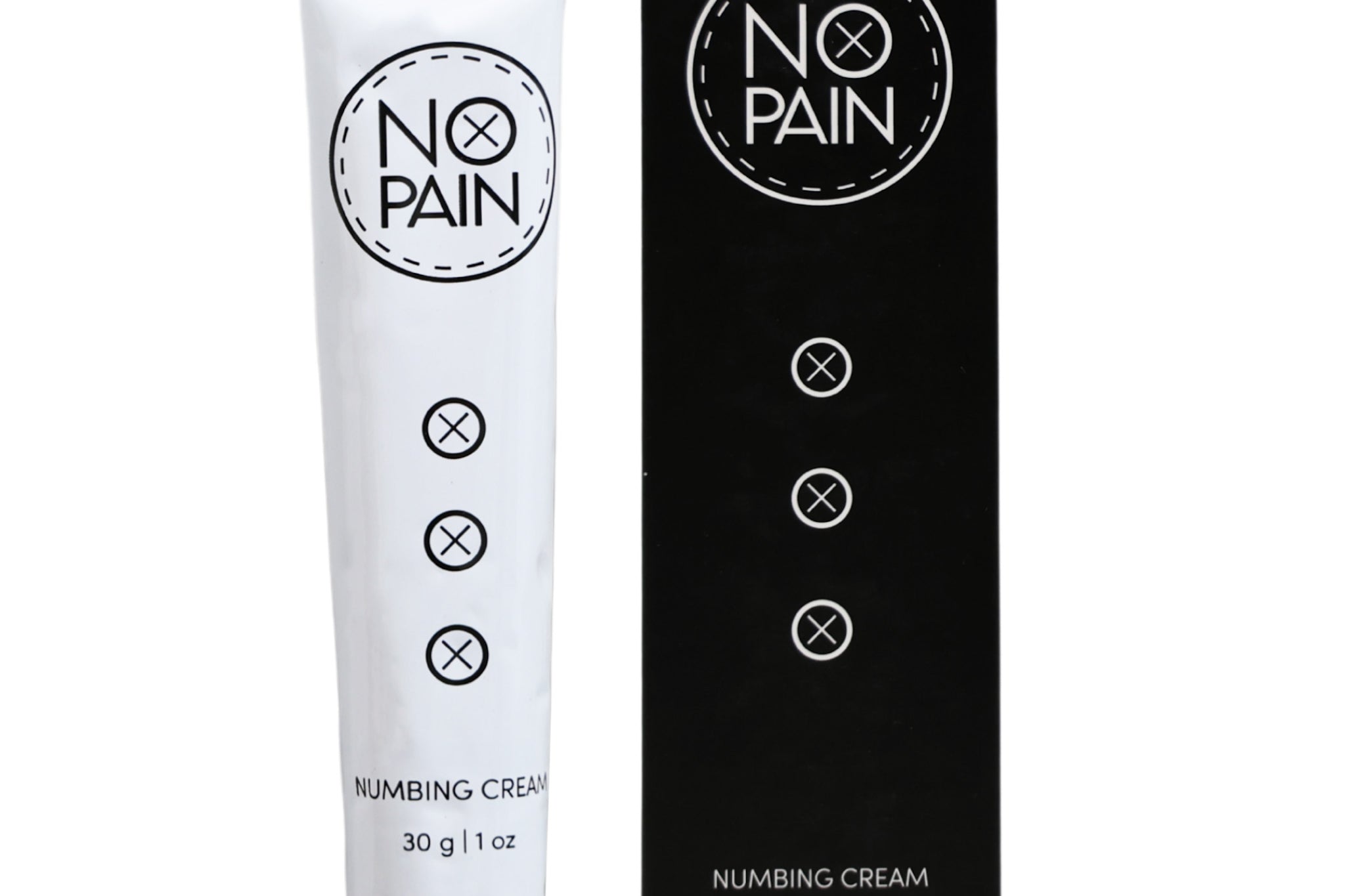
Maximum strength formula in a thick, slow-absorbing base that holds longer than thin creams that burn through in 15 to 20 minutes. Apply 60 to 90 minutes before your session, cover with plastic wrap, and arrive with the numbing fully built up. Makes the sharp, biting sensation of the inner wrist noticeably more manageable. Formulated at Historic Tattoo in Portland.
The Healing Challenge
Pain during the session is one thing. The wrist also comes with its own healing complications that most other placements don't have to the same degree.
Your wrist bends constantly. Every time you type, cook, open a door, or turn a steering wheel, the skin over the inner wrist folds and stretches. During the two to three weeks that the surface is healing, that movement is working against the tattoo. It means more friction, slower closure, and a higher chance of ink loss in the peeling phase, particularly in fine lines that need clean edges to read well.
Wrist tattoos are also exposed. They're not tucked under clothing like a rib or hip piece. The healed surface is hitting the sun, water, soap, and environmental contact constantly. Consistent aftercare matters more here than on a protected placement.

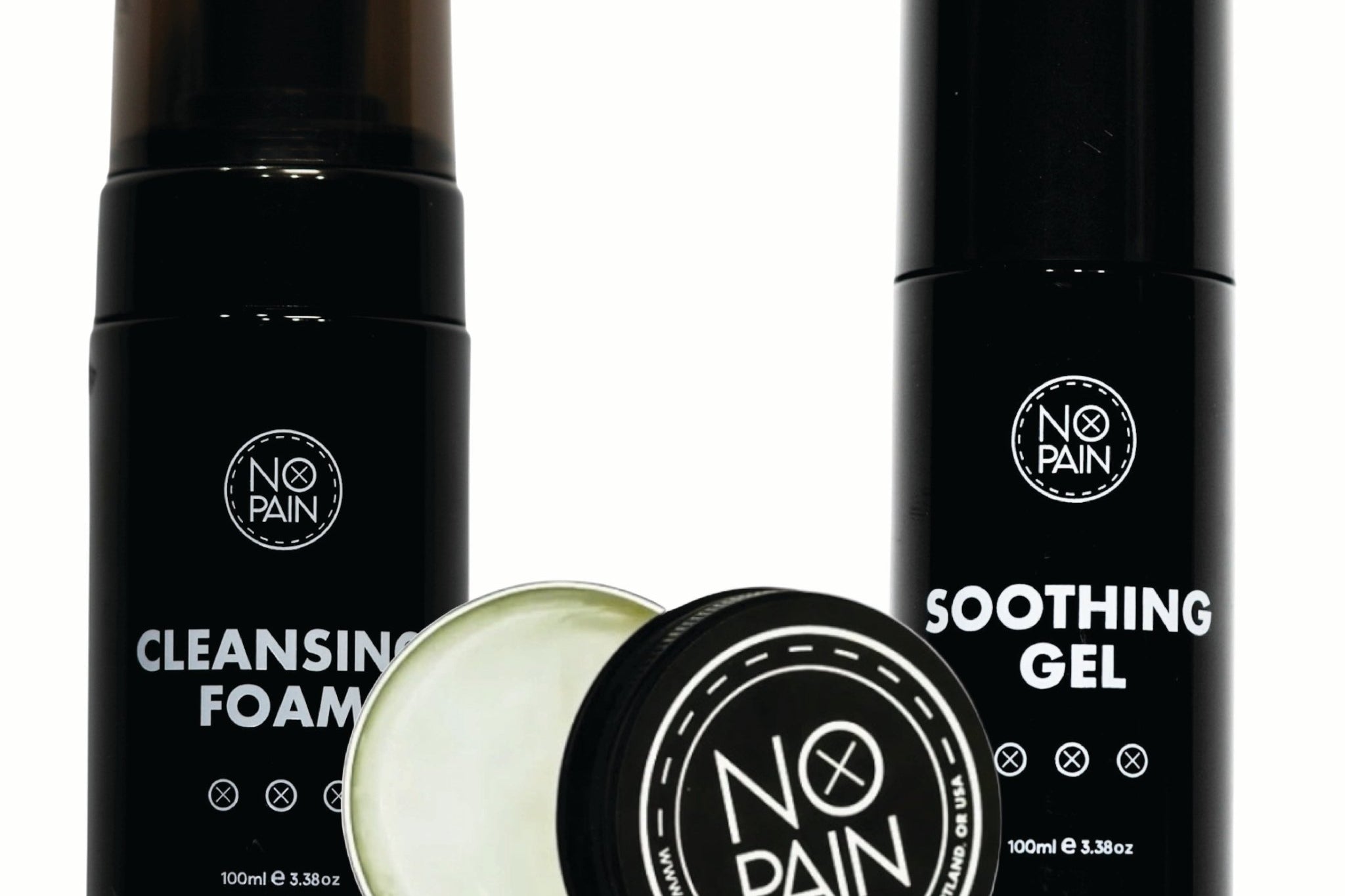
Cleansing foam, soothing gel, and aftercare balm. The complete routine from day one through the end of healing. Formulated for tattoos in exposed, high-movement areas where sloppy aftercare shows up in the final result. Free from fragrance, petrolatum, and alcohol. Formulated at Historic Tattoo in Portland.
Practical Tips for Your Session
Tell your artist you're planning to use numbing cream before you book. Most artists are fine with it; a few have preferences about how it affects skin texture during certain techniques. Better to confirm beforehand than show up and have to redo the prep.
Wear a sleeve you can easily roll up, or a short sleeve. You don't want anything pressing against the freshly wrapped numbing area during the wait time, and you don't want to be wrestling with tight fabric when you sit down in the chair.
Eat beforehand. This applies to any session, but inner wrist tattoos are deceptively intense, and blood sugar drops make sharp pain sharper. A real meal, not just coffee.
Don't look at what the artist is doing if you're already anxious. The visual of the needle near the tendons and veins on the inner wrist is one of the things that makes people tense up, and tension makes pain worse. Look away, breathe steadily, find something else to focus on.
Plan for some downtime after. Most people underestimate how tired they feel after an intense 45-minute session. You've been holding your arm still against instinct for close to an hour. Give yourself the rest of the afternoon before heading back to a full schedule.
Frequently asked questions
How painful is an inner wrist tattoo?
Most people rate it 7 to 9 out of 10. The inner wrist has thin skin with no fat cushioning, bones close to the surface, and major nerve bundles running through the area on their way to the hand. The sensation is sharp and biting rather than the dull ache you get in fleshier locations. Work at the wrist crease and over the tendons tends to be the most intense part of the session. The saving grace is that most wrist tattoos are small and sessions are short.
Is the inner wrist more painful than the outer wrist?
Yes, noticeably. The outer wrist has more tissue between the skin and the underlying structure, and the nerve density is lower. The inner wrist is where the major nerves to the hand pass through, and the tendons are much closer to the surface. If you're choosing between the two, the outer wrist is the more comfortable option. If you need the inner wrist for the design, numbing cream is worth using.
Can you use numbing cream on the inner wrist?
Yes, and it works well there. Apply a thick layer 60 to 90 minutes before your session and cover it with plastic wrap to help absorption. The inner wrist is a small area, so coverage is easy. Most people find a maximum strength formula takes the experience from genuinely difficult to manageable. Let your artist know you've numbed ahead of time so they can account for any minor differences in skin texture.
Do inner wrist tattoos fade faster?
They can, especially fine-line work. The constant movement of the wrist causes the skin to flex repeatedly, which affects how ink settles during healing and how the tattoo holds up over years. Sun exposure is another factor since the inner wrist isn't protected by clothing. Bold, high-contrast designs age better than fine linework in this location. Good aftercare during the healing window and sun protection afterward helps preserve the work longer.
How long does an inner wrist tattoo take to heal?
Surface healing typically follows the standard two-to-three-week arc: redness and tenderness in the first few days, peeling starting around day five to seven, visible flaking wrapping up by week two to three. Full dermal healing takes closer to three months. The wrist often takes slightly longer on the surface because of the constant movement. Keeping it moisturized and avoiding submerging it in water during the first two weeks gives it the best chance of healing cleanly.
What designs work best on the inner wrist?
Simple, high-contrast designs hold up best on the inner wrist long-term. Single-word script in a bold weight, clean symbols, minimal line work, and small geometric shapes all translate well to the size constraints and age reasonably in a high-movement location. Extremely fine hair-line work can look beautiful when fresh but tends to blur or fade faster on the wrist than on more stable, padded placements. If longevity matters to you, discuss line weight with your artist before finalizing the design.
Don't Flinch Through Fine Linework
The inner wrist needs precision from you as much as from your artist. Numbing cream before the session keeps you still and calm. Aftercare bundle through the heal keeps the result clean.
Shop Numbing Cream →Formulated at Historic Tattoo in Portland, Oregon.