


How to Keep Fine-Line Tattoos from Blurring Over Time
Fine-line tattoos are the most vulnerable to long-term blurring. The thinner the line, the less margin there is for the ink to spread before the tattoo loses its definition. But blurring is not inevitable. It is driven by specific factors, and most of them are within your control.
Why Fine-Line Tattoos Blur
Ink in a tattoo is not stationary. The particles deposited into the dermis are gradually broken down by the immune system and redistributed over years. In a bold tattoo with thick lines, this migration is barely perceptible because there is enough ink density to absorb the loss. In a fine-line tattoo, the same process blurs hairline strokes into broader, softer marks.
UV exposure accelerates this process. The radiation from the sun breaks down ink particles and degrades the collagen structure of the dermis that anchors them. Fine-line work in sun-exposed areas ages faster than the same work in protected placement.
Skin condition also matters. Dry, dehydrated skin has lower collagen density and less structural integrity than well-maintained skin. The same ink placed in two people of the same age will look sharper in twenty years in the person who maintained their skin consistently.
Finally, the tattooing itself matters. A fine-line tattoo placed too shallow will blur faster as the ink migrates toward the surface and gets caught in the cell turnover of the epidermis. One placed correctly in the mid-dermis has a much longer lifespan before blurring becomes visible.
Getting the Heal Right
The heal phase is where fine-line tattoos are most vulnerable. Any disruption to the healing process, scab pulling, heavy friction, or inadequate moisture, can cause the ink to migrate or be displaced before it has a chance to anchor properly in the dermis. A fine line that was clean going into the heal can emerge from a poor heal already softer and less defined than it was on day one.
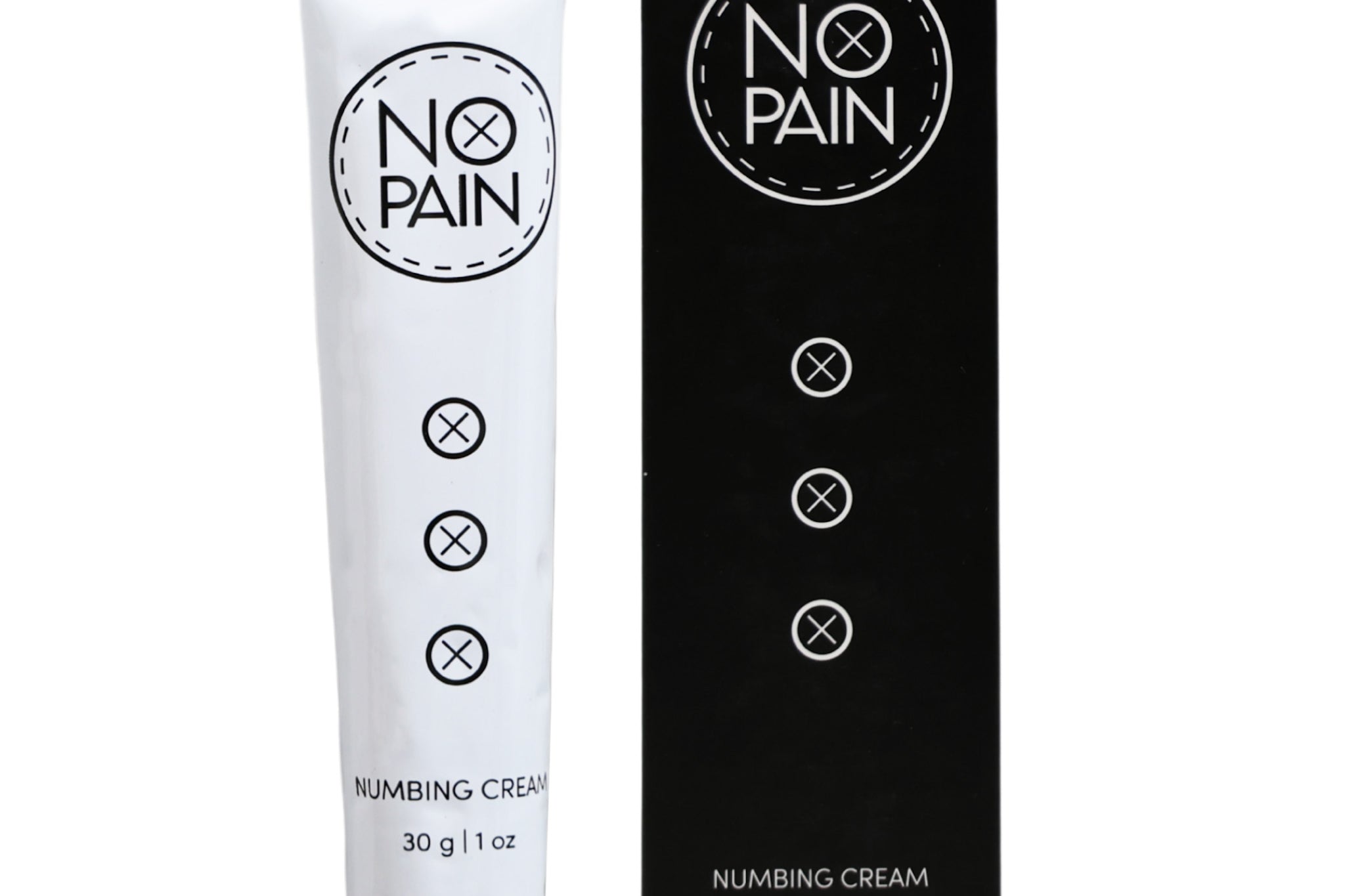
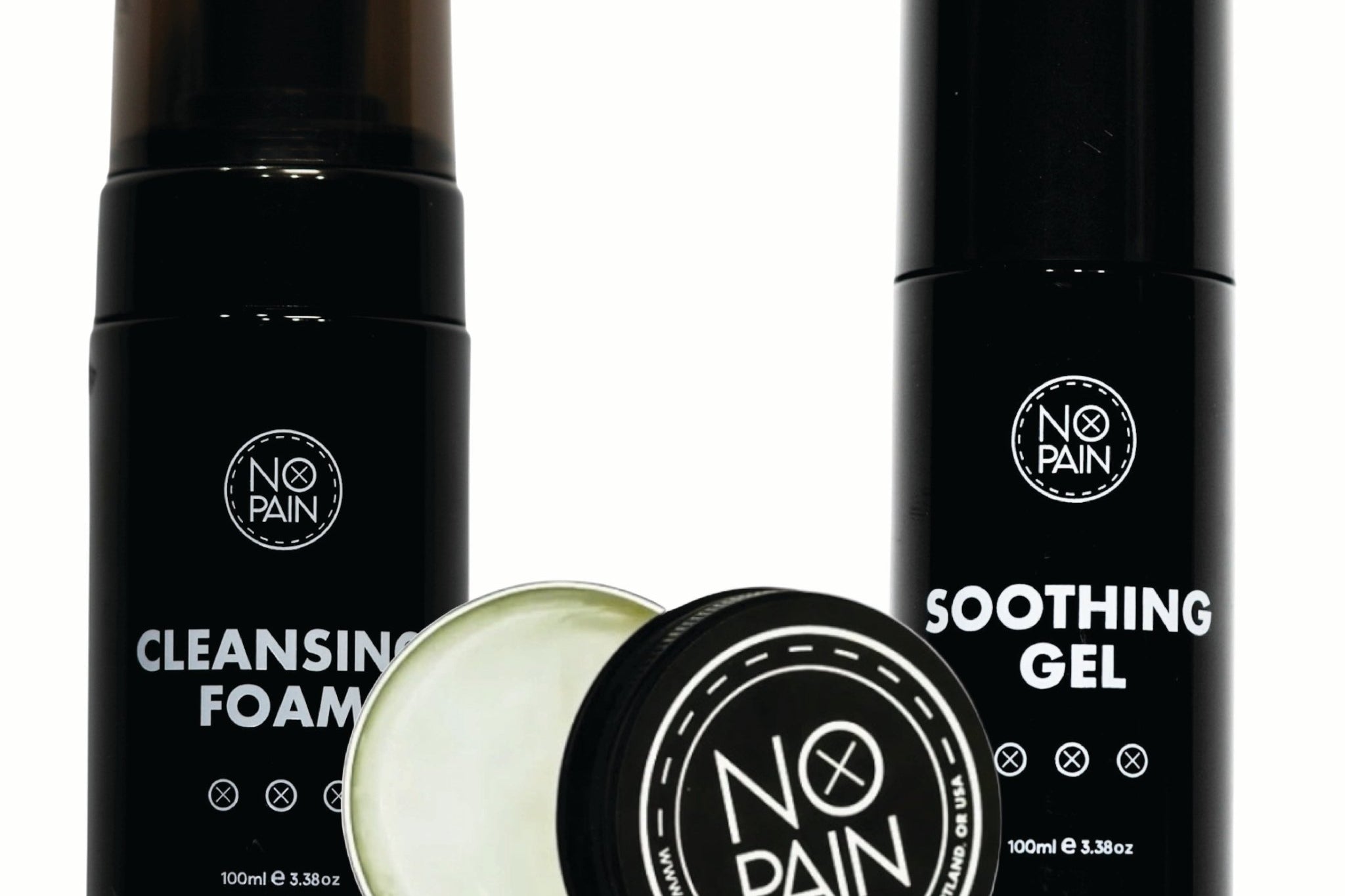
For the first three days, keep the tattoo consistently moisturized with a soothing gel applied after each wash. The gel reduces the inflammatory response and keeps the fine lines from drying into the kind of thick, cracking scab that disrupts ink when it sheds.

From day three onward, switch to a balm applied two to three times per day. This is particularly important for fine-line work because the scab that forms is typically thinner and more fragile than the heavy scabs that develop over bold color fills. A pliable, moisturized scab over fine linework sheds cleanly. A dry, rigid scab over the same lines can pull the ink when it detaches.

Sun Protection Is Non-Optional
UV is the primary accelerant of fine-line blurring. It is not a contributing factor or a risk to consider; it is the single most direct environmental cause of premature degradation in fine-line work.
Apply a broad-spectrum SPF 30 or higher to any fine-line tattoo that will be exposed to sun. Apply it 20 to 30 minutes before exposure. Reapply every two hours if outdoors for extended periods. Physical sunscreens (zinc oxide or titanium dioxide) are particularly effective on tattooed skin because they sit on the surface and physically block UV rather than relying on chemical absorption.
This is most critical during the first year when the ink is still settling and the dermal structure around it is still stabilizing. After the first year, consistent SPF application remains worthwhile and has a measurable effect on how the tattoo looks at the five and ten year marks.
For wrist, forearm, and collarbone placements specifically, daily SPF as part of a morning routine (the same time as face sunscreen) is the most practical approach. Waiting until you are actively in the sun means the tattoo has already been exposed during the walk to the car, the commute, the walk from the carpark.
Long-Term Skin Care for Fine-Line Work
Skin hydration directly affects how fine-line tattoos look and how quickly they blur. Well-hydrated dermis maintains its collagen density better, provides a more stable matrix for ink particles, and looks clearer as a window for the ink to show through. The same fine-line tattoo on consistently moisturized skin looks noticeably sharper than the equivalent tattoo on neglected dry skin five years later.
Once per day moisturizing with an unscented balm or body lotion is the target for long-term maintenance. This is not a large time investment; the same balm used for aftercare works for ongoing maintenance. A morning or evening application after washing is sufficient.
Retinol and exfoliating acids in skincare products increase cell turnover in the epidermis. This can accelerate the fading and blurring of fine-line work over the tattooed area. If you use these products elsewhere on your skin, apply them carefully and keep them away from fine-line tattoos. The anti-aging benefit to the surrounding skin is not worth the accelerated aging of the tattoo above it.
Placement and Blurring Risk
Not all placements age equally. High-UV-exposure placements (wrists, forearms, hands, collarbone, back of neck) blur faster than placements that are typically covered by clothing. High-friction placements (inner wrist, finger, elbow ditch, foot) experience more mechanical stress that can contribute to blurring at the edges.
Placements over areas of the body that gain or lose weight also age differently. The dermis stretches and contracts with the skin, and ink in areas subject to large skin changes may blur or distort over time as the dermal matrix remodels.
These factors do not mean you should not get fine-line work in these locations. They mean you should go in knowing the maintenance requirements are higher and the longevity expectations should be adjusted accordingly. An annual SPF and moisturizing routine is required for fine-line work in high-exposure placements.
Frequently Asked Questions
How long do fine-line tattoos stay sharp?
Under good care (consistent sun protection, regular moisturizing, healthy skin generally), fine-line tattoos can retain good definition for five to ten years or longer. Without sun protection, the same tattoo on a sun-exposed placement may show noticeable blurring within two to three years. The variance is almost entirely attributable to aftercare and maintenance rather than something inherent to the style.
Can a blurred fine-line tattoo be fixed?
Yes, up to a point. A fine-line tattoo with mild blurring can be touched up by a skilled artist who works in the style. This typically involves carefully re-establishing the original lines and may involve adjusting the design slightly to account for how the ink has migrated. Once blurring is severe and the ink has spread widely, reworking becomes more difficult and may require a design shift rather than a simple line reinforcement.
Does the ink color affect how quickly fine lines blur?
Yes. Black ink is the most stable and produces the sharpest, longest-lasting fine lines. Colored inks (particularly light colors, pastels, and whites) fade and blur faster than black. If longevity is a priority for fine-line work, black or very dark grey is the most durable choice.
Is there anything I can do to slow blurring once it has started?
Sun protection and consistent moisturizing are the two interventions that have the most impact. Stopping any skincare products with exfoliating acids or retinol over the tattooed area is also worthwhile if you have been using them there. These steps will not reverse existing blurring but will slow its progression.
My artist said fine-line tattoos always blur. Is that true?
All tattoos change over time, and fine-line work changes more visibly than bold work because there is less ink density to absorb the gradual migration. But "always blur" is too absolute. Fine-line tattoos on people who maintain their skin well, protect from UV, and have healthy skin generally can stay remarkably sharp for many years. The caveat is that some placements (hands, fingers, feet) blur faster than others regardless of maintenance because of the specific mechanical and environmental stresses those areas face.
Do I need to use sunscreen even in winter?
UV radiation reaches the skin year-round, including in winter and on overcast days. UVA, the wavelength most responsible for skin aging and tattoo fading, penetrates cloud cover and glass. For fine-line tattoos on exposed placements, daily SPF application is worthwhile regardless of season, though the stakes are higher in summer when UVB is also present and overall UV intensity is elevated.