


The side of the foot—the lateral edge running from the heel to the small toe—is one of the more unusual tattoo placements in terms of both pain experience and healing behavior. It attracts clients because it's easily hidden in most footwear and provides a long, narrow canvas for script, botanical designs, or geometric pieces. Here's what the experience actually involves.
The pain level
The side of the foot consistently ranks as one of the more painful placements. The reasons are structural: the skin is thin, there's minimal fat or muscle cushioning the needle from the underlying bones and tendons, and the area has a high density of nerve endings from the network of nerves that run through the foot. The sensation most clients describe is sharp and stinging rather than the dull, achy quality of muscle-area tattoos—closer to what you'd feel on the inner arm or behind the knee than the muted pressure of tattooing a thigh or shoulder.
The heel edge of the placement tends to be more intense than the mid-foot side, and the area around the ankle bone amplifies the sensation further. The lateral malleolus (the prominent ankle bone on the outer foot) is particularly sensitive and can produce a bone-vibration feeling similar to tattooing near the spine.
The part no one warns you about: healing
The pain of getting tattooed on the side of the foot is manageable for most people. The healing is a different challenge entirely, and this is what clients most consistently underestimate.
The foot moves constantly—with every step, the skin on the lateral edge flexes, stretches, and compresses. This continuous movement slows the formation of the protective healing layer that allows fresh ink to set properly. Combined with the fact that the foot is the hardest part of the body to keep elevated and keep dry, the result is that side-of-foot tattoos take longer to heal, are more prone to ink loss, and require more touch-ups than most placements.
Footwear is the main complication. Any shoe or sock that contacts the healing tattoo creates friction that disrupts the surface. Sandals that avoid the lateral edge entirely are ideal during the first two weeks, but not always practical. If you must wear shoes, going barefoot at every available opportunity during the healing period and padding the tattoo area with a clean bandage against friction helps.
Ink retention
Side-of-foot tattoos fade faster and retain less initial ink than placements with more stable skin. The foot's skin has a different composition from arm or leg skin—it's tougher in high-friction areas, and the constant movement during healing affects how ink anchors in the dermis. Many artists who regularly do foot tattoos build in the assumption of a touch-up at six to eight weeks as a standard part of the process, not a corrective measure. If your artist doesn't mention this, ask about it directly.
Fine-line work on the side of the foot is particularly vulnerable—the delicate linework that looks sharp immediately after the session may soften or partially disappear as the skin heals. Bold lines and denser designs hold better in this location than intricate fine detail.
Managing the session
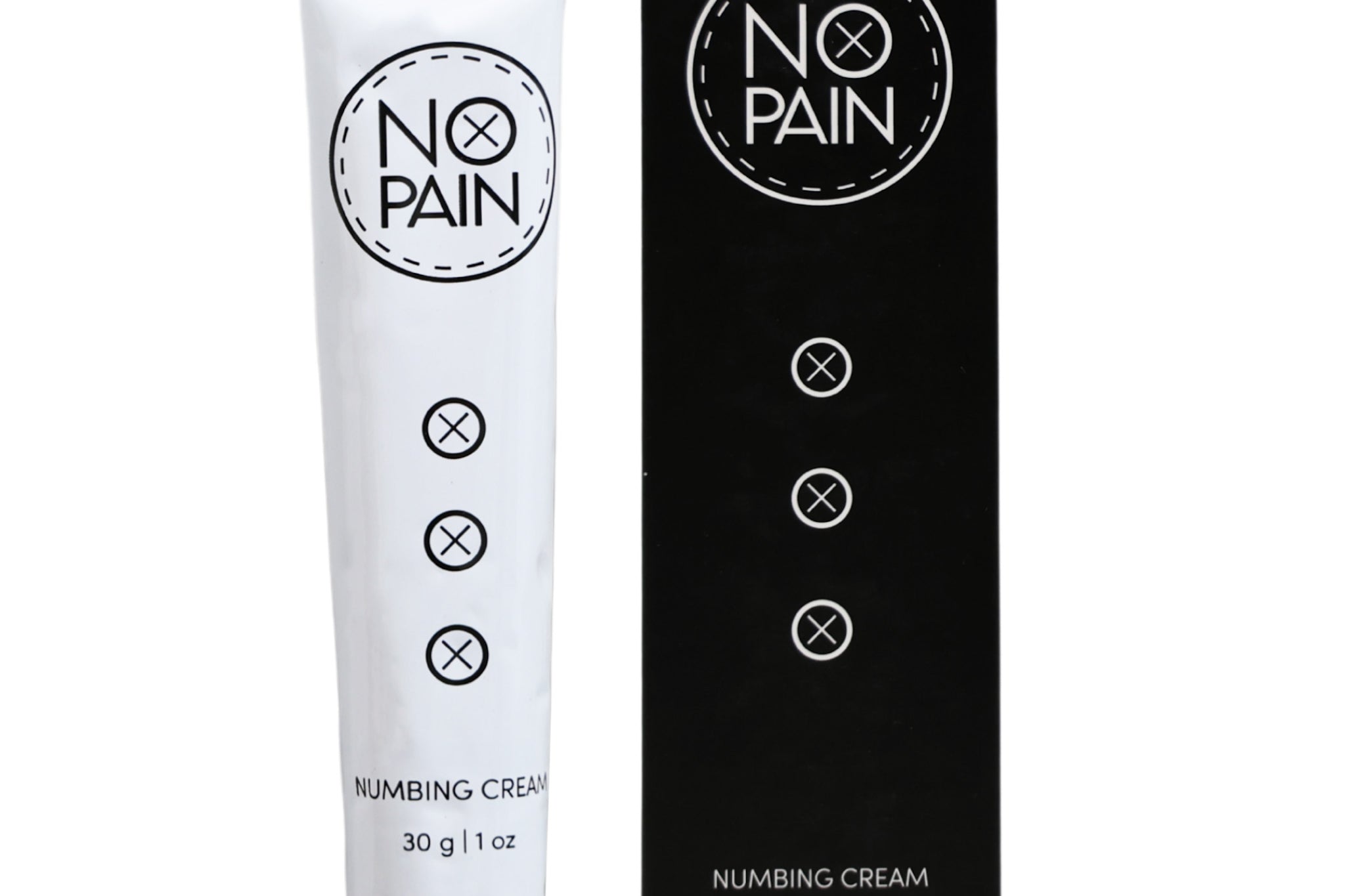
For anyone concerned about the pain level, applying No Pain Tattoo Numbing Cream an hour before the session—covering the lateral foot from heel to the small toe and wrapping with cling film—meaningfully reduces the initial intensity. The side of the foot is one of the placements where the first ten to fifteen minutes tend to be the hardest, and numbing cream is most effective during this phase. Sessions here are also generally short due to the design constraints of the placement, so the window of discomfort is bounded even without numbing.
Hydrate well beforehand, have a full meal a few hours prior, and if you can keep your leg elevated during the session, take advantage of that—it reduces swelling during the work itself.