


Tattoo pricing is not arbitrary, and it is not purely about how long the artist takes. It reflects their experience, the complexity of the work, the resources the piece requires, and the market they operate in. Understanding the structure behind how artists charge helps you budget accurately, communicate more clearly, and make better decisions about where and how to spend your money.
In this article
- Hourly rate vs. flat rate
- The shop minimum
- What affects the price
- Deposits
- What the money actually covers
- Tipping
- Frequently asked questions
Hourly Rate vs. Flat Rate
Most tattoo artists work on one of two pricing structures: hourly or flat rate per piece.
An hourly rate means you pay based on how long the tattoo takes. The artist quotes their rate upfront — commonly between $100 and $300 per hour for experienced artists, higher for those with significant demand or specialization — and the final cost is determined by actual time in the chair. Hourly pricing works well for larger, more complex pieces where the time commitment is genuinely hard to estimate in advance.
A flat rate means the artist quotes a single price for the piece as a whole, regardless of how long it takes. This approach is more common for smaller designs, flash tattoos (pre-drawn designs available at a set price), and pieces with a clearly defined scope. The artist prices based on their estimate of time and complexity, and you pay that amount regardless of whether the tattoo takes two hours or four.
Some artists use a hybrid approach: flat rate for smaller work, hourly for anything that requires extended planning or is difficult to scope precisely. If you are unsure which applies to your piece, ask upfront.
The Shop Minimum
Almost every studio has a minimum charge — a floor below which they will not take a booking, regardless of how small or simple the tattoo is. Shop minimums typically fall between $80 and $200 depending on the studio, location, and the artist's positioning.
The minimum exists because every appointment has fixed costs associated with it: setup and breakdown time, supplies, sterilization, and the use of the artist's equipment and space. A tiny tattoo that takes fifteen minutes still requires all of that overhead. The minimum ensures those costs are covered.
If you are looking at a very small or simple design, the shop minimum is likely what you will pay rather than an hourly calculation.
What Affects the Price
Size. The most straightforward factor. Larger pieces take more time and require more ink, needles, and setup. A rough size in inches is the first thing most artists ask for when estimating a piece.
Placement. Certain areas of the body are harder to tattoo — they require more adjustments, the skin behaves differently, or the client needs to be positioned in ways that slow the work. Ribs, feet, hands, necks, and fingers are commonly cited as placements that require more time and care, which can affect the price.
Color vs. black and grey. Color tattoos typically cost more than equivalent black and grey work. Color requires more passes, more time, and more supplies. A design that works in both color and black and grey will almost always be less expensive in the latter.
Detail level. A piece with intricate linework, dense patterning, fine detail, or complex shading takes longer than a simpler design of the same size. Two four-inch tattoos can have dramatically different prices based on what is inside them.
Artist experience and demand. Artists price their time according to their skill level, the demand for their work, and the market they operate in. A ten-year veteran with a waitlist commands a different rate than an artist in their first two years. This is not a reason to seek out the cheapest option — it is a reason to calibrate your expectations to the artist's level and price accordingly.
Deposits
Most studios require a deposit to hold your booking. The deposit covers the artist's design time — they may spend hours working on your custom piece before your appointment day — and protects them if you cancel or no-show. Deposits typically range from $50 to $200 and are applied toward the total cost of the tattoo at the end of your session.
Deposits are almost always non-refundable. If you cancel with sufficient notice and reschedule, many studios will transfer the deposit to the new date. A last-minute cancellation or no-show means you lose the deposit.
What the Money Actually Covers
When you pay for a tattoo, you are not paying only for the time the needle is on your skin. You are covering the artist's design work and preparation, a full set of single-use needles, the ink used in the piece, gloves, barriers, and other consumables, the use of the studio's equipment and space, and the artist's training and overhead. A significant portion of the session price goes to the studio in the form of a house cut — typically 30 to 50 percent. What the artist takes home after that is a meaningful fraction of the number you paid.
This is relevant context for how you approach conversations about price. An artist who charges $200 per hour and works an eight-hour day does not pocket $1,600 — after the house cut, supplies, and other costs, the actual take-home is considerably less.
Tipping
Tipping is standard in the tattoo industry. The convention is 15 to 20 percent of the total session cost. A tip is appropriate for good work at any price point, for artists who went above and beyond on the design, and whenever you felt well taken care of throughout the session. If your budget is tight enough that tipping feels impossible, that is a signal the appointment should wait until you can absorb the full cost including the tip.
Protect What You Paid For
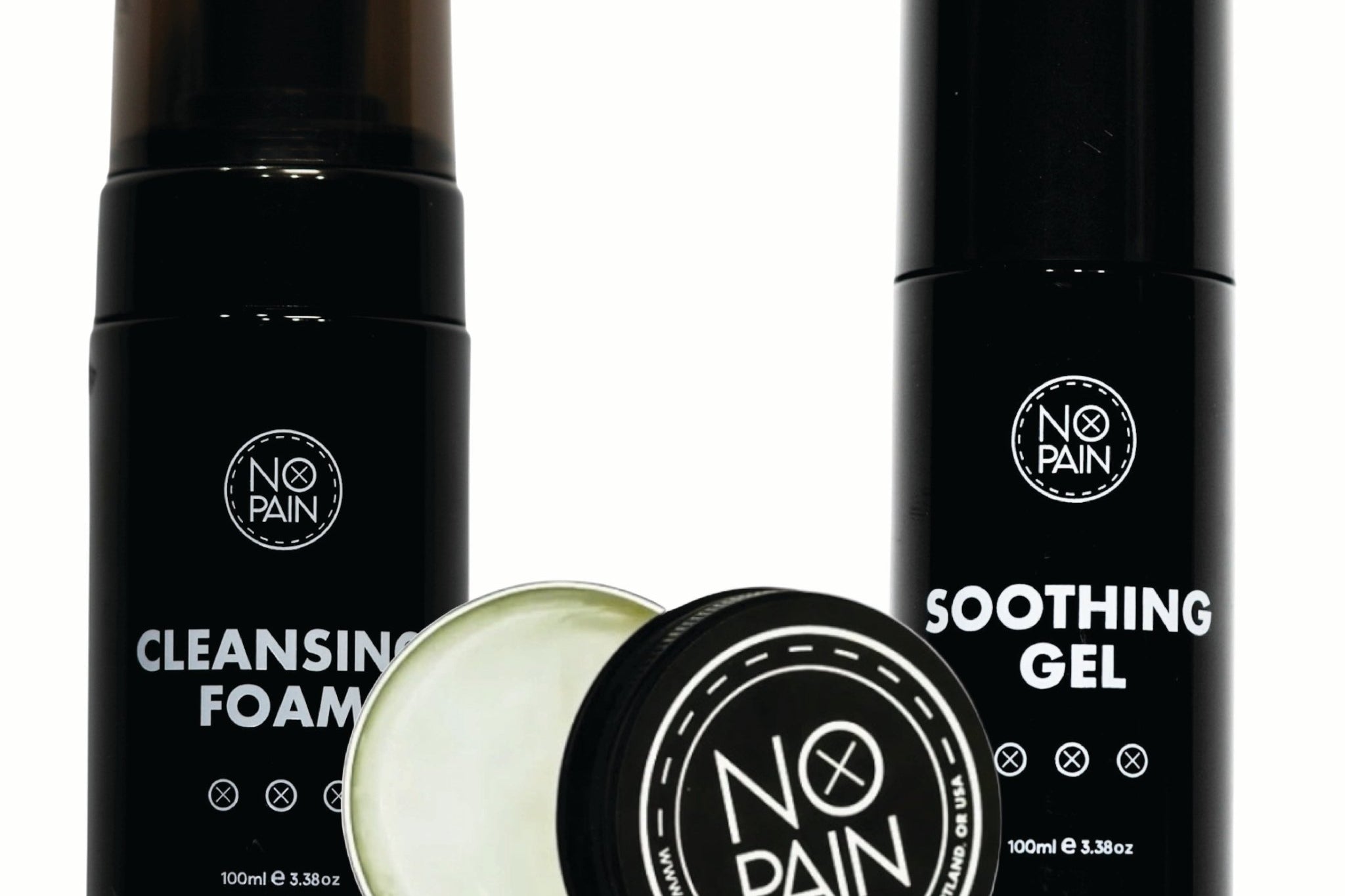
Your tattoo is a significant investment. The Aftercare Bundle gives you everything you need to heal it correctly — Soothing Gel for the first three days and Aftercare Balm for the weeks that follow.
Shop the Aftercare Bundle →Formulated at Historic Tattoo in Portland, Oregon. 100% money-back guarantee.
Frequently asked questions
Why do tattoo prices vary so much between artists?
Artist rate reflects experience, skill level, demand, geographic market, and specialization. An artist with five years of experience tattooing fine-line botanical work in a competitive urban market will charge more than an artist two years into their career in a lower-cost market. The variation is real and meaningful, and price is generally a reasonable proxy for experience — though it is not a perfect one in either direction.
Is it normal to not know the final price before the session?
For hourly-rate artists, yes. They can give you an estimate based on the scope of the piece, but the final number depends on actual time. Ask for an estimated range and check in during longer sessions if you have a hard ceiling. For flat-rate work, you should know the price before the session begins.
Can I negotiate the price of a tattoo?
Not in the way you might negotiate a purchase price. You can ask what is achievable within your budget, and you can adjust the design scope to bring the cost down — smaller size, less detail, black and grey instead of color. What you should not do is ask an artist to reduce their rate. That conversation signals that price is your primary driver, which is not a great first impression and rarely produces the outcome you are looking for.
Why does color tattooing cost more?
Color requires more passes over the skin than black and grey. Each color needs to be packed separately, which takes time. Color tattoos also require a larger range of supplies — multiple inks versus a handful of grey washes. The additional time and materials translate directly to additional cost.
What happens if a tattoo takes longer than the artist estimated?
For hourly work, you pay for the actual time. If the piece runs longer than estimated, the cost goes up accordingly. Most artists communicate as the session progresses if it is running significantly over. If you have a firm budget, tell your artist at the start of the session and ask them to let you know if you are approaching it. A session can be split into two appointments if the piece is not finished within what you can cover that day.
Is it disrespectful to ask for a price estimate before booking?
Not at all. Asking for an estimate is a normal and expected part of the booking process. Share your concept, size, and placement with the artist and ask for a rough range. That gives both of you a baseline to work from. What crosses into awkward territory is price-shopping within a consultation room or asking artists to bid against each other.