
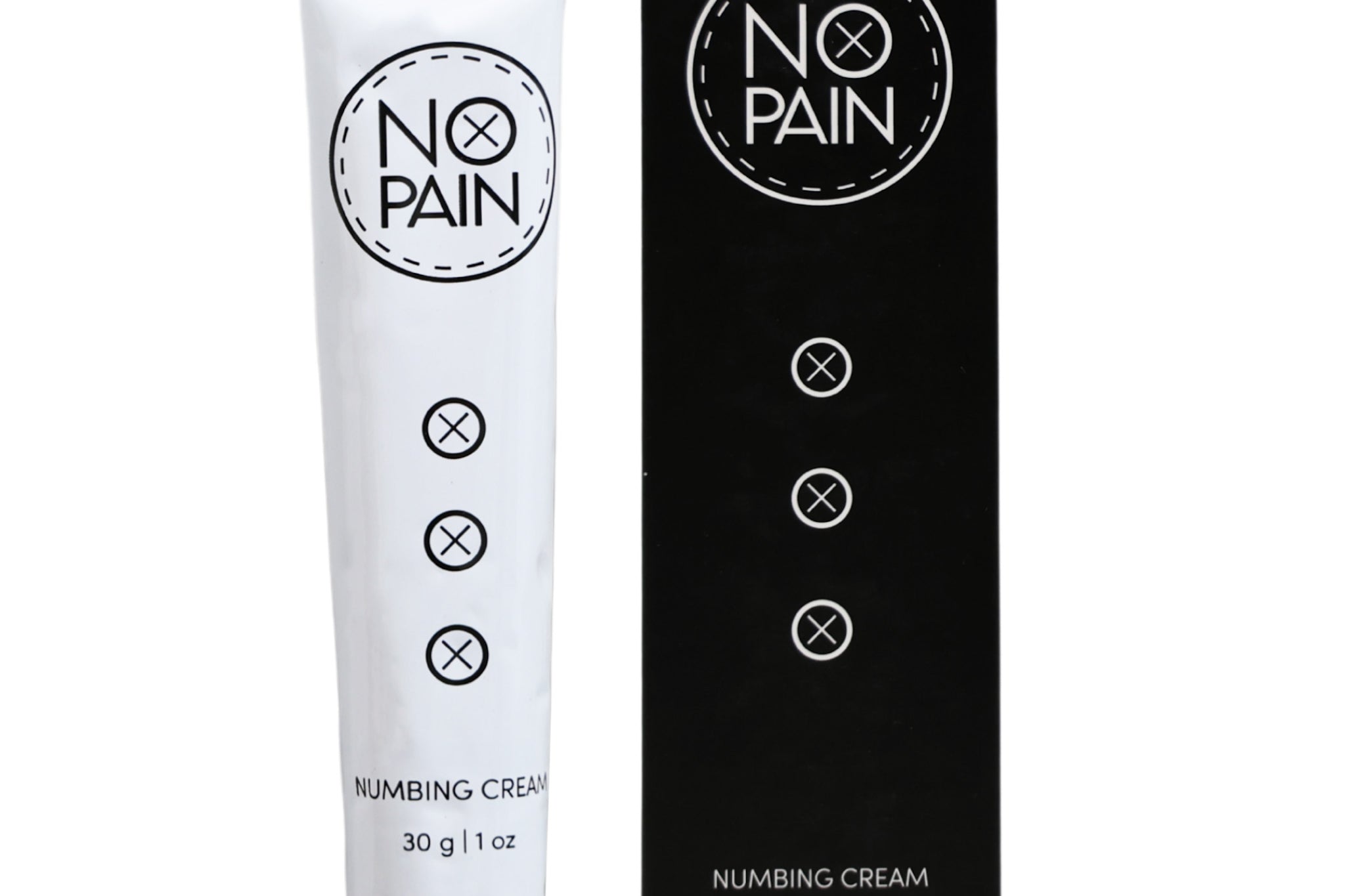



A beach vacation is the definition of relaxation for most people — until you factor in tattoos. Sun, salt water, sand, and heat are a particularly hostile combination for your body art, whether you're protecting a fresh piece or trying to preserve decades of collected work. Getting the planning right before you leave is the difference between coming home with vibrant ink and coming home with sun-damaged, faded regret.
This guide covers both scenarios: what to do if your tattoos are fully healed, and what to do if you've made the timing mistake of getting ink just before a beach trip.
For Healed Tattoos: The Preservation Plan
Healed tattoos can absolutely go to the beach — they just need protection. The two biggest threats are UV radiation and dehydration.
Sunscreen is non-negotiable. UV rays are the primary cause of tattoo fading over time — they penetrate the skin and break down ink pigment particles, which the body then gradually clears away. A full day at the beach, especially near reflective water, is an enormous UV exposure event. Apply a high-SPF (30 or higher), broad-spectrum, waterproof sunscreen to every tattooed area at least 30 minutes before going outside. Reapply every two hours and immediately after you get out of the water. Make this a non-negotiable part of your beach routine regardless of how overcast the sky looks — UV penetrates cloud cover.
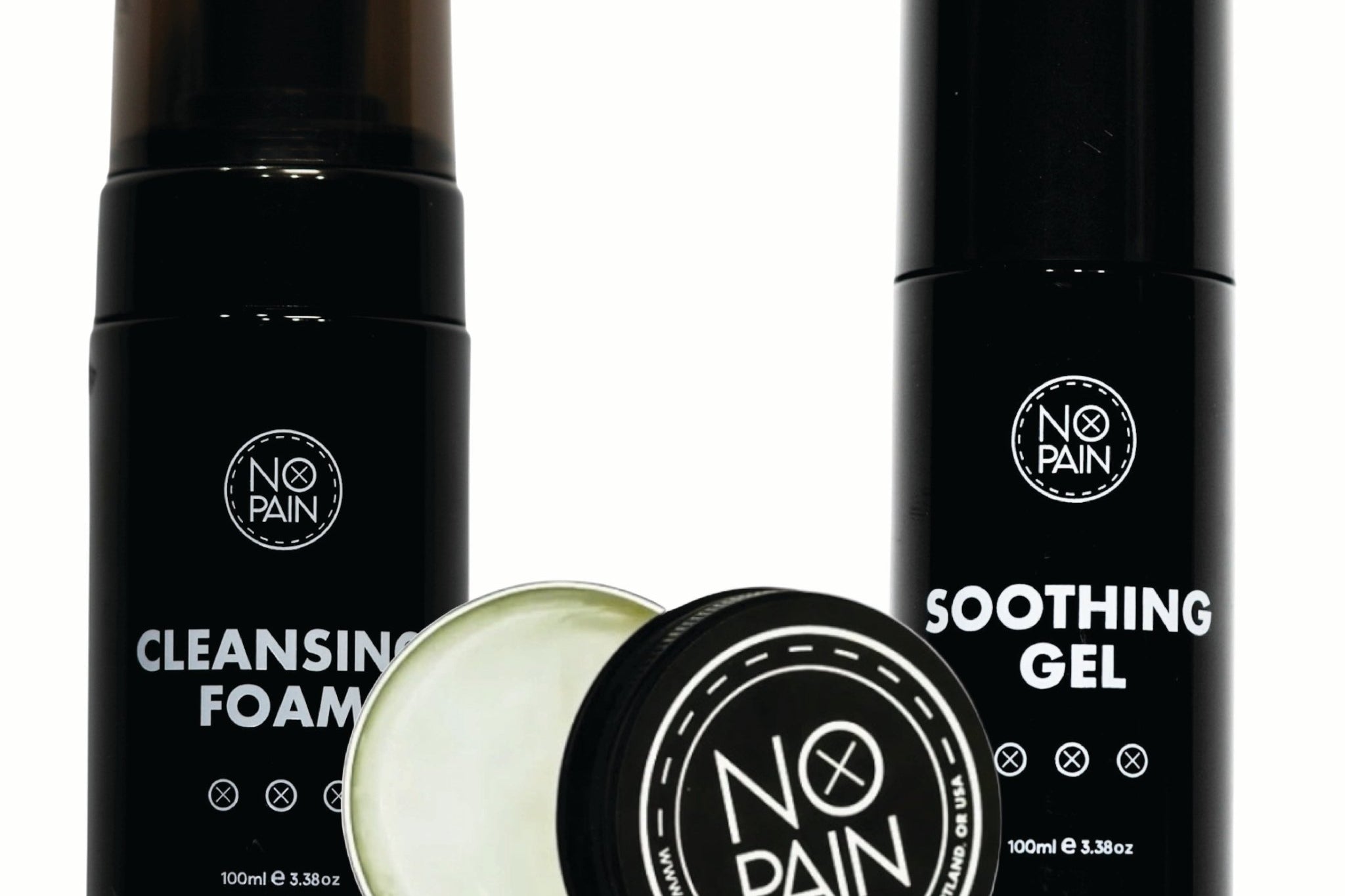
After the beach, rinse salt water off your body thoroughly before moisturizing. Salt and sun together strip moisture from the skin aggressively, and dry skin is the second-biggest cause of tattoos looking dull and faded. While your skin is still slightly damp from the shower, apply a nourishing moisturizer to your tattoos. No Pain Tattoo Aftercare Balm is excellent for this — it deeply conditions the skin, restoring the moisture lost during a day of sun and salt water exposure, and makes tattoo colors look richer and more saturated almost immediately.
For New or Healing Tattoos: The Emergency Protocol
If your tattoo is less than four weeks old and still in any stage of healing — peeling, matte-looking, or still showing any texture change on the surface — the rules are fundamentally different. A healing tattoo is an open wound, and the beach is not a safe environment for open wounds.
Swimming is completely off the table. Salt water is full of bacteria, and submerging a healing tattoo carries a genuine infection risk. It also saturates the fragile healing skin, which can cause ink to leach out and result in permanent patchiness. The same applies to pools — chlorine is similarly damaging to healing skin. You need to wait until the tattoo is fully healed, with completely normal skin texture throughout, before submerging it. That's a minimum of four weeks for most tattoos, often longer for larger pieces.
Sun exposure on a healing tattoo is also strictly off-limits. Sunburn on fresh ink can cause severe, permanent damage — blistering that destroys the work underneath, ink loss, and potential scarring. Even indirect sun exposure can impede healing. The only safe approach is keeping the tattoo covered at all times with clean, loose, breathable fabric. Sit under an umbrella, stay in the shade, and do not rely on sunscreen as a substitute — sunscreen should not be applied to a tattoo that is still in the healing process.
If sand or salt water makes contact with a healing tattoo, wash it immediately and thoroughly with a gentle cleanser. Sand is abrasive enough to damage delicate healing skin, and both sand and salt water introduce bacteria to the wound. Pack your aftercare supplies in your beach bag so you can respond right away if something happens.
Timing Your Tattoo Around Travel
The simplest way to avoid all of this is to get your tattoo at least six weeks before a beach vacation, or to wait until you return. If the timing isn't possible, go in with a clear plan for protecting a healing tattoo in a beach environment — and accept that some parts of the trip will require sitting out.
A little preparation is worth months or years of enjoying ink that still looks exactly the way it did when you walked out of the studio.