


Yes, neck tattoos hurt. The side of the neck lands at 7 to 8 out of 10 for most people, the nape at 8 to 9, and the front of the throat at 9 to 10. The side is the most manageable zone on the neck, largely because the sternocleidomastoid muscle running down the side provides slightly more padding than the bone-adjacent nape or the windpipe-adjacent throat. That said, the entire neck area is considered high-pain for the same set of anatomical reasons, and the side is not comfortable regardless of how it compares to the alternatives.
What makes the neck distinctive as a tattoo placement is not just the pain level but the type of sensation. The neck is dense with nerve pathways, has very thin and mobile skin, and sits close to major blood vessels. Some people report feeling their own pulse in the tattooed area during a session, which is a sensation unique to neck and chest placements.
In this article
- Pain by zone: side, back, and front of the neck
- Why neck tattoos hurt the way they do
- The pulse sensation: what no one mentions
- How to reduce neck tattoo pain
- Healing a neck tattoo
- Frequently asked questions
Pain by Zone: Side, Back, and Front of the Neck
Side of the neck: 7 to 8 out of 10
The side of the neck is where most people place their first neck tattoo, and for good reason. The sternocleidomastoid (SCM) is a thick, rope-like muscle that runs from just behind the ear down to the collarbone on each side of the neck. It is the only meaningful padding on the neck, and it makes the side noticeably more tolerable than the back or front. The pain is sharp and persistent rather than bone-rattling, and the area is reactive rather than agonizing for most people who have experience with other difficult placements.
The upper portion of the side, near the jaw and ear, is more sensitive than the mid-neck. The skin thins out toward the jawline, and the branch of the great auricular nerve that fans out behind the ear and down the side of the neck is close to the surface in this zone. Work near the hairline or under the ear tends to produce sharper sensations than tattooing over the broader muscle belly below.
Back of the neck (nape): 8 to 9 out of 10
The nape is the most popular back-of-neck placement and also a significantly harder experience than the side. The cervical vertebrae are close to the skin surface and the neck muscles thin out over the spine in this zone. Each needle pass produces bone-conducted vibration that many people describe as traveling up into the base of the skull or shooting across the shoulders. The skin is also thinner here than on the side, and the area moves constantly with every head position change.
The upper nape, directly at the hairline, is typically the worst part of this zone. The occipital nerve branches emerge near the base of the skull and fan out across this area, making the first passes particularly sharp.
Front of the neck (throat): 9 to 10 out of 10
The throat is the most extreme neck placement. The skin there is exceptionally thin, stretched directly over the trachea with almost no underlying tissue for buffering. The pain is sharp, raw, and unrelenting, and many people report that the sensation in this area is different in character from any other placement: more visceral, more difficult to dissociate from. Some people find the vibration of the needle near the throat triggers a mild gag reflex, particularly on the first pass. Absolute stillness is required, and the difficulty of providing that stillness compounds the challenge.
Why Neck Tattoos Hurt the Way They Do
The neck has the highest concentration of important anatomy packed into a small, thin area of any location commonly tattooed. The skin is some of the thinnest on the body and is in constant motion from speaking, swallowing, and turning. Unlike the outer arm or outer thigh, which have thick skin built up through daily friction and sun exposure, neck skin is typically delicate and unexposed, making it more reactive to needle trauma.
The nerve supply to the neck is complex. The cervical plexus, which is a network of nerves arising from the upper spinal cord, supplies sensation to the entire neck and the skin overlying it. Key branches include the great auricular nerve (running up the side of the neck toward the ear), the transverse cervical nerve (crossing the front of the neck), and the lesser occipital nerve (running up the back of the neck toward the base of the skull). Tattooing anywhere on the neck means working in territory covered by these nerves, and the thinness of the skin means there is very little distance between needle depth and nerve proximity.
The Pulse Sensation: What No One Mentions
Most pain guides for the neck focus on the nerve density and thin skin. They skip something that people reliably notice during a neck session: you can feel your own heartbeat in the tattooed area, and it gets more noticeable the longer the session goes.
The carotid artery runs up the front-side of the neck and branches throughout the tissue. As the inflammatory response builds during the session and blood flow to the area increases, the pulsation in that blood flow becomes perceptible in the skin being worked on. You feel a rhythmic throb between needle passes, timed to your heartbeat, that is not painful but is distinctly strange and can be unsettling if you do not expect it. It tends to become more pronounced after the first hour and fades once the session is over and the area has been cleaned and wrapped.
Knowing this in advance helps considerably. It is not a sign that something is wrong. It is the body's normal vascular response to the local inflammatory process, and the neck's anatomy simply makes it more perceptible than it would be on a less vascular location.
How to Reduce Neck Tattoo Pain
The neck is one of the placements where numbing cream produces the most meaningful results. The primary pain source at the side of the neck is nerve stimulation through thin skin, which is exactly what lidocaine blocks. People who go into a neck session numbed consistently describe the experience as manageable pressure rather than the sharp, persistent burning of an un-numbed session. The bone-conducted vibration at the nape and the raw sensation at the throat are both substantially reduced.
There is a practical benefit beyond comfort: a numbed neck allows you to stay still. A neck tattoo requires absolutely steady positioning from both the client and the artist. Fine lines and detail work on the neck are highly visible, and any disruption from flinching or involuntary movement affects the outcome. When the sharpest pain signals are blocked, staying still becomes a much smaller challenge.
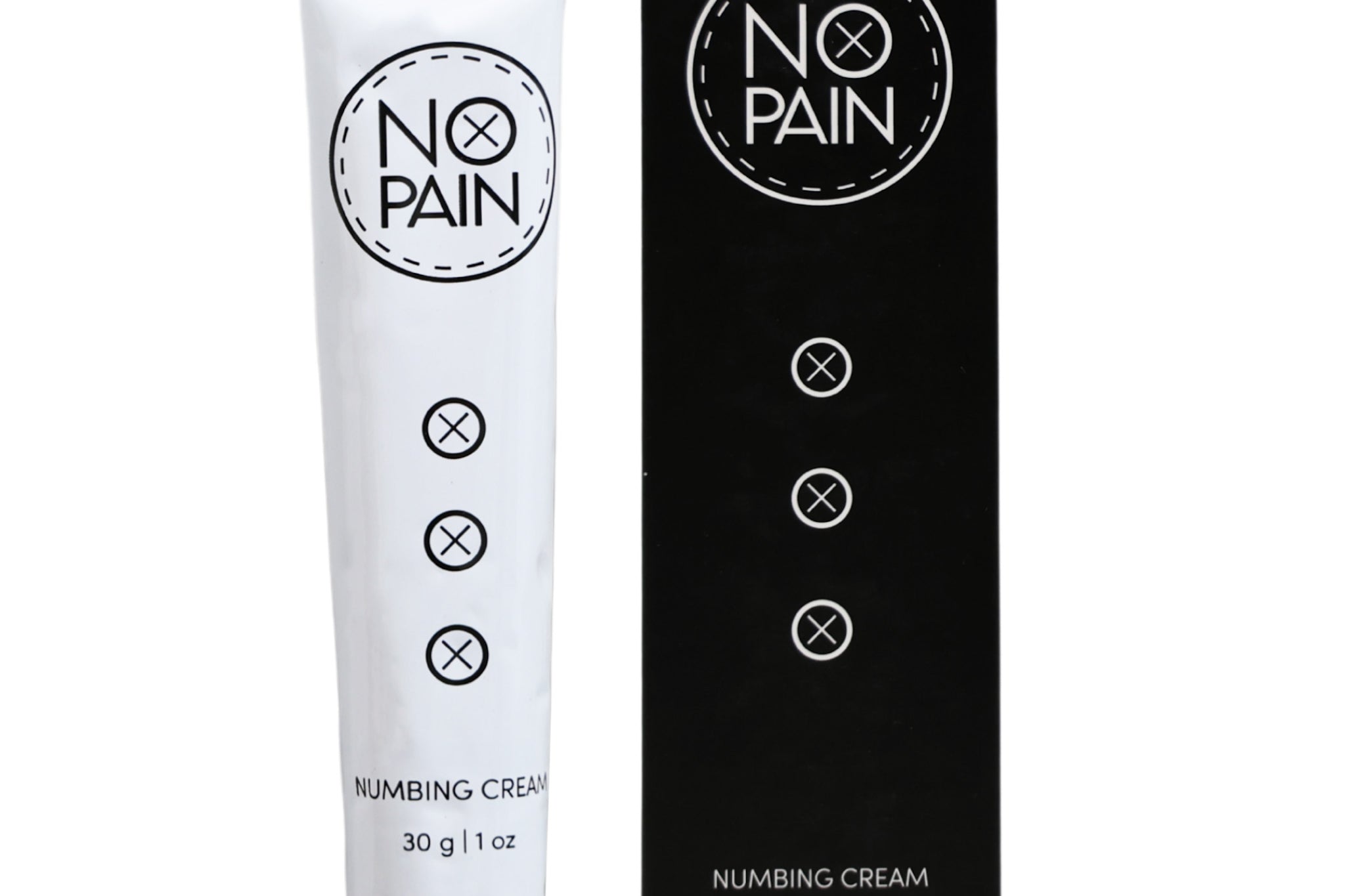
Apply a maximum-strength cream to the clean, dry skin of the neck under cling film 90 minutes before your appointment. The neck absorbs it well because the skin is thin. Formula matters here: a thicker-base cream holds the numbness across the full application window rather than peaking and fading in the first 20 to 30 minutes the way thin creams do.

Maximum-strength formula with a thicker base that absorbs slowly and builds to deep numbness across the full 90-minute window. Apply to clean, dry neck skin under cling film before your session. Blocks the sharp surface pain that makes neck sessions hard to sit through. Backed by a money-back guarantee.
For larger neck pieces that run longer than an hour, or for work that extends across multiple zones including the nape and side together, a mid-session numbing spray extends coverage on broken skin once your artist is working. The spray is applied directly to the area between passes and restores numbness in the skin the needle has already opened up.

Cream before the session, spray mid-session on broken skin. For neck pieces that span more than one zone or run longer than an hour, this combination keeps the numbness from fading before your artist is finished.
Healing a Neck Tattoo
The neck heals with moderate difficulty compared to most placements. It is not a joint that bends constantly the way the inner elbow or the back of the knee does, but it is also not a flat, stable surface like the outer forearm. You turn your head dozens or hundreds of times per day, and that movement flexes and stretches the healing skin continuously.
Clothing is the main friction variable. Shirt collars, turtlenecks, and scarves all contact the lower and side neck consistently throughout the day. For the first week, avoid anything with a high collar or tight neckline that rubs the healing area. Looser tops that sit below the tattoo, or open collar styles, make a real difference during the peeling phase when the skin is most vulnerable to disruption.
Hair is the second variable. For side-of-neck tattoos, hair that falls across the healing tattoo is a friction and contamination source. Keeping hair up or pinned back for the first week, particularly during sleep, reduces both mechanical irritation and the chance of bacteria or product residue contacting the open skin.
Standard aftercare applies: gentle washing twice a day, a thin layer of aftercare balm to keep the skin from drying and cracking, and no picking at the peeling skin. The surface looks healed in two to three weeks and the skin is fully settled in four to six weeks.
Frequently asked questions
Do neck tattoos hurt?
Yes, the neck is consistently rated as one of the more painful places to get a tattoo. The side of the neck lands at 7 to 8 out of 10 for most people, the nape at 8 to 9, and the throat at 9 to 10. The entire neck area is high-pain because the skin is exceptionally thin, major nerve pathways run through or near the skin surface, and the area is in constant motion. The side of the neck is the most manageable zone because the sternocleidomastoid muscle provides slightly more padding than the bone-adjacent nape or the windpipe-adjacent throat.
How bad does a neck tattoo hurt?
Most people rate a side-of-neck tattoo in the same tier as the ribs or the inner elbow, genuinely difficult rather than moderate. The sensation is sharp and persistent, with a burning quality from the nerve-dense thin skin. The nape produces additional bone-conducted vibration from the cervical vertebrae. The throat has a raw, biting quality that many people find harder to manage mentally than physically. All three zones benefit significantly from numbing cream, which converts the sharp pain to manageable pressure and makes staying still much more feasible.
Does a tattoo on the side of the neck hurt more than the back?
Most people find the back of the neck (nape) harder than the side. The nape sits directly over the cervical spine, and the bone-conducted vibration from needle contact with skin over vertebrae is more intense than the nerve-level surface pain of the side. The nape also has thinner skin than the side, where the sternocleidomastoid muscle provides some padding. That said, both are high-pain placements and the difference is a matter of degree rather than category.
Can you use numbing cream for a neck tattoo?
Yes, and the neck responds well to it. The thin skin absorbs the cream effectively, and the primary pain source at the side of the neck is nerve stimulation through that thin skin, which lidocaine blocks at the nerve ending level. Apply a maximum-strength cream to clean, dry neck skin under cling film 90 minutes before your appointment. The practical benefit extends beyond comfort: numbing allows you to maintain the stillness a visible neck placement requires. Fine lines at the side of the neck are prominent and any flinch during a detail pass affects the outcome.
How painful are neck tattoos compared to other placements?
The neck consistently appears in the top tier of painful placements alongside the ribs, the shin, the inner elbow, and the spine. The side of the neck is closer to the inner elbow in character: sharp, nerve-driven, and raw, but not producing the bone-grinding vibration quality of the spine or the shin. The nape is closer to the spine in character. The throat is in its own category. Compared to a low-pain placement like the outer thigh or the outer calf, any neck zone is dramatically more intense.
How long does it take to heal a neck tattoo?
The surface looks healed in two to three weeks and the skin is fully settled in four to six weeks, similar to most placements. The main healing challenges are clothing contact and hair friction. Anything with a collar that sits at the tattoo level will rub it continuously, and hair that falls across a side-of-neck tattoo can irritate the healing surface and catch on the peeling skin. Loose, open necklines and keeping hair away from the tattoo for the first week make a real difference in how cleanly it heals.
Make a Visible Placement Easier to Sit Through
Maximum-strength numbing cream blocks the sharp nerve-level pain before your session starts. Apply under cling film 90 minutes before your appointment and stay still for the clean lines your neck tattoo needs.
Shop Numbing Cream →Backed by our money-back guarantee.