


How to Heal a Tattoo While on Vacation
Getting a tattoo as part of a trip is one of the most meaningful souvenirs you can bring home. But the moment you leave the studio, you face a real challenge: you are in an unfamiliar environment, far from your usual routine, likely surrounded by pools, beaches, and sun, and expected to be active. Healing a tattoo on vacation is completely manageable with the right preparation and a few firm rules.
The short answer: bring a complete aftercare kit, avoid submerging the tattoo in water for at least four weeks, keep it out of direct sun, and clean it on the same schedule as you would at home. Vacation changes the context, not the biology.
Prepare Before You Leave the Studio
If you know you are getting a tattoo while traveling, plan the timing relative to your vacation activities. Getting tattooed on your last evening before flying home is very different from getting tattooed on day one of a two-week beach holiday.
Before leaving the studio, confirm with your artist:
- How long to keep the initial bandage or Saniderm on
- Which products they recommend and whether you already have them
- Any placement-specific instructions for your tattoo location
Buy your aftercare supplies before or immediately after the session. Do not rely on finding a specific cleanser or balm in an unfamiliar city or country. The products you need may not be available, or local equivalents may contain ingredients that are not suitable for healing skin.
The No-Submersion Rule
This is the rule that most people on vacation struggle with most. A healing tattoo is an open wound at the microscopic level. Submerging it in any body of water introduces bacteria into that wound and raises the risk of infection substantially.
Off-limits for the first four weeks:
- Swimming pools (heavily chlorinated, but still carry bacteria)
- The ocean (salt water, bacteria, sand abrasion)
- Hot tubs (warm water accelerates bacterial growth)
- Lakes and rivers (fresh water carries high bacterial loads)
- Baths or soaking in any standing water
Showers are fine. The rule is specifically about submersion in standing or flowing bodies of water, not about getting the tattoo wet in a shower.
If you are on a beach holiday and the main activity is swimming, the practical approach is to time your tattoo for the last two to three days of the trip, or to choose a placement that can be covered with waterproof bandaging while you swim. Speak to your artist about either option.
Protecting From the Sun
A new tattoo and direct sun exposure is a combination that causes two problems. First, UV light breaks down ink molecules in healing skin, causing fading before the tattoo is even fully settled. Second, sunburn on top of a fresh tattoo is both painful and damaging, slowing healing and potentially causing lasting color loss.
For the first two weeks, cover the tattoo with clothing when outdoors. Sunscreen applied directly to a healing tattoo in the first two weeks is not recommended because it can irritate the open skin. A loose shirt, a wrap, or a bandage cover is the right approach.
After the surface has fully healed, at around the two to three week mark, apply a high-SPF, broad-spectrum sunscreen over the tattoo whenever it will be in the sun. This is good practice for the lifetime of the tattoo, not just during vacation.
Keeping the Cleaning Routine on the Road
The standard cleaning routine is two to three times per day: wash with a gentle cleanser, pat dry, apply balm. This does not change on vacation. The challenge is logistics.
Practical tips for maintaining the routine while traveling:
- Keep your aftercare kit in your carry-on, not checked luggage, so you have it during a long travel day.
- Use paper towels in hotel bathrooms. Hotel cloth towels are washed with shared linen products and may carry more bacteria than your towels at home.
- Set a phone alarm as a reminder if your vacation schedule disrupts your usual daily routine.
- Do not use hotel-provided soaps or body washes on the healing tattoo. Stick to your own cleanser.


Activities to Avoid and Adjustments to Make
Beyond swimming, other common vacation activities can affect a healing tattoo:
- Hiking and long walking tours: fine if the tattoo is not on a friction-prone area like the foot. Keep it moisturized and covered from sun.
- Saunas and steam rooms: avoid for the first two weeks. Heat and sweat slow healing and increase infection risk.
- Snorkeling and diving: off-limits until the tattoo is fully healed. The combination of salt water, sun, and equipment friction is too risky.
- Air travel on the day of or after getting tattooed: flights dehydrate the skin and a tattoo on a newly tattooed area may swell more at altitude. Moisturize before boarding and keep the area covered.
- Alcohol: a glass of wine at dinner is fine. Excessive alcohol consumption thins the blood, increases swelling, and impairs the healing response.
What to Pack
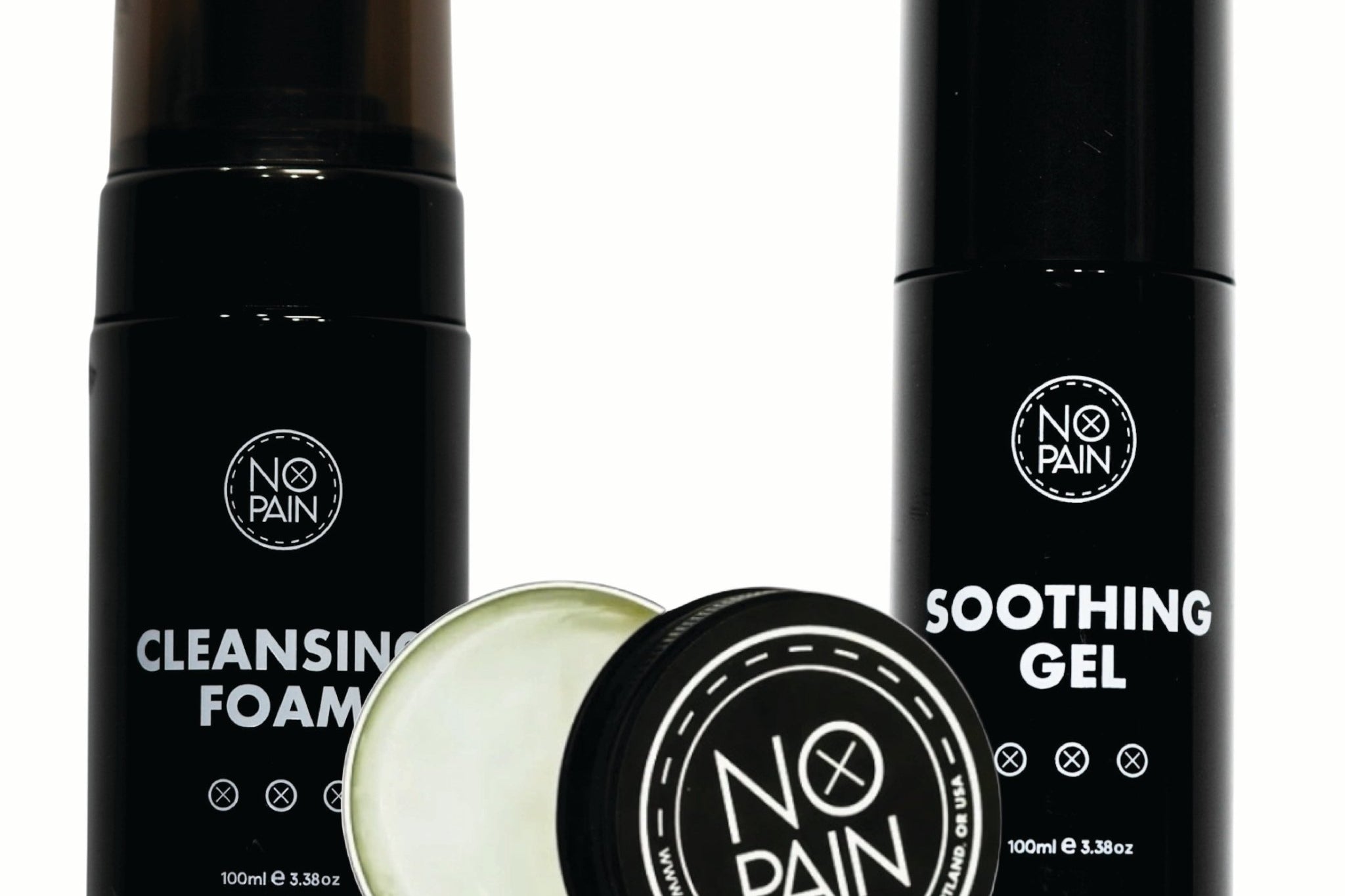
The Aftercare Bundle is the practical answer to vacation aftercare packing. It gives you a dedicated tattoo cleanser, soothing gel for the first three days, and aftercare balm for the rest of the healing period, all in compact, travel-appropriate sizes.

Frequently Asked Questions
Can I get a tattoo on vacation if I plan to swim?
You can get a tattoo on a trip that includes swimming, but you need to plan the timing carefully. Get the tattoo on the last two to three days of the trip so the initial healing phase happens after you return home, away from the beach or pool. Alternatively, choose a placement that can be covered with a waterproof bandage for the duration of your swim days.
Can I go in the ocean with a new tattoo?
No. Salt water introduces bacteria into a healing wound and the physical action of waves and sand causes abrasion. Wait a minimum of four weeks, and confirm the surface is fully healed with no peeling or open areas before swimming in the ocean.
Is it safe to get a tattoo abroad?
Safety depends on the studio, not the country. Research studios thoroughly before booking. Look for visible sterilization practices, single-use needles and ink caps, and licensing if available. A professional studio abroad is as safe as one at home. An unlicensed street studio is a risk anywhere.
What if I forget my aftercare products while traveling?
In the first week, missing one or two applications of moisturizer is not catastrophic, but missing cleaning sessions is more serious. Clean the tattoo with clean water and a tiny amount of fragrance-free hotel soap if needed. For moisturizing, unscented coconut oil or a fragrance-free hand lotion is a better-than-nothing substitute until you can find proper aftercare products.
How do I protect a tattoo on my leg from the sun at the beach?
Cover it with a lightweight beach wrap, sarong, or loose linen pants. In the first two weeks, do not apply sunscreen directly to a healing tattoo. After the surface has healed completely, SPF 50 broad-spectrum sunscreen is the right long-term protection for ink in the sun.
My vacation tattoo looks red and swollen two days later. Should I be worried?
Redness and swelling in the first two to three days is normal and expected. It is the body's inflammatory response to the tattooing process. If the redness is spreading beyond the tattoo outline, the swelling is warm and hard, or you have fever or pus, those are signs of infection and you should seek medical attention.