
Gaining muscle does not ruin tattoos. Skin is elastic, and the dermis — where tattoo ink lives — stretches and adjusts to changes in the body underneath it. People with full sleeves go from 160 to 200 pounds of lean muscle without their tattoos distorting. The concern is understandable but almost always overstated. Here's the actual picture.
In this article
How Skin Adapts to Muscle Growth
Skin is designed to accommodate changes in the body beneath it. The dermis — the layer that holds tattoo ink — is made of collagen and elastin fibers that stretch and contract with the body's changes. This is the same system that allows skin to stretch during pregnancy, fluctuating weight, and gradual body composition changes over a lifetime.
When you gain muscle mass gradually over months and years, the skin stretches slowly enough that it keeps pace with the change. The ink inside the dermis moves with the tissue as the tissue expands. The design stays proportional in the same way the underlying anatomy stays proportional. A bicep tattoo on a 14-inch arm looks the same design — just slightly larger — on a 16-inch arm after a year of consistent training.
The Real Risk: Stretch Marks
The one scenario where muscle gain does damage tattoos is extreme, rapid body composition change. When the skin is forced to expand faster than it can produce new collagen to support the stretched dermis, the collagen fibers tear. These tears are stretch marks. If stretch marks develop through a tattooed area, the design is permanently disrupted where the marks cross it. The distortion is from the torn skin, not from the muscle change itself.
This scenario requires genuinely extreme and rapid growth, the kind associated with very fast weight gain, steroid use, or an unusually aggressive muscle-building phase in a short period of time. Consistent, natural training over months and years virtually never produces the rapid expansion required to tear the skin this way. If your progress is measured in pounds per month rather than pounds per week, stretch marks from muscle gain are unlikely.
Placement Risk Tiers
Lower risk placements for muscle gainers: Outer upper arm, outer forearm, outer calf, shoulder blade, and upper back are all areas where even dramatic muscle gain produces minimal skin distortion. The skin sits over muscle that expands uniformly, and the surface area increase is gradual and proportional.
Placements that require more consideration: The inner bicep, pectoral area, and stomach are placements where rapid or significant body composition swings produce more visible changes to the canvas. These aren't high-risk for someone gaining muscle steadily. They carry slightly more variability for someone whose weight fluctuates significantly or who is planning a very aggressive mass-building phase.
In general, if the tattoo placement is on an area you already plan to develop heavily, get the tattoo after you've reached roughly the size you plan to stay at, or accept that a very small amount of proportional scaling may occur over years of continued training.
What to Do
Keeping tattooed skin well-moisturized is the most useful active step. Hydrated skin is more supple and elastic and better able to accommodate gradual changes without developing micro-tears. A consistent daily moisturizing habit on tattooed areas — a nourishing balm or fragrance-free moisturizer — supports the skin's ability to stretch with your training progress.
Beyond that: train consistently, stay hydrated, support your protein intake for skin repair, and don't worry about your tattoos. The risk is real but requires extreme conditions to materialize. Steady progress and skin care make it negligible.

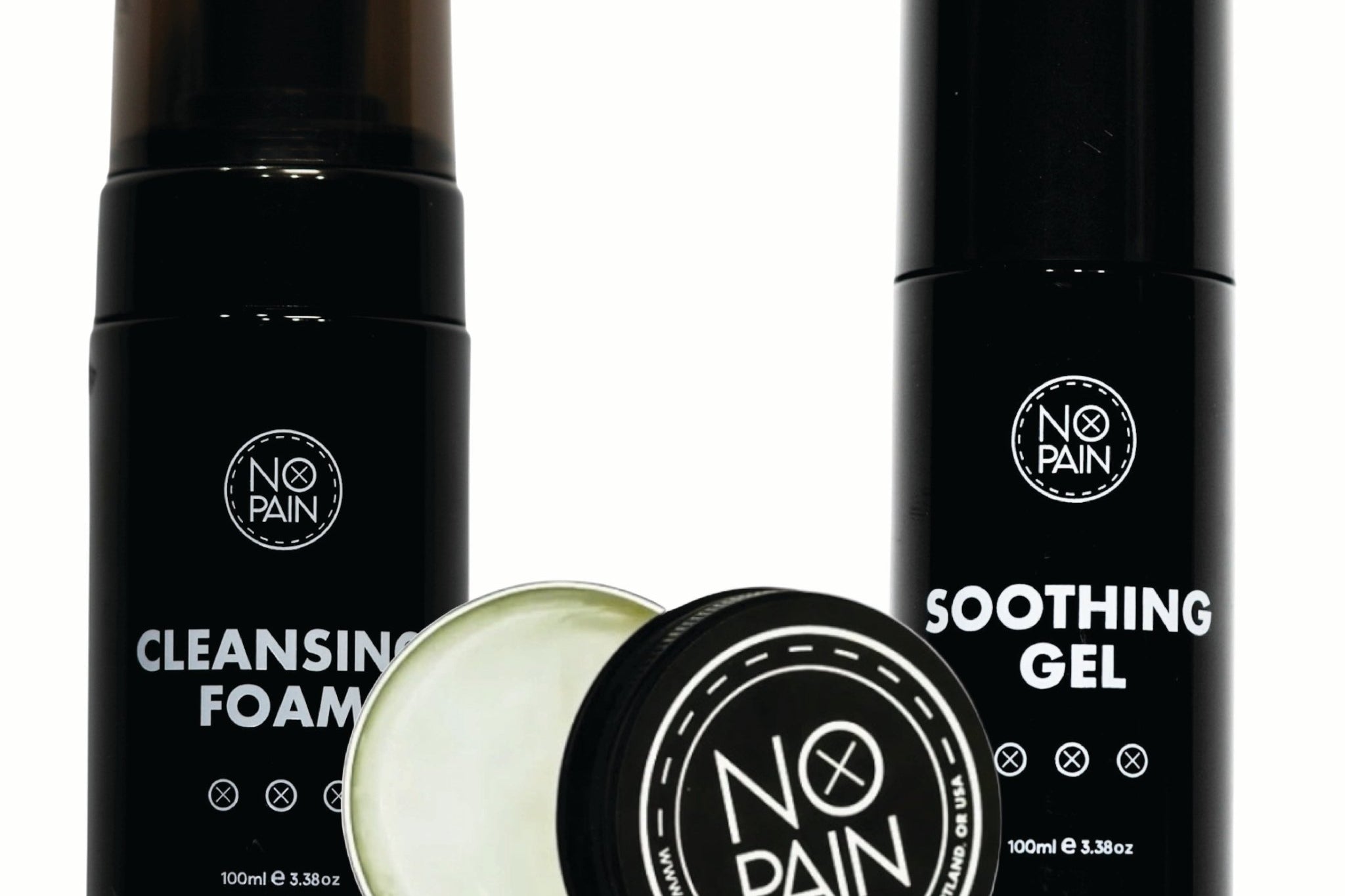
The nourishing aftercare balm in the bundle is designed for ongoing tattooed skin care. Daily use keeps the dermis supple and supports skin elasticity as your body changes over time.
FAQ
Will gaining muscle distort my tattoo?
Gradual muscle gain does not distort tattoos. The skin stretches proportionally with the underlying tissue, and the design scales with the muscle. The tattoo looks the same — just slightly larger if the muscle has grown significantly. Distortion is a risk only when skin is forced to expand so rapidly it develops stretch marks, which requires extreme and rapid growth beyond what natural training produces.
What happens to a tattoo if I lose a lot of weight?
Gradual weight loss, like gradual muscle gain, allows the skin to retract slowly enough to remain intact. Significant, rapid weight loss — especially when involving a lot of fat loss from a specific area — can sometimes leave the skin with slightly reduced elasticity in that area. The tattoo itself doesn't fade or change color, but if the skin sags or wrinkles significantly in the placement area, the design follows the new skin topology. The same principle applies in reverse: slow and steady changes are almost always fine; extreme and rapid changes are the variable worth considering.
Does muscle definition affect how a tattoo looks?
Yes, in an interesting way. A design placed over a muscle that becomes very defined over time will shift slightly with the muscle's movement and shape. Some designs look more dynamic on very defined muscle groups — the 3D quality of the underlying muscle affects how shading and linework read at different angles. Most experienced artists who work with clients who lift will factor this into placement and design recommendations.
Is it better to get a tattoo before or after building muscle?
If you're early in your training and plan significant body composition changes, getting tattooed after you've reached a stable weight is a lower-risk approach. This is not because small gains distort tattoos — they don't — but because the placement that looks ideal on your body now may look slightly different after substantial changes. Many experienced bodybuilders and athletes get tattooed at a size they expect to maintain long-term, which gives the artist an accurate canvas to work with.
Can I get tattooed on an area I'm actively training?
You need to wait until the tattoo is fully healed before resuming activity that involves the tattooed muscle group. During healing (two to four weeks for surface healing), the tattooed area needs to be kept clean, dry between washes, and away from the friction, sweat, and stretching that exercise produces. You can train areas not near the placement. Once fully healed, there's no restriction on training the tattooed area.
What about steroids and tattoos?
Anabolic steroid use is one of the conditions associated with the kind of rapid, extreme muscle gain that can produce stretch marks. This is because steroids can accelerate mass gain faster than the skin's natural collagen production can keep pace with, particularly on the chest, shoulders, and upper arms. If stretch marks develop in a tattooed area for any reason, they cause permanent visible disruption to the design. This applies to any cause of rapid expansion — steroid-assisted or otherwise.
Keep the Skin in Good Shape
Consistent moisturizing is the best thing you can do for tattooed skin as your body changes. The Aftercare Bundle gives you the right products for daily long-term care.
Shop the Aftercare Bundle →Formulated at Historic Tattoo in Portland, Oregon. 100% money-back guarantee.