



Getting two tattoos in one day is possible, and experienced artists do it all the time. The key is understanding what changes physically when you stack two sessions, and preparing accordingly so both pieces heal cleanly.
In this article
- Why people get two tattoos in one day
- The physical reality
- How to set up a successful double session
- Aftercare for two healing tattoos
- FAQ
Why People Get Two Tattoos in One Day
The most common scenario is efficiency. If you're traveling to see a specific artist, or if two people you're getting tattooed alongside want matching or complementary pieces, combining the sessions into one day reduces the number of trips and makes sense logistically. Some people also prefer having multiple small pieces heal simultaneously rather than staggering them weeks apart. When both tattoos are small and well-placed, a double session can work well.
The Physical Reality
Your body responds to tattooing as a controlled physical trauma. The immune system mobilizes, inflammatory markers rise, and the healing process begins. When you receive a second tattoo the same day, you're adding that trauma to a body that's already in an inflammatory state from the first session.
The main practical consequences are: increased overall fatigue toward the end of the day, heightened pain sensitivity on the second piece (your pain tolerance drops after several hours of tattooing), and two healing wounds that your immune system has to manage simultaneously. Both tattoos take more from your body's resources than each would heal individually. You may feel worn down for a few days in a way that a single session doesn't produce.
None of this means the outcome will be worse — both tattoos can heal completely and look excellent. It means the physical toll is real, and preparation matters more for a double session than for a single one.
How to Set Up a Successful Double Session
Keep both pieces small to medium. A double session with two small flash pieces or two medium-sized custom pieces is manageable. Two large pieces in one day is a significant ask of your body and may mean one or both pieces are rushed as fatigue sets in. If either tattoo requires high precision or complex shading, keeping the total work time under four to five hours is a reasonable limit.
Place them on opposite sides of the body. Two tattoos on the same limb means the entire limb is healing, which increases swelling and makes the aftercare more complicated. Splitting them — one arm, one leg; or opposite forearms — means two separate healing areas rather than one saturated zone.
Tell your artist upfront. Let your artist know before the day that you're planning a double session. They need to know their timing, they may have suggestions about sequencing (easier work first, harder work second), and they can help you assess whether both pieces are realistic given the total time available. An artist who doesn't know you're planning a second session might schedule someone else immediately after your appointment.
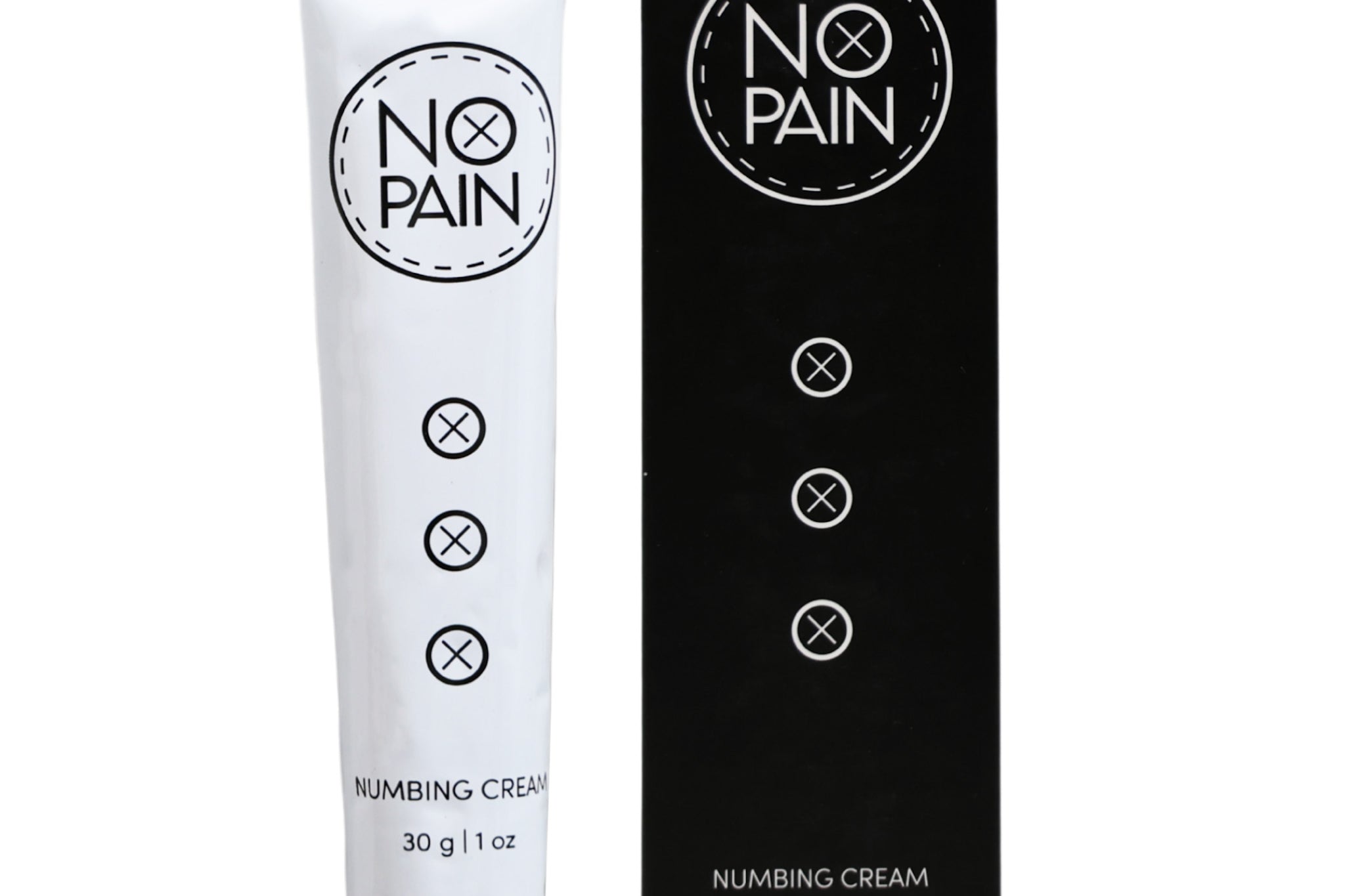
Plan for pain management on the second piece. The first piece will typically feel normal — your body is fresh and your pain tolerance is intact. By the time you start the second session, your pain threshold has dropped from hours of stimulation and your body is already producing inflammatory signals. Numbing cream applied before the second session helps significantly. Because you're working with a specific timing window, apply the cream while the first session is wrapping up so it's active when the artist is ready to start.

Applied to the second placement while the first session wraps up. By the time your artist is ready for the second piece, you've got a full 90-minute soak in and the area is numb.
Eat before and during. Bring snacks and water. Blood sugar drops are more common over a long day of back-to-back sessions, and a mid-day drop in energy makes the second piece significantly harder. Eat something proper between the two sessions — not just a granola bar.
Aftercare for Two Healing Tattoos
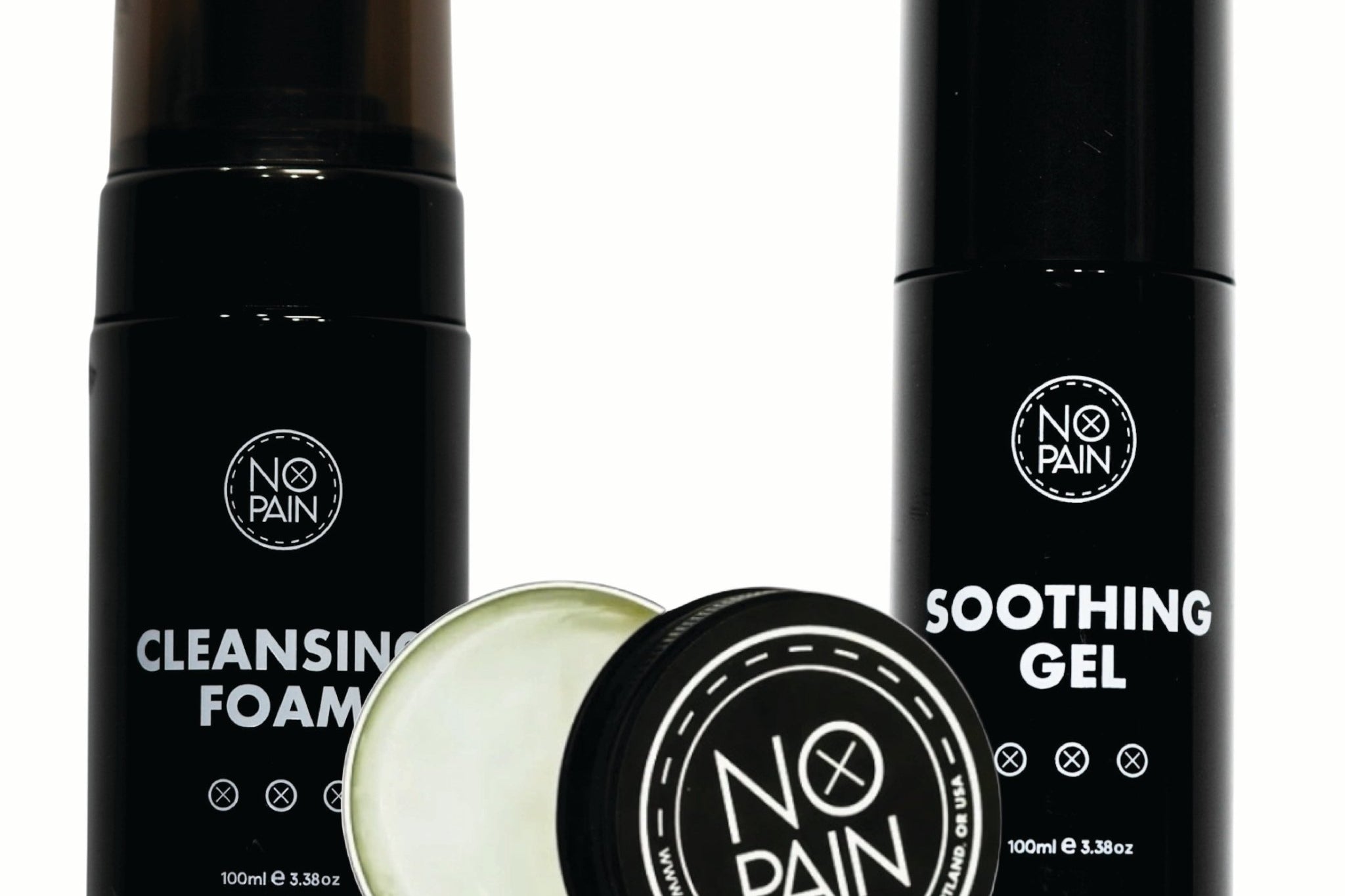
The aftercare protocol for each tattoo is the same as it would be for a single session, applied to both areas. The logistical challenge is remembering to give each one attention: wash both twice daily, apply soothing gel to each after washing during the first few days, then transition to nourishing balm on both from day three onward.
When both tattoos are on the same side of the body — which is less ideal but sometimes unavoidable — pay attention to whether the surrounding area gets swollen or tight. Two healing wounds competing for the same regional blood supply can produce more localized inflammation than each would generate separately. Give both tattoos extra breathing room in terms of clothing and avoid sleeping on either side for the first few nights if the placements are on the torso or limbs.
FAQ
Will getting two tattoos in one day affect how they heal?
Both tattoos can heal completely and look great. The immune system has to manage two wounds simultaneously, which means healing resources are split rather than focused. In practice, this may mean slightly slower surface healing or more fatigue over the first few days. Rigorous aftercare — clean, consistent washing and moisturizing for both areas — closes the gap. Neither tattoo should be compromised if you take care of both properly.
Is there a limit to how many hours I should be tattooed in one day?
There's no universal limit, but four to six total hours is a reasonable practical ceiling for most people. Beyond that, pain tolerance drops significantly, the body's inflammatory response is running hard on multiple areas, and artist quality can also decline as fatigue sets in on both ends. Very experienced collectors with high pain tolerance have sat for longer, but it's not the norm and there's diminishing benefit after a certain point.
Can my artist refuse to do two tattoos in one day?
Yes, and for good reason. Some artists cap their daily session hours for their own reasons — not just your welfare but their own ability to maintain quality across a long day. Some have back-to-back appointments already booked. Some will refuse double sessions on the same client as a policy because they've seen the outcomes. If an artist says no, respect that. Ask about scheduling consecutive days instead.
What if one tattoo hurts too much and I can't continue with the second?
That's a completely legitimate outcome. Tell your artist and reschedule the second piece. Pushing through severe pain in a compromised physical state is more likely to produce an inferior result than coming back another day when you're fresh. There's no obligation to complete both pieces in one day if your body is telling you otherwise.
Should both tattoos be on the same artist?
It doesn't have to be, but if you're working with a single studio, coordinating both pieces with one artist simplifies the scheduling significantly. If you're going to two different artists at two different studios, leave at least two to three hours between sessions — enough time to eat properly, let the first tattoo be wrapped and protected, and arrive at the second studio not completely depleted.
What size tattoos work best for a double session?
Small to medium pieces — designs that each take between 45 minutes and two hours to complete. Flash designs, simple custom pieces, bold traditional work, and clean linework pieces are all good candidates. Avoid designs that require extended fine detail work, heavy black fill, or complex color gradients as part of a double session; those work better when you're fresh and can give the full session your complete attention and endurance.
Two Tattoos. Two Heals. One Kit.
The Aftercare Bundle covers both healing areas. Soothing gel for the first few days, nourishing balm from day three onward.
Shop the Aftercare Bundle →Formulated at Historic Tattoo in Portland, Oregon. 100% money-back guarantee.