


A large-scale tattoo — a piece that covers a significant portion of the back, chest, thigh, or a full sleeve — is a fundamentally different experience from a small or medium tattoo. The session is longer, the physical toll is higher, the healing is more involved, and the decisions made during planning carry larger consequences. If your first experience with serious tattooing is a large-scale project, here's what to prepare for.
The Session Experience Is Different
A small tattoo gives you a clean, contained experience: you arrive, sit for an hour or two, and it's done. A large-scale session typically runs three to six hours, sometimes longer. What most people don't anticipate is how much the experience changes over that time arc.
The first hour or two are often manageable — adrenaline is high, the novelty keeps you engaged, and the pain is tolerable. Around the two-to-three hour mark, the experience shifts. Adrenaline fades, the area becomes progressively more sensitized, and the cumulative discomfort builds in a way that simply doesn't happen in shorter sessions. By hour four or five, what was initially a manageable sensation can feel significantly more intense simply because the skin and nervous system have been worked for so long.
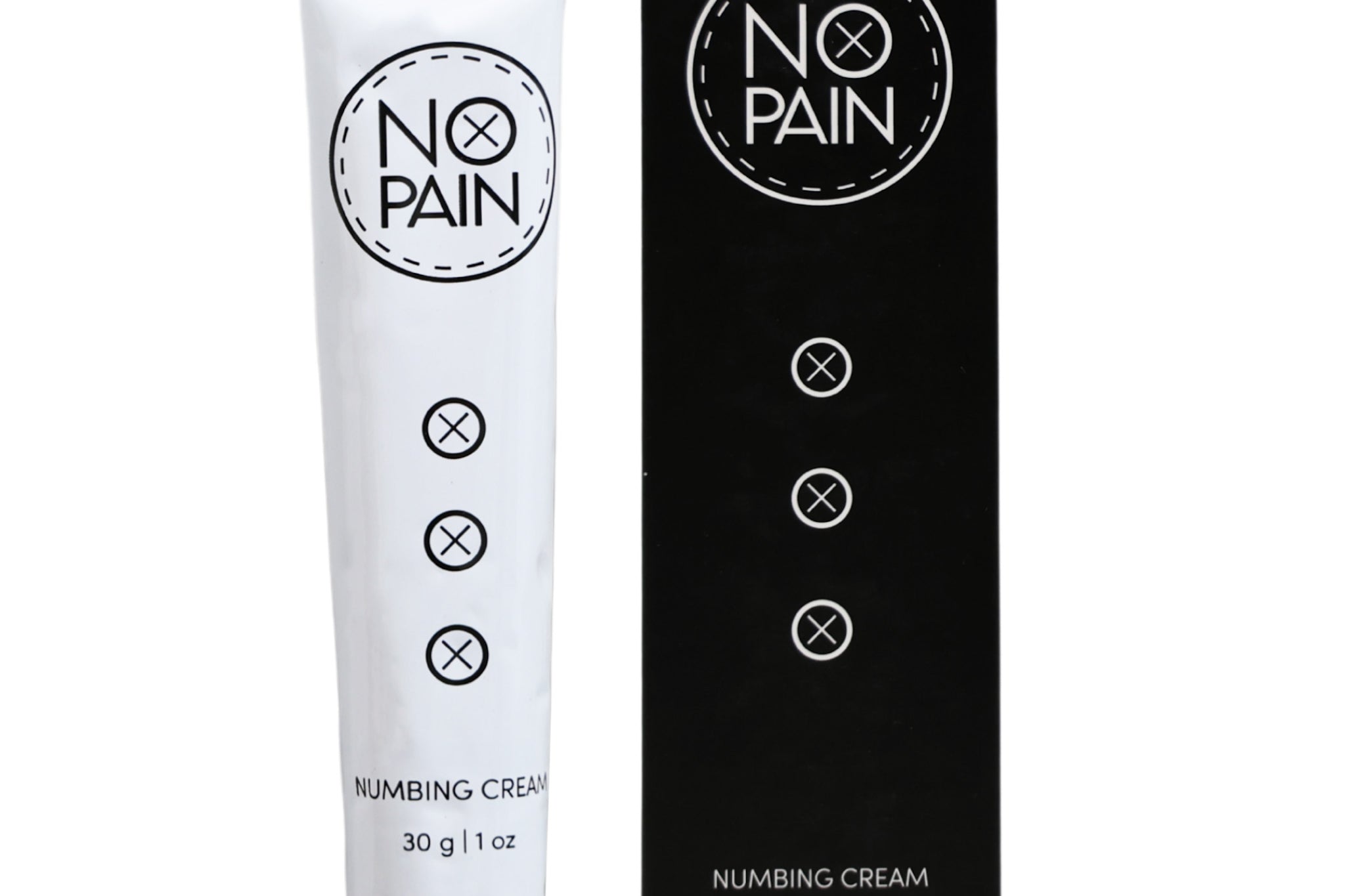
This is one of the strongest practical arguments for topical numbing cream on large-scale sessions. No Pain Tattoo Numbing Cream applied 90 to 120 minutes before the session begins significantly reduces the baseline intensity from the start — which means you arrive at the three-hour mark from a lower pain baseline than you would otherwise. Your ability to hold position and stay relaxed is materially better, and an artist working on a large-scale piece needs you steady. A client who can sit still for hour five produces better work than one who is flinching and tensing.
Your Blood Sugar Matters More Than You Think
Short sessions are forgiving of dietary mistakes. Long sessions are not. A proper meal one to two hours before a large session — protein and complex carbohydrates, not a snack — and real food and water brought for during the session are essential for multi-hour work. Low blood sugar during a long tattoo causes light-headedness, flushing, nausea, and in some cases fainting — all of which end sessions early.
Pack actual food for anything over three hours. A sandwich, fruit, crackers with protein, energy bars — something you can eat without needing a table. Staying hydrated matters too; dehydration amplifies pain sensitivity and makes the skin more difficult to work with.
The Healing Is More Extensive
A larger tattoo means more total skin trauma, a larger area to care for, and a more demanding recovery period. The swelling and soreness after a long large-scale session can be significant — particularly for pieces on the ribs, back, or chest — and the area may remain tender for several days.
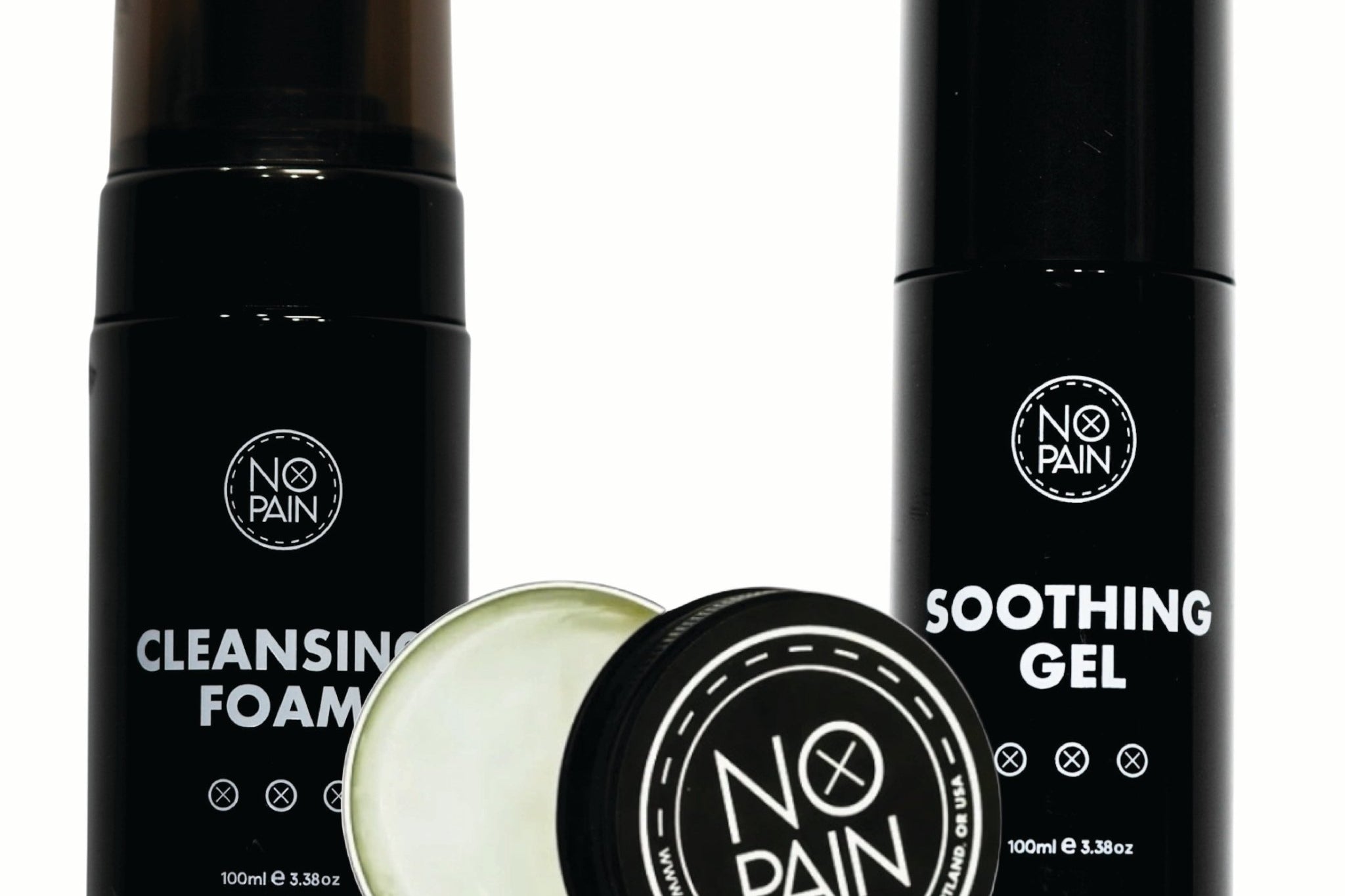
The healing protocol is the same as for smaller tattoos, but the area is harder to manage. Back pieces require a partner's help for the first wash. Large thigh or chest pieces need careful attention to clothing and friction. The key throughout is consistent moisturizing to prevent heavy scabbing — a larger surface area has more skin that can dry out and crust unevenly if neglected.
Multiple Sessions Are Normal for True Large-Scale Work
A genuinely large-scale piece — a full back, a complete sleeve, a large chest piece — is rarely finished in one appointment. Most require multiple sessions spaced four to six weeks apart to allow each section to fully heal before adding to it. This is the correct approach: it produces better results than rushing, and it lets you evaluate how each section heals before proceeding.
Go in knowing this if your artist mentions it. It's not a sign of a slow artist — it's evidence of one who respects both the work and your skin.