


Feeling faint or nauseous during a tattoo is more common than people think, and it can happen to people who are not nervous, who have had tattoos before, and who felt completely fine when they sat down. Here is what causes it, how to recognize the warning signs, what to do when it starts happening, and how to prevent it next time.
Why It Happens
The most common cause is vasovagal syncope, a reflex that causes a sudden drop in blood pressure and heart rate. Despite the clinical name, it is not a sign that something is wrong with your heart or circulation. It is your nervous system overreacting to a stressor, usually pain, emotional stress, or the sight of blood, by temporarily reducing blood flow to the brain.
For tattoos specifically, the triggers can include:
- Pain response, even low-level sustained pain
- Emotional stress or anxiety before or during the session
- Low blood sugar from not eating beforehand
- Dehydration
- Overheating in a warm studio
- Sitting or lying still for a long time with blood pooling in the lower body
- Awareness of the needle, even without a fear of needles
This does not require fear. It does not require a history of fainting. Sometimes it just happens, especially when a few of these factors stack up at once.
Warning Signs to Watch For
Vasovagal episodes give you a window before the worst of it hits. Recognizing the signs early and acting on them makes a real difference. Tell your artist immediately if you notice any of these:
- Sudden cold sweat on your skin
- A wave of warmth or heat moving through you
- Tunnel vision or graying at the edges of your sight
- Ringing in your ears
- Nausea that comes on quickly
- A sudden lightheaded or floating sensation
- Unusual pallor that others notice before you do
If you feel any of these, say something right away. Your artist has seen this before. Stopping for a few minutes is not a problem. Fainting in the chair is.
What to Do When It Starts Happening
Tell your artist immediately. Do not wait to see if it passes. Do not try to push through it. Say you are feeling faint or that you need a break. This is not embarrassing. It is the correct thing to do.
Lie down if you can. This is the fastest fix. Getting your legs up or lying flat helps blood return to your brain quickly. Most artists will adjust your position as soon as they hear you are lightheaded.
Get some sugar. Juice, a sweet snack, or anything with fast-acting carbohydrates helps when low blood sugar is a factor. Most studios keep juice or candy on hand for this reason. Ask for it without hesitation.
Cool down. If the studio is warm, a cold cloth on your forehead or neck helps. Ask someone to open a window or fan you if needed.
Take your time before sitting up again. Once the feeling passes, do not get up quickly. Give it 5 to 10 minutes lying down before rising slowly. Standing too fast after an episode can trigger a second dip.
Can You Continue the Session?
Often yes, with a proper break. Once you have eaten, cooled down, and feel steady, most people can continue. Some studios will want you to rest for 15 to 20 minutes. Follow that guidance. If you feel even mildly uncertain, call it for the day. The session will keep.
How to Prevent It Next Time
Most vasovagal episodes during tattoos are preventable with the right preparation:
- Eat a full meal 1 to 2 hours beforehand with protein and complex carbs
- Bring snacks, especially for longer sessions
- Hydrate well the day before and morning of
- Avoid alcohol the night before
- Stay cool and dress in layers
- Tell your artist ahead of time if you have had an episode before, so they can adjust positioning and build in more breaks
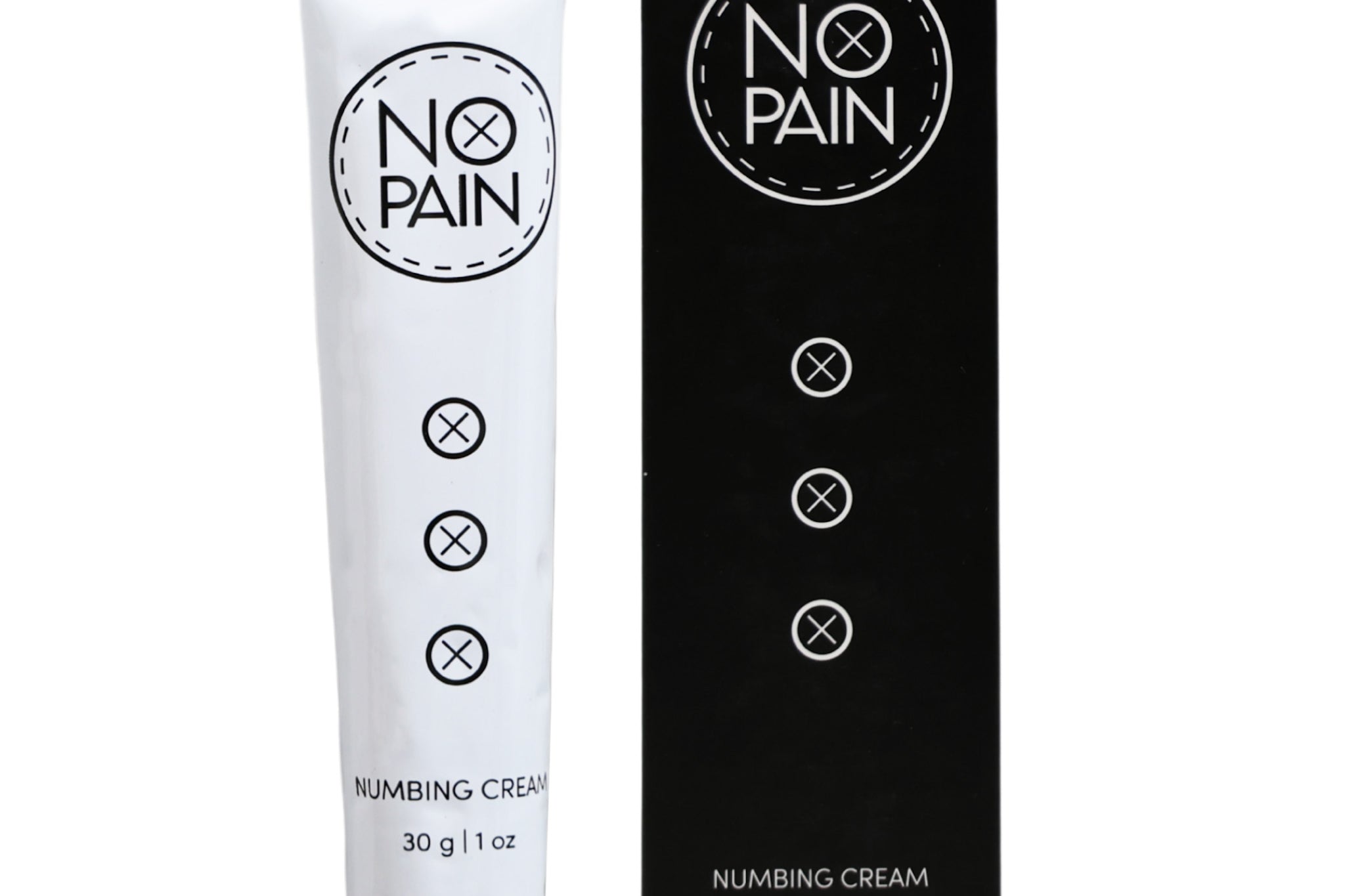
Reducing the pain stimulus also helps. Less pain means less physiological stress, which means a lower risk of a vasovagal episode. This is one situation where a numbing cream earns its place for practical reasons, not just comfort.

No Pain Tattoo Numbing Cream
Reducing the pain stimulus lowers the risk of a vasovagal response. Apply 45 minutes before your session.
Shop Numbing Cream →The Main Thing to Remember
Say something the moment you feel off. Artists would rather pause for 10 minutes than have you faint in the chair. There is no version of this where pushing through silently is the right call. The sooner you speak up, the faster you recover and the sooner the session can continue.