


Face and Sideburn Tattoo Pain: What to Expect
Face and sideburn tattoos are among the most painful placements you can choose. The skin is thin, the bone is close, and the area is dense with nerve endings. If you are considering face or sideburn work, understanding exactly what drives the pain and how to prepare for it is worth doing before you book.
Why Face Tattoos Hurt So Much
Several anatomical factors combine to make the face one of the most painful tattoo locations on the body:
Thin skin with little subcutaneous fat. The skin on most parts of the face is thinner than on the torso or limbs. There is minimal fatty tissue cushioning the needle from the bone or cartilage beneath. The needle impact is felt more directly.
Dense nerve supply. The face is innervated by the trigeminal nerve, one of the most dense and wide-reaching sensory nerve networks in the body. It covers the forehead, cheeks, jaw, and chin. Anywhere the trigeminal nerve runs near the surface, tattoo pain is amplified.
Proximity to bone. Areas like the forehead, temples, cheekbones, and jaw have bone close to the surface. Tattooing over bone transmits vibration directly, which adds a distinctive pressure and buzzing sensation on top of the needle pain.
Involuntary movement. Artists tattooing the face have to manage involuntary flinching, tearing of the eyes (even when you are not actively crying), and the natural movement of facial muscles. This can make sessions longer and require more passes, which adds to overall discomfort.
The Sideburn Area Specifically
The sideburn area - the skin running from the temple down toward the ear and jaw - is a distinct pain zone that many people underestimate. It sits at the intersection of several pain factors:
The temporal region. The temple area has a large temporal artery running close to the surface, thin skin, and proximity to the temporal bone. Pain here tends to be sharp and accompanied by a pronounced vibration sensation that some people describe as feeling it in their teeth.
The pre-auricular area (in front of the ear). The skin here is particularly thin and sensitive. Movement from the jaw during the session (talking, swallowing) can cause involuntary shifts. Many clients find this one of the hardest spots on the face to sit through.
The jawline. Work running along or below the jawline hits bone-close skin on one side and the thin skin of the neck on the other. The jaw also has significant nerve density from both the trigeminal and cervical nerve networks.
Pain by Face Zone
Pain levels vary considerably across different parts of the face. As a general guide:
Forehead: High pain. Thin skin over frontal bone. Vibration is pronounced. The supraorbital nerve running above the eye makes the brow area particularly sensitive.
Temple: Very high pain. Temporal artery, thin skin, bone proximity, and trigeminal nerve density all converge here.
Cheek: Moderate to high. More fatty tissue than the temple or forehead provides some cushioning, but nerve density remains high. The cheekbone area spikes in pain.
Upper lip / philtrum: Very high. Dense nerve endings, constant involuntary movement from breathing and swallowing, and proximity to the cartilage and bone of the nasal structure.
Chin: High. Mental nerve (branch of the trigeminal) runs through the chin, and bone is close to the surface.
Sideburn / pre-auricular: High to very high, as described above.
Managing the Pain
Face tattoo sessions require more active pain management than most other placements:
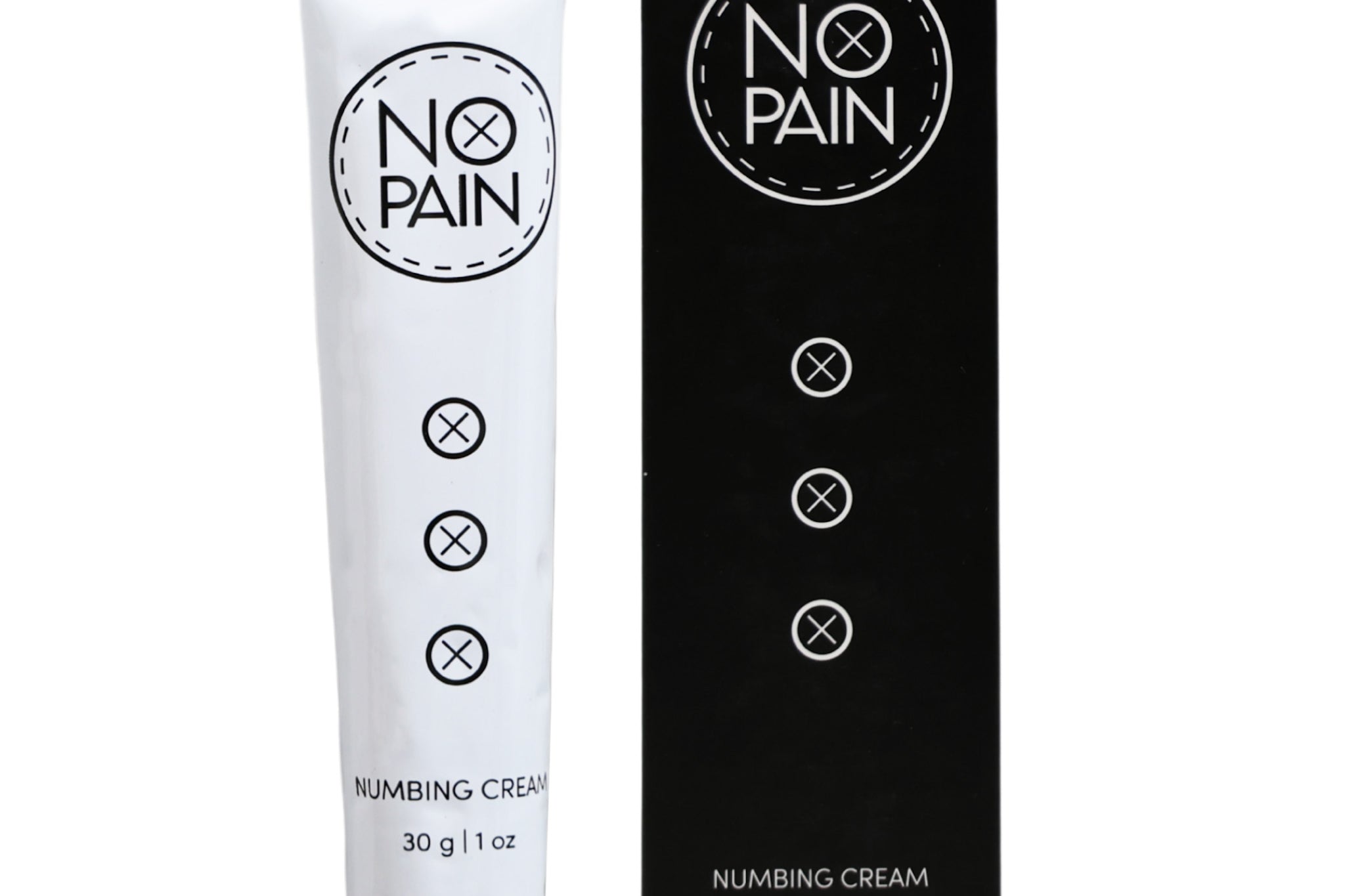
- Use a strong numbing cream. Applied correctly - 45 to 90 minutes before the session, covered with cling wrap to prevent evaporation - a high-strength topical anaesthetic can take the edge off for the first 1 to 2 hours of the session. Face skin is thin, which means absorption can be faster than on thicker skin. Follow the product instructions on timing.
- Keep sessions short. The face fatigues quickly and so does your pain tolerance. Shorter sessions (2 to 3 hours maximum) with adequate recovery between them produce better results than grinding through a long session in compromised condition.
- Communicate with your artist. Face sessions require close collaboration. If you need a break, say so. Flinching or sudden movement during face work is more consequential than on larger placements.
- Avoid caffeine on session day. Caffeine increases sensitivity and makes involuntary reactions more pronounced. This matters more on the face than almost anywhere else.
- Eat well beforehand. Blood sugar stability has a direct effect on pain tolerance. A good meal 1 to 2 hours before the session is essential, especially for a high-pain placement like the face.
Healing Face and Sideburn Tattoos
The face heals differently from other areas. The skin turns over faster, which can affect ink retention - face tattoos often need more touch-up work than tattoos on other areas of the body. The high blood supply to the face also means more initial swelling and redness post-session.
During healing, the face is exposed to everything: sun, sweat, touching, glasses, pillows, and facial products. These are all hazards that need management:
- Keep the tattoo clean with gentle, fragrance-free washing twice a day
- Apply aftercare product sparingly - the face does not need as heavy an application as thicker skin areas
- Avoid direct sun exposure on the healing tattoo - sunscreen once healed is important long-term for ink retention
- Sleep in a way that does not put pressure on the fresh tattoo for the first few nights
- Avoid makeup over the tattooed area until fully healed


Frequently Asked Questions
How painful is a face tattoo on a scale of 1 to 10?
Most people rate face tattoos in the 7 to 9 range, with some areas (temple, upper lip, pre-auricular) reaching 9 to 10. The combination of thin skin, nerve density, and bone proximity makes the face consistently one of the most painful tattoo locations. Individual pain tolerance varies, but few people find face work comfortable.
Are sideburn tattoos as painful as other face tattoos?
Yes, and in some ways more so. The temple and pre-auricular area near the ear are among the most sensitive spots on the face. The proximity of the temporal artery and the temporal bone, combined with the fact that you can feel vibration in your jaw and teeth, makes the sideburn area particularly intense for most people.
Can numbing cream be used on the face?
Yes, and it is widely used for face tattoos. Apply 45 to 90 minutes before the session and cover with cling wrap. Facial skin is thin and can absorb numbing cream faster than other areas. Discuss this with your artist beforehand.
Do face tattoos fade faster than other tattoos?
Yes. Facial skin has a faster cell turnover rate than skin elsewhere on the body, which means ink is displaced more quickly over time. Sun exposure accelerates this further - the face receives more UV exposure than most body locations. Expect face tattoos to need touch-up work more frequently than tattoos in less exposed locations.
How long does a face tattoo take to heal?
Surface healing typically takes 2 to 3 weeks, but full dermal healing takes 2 to 3 months. During the first week, expect swelling, redness, and peeling. The face may swell more than other placements due to its high blood supply. Most people look presentable within 10 to 14 days as the surface heals, but the ink continues settling beneath the surface for months.
Should I tell people before getting a face tattoo?
This is a personal decision, but face tattoos are visible in all professional and social contexts, and the decision is permanent (or extremely costly to reverse). Most experienced tattoo artists will have a conversation with first-time face tattoo clients to confirm they have thought through the implications before proceeding.