


The fleshy part of the butt is one of the easiest places on the body to get tattooed. That surprises most people, who assume all of it will be rough going. The reality is more nuanced: the main cheeks sit over the largest muscle in your body and have so much natural padding that many people describe tattooing there as barely feeling it. But the surrounding areas (the sacrum, the hip bones, the underbutt crease) are a different situation entirely.
Where on your butt the needle lands matters more here than almost anywhere else on the body.
In this guide
- Why pain varies so much across the butt
- Zone-by-zone pain breakdown
- Planning for a large piece
- Healing a butt tattoo
- FAQ
Why pain varies so much across the butt
The butt isn't one uniform area: it's a patchwork of tissue types with very different properties. The gluteus maximus, the large muscle that makes up the main cheeks, provides an enormous amount of natural cushioning. Tattooing over dense muscle with good padding is typically low-pain work. The needle is working through thick, well-supported tissue, and your body has plenty of insulation between the skin surface and anything sensitive underneath.
Move toward the edges and that changes fast. The sacrum and lower spine sit just beneath the skin at the top of the butt. The hip bones run along the outer sides. The underbutt crease is thin skin under constant tension. Each of these zones behaves like a completely different body part from a pain standpoint, which is why large butt pieces can feel like a real rollercoaster within a single session.

Zone-by-zone pain breakdown
Main cheeks (gluteus maximus): 2 to 4 out of 10
This is the surprise. The broad, fleshy center of each cheek is among the least painful placement options on the entire body. The gluteal muscle is the largest in the body, and all that mass acts as a natural shock absorber. Most people describe the sensation as a dull, low-level scratching, noticeable but very manageable. If you stay in this zone, a butt tattoo is genuinely one of the easier experiences you can have.
Top of the butt (sacrum and lower spine): 8 to 9 out of 10
The moment the needle moves off the muscle and onto the bony area of the sacrum or lower spine, the character of the pain changes completely. The dull ache disappears and is replaced by a sharp, vibrating sensation that travels along the bone. This is a high-pain zone for most people, regardless of their general pain tolerance. Designs that extend up toward the lower back will hit this area.
Underbutt crease (gluteal fold): 7 to 8 out of 10
The skin in the crease where the buttock meets the thigh is thin, tight, and sits in a high-friction area. It doesn't have the cushioning of the main cheek, and the skin is more reactive. Most people find this zone sharp and uncomfortable. It's also one of the trickier areas to heal cleanly for the same reasons (friction and skin movement work against it).
Outer sides (toward the hip bones): 7 to 9 out of 10
As a design wraps around the side of the body and starts approaching the hip bones, the padding drops off and the pain rises. This transition from the fleshy center to the bony outer edge can happen quickly. Pieces that wrap from the cheek around the hip will move through both ends of the pain scale within the same session.

Planning for a large piece
Large butt pieces are increasingly common: full cheek florals, symmetrical designs across both sides, wrap-around hip pieces. These are beautiful when done well, but they almost always cross multiple zones. That means your session will move from a 3/10 experience to a 9/10 experience within the same sitting, sometimes within inches of each other. Staying still through that transition is harder than it sounds, especially in an awkward position.
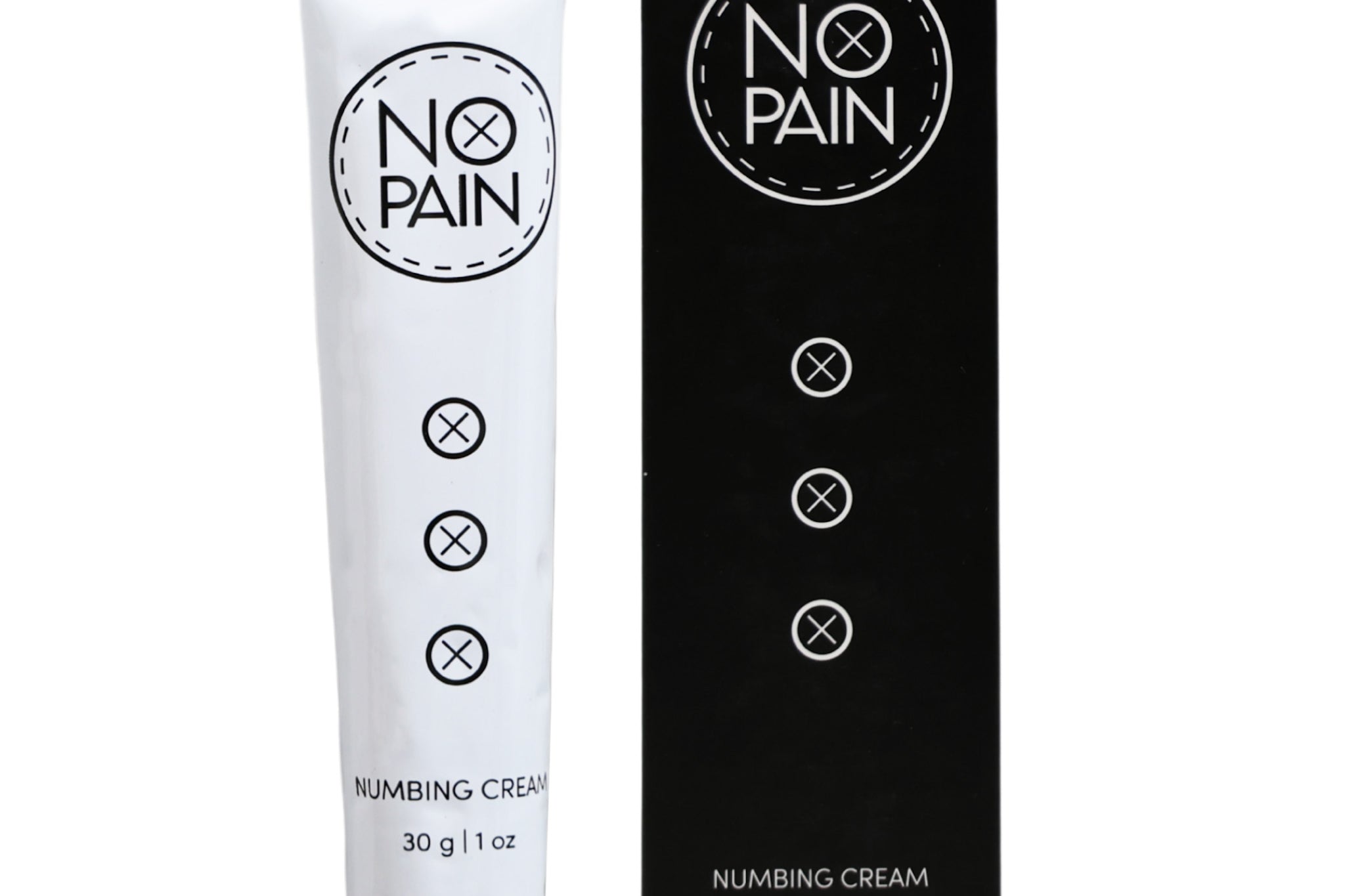
Numbing cream is the most effective way to even out the pain map. Applied to the full area 90 to 120 minutes before the session under wrap, it takes the highest-pain zones down considerably and makes the position and the session length much easier to manage. For longer sessions covering multiple zones, having a numbing spray available for mid-session touch-ups on broken skin extends that relief through the full piece.

Numbing cream for pre-session application (90 to 120 minutes before, under wrap) and numbing spray for mid-session use on broken skin. Thick, slow-absorbing formula that penetrates deeper and lasts longer. The combination that lets you sit all day. Backed by a money-back guarantee.
Healing a butt tattoo
The butt presents a specific healing challenge that most placements don't: you're going to sit on it. A fresh tattoo is an open wound, and sitting creates constant pressure and friction against the healing skin. Tight waistbands and clothing compound this. For the first few days, loose clothing and limiting long periods of sitting matters more than it would for, say, an arm piece.
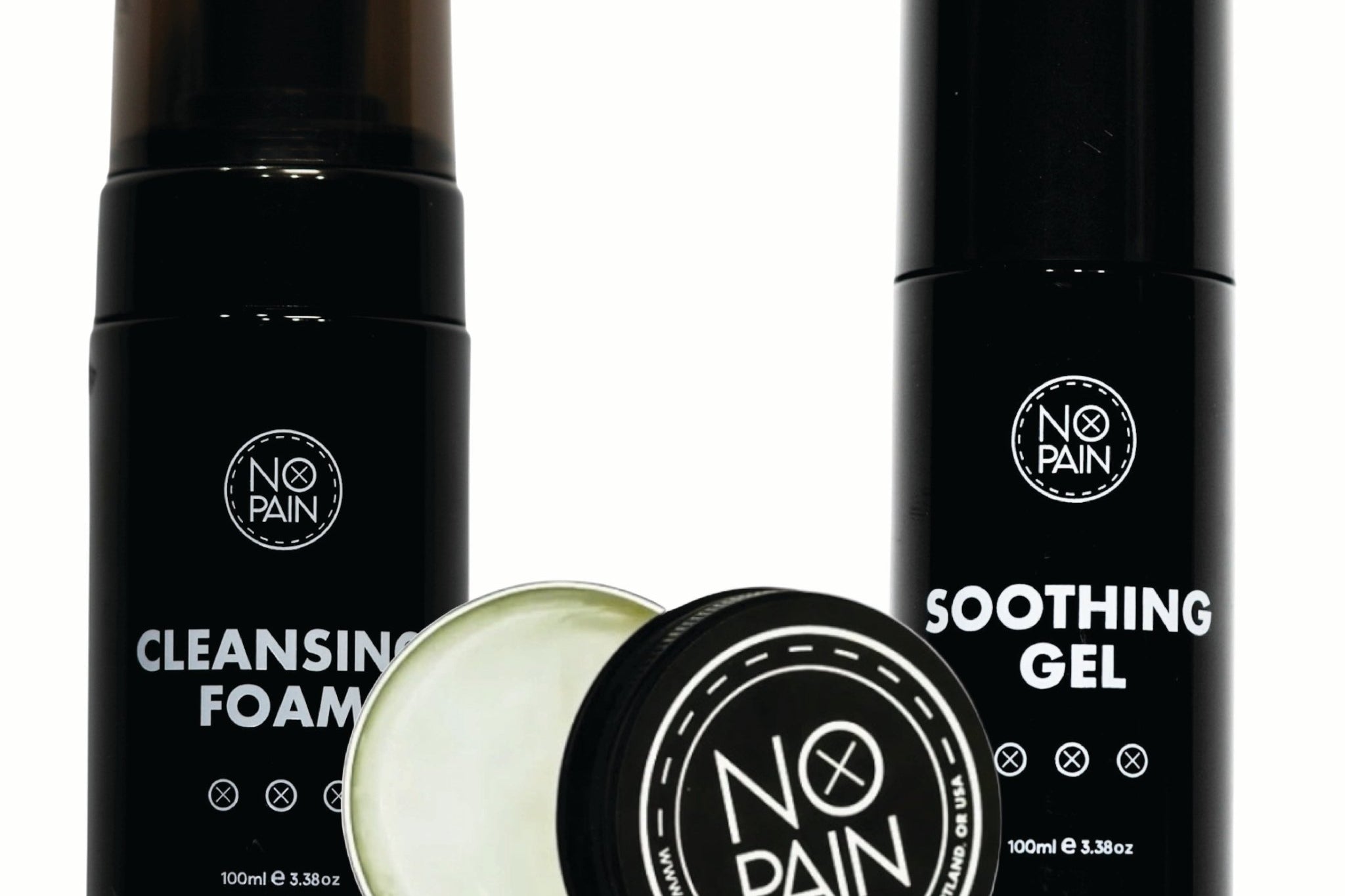
The underbutt and outer hip zones tend to heal slower than the main cheek because of this friction. Keep the area clean, wash twice a day with a fragrance-free soap, apply soothing gel after washing for the first days, and transition to aftercare balm around day two or three as peeling begins. Don't pick. The friction from clothing will create enough temptation to disturb the heal; resisting it keeps the color and linework intact.

No Pain Tattoo Aftercare Bundle
Soothing gel for the first days, aftercare balm from day two or three, and cleansing foam for daily washing. Everything you need for a clean heal from day one. Backed by a money-back guarantee.
Shop Aftercare Bundle: $33.60FAQ
How much does a butt tattoo hurt?
It depends entirely on which part of the butt. The main cheeks (the fleshy, muscular center) are among the least painful spots on the body, typically rating a 2 to 4 out of 10. The bony areas (sacrum at the top, hip bones on the sides) and the underbutt crease are much more painful, often rating 7 to 9 out of 10. Large pieces that cover multiple zones will involve both ends of that range in the same session.
Is the butt a good first tattoo placement for pain-sensitive people?
If the design stays on the main cheek area, yes, it's one of the more forgiving placements. The problem is that most butt tattoos extend beyond that zone, especially larger pieces. If you're pain-sensitive and want a butt tattoo, a smaller design centered on the fleshy part of the cheek is your lowest-pain option. Designs that reach toward the tailbone, hips, or underbutt crease will be harder going.
Do butt tattoos hurt more than other placements?
The main cheek area hurts less than most placements. The bony edges hurt more than most. The comparison depends on exactly where you're tattooing. Against an inner arm or rib piece, the main cheek is considerably easier. Against an outer thigh or upper arm, the sacrum or hip edge is harder.
How long does a butt tattoo take to heal?
Surface healing takes two to four weeks, depending on the size and placement within the butt. The outer layers close first; full dermal healing takes longer. The underbutt crease and areas near the hips tend to heal more slowly than the main cheek due to friction and movement. Keeping the area clean and moisturized from day one, and avoiding tight clothing during the first week, speeds the process and protects the result.
Can you use numbing cream for a butt tattoo?
Yes, and it's one of the more practical placements for it. Apply maximum strength numbing cream 90 to 120 minutes before your session under plastic wrap, covering the full area to be worked. This is especially useful for large pieces that cross both the low-pain cheek zones and the high-pain bony edges, helping even out what would otherwise be a jarring shift in sensation mid-session.
What should I wear to a butt tattoo appointment?
Loose, easy-to-move clothing that gives your artist unobstructed access to the area. Underwear you don't mind getting ink or stencil transfer on. Avoid tight waistbands that will sit on fresh work. For the days after the session, loose-fitting bottoms reduce friction against the healing tattoo and make the first week considerably more comfortable.