



There is no upper age limit on getting a tattoo. As long as you are 18 or older and in reasonable health, age alone is not a barrier. What does change as skin ages is its physical properties — elasticity, thickness, hydration, and how it responds to ink. Those changes affect the process and the result in ways worth understanding before you book, but none of them make tattooing impossible or inadvisable for most older adults.
In this article
- No age limit — but some real considerations
- How skin changes with age
- What this means for your tattoo
- Medications and health conditions to discuss
- Managing pain on older skin
- Placement tips for mature skin
- Frequently asked questions
No Age Limit — But Some Real Considerations
People get their first tattoo in their 40s, 50s, 60s, and beyond. Artists who have been tattooing for decades work on clients across the full adult age spectrum. The idea that there is some point at which you become too old to get tattooed is not grounded in anything practical — it is more of a cultural assumption that deserves to be set aside.
What is true is that skin in your 50s behaves differently under a needle than skin in your 20s, and a skilled artist will account for that. It is worth finding an artist who has experience tattooing older skin — not because the results cannot be good, but because their approach and technique choices will be better calibrated to what your skin needs.
How Skin Changes with Age
Elasticity decreases. Skin loses collagen over time, which reduces its firmness and snap-back. This can make it slightly harder to work with — older skin is sometimes described as being more like soft fabric than taut canvas — and may require a more experienced hand to pull it taut and keep it stable during the session.
The outer layer thins. The epidermis becomes thinner with age. Ink may go in differently and the surface may be more sensitive to the needle. This is usually manageable with technique adjustments.
Sun damage accumulates. Years of UV exposure create uneven texture and pigmentation. Areas with significant sun damage — particularly the forearms, hands, and upper back — may show more variation in how the ink settles and may require more passes to achieve even coverage.
Dryness increases. Older skin tends to retain less moisture, which affects healing. Skin that is already dry before the session may need more attention during the healing process to prevent excessive scabbing.
What This Means for Your Tattoo
Well-placed, well-executed tattoos on older skin can look excellent. A few adjustments improve the odds:
Bold designs with strong linework tend to age better than very fine, delicate linework on skin that has already lost some of its tension. Fine-line work on looser skin can spread more quickly over time than on younger, tighter skin. That is not a reason to avoid fine-line entirely, but it is worth discussing with your artist.
Good placement matters more as skin ages. Areas that are exposed to sun (forearms, hands, chest) will fade faster regardless of age, but UV damage already present in the skin adds to that effect. Areas with significant looseness — inner arms, areas that have seen weight changes — may shift the tattoo appearance more over time.
Healing may take slightly longer. Older skin regenerates more slowly, so the peeling and resettling phase of healing can extend a bit beyond the two to three weeks that younger skin typically takes.
Medications and Health Conditions to Discuss
This is the area where age genuinely adds variables that younger clients typically do not face. Common medications in older adults can affect how safely you can get tattooed:
Blood thinners (warfarin, aspirin, clopidogrel, newer anticoagulants) cause more bleeding during the session, which pushes ink out of freshly placed lines and compromises the result. Let your artist and your doctor know before your appointment — your doctor may advise temporarily adjusting your medication or may confirm it is safe to proceed.
Immunosuppressants slow the immune response and can affect healing. A tattoo is an open wound, and anyone on medication that suppresses the immune system needs to think carefully about infection risk.
Steroids affect skin texture and healing. Long-term steroid use can thin the skin further and slow recovery.
Diabetes affects circulation and healing. It is not an automatic contraindication, but it is something to discuss with your doctor before booking. Well-managed diabetes and tattooing can coexist — poorly managed diabetes is a different situation.
If you are on any regular medications or managing a chronic health condition, have a brief conversation with your doctor before you book. This is not about getting permission — it is about having the right information to make a safe decision.
Managing Pain on Older Skin
Pain tolerance varies enormously between individuals and has no predictable relationship to age. Some older clients find the process more tolerable because they have a clearer sense of what to expect and a higher baseline for discomfort. Others find that age-related nerve sensitivity or medications affect how they experience pain during a session.
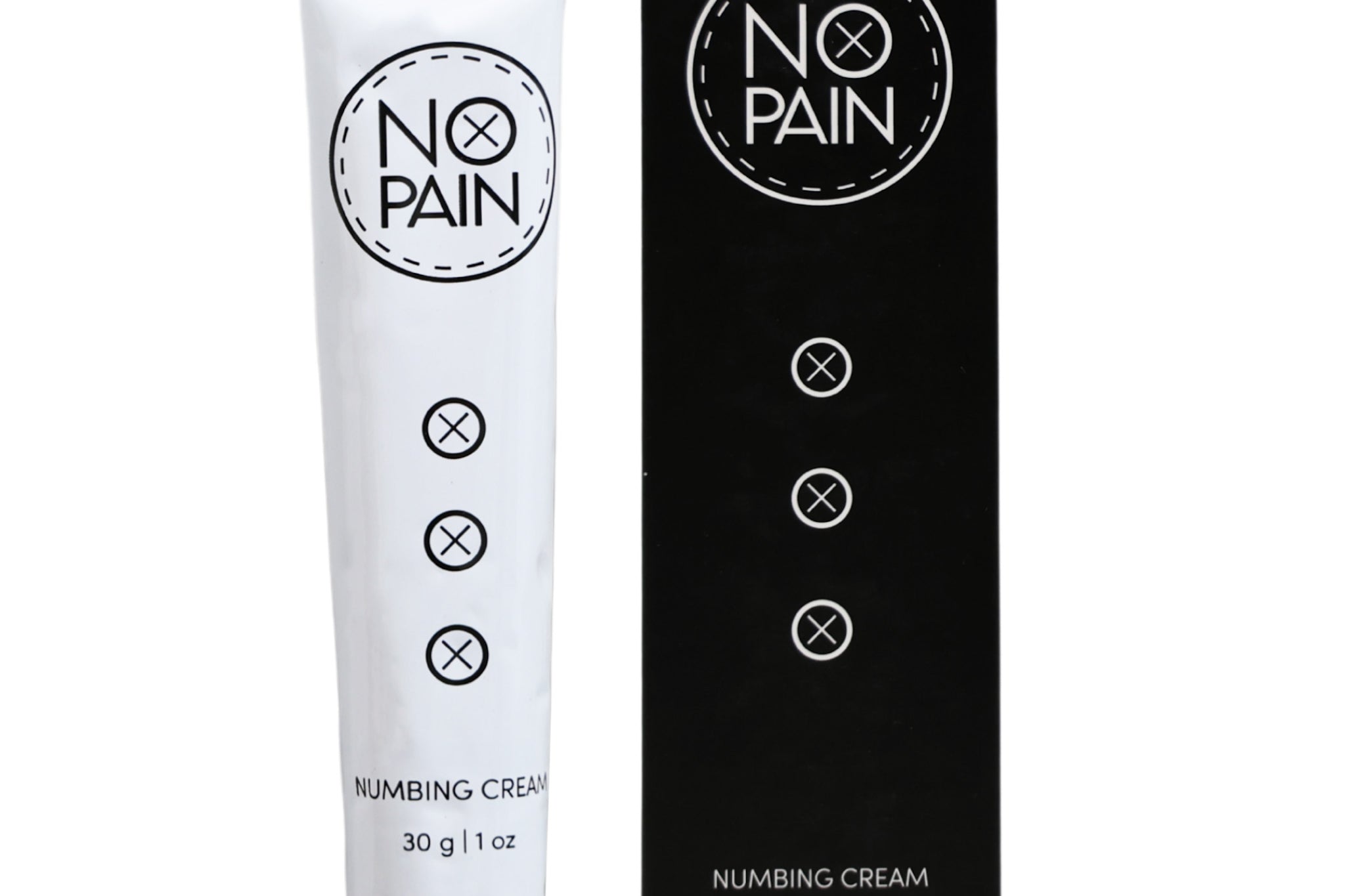
A topical numbing cream applied before the session is an effective way to reduce discomfort regardless of your age. Maximum-strength lidocaine cream penetrates the skin and blocks nerve signals before the first pass — applied 90 to 120 minutes before the session under plastic wrap for full effect.

Maximum-strength lidocaine cream that deeply numbs skin before procedures. Apply 90 to 120 minutes before your session with plastic wrap for full-depth coverage through the appointment.
Placement Tips for Mature Skin
Some placements hold up better on older skin than others. Areas with relatively stable skin — the upper back, shoulder, outer forearm, and calf — provide a good surface that does not change dramatically with weight fluctuation and retains some firmness longer. These placements tend to produce more predictable results.
Areas with looser skin — the inner arms, abdomen, inner thigh — can cause designs to shift or distort more as the skin continues to change. Fine-line or intricate detail work in these areas is higher risk for any client, and more so on skin that has already lost significant tension.
Sun-exposed areas will fade faster, and any existing sun damage in those areas will affect how the ink looks initially and over time. A conversation with your artist about placement and their experience tattooing on mature skin will give you better guidance than any general rule.
Frequently asked questions
Is there an age at which tattoos stop looking good?
No. Tattoos on older skin can look excellent when the design, artist, and placement choices account for how that skin behaves. The artists who produce the best results on mature skin tend to be those who have specifically worked with it and understand the adjustments involved.
Will a tattoo look different on older skin than on younger skin?
Initially, not dramatically. Over time, some differences become more visible — ink may spread slightly faster in skin with less collagen, and healing takes a bit longer. Choosing a design with good line weight and appropriate scale helps the piece age well regardless of when you got it.
Do I need a doctor's approval before getting a tattoo at an older age?
Not unless you are on medications or managing health conditions that affect healing or bleeding. For most healthy adults, no medical clearance is required. If you are on blood thinners, immunosuppressants, steroids, or managing diabetes or autoimmune conditions, a brief conversation with your doctor before booking is worthwhile.
Does skin age faster in areas that have been tattooed?
No. Tattooing does not accelerate skin aging. Sun exposure, on the other hand, does — and UV light also degrades tattoo ink over time. Keeping tattooed areas out of direct sun and using SPF on healed tattoos is the most effective long-term maintenance habit regardless of when you got them.
Will the tattoo hurt more because of older, thinner skin?
It depends on the person and the placement. Thinner skin can sometimes mean higher sensitivity, but pain tolerance is highly individual. Using a numbing cream before the session is the most effective way to reduce discomfort and makes the process more manageable on any type of skin.
Is it safe to get tattooed if I am on a blood thinner?
Talk to your doctor first. Blood thinners increase bleeding during a session, which can compromise the result — excess blood pushes ink back out of fresh lines. Your doctor may be able to advise on timing relative to your medication schedule, or may confirm the risk is acceptable. Do not stop or adjust medication on your own before a tattoo appointment.