


What Should You Not Touch After Getting a Tattoo?
The list of things you should not touch after getting a tattoo is shorter than most people expect, but the consequences of ignoring it are worth understanding. The core rule is: keep unclean hands, foreign objects, and anything that introduces friction or contamination away from the healing surface.
Your Own Unwashed Hands
The hands are the primary vector for contamination of a healing tattoo. Human hands carry bacteria from every surface touched during the day. Applying unwashed hands to an open wound in the dermis introduces bacteria directly to a vulnerable area.
This does not mean you cannot touch your tattoo. It means you must wash your hands with fragrance-free liquid soap first, every time. Clean your hands before washing the tattoo, before applying aftercare products, and before adjusting any covering. There is no exception to this.
Other people's hands should not contact the tattoo at all during healing. Curious friends wanting to feel the texture of a fresh tattoo, partners touching it absentmindedly, children reaching for it out of interest; these contacts all carry bacteria from unknown sources to a wound that is still open to the dermis. The answer is simply no contact from other hands until the tattoo is fully surface-healed.
Scabs and Peeling Skin
Do not pick, scratch, or peel the scabs or peeling skin from a healing tattoo. This is the single most important behavioral instruction in aftercare, and it is also the one most commonly violated.
A scab over a healing tattoo is not just dried blood on the skin surface. It is a protective layer sitting over a wound in the dermis that is still actively closing. Beneath the scab, new skin is forming and ink is anchoring into position. A scab that is removed before it is ready to shed naturally takes ink with it, pulling it out of the dermis from the specific spot where it was attached. This produces the patchy, light areas in healed tattoos that require touch-ups.
The itch phase (typically days seven to fourteen) is when this becomes most difficult to resist. The nerve endings in the healing skin produce itching as part of the repair process. Scratching or picking at this point causes the most ink loss because the scabs are at their most adhered. The correct response to itching is to apply a thin layer of balm, which reduces the itch by keeping the surface moisturized.

Surfaces the Tattoo Should Avoid
Bed linen in the first week. Sheets and pillowcases accumulate bacteria, pet dander, skin cells, and dust mite matter over the course of a week. A fresh tattoo pressed against unwashed bedding for eight hours has prolonged contact with all of it. Either wash bedding before the tattoo session, place a clean towel or pillow case over the sleeping surface, or wear loose clothing that covers the tattoo during sleep. Change whatever covers the surface every two to three days during the acute healing phase.
Gym equipment. Gym equipment, particularly benches, handles, and flooring, carries a high bacterial load even in well-maintained facilities. Avoid contact between gym equipment and a healing tattoo. If the placement makes this impossible to avoid during a workout, consider waiting two to three weeks before returning to gym activities that would put the tattoo in contact with shared surfaces. Sweat itself is not a contamination risk, but the shared surfaces that absorb sweat from multiple users are.
Swimming pools, hot tubs, and open water. Avoid these entirely until the tattoo is surface-healed. Swimming pools carry chlorine, which irritates a healing wound and can disrupt the skin's repair process. Hot tubs carry a higher bacterial load than pools. Open water (rivers, lakes, ocean) introduces bacteria and potential contaminants to an open wound. Two to three weeks is the minimum wait for most placements; longer for areas that will be fully submerged.
Pets. Pet dander, hair, and saliva should not contact a healing tattoo. Keep pets away from the tattooed area during sleep and when sitting in areas where they rest. This is particularly relevant if the placement is on an area that a pet tends to lick.
Products and Substances to Keep Off
During healing, keep the following away from the tattoo:
Sunscreen. Wait until the tattoo is fully surface-healed before applying sunscreen to it. Most sunscreens contain chemical filters and preservatives that irritate open wounds. Once healed, sunscreen is one of the most important products for long-term tattoo maintenance; during healing, it is contraindicated. Keep the healing tattoo covered or out of direct sun instead.
Exfoliating products. Scrubs, chemical exfoliants, and anything designed to remove the surface layer of skin should be kept well away from a healing tattoo. The new skin forming over the tattoo is exactly what these products target, and applying them to the area disrupts the healing process.
Fragranced lotions and soaps. Fragrances are among the most common skin sensitizers. On a healing wound, they cause irritation that slows healing and can mimic infection symptoms. Only fragrance-free products should contact the tattoo during healing.
Alcohol-based products. Alcohol strips moisture from the skin surface and dries out the wound, exactly the opposite of what a healing tattoo needs. This includes hand sanitizers applied near the tattoo, aftershaves sprayed over it, and any toner or skincare product with alcohol as a primary ingredient.
What Is Safe to Touch the Tattoo
Clean, washed hands applying aftercare product correctly are fine. Fragrance-free liquid soap during washing is fine. A fragrance-free, appropriate aftercare gel or balm applied thinly is fine. Loose, breathable clothing resting over the tattoo is fine.
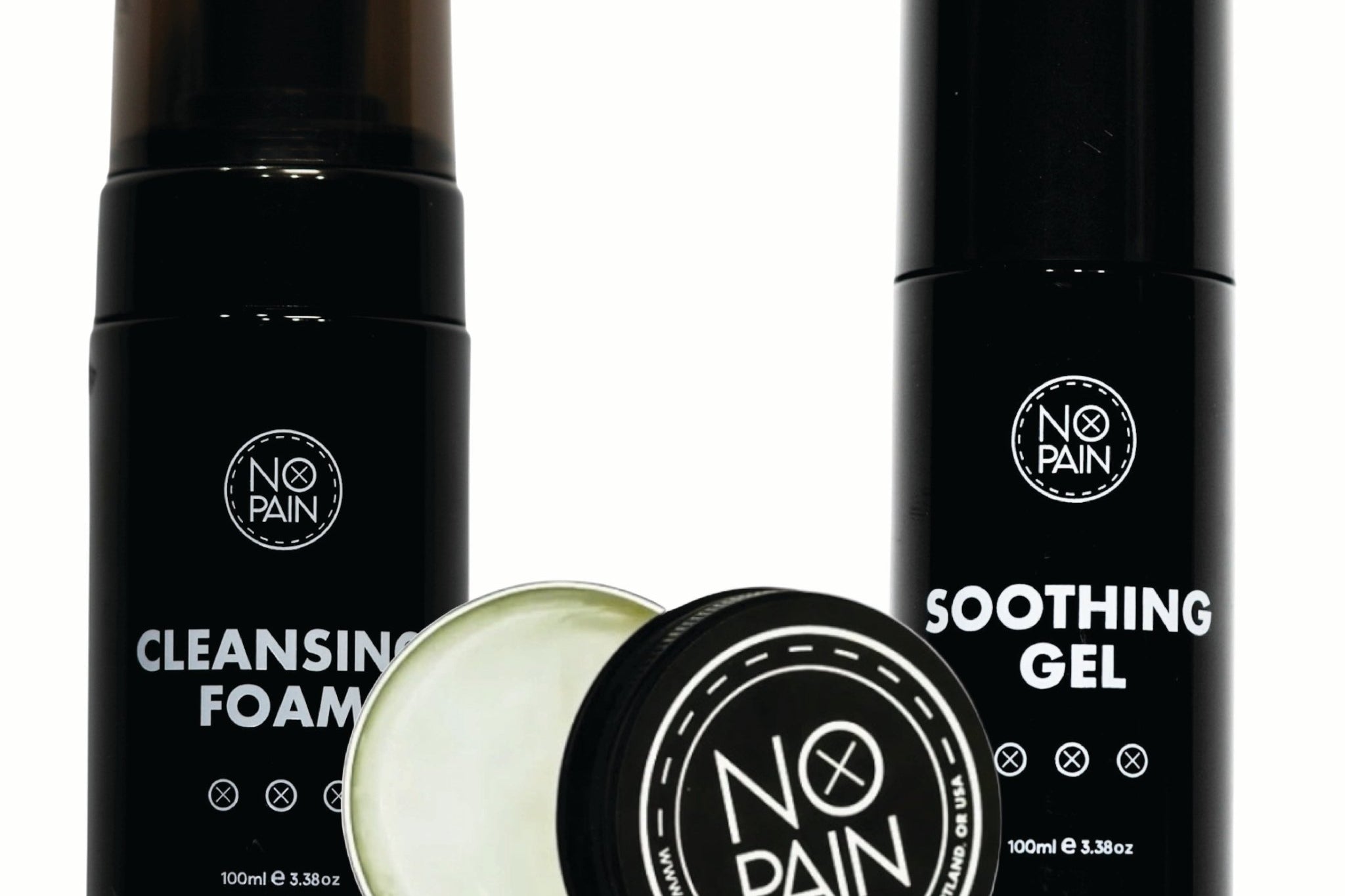
For the acute healing phase (first three days), a soothing gel applied after washing provides the wound environment that supports rapid closure and reduces the inflammatory response.

Frequently Asked Questions
What happens if I accidentally touched my tattoo with dirty hands?
Do not panic. Wash the tattoo gently with fragrance-free soap and cool water as soon as possible, pat dry with a clean paper towel, and apply a thin layer of aftercare gel. Monitor the area over the next few days for signs of infection (expanding redness, increasing warmth, discharge). A single contact with unwashed hands is not guaranteed to cause infection, but cleaning the area promptly reduces the risk to near zero.
Can I scratch around the tattoo but not on it?
Scratching the skin around the tattoo is fine. The concern is only for the tattooed area itself. If the itching is intensely localized to the tattoo and the surrounding area is fine, applying balm to the tattoo area should address it. If the skin around the tattoo is also itching, check whether you are reacting to the aftercare product being used.
My pet licked my tattoo. What should I do?
Wash the area immediately with fragrance-free soap and cool water. Pet saliva contains bacteria, including some species (like Pasteurella) that can cause wound infections in humans. The risk from a single lick is low if the wound is cleaned promptly, but it is worth watching the area for the standard infection signs over the following few days.
Can I touch my tattoo to check how it is healing?
Yes, with washed hands. Gently feeling the texture to assess whether scabbing is thin and pliable or thick and raised is fine. Pressing firmly, squeezing, or rubbing the area is not. If you are checking whether the skin feels raised or textured, a single gentle touch with clean fingertips will tell you what you need to know without causing any disruption.
Is it safe for my partner to touch my healing tattoo?
Not during the surface-healing phase. Their hands carry bacteria from a different environment than your own, and the tattoo cannot distinguish between clean hands and dirty ones based on whose they are. Once the tattoo is fully surface-healed and the skin is closed, normal contact is fine.
How long do I need to keep things away from the tattoo?
The acute phase requiring the most care is the first two to three weeks, during which the skin is still open and actively healing. By week three for most placements, the surface has closed and the risks are much lower. Full surface healing (no peeling or scabbing) is the transition point at which normal contact with the tattooed area is fine. Activities like swimming and sunbathing require the tattoo to be fully healed, typically three to four weeks at minimum.