



No. You should not get a tattoo while taking Accutane (isotretinoin), and you need to wait a meaningful amount of time after finishing your course before it's safe to go ahead. This isn't a gray area. The drug changes how your skin heals in ways that can permanently affect the outcome of your tattoo and your skin.
Here's what Accutane does to your skin, why it matters for tattooing, and what the waiting period actually looks like.
In this guide
- What Accutane does to your skin
- Why this matters for tattooing
- How long to wait after Accutane
- What tattoo artists know
- When you're cleared
- FAQ
What Accutane does to your skin
Isotretinoin is a systemic retinoid, meaning it affects your whole body, not just the areas where you have acne. Its primary mechanism is reducing sebum production by shrinking the sebaceous glands, but it has several secondary effects on skin that are relevant to tattooing.
Accutane slows wound healing. The drug is known to interfere with the normal cellular repair process, which means that any wound (including the thousands of micro-punctures a tattoo creates) takes longer to close and is more vulnerable to complications during that extended window.
It also thins and sensitizes the skin. The reduction in oil and the changes to skin cell turnover make skin more fragile during and after a course of Accutane. Skin that's been on isotretinoin is more likely to tear, bleed more, and respond to needle trauma in unpredictable ways.
Finally, Accutane increases the risk of abnormal scarring. Because the skin's healing response is altered, the chance of hypertrophic or keloid scar formation is higher than it would normally be. For a tattoo, that means raised, distorted scar tissue where you were expecting clean ink.
Why this matters for tattooing
A tattoo is a controlled wound. The artist deposits ink into the dermis by puncturing the skin thousands of times in a session. Under normal circumstances, the skin heals in a predictable way that locks the pigment in place. The process depends on the body's wound response working as expected.
On Accutane, that predictability breaks down. Artists who have unknowingly tattooed clients on isotretinoin report that the skin behaves differently: it tears more easily, bleeds more, and doesn't hold ink cleanly. The result is often patchy color, blown-out lines, and a heal that produces uneven texture or scarring that no amount of aftercare can fix.
The risks aren't hypothetical. Poor healing, infection, permanent scarring, and distorted ink are all real outcomes when tattooing is done on skin compromised by isotretinoin.
How long to wait after Accutane
The standard recommendation from dermatologists and experienced tattoo artists is to wait at least six months after your final dose before getting a tattoo. Many dermatologists recommend waiting a full year to be certain.
The reason for the range is individual variation. Isotretinoin has a relatively short half-life and leaves the bloodstream within weeks of stopping, but the changes it makes to skin take longer to reverse. Sebum production, skin thickness, and healing capacity don't return to baseline overnight. Six months is the floor; twelve months is the safer end of the window for people who want to minimize any residual risk.
Don't try to shorten this. The potential consequences (permanent scarring, distorted tattoo work that can't be fixed) aren't worth rushing. The tattoo you want will still be available in six months.
What tattoo artists know
Reputable tattoo artists are aware of the Accutane issue. Most studios include a question about current medications or recent Accutane use on their consent forms, and a knowledgeable artist will decline to tattoo someone who is currently on isotretinoin or who finished a course recently. If an artist doesn't ask and doesn't seem to know about this contraindication, that's relevant information about how they operate.
Be honest on consent forms. An artist who proceeds without knowing you're on Accutane may produce work that looks like their failure when the problem was a contraindication they weren't told about. Disclosing protects you and them.
When you're cleared
Once you've passed the waiting period and gotten clearance from your dermatologist, you can plan your session like anyone else. Your skin at that point should be back to its normal healing capacity.
One thing worth noting: people who've been on Accutane sometimes find that their skin is a bit drier long-term even after the drug has cleared. Good aftercare matters for everyone, but keeping the healing tattoo well-moisturized is something to pay particular attention to.
For the session itself, maximum strength numbing cream applied 90 to 120 minutes before the appointment under wrap works exactly as it would for anyone. There's no Accutane-specific reason to avoid numbing products once you're past the waiting period.

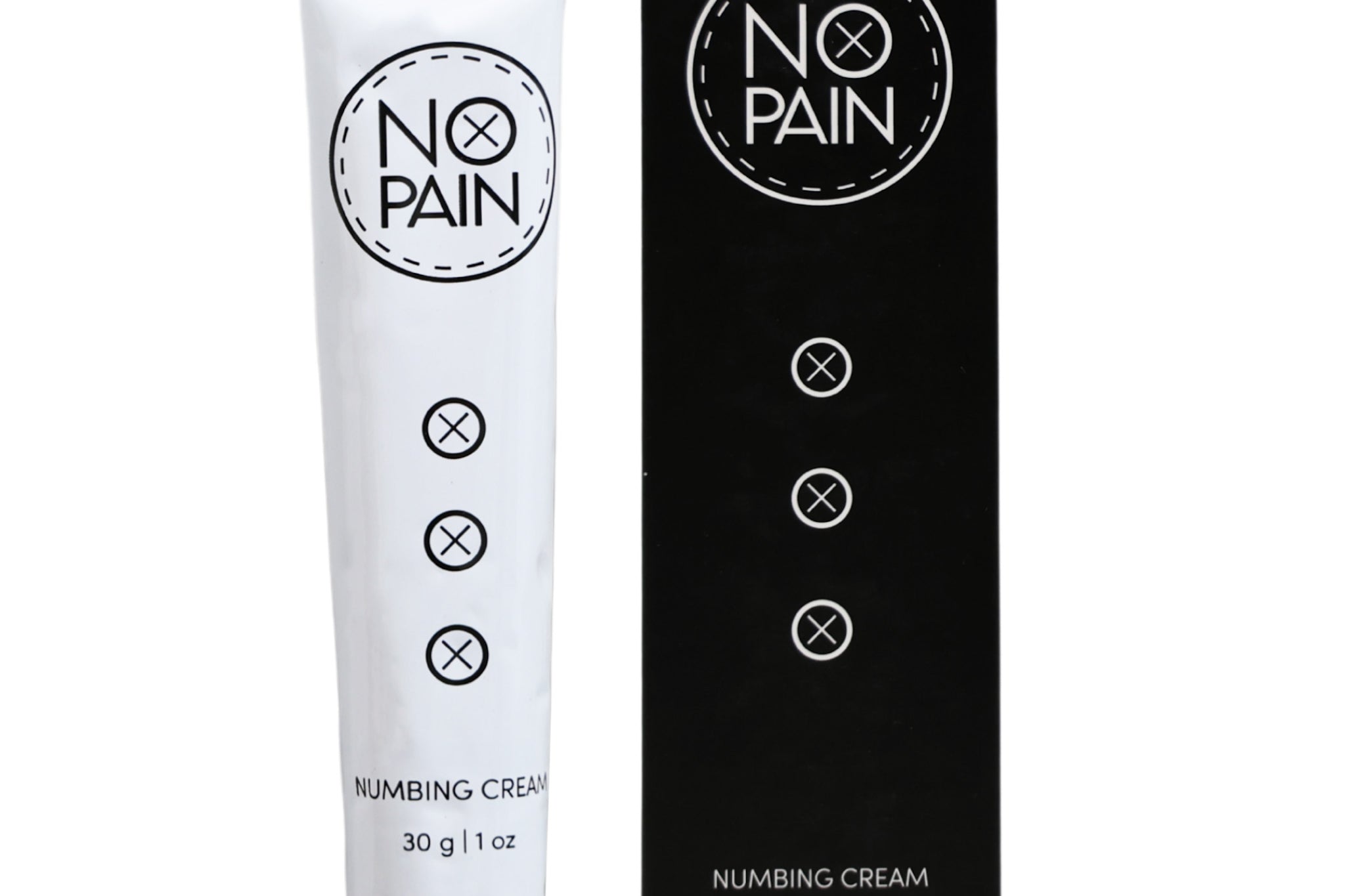
Maximum strength numbing cream for pre-session application. Apply 90 to 120 minutes before the session under wrap. Thick, slow-absorbing formula that penetrates deeper into the dermis and lasts longer than thinner creams. Backed by a money-back guarantee.
Shop Numbing Cream: $30.00
Clean aftercare also matters more when you've recently come off Accutane, since your skin may still be adjusting. The basics apply: wash twice a day with a fragrance-free liquid soap, use soothing gel for the first days, transition to an aftercare balm from day two or three as peeling starts, and stay out of the sun until it's fully healed.

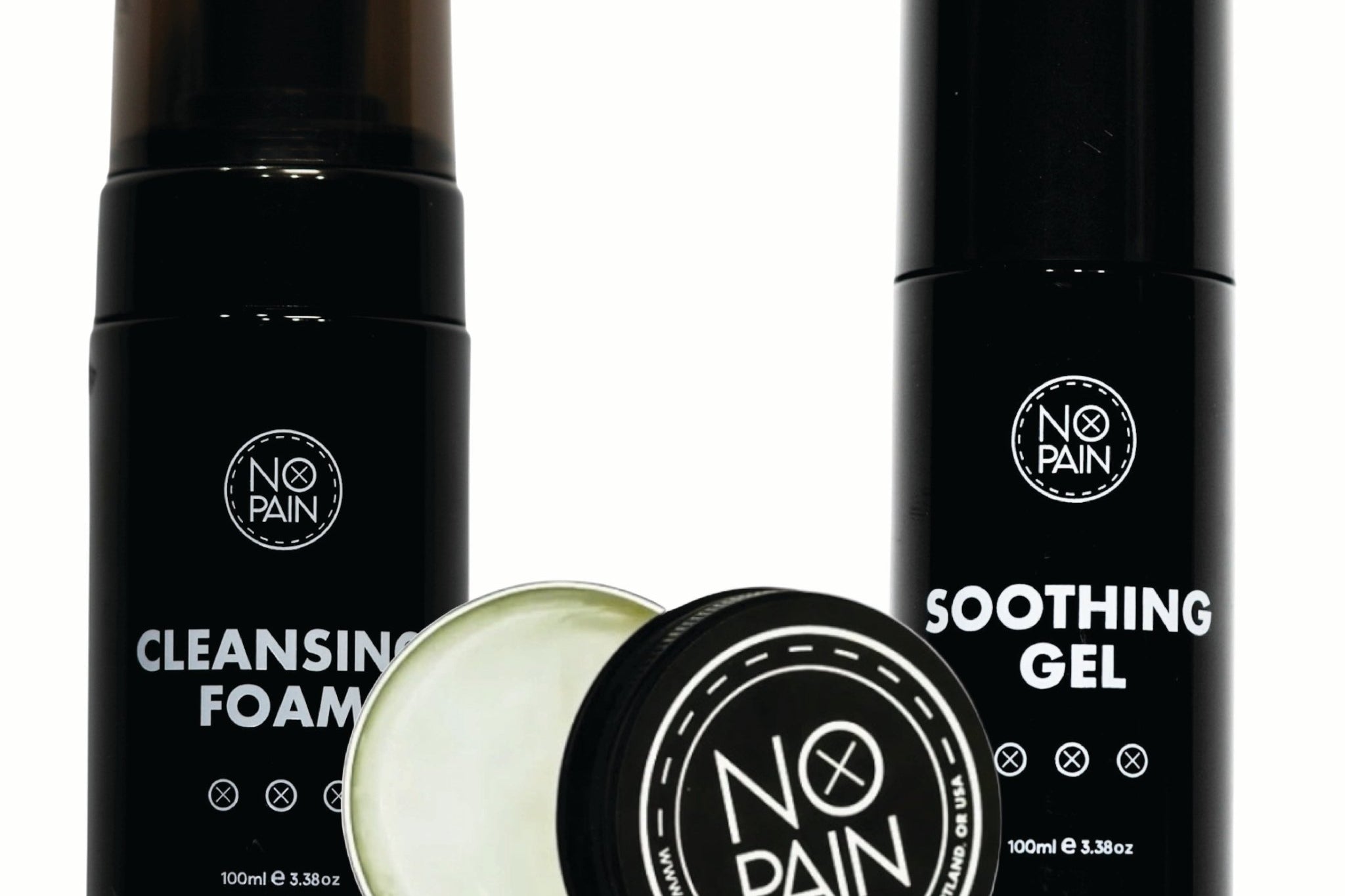
No Pain Tattoo Aftercare Bundle
Soothing gel for the first days of healing, aftercare balm from day two or three onward, and cleansing foam for daily washing. Everything your tattoo needs to heal cleanly once you're cleared and ready. Backed by a money-back guarantee.
Shop Aftercare Bundle: $33.60FAQ
Can you get a tattoo while on Accutane?
No. Accutane slows wound healing, thins and sensitizes the skin, and raises the risk of abnormal scarring. Getting a tattoo on isotretinoin can result in poor ink retention, blown-out lines, infection, and permanent scar tissue where the tattoo should be. Most reputable artists will decline if they know you're on the medication.
How long after Accutane can you get a tattoo?
The standard recommendation is to wait at least six months after your final dose. Many dermatologists suggest twelve months to be safe. The timeline exists because Accutane's effects on skin healing take time to reverse after the drug leaves your system. The six-month floor is the minimum; the longer end is the more cautious approach.
What happens if you get a tattoo on Accutane?
The skin behaves unpredictably: it's more likely to tear, bleed heavily, and fail to hold ink cleanly. The heal can produce heavy scabbing, uneven color, blown-out lines, and abnormal scar formation. In some cases, the scarring is permanent and can distort the tattoo beyond repair. The artist may also find the skin difficult or impossible to work with, leading to a compromised result regardless of their skill level.
Do I need to tell my tattoo artist I was on Accutane?
Yes. Consent forms at reputable studios typically ask about current medications and recent Accutane use. If the artist doesn't ask, tell them anyway. If you're within the waiting period, a responsible artist will reschedule you. Being upfront protects you from a bad outcome and gives the artist accurate information about your skin.
Does Accutane affect tattoo healing even after you stop taking it?
Yes, for a period after stopping. The drug leaves the bloodstream within weeks, but the effects on skin thickness, sebum production, and healing capacity take longer to normalize. This is why the waiting period exists: you're not waiting for the drug itself to clear, you're waiting for your skin's function to return to baseline. How long that takes varies by person and course duration, which is why the recommended range is six to twelve months rather than a fixed number.
Can you use numbing cream after Accutane?
Yes, once you're past the waiting period and your skin has returned to normal, numbing cream works exactly as it would for anyone. There's no long-term interaction between isotretinoin and topical anesthetics like lidocaine. Apply 90 to 120 minutes before your session under wrap, and you're set. If you have any specific concerns, confirm with your dermatologist before your appointment.