


A Guide to Aftercare for Tattoos with a Lot of White Ink
White ink tattoos demand more from the healing process than almost any other style. The pigment is lighter, the contrast with surrounding skin is lower, and the margin for error during recovery is narrower. If you have a tattoo that is heavily white-ink-based, the standard aftercare steps still apply, but a few specific rules will determine whether you end up with crisp, lasting results or a muddy, faded piece.
This guide covers what makes white ink heal differently, what to expect at each stage, and the product choices that matter most.
Why White Ink Heals Differently
White tattoo ink contains titanium dioxide, a compound that is UV-sensitive and optically different from carbon-based black ink. During healing, a few things make white ink more demanding:
The milky phase lasts longer. All fresh tattoos go through a phase where the skin looks cloudy and the colors appear muted. On white ink pieces this phase is especially pronounced: the tattoo may look completely washed out or yellowish for weeks before the true color settles. This is not a sign of failure.
Ink loss is more visible. When even a small amount of white pigment is lost during scabbing, the gaps show up immediately against the skin. On a dark tattoo, minor ink fallout is nearly invisible. On a white piece, every small loss is apparent.
Infection or inflammation shows differently. Redness, inflammation, or early infection can be harder to spot against the light pigment. You need to pay closer attention to warmth, swelling, and texture rather than relying on color changes as your warning signal.
What to Expect at Each Stage
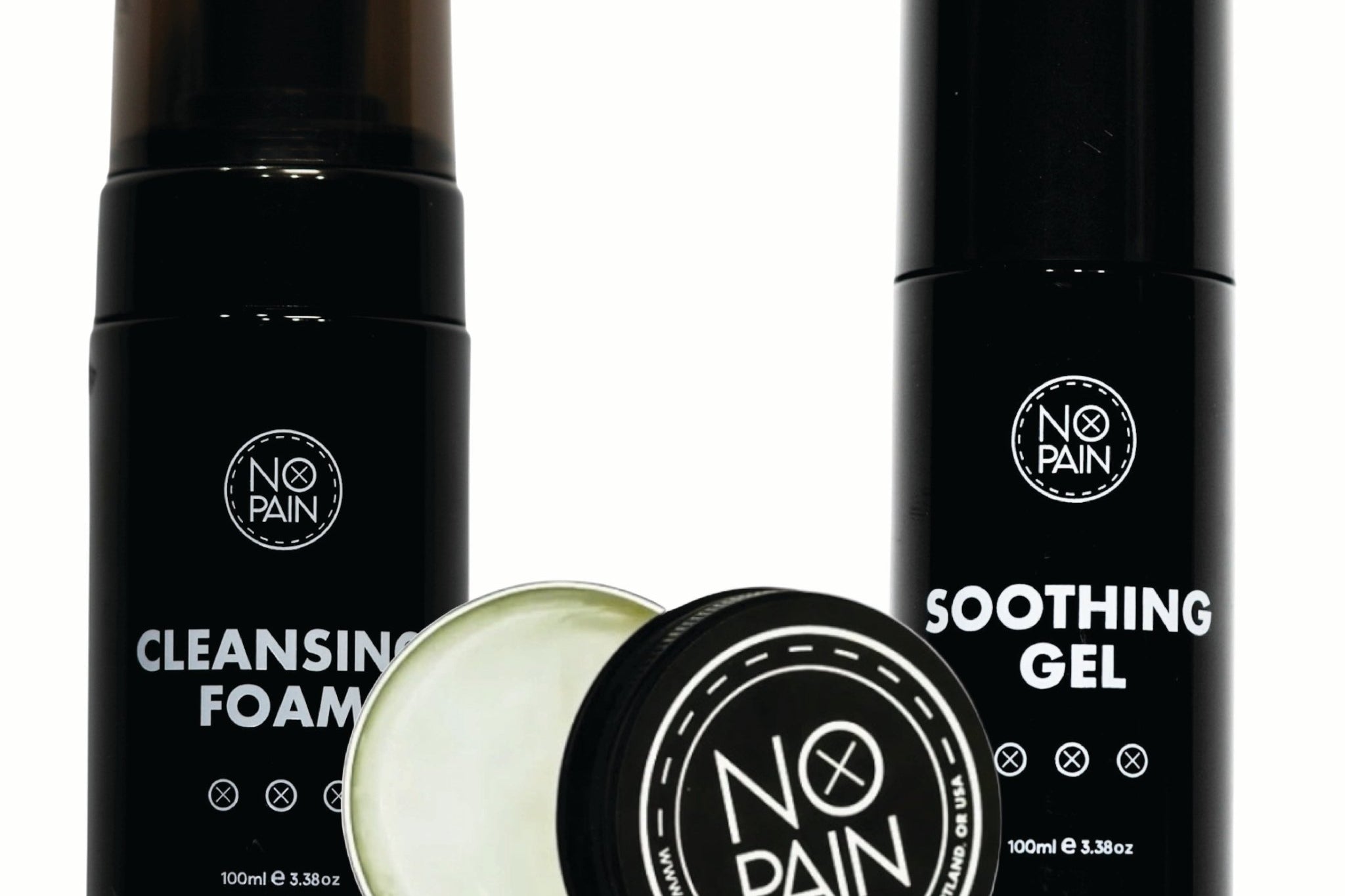
Days 1 to 3: The tattoo will be raw, slightly raised, and weeping plasma. White pigment at this stage often looks cream-colored or even yellowish. This is normal: it is plasma mixing with surface ink, not a permanent change. Keep the area clean and apply a soothing gel after each wash.
Days 4 to 7: Light scabbing or peeling begins. White ink pieces often peel in fine layers rather than thick scabs. Do not pick or peel; this is where the most ink loss happens. The tattoo will look dull and uneven during this phase.
Days 8 to 14: Deeper peeling subsides and the skin starts to close over. The tattoo may look patchy, blurry, or much lighter than expected. This is still the milky phase and is not the final result.
Weeks 3 to 6: The skin settles and the true healed color becomes visible. White ink will almost always look less saturated than it did fresh. A slight cream or ivory tone is normal on most skin types. Very fair skin shows white ink most clearly; deeper skin tones will see it fade toward a subtle shimmer rather than a bright white.
The Key Rules for White Ink Aftercare
Keep it out of the sun. UV light degrades titanium dioxide faster than any other pigment. Even after healing, consistent sun exposure will turn white ink yellow or cause it to fade rapidly. Cover the area during healing and apply SPF 50 sunscreen daily once healed.
Do not over-moisturize. Thick, occlusive products trap moisture and can cause the surface ink to lift during peeling. A thin, breathable gel in the first few days works better than heavy balms or petroleum-based products for this stage.
Wash gently and less forcefully. White ink sits in finer lines and lighter passes than black. Scrubbing during washing pulls ink out of partially healed skin faster than aggressive cleaning would on a bold black tattoo.
Avoid tight clothing over the area. Friction is a major cause of white ink loss during healing. Any fabric rubbing against a healing white piece will displace pigment before the skin has fully closed over it.
Do not soak. No baths, pools, or ocean contact until the tattoo is fully healed. Waterlogged skin causes white ink to bleed outward and lose definition faster than almost any other cause of ink loss.
Choosing the Right Products
The product selection rules for white ink aftercare come down to two things: fragrance-free and non-occlusive in the early days, then nourishing and hydrating once the surface has closed.

Once peeling has subsided and the skin has closed over (usually from day 4 or 5 onward), switch to a richer balm that keeps the skin deeply hydrated. Well-moisturized skin holds white ink longer and prevents the dullness that comes from dehydrated dermis layers.

Touch-Ups Are Normal: Here Is Why
Most white ink tattoos require at least one touch-up. This is not a reflection of aftercare failure or artist error: it is a characteristic of how white pigment behaves in the skin.
Because white ink sits in lighter deposits and reflects light differently than pigmented inks, even small gaps or uneven areas that would be invisible on a darker piece become apparent on a white one. After 6 to 8 weeks, once the tattoo is fully healed, assess what you have. Minor unevenness or fading in specific areas can be addressed in a short follow-up session.
Before that touch-up, continue using balm daily to keep the skin in the best possible condition. Well-hydrated skin holds touch-up ink better than dry, flaky skin.

FAQ
Why does my white ink tattoo look yellow after healing?
A slight cream or ivory tone is normal and expected on healed white ink. Titanium dioxide shifts optically under healed skin layers and in certain lighting. True yellowing from plasma or early infection typically resolves within the first two weeks; what remains after that is the normal settled color of white ink in skin.
How long does the milky phase last on a white ink tattoo?
The milky phase (where the tattoo looks cloudy, dull, or washed out) typically lasts two to four weeks on most white ink tattoos. In some cases it persists up to six weeks before the skin fully clears and the true healed result becomes visible.
Can I use petroleum jelly on a white ink tattoo?
Petroleum-based products are too occlusive for the early healing phase of any tattoo, but the risk is higher with white ink because the heavy barrier traps moisture and can cause surface ink to lift during peeling. Use a lightweight fragrance-free gel for the first few days, then switch to a nourishing balm once the surface has closed.
Will white ink hold up long term?
White ink fades faster than black or dark pigments because titanium dioxide is more UV-sensitive. With consistent SPF on healed tattoos, regular moisturizing, and placement in lower-sun-exposure areas, white ink can remain visible for several years. Touch-ups every two to three years are common for white ink pieces placed in sun-exposed locations.
Why does my white ink look different in different lighting?
White ink reflects light rather than absorbing it, which makes it appear to change in different conditions. In bright natural light it may look bright and defined; in dim indoor light it may appear nearly invisible. This is an inherent property of how white pigment interacts with light and skin, not a healing problem.
When is it safe to use SPF on a healed white ink tattoo?
Wait until the tattoo is fully healed (no flaking, no tightness, no texture difference between the tattooed area and surrounding skin) before applying sunscreen directly to it. For most people this is four to six weeks after the session. After that, daily SPF 50 application is one of the most effective ways to extend the life of white ink.