


How to Care for a Tattoo After a Touch-Up Session
A touch-up session feels different from your original tattoo. The session is shorter, the work is lighter, and the skin already has ink in it. It is easy to assume the aftercare can be lighter too.
It cannot. A touch-up creates a fresh wound in the skin. The aftercare requirements are the same as a new tattoo, with a few nuances specific to already-inked skin. Here is what you need to know.
Why Touch-Up Aftercare Is the Same as the Original
A touch-up session involves a needle breaking the skin and depositing ink into the dermis. The skin does not know the difference between a touch-up and a first tattoo. The wound created is real. The plasma weeping, the inflammatory response, the scab formation, the risk of infection: all of it applies exactly as it did the first time.
The most common mistake after a touch-up is treating the aftercare as optional or reduced. The reasoning is understandable: the session was shorter, the area seems minor, and the tattoo already exists. But the ink that was just deposited into your skin is at the same risk of being lifted by a thick scab, damaged by sun exposure, or lost to infection as it was on day one of the original piece. Lazy aftercare after a touch-up is one of the most reliable ways to end up needing another touch-up.
How Touch-Up Healing Differs from the First Time
While the protocol is the same, there are some real differences in how already-inked skin heals.
Less initial plasma and weeping. Skin that has been tattooed before tends to weep less in the first hours after a touch-up. The dermis has scar tissue from the original session that makes it less permeable. You may notice a lighter first wrap and fewer plasma deposits than after the original tattoo.
Faster surface healing. The surface of previously tattooed skin often closes faster than virgin skin. Some clients notice the peeling phase arriving a day or two earlier than it did the first time. This does not mean the deep healing is faster. The dermis still takes the full six to eight weeks to consolidate.
Potentially more sensitivity. If the touch-up was done on an area that was heavily worked the first time, or if the skin has visible scarring from the original heal, the skin may be more reactive to the second session. More inflammation, not less, is possible in these areas.
The same no-pick rule. Regardless of how the touch-up heals on the surface, picking scabs or peeling skin carries the exact same risk as after the original tattoo. The ink placed during the touch-up is vulnerable until the dermis has fully healed and the new ink is anchored in place.
The Touch-Up Aftercare Routine
Follow your artist's instructions for the initial wrap. Once removed, begin the standard aftercare protocol.
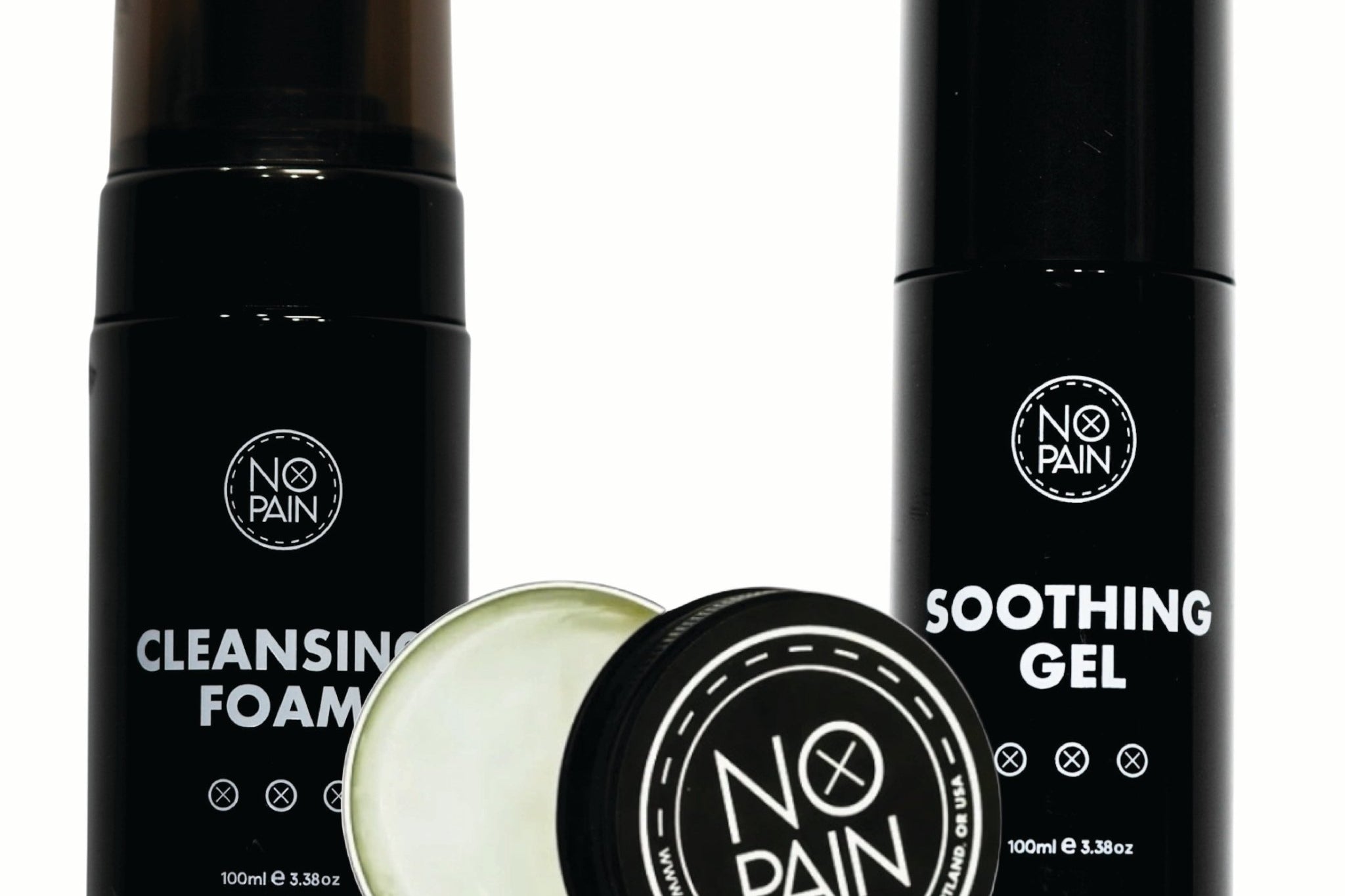
Wash gently with a fragrance-free liquid soap twice per day. Pat dry with a paper towel. Apply a soothing gel immediately after each wash for the first three days to reduce inflammation and keep the wound moist.

From day three onward, switch to a nourishing balm. The balm creates the moisture barrier that keeps scabs pliable and prevents the heavy, ink-pulling scabs that form when healing skin dries out. Apply two to three times per day through the peeling stage.

The standard restrictions apply in full: no soaking (pools, baths, hot tubs) for three weeks, no direct sun exposure on the healing area, no scratching or picking, no tight clothing rubbing the site.
Preventing Ink Loss After a Touch-Up
Ink loss after a touch-up is especially frustrating because you already went through the process once. The touch-up exists to fix what the first heal lost. Losing ink from the touch-up as well sets up a loop that no one wants.
The two main causes of touch-up ink loss are the same as after the original: scab picking and under-moisturizing. Thick, dry scabs form when healing skin is not kept adequately moist. When those scabs lift (whether pulled deliberately or falling off too early because they dried out), they take the ink beneath them with them.
The balm applied from day three onward is the primary tool against this. A well-moisturized scab is thin, flexible, and sheds gradually without pulling ink. Keep the balm routine consistent through the full peeling phase.
Touch-Up Healing Timeline
Days 1 to 3: The touched-up area is a fresh wound. Plasma weeping is typically lighter than after the original session. The area will be sore and red. Clean twice per day and apply soothing gel after each wash.
Days 3 to 10: Scab formation. Switch to balm. Apply three times per day. This is the highest-risk window for ink loss if aftercare is neglected. Do not pick at any forming scabs regardless of how tempting the flaking edges look.
Days 10 to 14: Surface peeling. The tattoo will look dull and incomplete during this phase. This is normal. The milky layer of healing skin sitting over the new ink will clear as the skin finishes its surface renewal. Continue balm through this stage.
Weeks 3 to 6: The surface appears healed. Deep dermal healing continues. Avoid prolonged sun exposure and apply SPF if the area will be exposed. Final ink settlement takes the same six to eight weeks as it did after the original session.
One Kit for the Full Touch-Up Heal
Gel for the first three days, balm from day three onward. The Aftercare Bundle has both and saves 20% versus buying separately.
Shop Aftercare Bundle →Frequently Asked Questions
Does a touch-up heal faster than the original tattoo?
The surface of the skin often heals slightly faster after a touch-up, particularly if the touched-up area is small. Previously tattooed skin has some structural memory from the first session. However, the deeper dermal healing takes the same amount of time: six to eight weeks for the ink to fully consolidate. Do not judge the touch-up result before that window has passed.
Can I use leftover aftercare products from my first tattoo?
Yes, provided they are not expired and have been stored properly (sealed, away from direct heat and light). A quality balm or gel does not degrade quickly if kept sealed. Check the product for any change in smell, color, or texture before applying it to fresh skin.
Why is my touch-up more inflamed than my original tattoo was?
This can happen when the touch-up is done on an area that has visible scarring from the original heal, or when the original tattoo was heavily worked. Scar tissue reacts more intensely to needle trauma than healthy dermis does. More inflammation does not mean something has gone wrong. Continue the aftercare routine and the inflammation will resolve on the same timeline as a normal heal.
How long should I wait before booking a touch-up?
Most artists recommend waiting at least six to eight weeks after the original session before a touch-up. The skin needs this time to fully heal and the ink needs to settle into its final appearance. Touching up a tattoo that has not fully healed risks overworking already-compromised skin and does not give an accurate picture of what actually needs correcting.
What if I lose ink from my touch-up too?
If a touch-up also heals with ink loss, the most common cause is aftercare failure during the scab stage. Before booking a third session, identify what went wrong: was the scab picked at, did it dry out and crack, or did it fall off prematurely? Addressing the aftercare problem prevents repeating the same outcome. If the ink loss happened despite good aftercare on a high-friction placement (elbow ditch, hand, finger, knee), this may simply be the nature of the placement rather than a correctable error.
Do I need to avoid exercise after a touch-up?
The same post-tattoo exercise guidelines apply: avoid heavy sweating, friction against the tattoo, and gym environments (which present contamination risk) for the first five to seven days. Light activity that does not directly stress the touched-up area is generally fine after the first 48 hours, but anything that causes the tattoo to sweat heavily or rub against clothing or equipment should be avoided until the surface has sealed.