



Does a White Ink Tattoo Hurt More?
Yes, white ink tattoos tend to hurt more than standard black or colour work in the same placement. The reason is not the colour itself but how white ink behaves during the tattooing process and what it requires from the artist to achieve a result that holds. Understanding what drives the extra pain helps you prepare for it realistically.
Why White Ink Hurts More
White pigment is thicker and more opaque than most other tattoo inks. It does not flow through the needle as easily as black ink, and it does not settle into the skin with the same efficiency. To get white ink to show up properly, artists typically need to work the area more than they would with black or coloured pigments.
This translates directly into more needle passes over the same skin. More passes mean more trauma to the dermis, more inflammation, and more cumulative pain over the course of the session. By the time the artist is satisfied that the white has saturated properly, the skin has been worked more than it would be for equivalent black line work.
White ink is also commonly used as a highlight or finishing layer over already-worked skin in coloured tattoos. In that context, the skin is already sensitive and inflamed from the preceding colour work. Applying white highlights at that point amplifies the pain considerably compared to working on fresh skin.
Multiple Passes and What That Means for Pain
The pain progression in a white ink session differs from a black line session. With black ink, pain typically follows a consistent pattern: sharp during outlining, duller during shading, with a gradual cumulative fatigue as the session progresses.
With white ink, the repeated passes over the same area create a different experience. The skin becomes increasingly sensitized with each pass. What started as manageable discomfort in the first pass becomes noticeably harder to tolerate in the third or fourth pass over the same spot. Some people describe the sensation as shifting from a sharp sting to a raw, burning feeling as the skin is worked more.
Sessions that involve large areas of white - such as white ink tattoos intended to show on darker skin tones, or large white highlight fills in coloured pieces - can be particularly taxing for this reason.
Placement Matters Even More with White Ink
Because white ink requires more passes to achieve good saturation, placement that is already painful becomes even more of a factor. A white ink tattoo in a low-pain area like the outer thigh is manageable. A white ink tattoo on the ribs, spine, inner wrist, or other high-pain placements is considerably harder to sit through than black work in the same location would be.
If you are choosing a white ink tattoo for a high-pain placement, the combination of location pain plus the extra passes required for white ink stacks up quickly. This is worth factoring into your decision on placement and session length.
Managing the Extra Pain
The strategies for managing white ink tattoo pain are the same as for any high-pain session, but they matter more here:
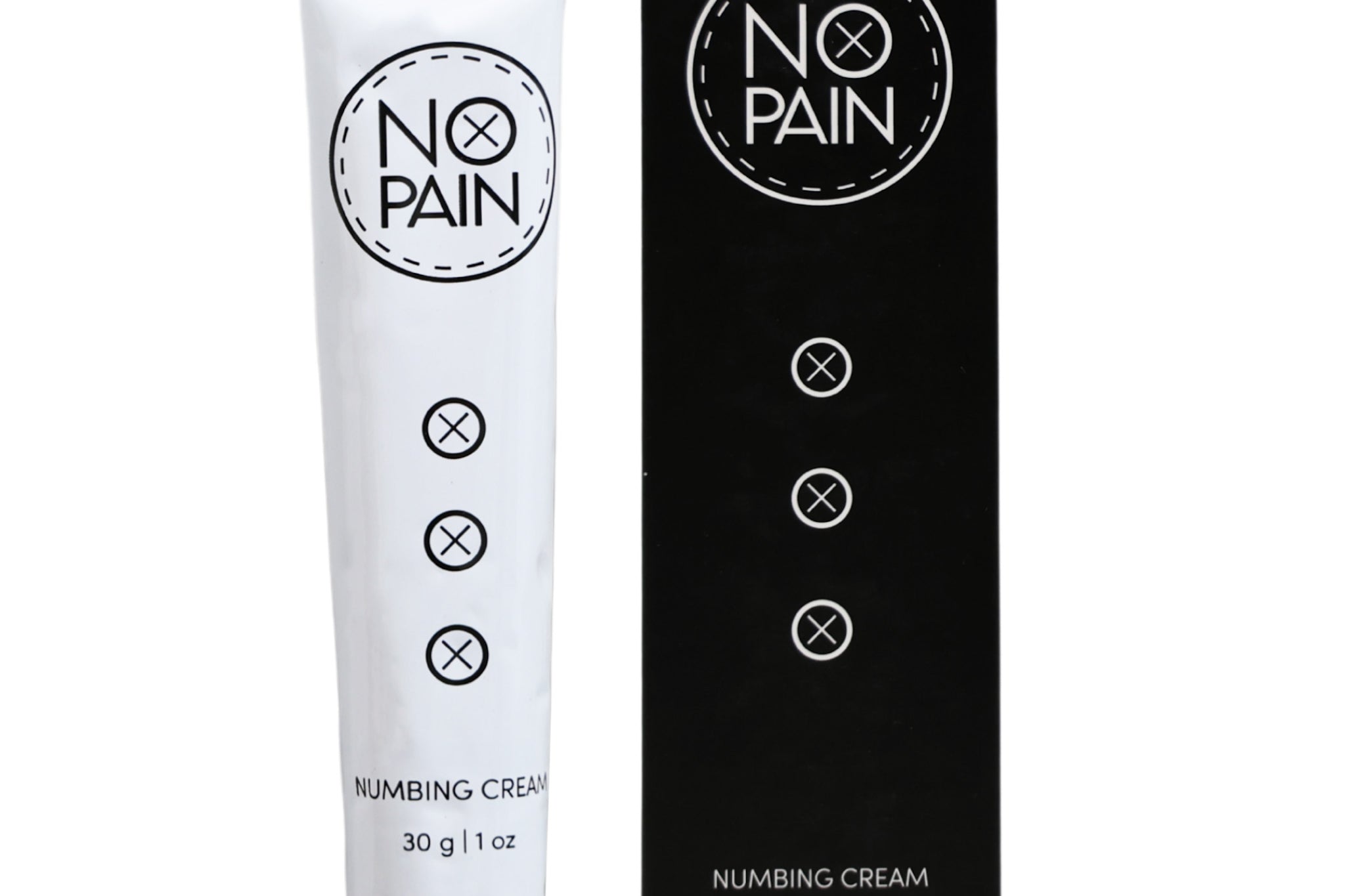
- Use numbing cream. Applied 60 to 90 minutes before the session, a strong topical numbing cream takes the initial edge off. White ink sessions often take longer than expected, so plan for the numbing to wear off mid-session and discuss mid-session options with your artist.
- Keep session length reasonable. The cumulative trauma of multiple passes makes white ink sessions more fatiguing than equivalent black work. Splitting a large white ink piece across two sessions, with healing time between, often produces a better result and a more manageable experience.
- Communicate the skin's state to your artist. Good artists pace white ink work around how the skin is responding. If the skin is becoming too inflamed and raised, continuing to work it produces diminishing returns and increasing pain. A short break allows inflammation to settle.
- Prepare physically. Eat well before the session, stay hydrated, and avoid alcohol the night before. The fundamentals of pain management apply to all sessions but count for more when you know the session will be more demanding.


Frequently Asked Questions
Does white ink actually hurt more than black ink?
In practice, yes. The pain difference is not from the ink itself but from what achieving a good white ink result requires: more passes over the same area, more skin trauma, and more cumulative fatigue in the session. White ink as a standalone tattoo or as highlights over existing work both tend to feel harder to sit through than equivalent black ink work.
Why does white ink require so many passes?
White pigment is denser and more opaque than black ink, and it does not settle into the dermis as readily. Artists need to make multiple passes to achieve consistent saturation, particularly on darker skin tones where white ink has less natural contrast to work with. Each pass re-traumatises already-worked skin, which amplifies both the pain and the inflammation.
Is a white ink tattoo worth it given the extra pain?
That is a personal decision, but it helps to go in with realistic expectations. White ink tattoos also fade faster than black ink, are more prone to yellowing over time, and often do not show up as crisply as they look in fresh photos. The extra pain is real, and the long-term result is less predictable than black or coloured work.
Can numbing cream help with white ink tattoo pain?
Yes. A good numbing cream applied 60 to 90 minutes before the session reduces the initial pain. Because white ink sessions often run long due to the multiple passes required, the numbing may wear off before the session ends. Discuss mid-session numbing options with your artist beforehand if you are concerned about this.
Does white ink hurt more on certain body parts?
Yes. White ink on already-painful placements (ribs, spine, inner wrist, back of knee) is a double hit - high baseline pain from the location plus the extra passes white ink requires. If you are getting your first white ink tattoo, a lower-pain placement like the outer arm or thigh gives you a more manageable introduction to how white ink feels.
Is the healing worse after a white ink tattoo?
It can be. Because the skin has been worked more intensively, the initial inflammation and redness after a white ink session may be more pronounced than after black line work of the same size. Careful aftercare - keeping the area clean and moisturized - is especially important to help the skin settle and the ink retain as well as possible.