

The back of the arm is one of the more forgiving places to get tattooed, with a catch: it shares real estate with two of the most painful spots on the body. The tricep itself is comfortable. The elbow point and the armpit edge are not. Where your design sits relative to those boundaries determines how your session goes.
Here is a zone-by-zone breakdown of what to expect, and how to handle the transitions.
In this article
- Why pain varies so much on the back of the arm
- Zone-by-zone pain map
- What a full back-of-arm session feels like
- Managing pain with numbing cream
- Other preparation tips
- Frequently asked questions
Why Pain Varies So Much on the Back of the Arm
The single biggest factor in tattoo pain is what is between the skin and the bone. Muscle and fat absorb the impact of the needle and dampen the vibration from the machine. Thin skin over bone does neither.
The back of the arm demonstrates this clearly in a small area. The tricep is a thick, substantial muscle that provides real cushioning across most of the upper arm. Move the needle a few inches down onto the bony point of the elbow, and that cushioning disappears entirely. Move it a few inches up into the soft skin near the armpit, and you hit a patch of thin, nerve-dense tissue that is sensitive for different reasons. Three very different pain experiences within the same general area, all explained by what is underneath the skin at each point.
Zone-by-Zone Pain Map
The main tricep (pain level: 4 to 6 out of 10)
The belly of the tricep is one of the more comfortable spots on the arm. The thick muscle absorbs the needle impact well, and most people describe the sensation as a dull, repetitive scratching that is easy to zone out from. Shading across the broad flat surface is tedious more than painful. Solid color packing over a long session accumulates to soreness, but the acute sharpness you get on bony spots is largely absent here. For people who have been nervous about their first arm tattoo, the tricep is often a welcome surprise.
The rear deltoid and back of shoulder (pain level: 5 to 7 out of 10)
The back of the shoulder is similarly well-padded with muscle and handles the needle better than people expect. Pain creeps up as the design approaches the edge of the shoulder blade, where the bone gets closer to the surface, or as it wraps forward toward the front of the shoulder. Designs that stay squarely on the rear deltoid are in comfortable territory. Those that push toward the bony edges of the shoulder or extend into the armpit area encounter more intensity.
The elbow point (pain level: 9 to 10 out of 10)
The point of the elbow is among the most painful spots anywhere on the body, not just on the arm. There is no muscle or fat over the olecranon, the bony tip of the elbow. The needle runs directly on bone, the vibration is bone-deep, and the skin is thin and tightly stretched. Many people who handle the tricep without much difficulty find the elbow point a sharp change in experience. If your design extends down to or over the elbow point, this section requires planning. See our full guide on elbow ditch tattoo pain for a detailed breakdown of the elbow area specifically.
The upper tricep near the armpit (pain level: 7 to 9 out of 10)
The skin where the tricep meets the armpit is thin, soft, and packed with nerve endings. The sensation here is sharp and raw rather than the bone-deep vibration of the elbow, but it is not comfortable. People often describe it as the most stinging part of a back-of-arm piece. Designs that extend high into the armpit crease or across the inner upper arm push into increasingly sensitive skin. This is the zone where most people first start shifting, tensing, or asking for a break.
What a Full Back-of-Arm Session Feels Like
A tattoo that covers most of the back of the arm moves through all of these zones in a single session, sometimes more than once. Artists typically start in the most comfortable area and work outward, which gives you time to settle in before the more challenging sections. But the transition from tricep to elbow or armpit is noticeable, and it catches people off guard if they are not expecting it.
The practical challenge with back-of-arm work is position. Lying face down with the arm extended, or sitting with the arm held behind you, is awkward for extended periods. The held position adds physical strain on top of the pain from the needle, which makes longer sessions more tiring than sessions in easier positions. Many artists take regular breaks on these pieces not just for pain management but to give the client a chance to move and release the tension from holding still.
Managing Pain with Numbing Cream
The back of the arm is a practical candidate for numbing cream. The skin is accessible, application is straightforward compared to somewhere like the ribs, and the coverage area is large enough that the cream can be applied as a continuous layer across the full tricep, shoulder, and any elbow or armpit work that is part of the design.
Apply a thick layer 60 to 90 minutes before your session and cover it with plastic wrap. The numbing works best during the first two to three hours, which covers the majority of most single-session back-of-arm pieces. For the elbow section in particular, the cream reduces the bone-deep rattling sensation to something more manageable, which is relevant if you are worried about flinching during detailed linework over the elbow.

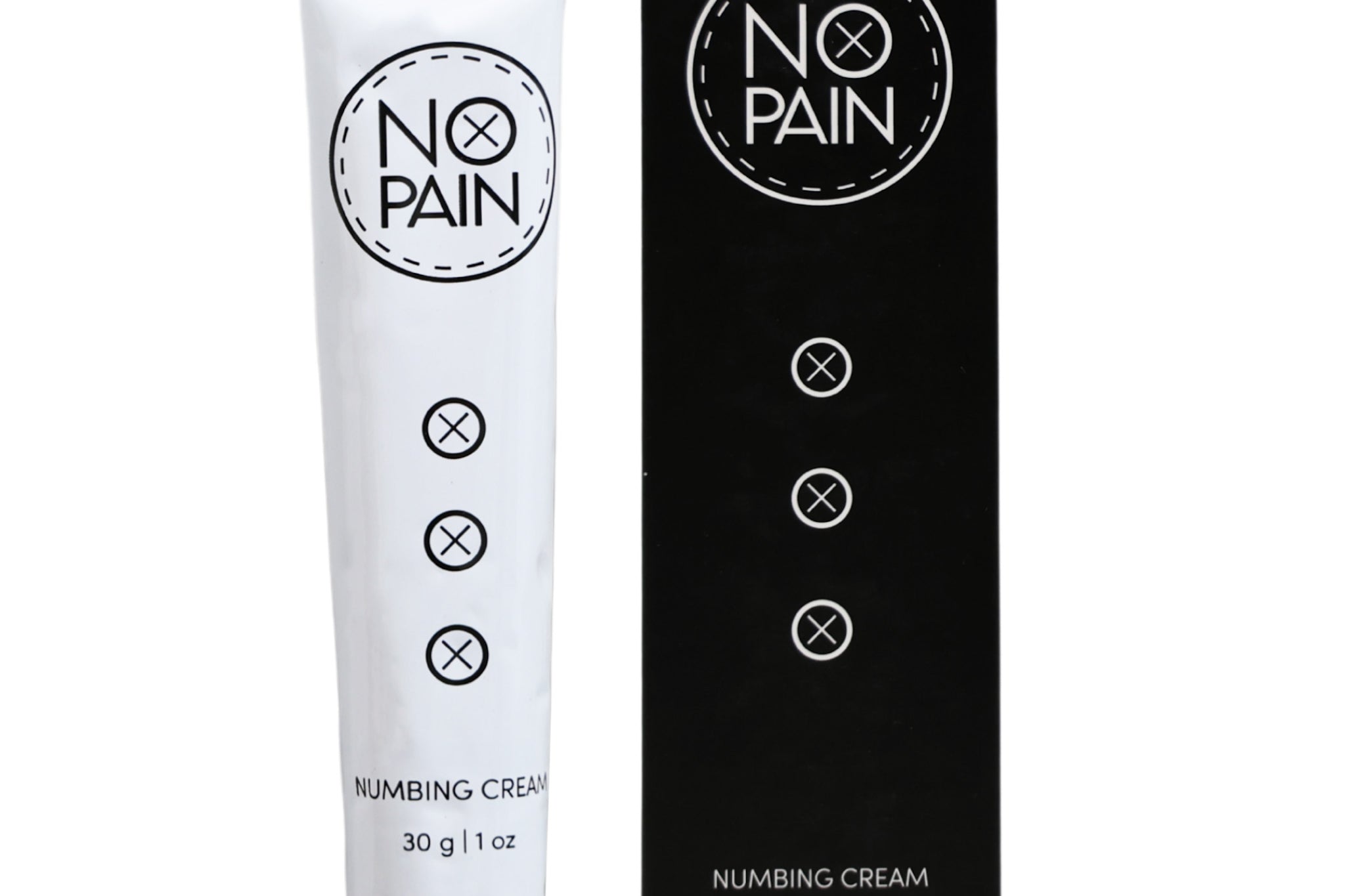
Maximum strength formula in a thick, slow-absorbing base that stays active through the first few hours of your session. Apply 60 to 90 minutes before your appointment, cover with plastic wrap, and arrive already numbed. Makes the elbow section and the armpit edge noticeably more manageable. Formulated at Historic Tattoo in Portland.
For a full sleeve or any session likely to run longer than three hours, a secondary numbing agent that your artist can apply mid-session to the already-broken skin extends the effect through the later hours when the initial application has worn off and the skin is most fatigued. The comfort bundle covers both stages.

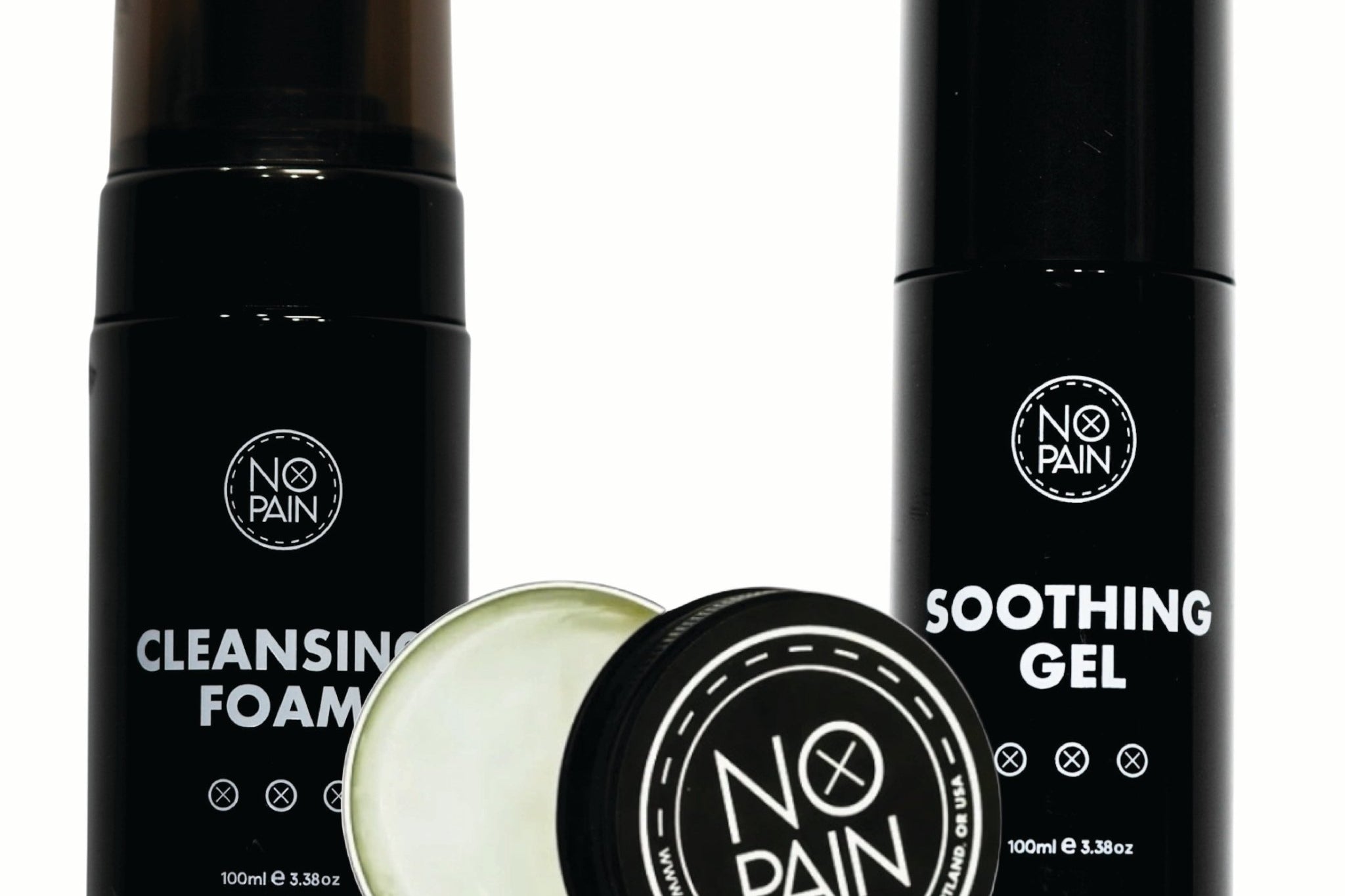
Pre-session numbing cream plus secondary gel for your artist to apply mid-session on broken skin. Covers a multi-hour sleeve session from the first pass to the last. Bring both to your appointment.
Other Preparation Tips
Wear something that allows full access to your upper arm and shoulder without needing to be removed. A tank top or something with very loose, easily rolled sleeves works. Tight sleeves that have to be held up or cut off create unnecessary hassle and can press on fresh work at the end of the session.
Eat a full meal beforehand. Blood sugar fluctuations are one of the most common causes of lightheadedness and nausea during longer tattoo sessions. A real meal, not just a snack, 60 to 90 minutes before the session stabilizes your blood sugar through the first few hours.
Avoid ibuprofen and aspirin for 24 hours before the session. Both thin the blood, which increases bleeding at the needle site and can affect how cleanly the ink deposits. If you need pain relief for something unrelated, acetaminophen is the better option in the day before a session.
Talk to your artist about the elbow if you are concerned. They know how to sequence the work to make the difficult sections manageable, and they would rather take a short break than have you flinch through a section that requires precision. The back of the arm is a common placement and artists are used to navigating it.
Frequently asked questions
How painful is a tricep tattoo?
The tricep itself is one of the more comfortable arm placements. Most people rate the main tricep muscle between 4 and 6 out of 10. The thick muscle provides real cushioning, and the sensation is usually a dull scratching rather than the sharp sting you get on bony or thin-skinned areas. The discomfort increases if the design extends toward the elbow or the armpit, where the skin changes character quickly. A design that stays on the broad, flat tricep surface is a good starting point for people who are nervous about their pain tolerance.
Does the back of the arm hurt more than the front?
In most comparisons, yes. The front of the arm includes the outer bicep, which is generally rated as one of the easier spots on the body. The back of the arm is similar on the tricep but has the elbow point as a neighboring zone, which rates much higher than anything on the outer bicep. The inner bicep on the front of the arm is a different story and is more painful than the tricep. As a general rule: outer surfaces on the arm tend to be easier, inner surfaces and bony edges tend to be harder, regardless of front or back.
How bad is the elbow for a back-of-arm tattoo?
The elbow point is one of the most painful spots for any tattoo, anywhere on the body. There is no cushioning over the bone, the vibration is intense, and the skin is thin and tightly stretched. People who find the tricep comfortable often find the transition to the elbow a significant jump in intensity. If your design extends over the elbow, this is the section to prepare for specifically. Numbing cream applied before the session makes the elbow considerably more manageable than going in without it.
Can you use numbing cream on the back of the arm?
Yes. The back of the arm is one of the easier areas to apply numbing cream to because the skin is accessible and relatively flat. Apply a thick layer across the full area 60 to 90 minutes before your appointment, cover it with plastic wrap, and arrive at the session already numbed. The effect is strongest for the first two to three hours. For sessions that run longer, ask your artist about applying a secondary numbing gel mid-session to extend the window.
How long does a back-of-arm tattoo take to heal?
Surface healing follows the standard tattoo timeline: redness and tenderness for the first few days, peeling beginning around days five to seven, and visible flaking wrapping up by week two to three. The back of the arm can be mildly awkward during healing because the elbow bends constantly, and designs that extend into the elbow crease or the armpit region move with the skin. Keep the tattoo moisturized, avoid tight sleeves that rub against the peeling skin, and do not stretch the arm aggressively during the first two weeks if the design extends over a joint.
Is the back of the arm a good placement for a first tattoo?
The tricep itself is a reasonable choice for a first tattoo, particularly for someone who wants a larger piece and is concerned about pain. The main muscle surface is forgiving, and the area heals well with normal activity. The caveat is that the back of the arm becomes less beginner-friendly the closer the design gets to the elbow or armpit. A design that fits within the main tricep muscle without extending into those zones is a comfortable first experience. A design that needs to wrap around the elbow point is a harder session and probably not where to start if pain tolerance is a concern.
Handle the Elbow. Own the Sleeve.
Maximum strength numbing cream before the session takes the edge off the rough spots. For longer sessions, the bundle adds mid-session gel so the numbing holds from first pass to last.
Shop the Comfort Bundle →Formulated at Historic Tattoo in Portland, Oregon.