


Thigh Tattoo Healing: A Week-by-Week Guide
The thigh is one of the best placements for a large tattoo. The canvas is generous, the skin is relatively thick, and the area has good blood supply. But the healing process has specific challenges tied to clothing friction and the sheer size of the tattooed area. This week-by-week guide walks you through what to expect and what to do at each stage.
The short answer: thigh tattoos heal in two to four weeks on the surface and up to three months in the deeper layers. Your biggest obstacles are clothing rubbing against the fresh tattoo and the risk of the skin drying out under tight pants. The solutions are loose clothing, consistent moisturizing, and patience during the peeling phase.
The Unique Challenges of Thigh Tattoos
Clothing friction
The thigh is in near-constant contact with clothing. Jeans, leggings, and tight pants rub against the healing surface with every step and every time you sit down and stand up. Over the course of a day, this mechanical friction accumulates and causes irritation, premature peeling, and potential ink loss in specific spots where fabric presses hardest.
Size of the tattooed area
Large thigh pieces involve a bigger surface area to clean and moisturize. Missing spots in your aftercare routine is easier with a larger tattoo. Building a methodical, section-by-section approach to your cleaning and moisturizing ensures the whole piece gets proper coverage.
Inner thigh moisture
For inner thigh placements, skin-on-skin contact and natural moisture from the body creates a humid environment that can slow healing and increase infection risk. Keep the area dry and use breathable products that do not seal moisture against the skin.
Week 1: Inflammation Phase
What to expect
The tattooed area will be red, swollen, and sore for the first two to four days. It will feel like a large, localized sunburn. Weeping of clear or ink-tinted plasma is normal in the first 24 to 48 hours. The skin will be tight and tender. Walking and sitting may feel uncomfortable if the tattoo is on the outer or front thigh.
What to do
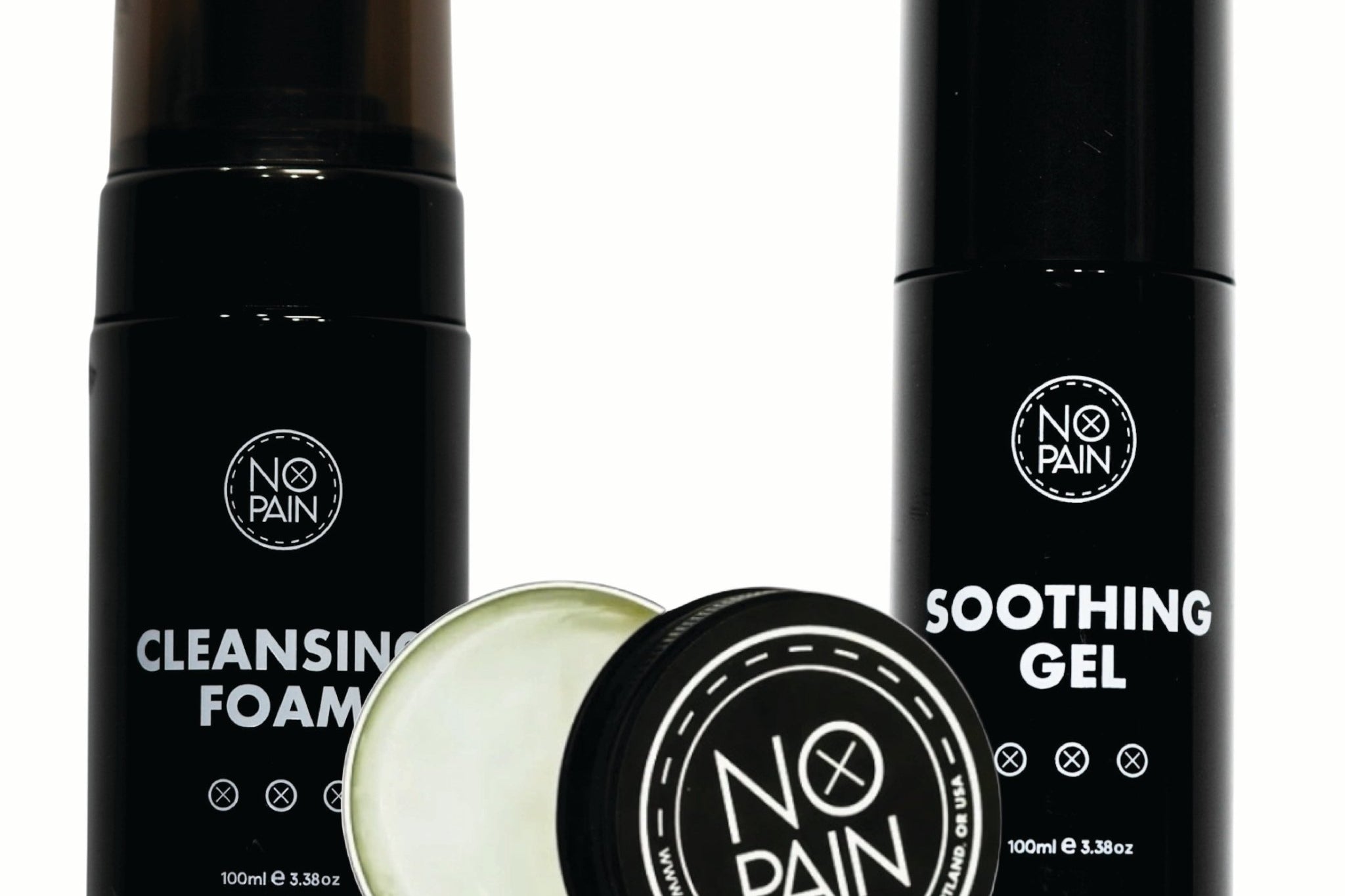
Clean the tattoo gently two to three times per day with a fragrance-free cleanser and pat dry with a clean paper towel. After each clean, apply a soothing, anti-inflammatory gel to calm the inflamed skin and protect the surface while it weeps.

Wear loose, clean pants or shorts. Anything tight that presses on the tattoo during this phase risks pulling off the thin healing membrane that is forming over the wound.
Weeks 2 to 3: Peeling Phase
What to expect
Starting around day five to seven, the skin begins to peel. You will see colored flakes lifting from the surface. The area itches intensely. The skin underneath the peeling layer may look shiny or slightly milky - this is the new layer forming and is completely normal.
What to do
Do not scratch or pick. Scratching a large thigh piece is tempting because the itch is widespread, but any premature removal of peeling skin takes ink with it. Apply a nourishing aftercare balm two to three times per day to keep the skin hydrated and reduce the itch signal.

Continue wearing loose clothing. The combination of tight fabric and peeling skin is where most thigh tattoo problems happen. The fabric catches on loose flakes and tears them off before they are ready, leaving pale gaps in the finished piece.
Week 4 and Beyond: Final Settling
What to expect
By week four, all visible peeling is complete. The skin should feel smooth and the colors should look vivid. However, the deeper dermal layers continue to rebuild for up to three months. Some people notice slight changes in how the tattoo looks during this period as the ink settles into its permanent position.
What to do
Transition to a maintenance routine. Moisturize daily with a good-quality balm or lotion to support the new skin and keep the colors looking sharp. Apply SPF any time the tattoo will be exposed to sunlight. The thigh is commonly exposed in warm weather, and UV light fades ink over time.
What to Wear During Healing
- First week: loose athletic shorts or sweatpants in a soft fabric. Avoid elastic waistbands that press on the upper thigh area if the tattoo is near the hip.
- Weeks 2 to 3: continue with loose bottoms. If you must wear jeans, apply a thin layer of balm first and choose the loosest-fitting pair you own.
- Week 4 onward: return to normal clothing, but continue to moisturize and use sunscreen on the tattooed area.

Frequently Asked Questions
How long does a thigh tattoo take to heal?
The surface heals in two to four weeks. Full healing of the deeper layers takes up to three months. Most people see the finished result clearly at the six-week mark.
Can I wear leggings over a healing thigh tattoo?
Tight leggings press directly on the healing surface and cause constant friction. Avoid them for at least the first two weeks. If you must wear them, apply a thin layer of aftercare balm first. Loose, soft fabric is always the better option.
Why is my thigh tattoo itching so much?
Itching peaks during the peeling phase, typically days five through fourteen. It is a sign the skin is regenerating. Keeping the area moisturized with a good balm reduces the itch. Do not scratch. Pat gently or apply more balm to relieve the sensation.
Is it normal for a thigh tattoo to swell?
Yes, especially in the first two days. The thigh has a rich blood supply, which causes a strong initial inflammatory response. Some people also notice that the leg feels heavy or achy, particularly when walking a lot. This resolves as the swelling subsides, usually by day three to four.
Can I exercise with a healing thigh tattoo?
Avoid intense leg workouts, running, and activities that cause heavy sweating for the first two weeks. Sweat irritates the healing surface, and the movement stretches and stresses the skin. Light walking is fine. Resume full activity after the surface has fully healed.
Do thigh tattoos need touch-ups?
Less often than hand or foot tattoos, but it is possible, especially in areas where tight clothing rubbed during healing. Assess the finished result at six weeks and discuss with your artist whether any spots need attention.