


Every list of "most painful tattoo spots" covers the expected candidates: ribs, spine, kneecap. These are genuinely painful, but they're also the placements people already know to brace for. The spots that actually catch people off guard tend to be places that look unremarkable on a pain chart—but land much harder than expected when the needle hits. Here are the five that most reliably surprise people.
1. The inner upper arm (the "armpit ditch")
The inner bicep area—particularly as it approaches the armpit—is one of the most consistently underestimated spots on the body. The skin here is thin, soft, and rarely compressed or exposed to friction, which means the nerve endings are essentially untoughened. Most clients who've gotten an outer arm tattoo without much difficulty are genuinely shocked at the difference when the needle moves to the inner surface.
The armpit ditch (the crease where the arm meets the torso) is even more intense—it's a high concentration of lymph nodes and nerve endings in a very thin-skinned area. Artists often describe it as one of the most challenging spots to work on for this reason.
2. The back of the knee
The knee ditch is classified as painful on most charts, but what surprises people is how the sensation differs from other painful areas. It's not just intensity—it's the specific quality of the pain, which is sharper and more electric than, say, rib tattooing. The popliteal fossa (the hollow at the back of the knee) has significant nerve concentration, and the skin there moves constantly with even subtle leg positioning, making it hard to hold still and causing a feedback loop between the discomfort and the effort to stay still.
Additionally, this area tends to be sweaty, which complicates the artist's work, and the skin is prone to lymphatic fluid pooling during healing—making the aftercare phase harder too.
3. The sternum
People often expect the ribs to be brutal (they are), but the sternum catches them unprepared. The breastbone sits just under thin skin with almost no tissue buffer, and the vibration from the machine transmits directly into the bone—a sensation that many clients describe as deeply uncomfortable in a different way from surface pain. The sensation tends to feel less like sharp pain and more like a resonating, bone-deep pressure combined with surface sting. Artists who work the sternum regularly note that it tends to be harder for clients mentally than physically, because the bone vibration creates a visceral discomfort that's difficult to habituate to.
4. The ear cartilage and immediately behind the ear
The area directly behind the ear and the cartilage of the ear itself are often described as surprisingly intense by clients who expected them to be manageable given their small size. Small doesn't mean gentle—the thin skin over cartilage, the proximity to bones and the skull, and the density of nerve endings in the head and neck region combine to make these spots genuinely rough. The sound of the machine also transmits through bone differently when working near the ear, which creates a disorienting and unpleasant secondary sensation.
5. The hands and fingers (specifically between the fingers and across the knuckles)
Everyone knows fingers are painful. What surprises people is specifically how the webbing between the fingers registers—the interdigital space has extremely thin, tightly-stretched skin directly over bone and tendon, and the sensation is often described as an intense burning that feels out of proportion to the small area being worked. Knuckle tattooing is similarly acute due to the skin being directly over bone with no muscle buffer. These spots also heal notoriously badly (high friction, constant movement, no ability to stay dry), which means the discomfort doesn't end when the session does.
Making any of these more manageable
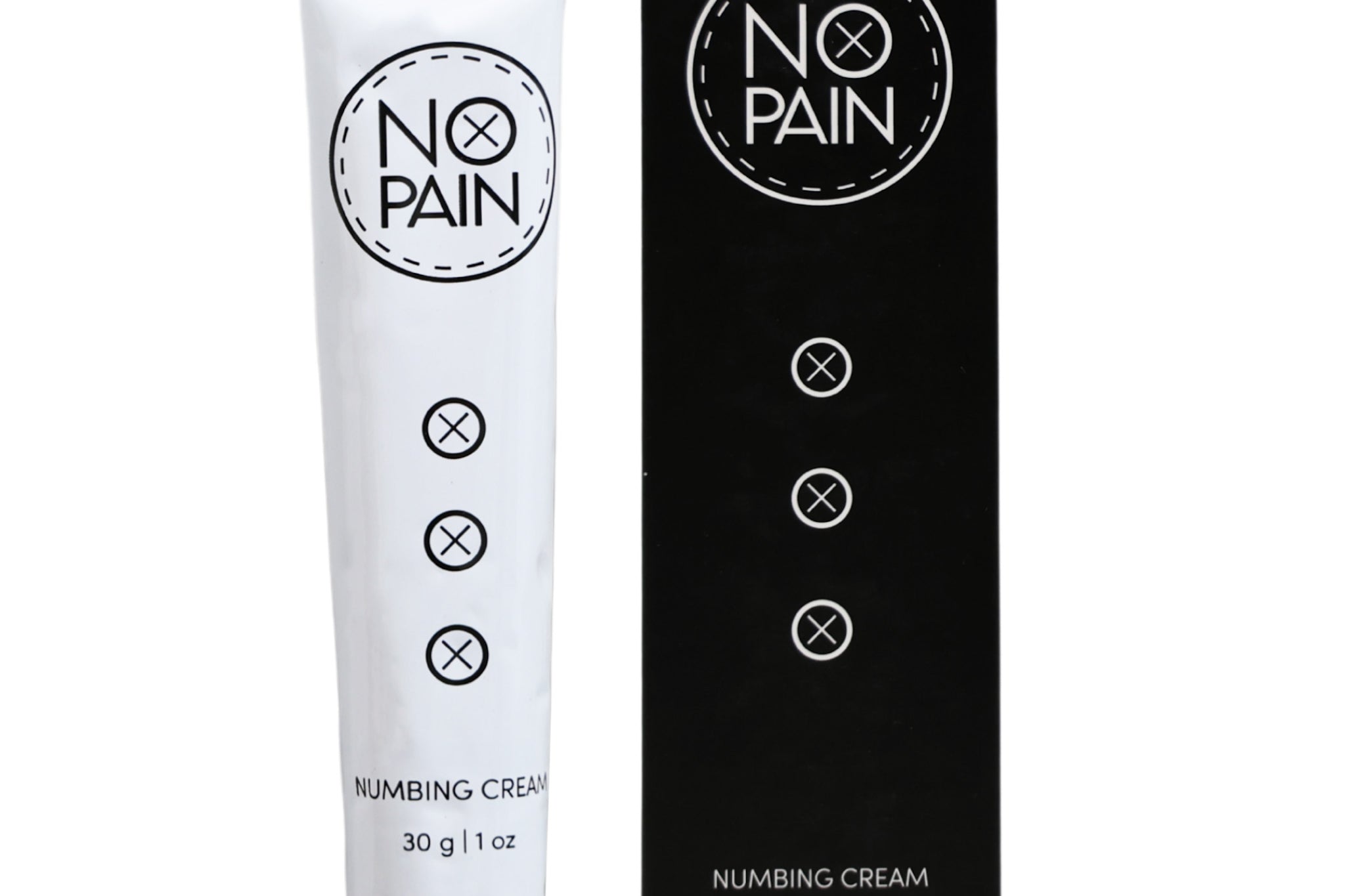
Applying No Pain Tattoo Numbing Cream before sessions on any of these spots is one of the most practical steps you can take. Applied an hour before the session and covered with cling wrap, it desensitizes the skin enough to lower the initial intensity significantly—particularly important for spots where the first contact tends to be the most jarring. Your artist's awareness that you've used it also helps them calibrate their pacing and check-ins accordingly.