
If you've had piercings and tattoos, you already know they feel different. But how different, and why? This is the breakdown most people want before they commit to either one.
The Core Difference: Duration vs. Intensity
A piercing is fast. The needle passes through tissue in a fraction of a second. The pain is sharp, intense, and then it's over. What lingers is the dull throb of a fresh wound, but the actual piercing event is brief. Most people describe it as worse to anticipate than to experience.
A tattoo is the opposite. The initial sensation is usually less intense than a piercing, but it goes on for minutes, hours, or multiple sessions. You're not getting one sharp moment. You're getting thousands of needle punctures, repeatedly, across a sustained period of time. The challenge isn't the peak, it's the duration.
What Each One Actually Feels Like
Piercing
Most people describe a piercing as a sharp pinch, a hot sting, or a burning pressure. Some placements are worse than others: cartilage hurts more than an earlobe, a septum piercing tends to make your eyes water reflexively, and anything on or near bone registers harder. But in almost every case, the worst of it is over in under a second.
Tattoo
Tattoo pain is usually described as scratching, burning, or a continuous sting. The sensation changes based on the technique being used. Outlining with a single needle tends to feel sharper. Shading with a magnum needle covers more area at once and often feels more like a dragging heat than a sharp scratch. Color packing can feel similar to shading but with more passes over the same area.
The cumulative effect matters too. An area that felt tolerable in hour one can feel raw and tender in hour three, because the skin has been worked repeatedly and inflammation has built up.
Which One Hurts More?
At peak intensity, most piercings win. That single moment of a needle punching through cartilage or a thick muscle of the ear is harder to sit through than the first few seconds of a tattoo needle.
But over the full experience, tattoos are significantly harder. A 30-second piercing versus a 4-hour tattoo session is not a fair comparison. By the end of a long tattoo, especially in a painful spot, most people describe it as more demanding than any piercing they've had.
Pain by Placement
Placement matters a lot for both. For piercings, the most painful tend to involve cartilage (helix, rook, daith, industrial) or unusual tissue (septum, dermal anchors, nipple, surface piercings). Lobes and nostrils are generally the most tolerable.
For tattoos, the most painful areas are over bone with little fat or muscle between skin and bone: ribs, spine, sternum, shin, hands, feet, and the ditch of the elbow. Fleshy areas like the outer thigh, calf, and upper arm are much more forgiving.
The Anxiety Factor
Pain perception for both is heavily influenced by anxiety. Dreading something amplifies how you experience it. For piercings, the anticipation is usually the worst part. For tattoos, anxiety is more likely to make you tense throughout the session, which increases discomfort and exhaustion. Learning to breathe through it, not brace against it, is one of the most effective things you can do for either experience.
If You Want to Reduce Tattoo Pain
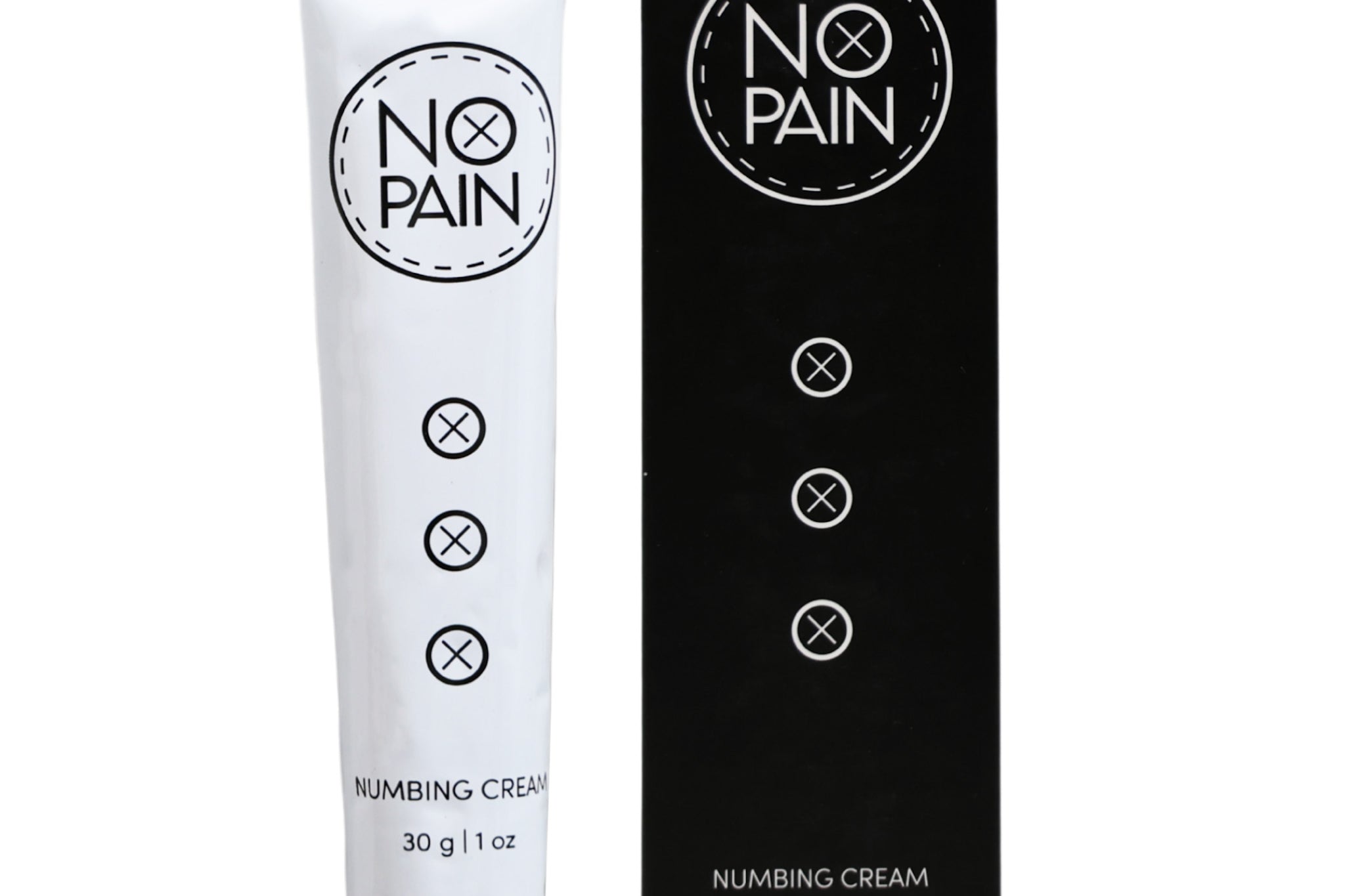
A numbing cream applied 45 minutes before your session can take the edge off and make long sessions in difficult placements more manageable. It won't make it painless, but the difference in a 3-hour rib tattoo with and without one is significant for most people.

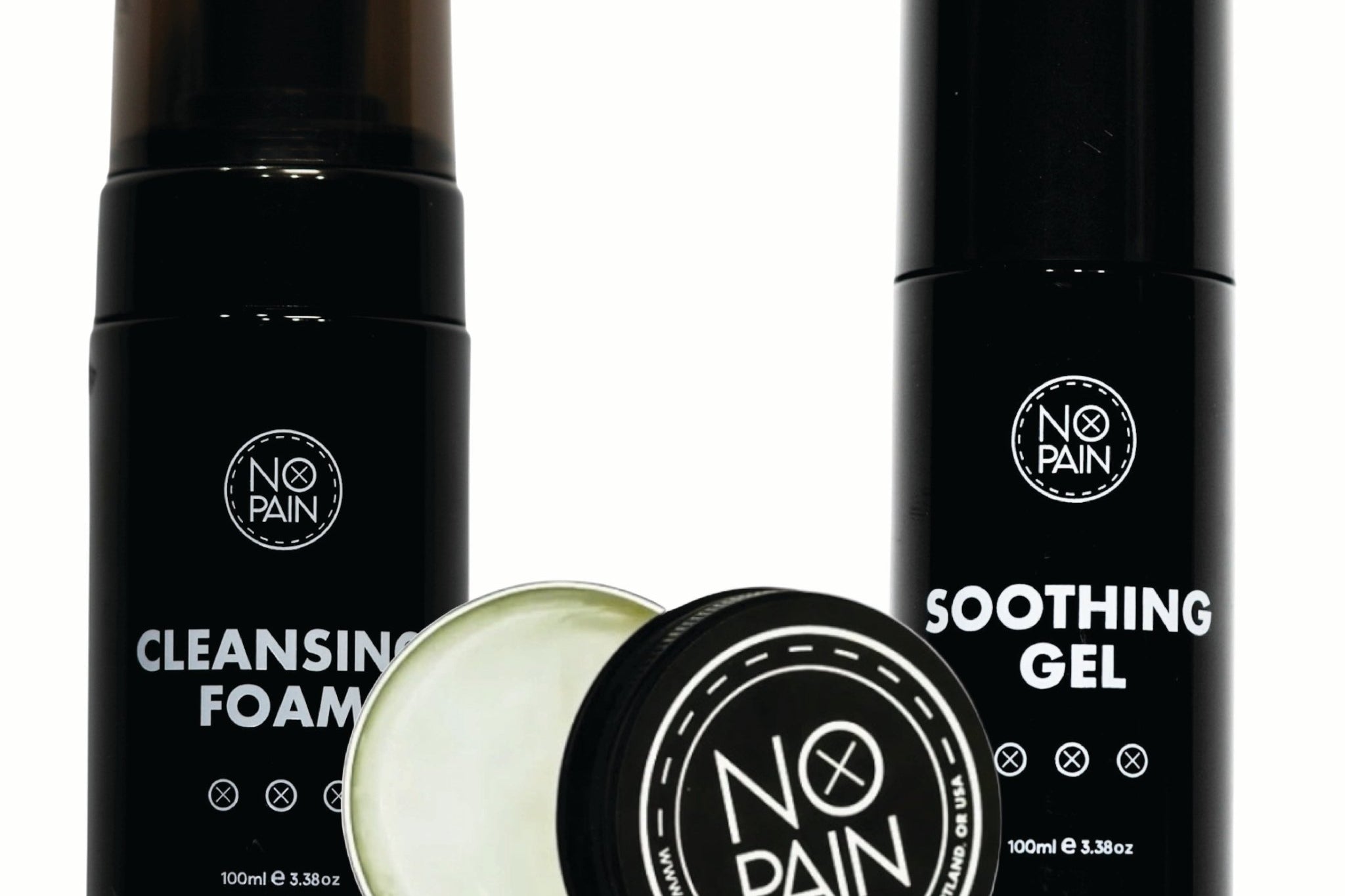
No Pain Tattoo Numbing Cream
90 minutes of relief. Apply before your session and take the edge off, even on the hard spots.
Shop Numbing Cream →The Short Answer
Piercings hurt more in the moment. Tattoos are harder overall. If you can handle one, that doesn't automatically mean you can handle the other, and vice versa. They use different kinds of endurance, and most people who do both will tell you that.