


Sensitive skin is not a barrier to getting tattooed. It does require more careful artist selection, more thoughtful aftercare product choices, and potentially more preparation before the session — but people with sensitive, reactive skin get tattooed every day and heal beautifully. Here's what's different and what to do about it.
In this article
- What sensitive skin changes about tattooing
- Finding the right artist
- Managing the session
- Aftercare product selection
- FAQ
What Sensitive Skin Changes About Tattooing
Sensitive skin tends to produce a stronger inflammatory response to stimulation, which means the tattooed area may look more red, feel more irritated, and swell more noticeably immediately after the session than it would on someone with less reactive skin. This is a cosmetic concern during the first few days of healing, not a quality concern for the finished tattoo.
The more material risk is product reactivity. Sensitive skin reacts to fragrance, alcohol, preservatives, and a range of other common skincare ingredients. The healing process requires daily topical product application — if those products cause a reaction, they disrupt the healing tattoo surface and can affect the final result. Product selection is the variable that matters most for sensitive-skinned people during the healing phase.
Ink allergy, while rare, is slightly more likely in people with reactive skin. Red ink in particular has a higher association with delayed sensitivity reactions. This is worth mentioning to your artist during the consultation if your skin has a history of reacting to cosmetic products or dyes.
Finding the Right Artist
Look for an artist who has experience with sensitive skin and is willing to discuss it with you before you book. A patch test — tattooing a small dot or line in an inconspicuous area to check for ink reactivity — is something some artists offer for clients with known skin sensitivities. This is worth requesting if you have a history of contact dermatitis or known reactions to cosmetic products.
Ask about the ink brands they use and whether they have options with simpler ingredient profiles. Some ink lines are formulated with fewer additives and carry a lower risk of reaction for sensitive-skinned clients. This isn't a concern most artists have to think about, but experienced artists who work in studios that attract diverse clients will often have thought about it.
The artist's technique also matters. Tattooers who work with a lighter touch and fewer passes produce less overall trauma to the skin, which means less initial inflammatory response and a cleaner healing environment. You can get a sense of technique from healed examples in an artist's portfolio — clean lines with minimal surrounding redness or texture in the healed shots indicate a controlled, lower-trauma style.
Managing the Session
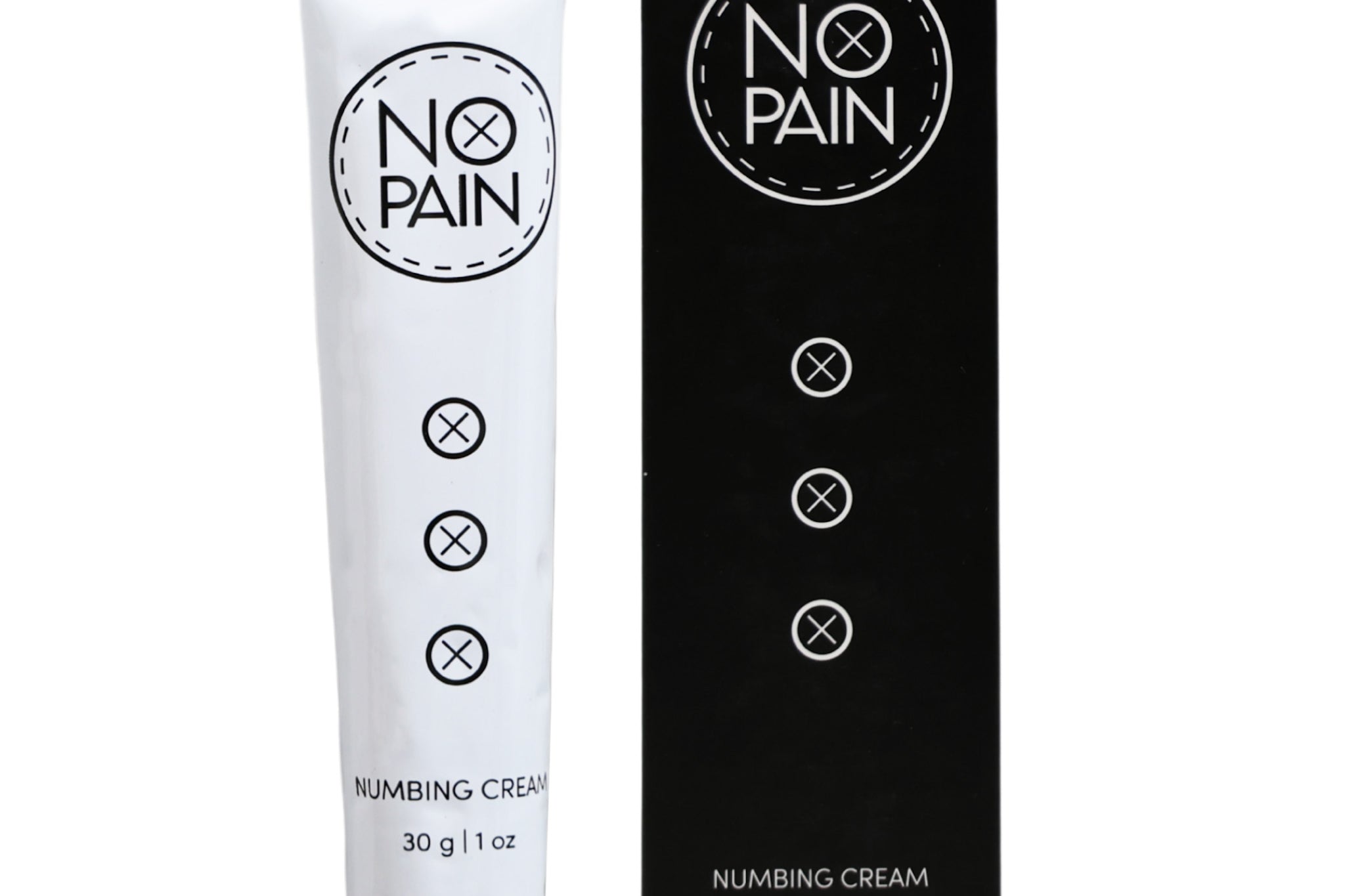
Sensitive skin is often more pain-responsive than average. The same session that a less reactive person finds manageable can produce a more intense pain experience for someone whose skin and nervous system are generally more sensitive to external stimulation. Numbing cream applied 90 to 120 minutes before the session blunts both the pain and the skin's acute stress response during tattooing, which can translate to a calmer, less reactive healing surface immediately after.

Formulated without fragrance and designed for use on sensitive skin. Apply under cling film 90 to 120 minutes before your session for maximum effectiveness.
Aftercare Product Selection
This is where sensitive-skinned people need to be most deliberate. The products you put on a healing tattoo are in direct contact with an open wound for two to four weeks. Fragrance is the most common irritant in skincare products; avoid anything scented during the healing period. Alcohol-based products dry and irritate healing tissue. Heavy, petroleum-based products occlude the wound and trap heat, which can cause a different category of irritation in reactive skin.
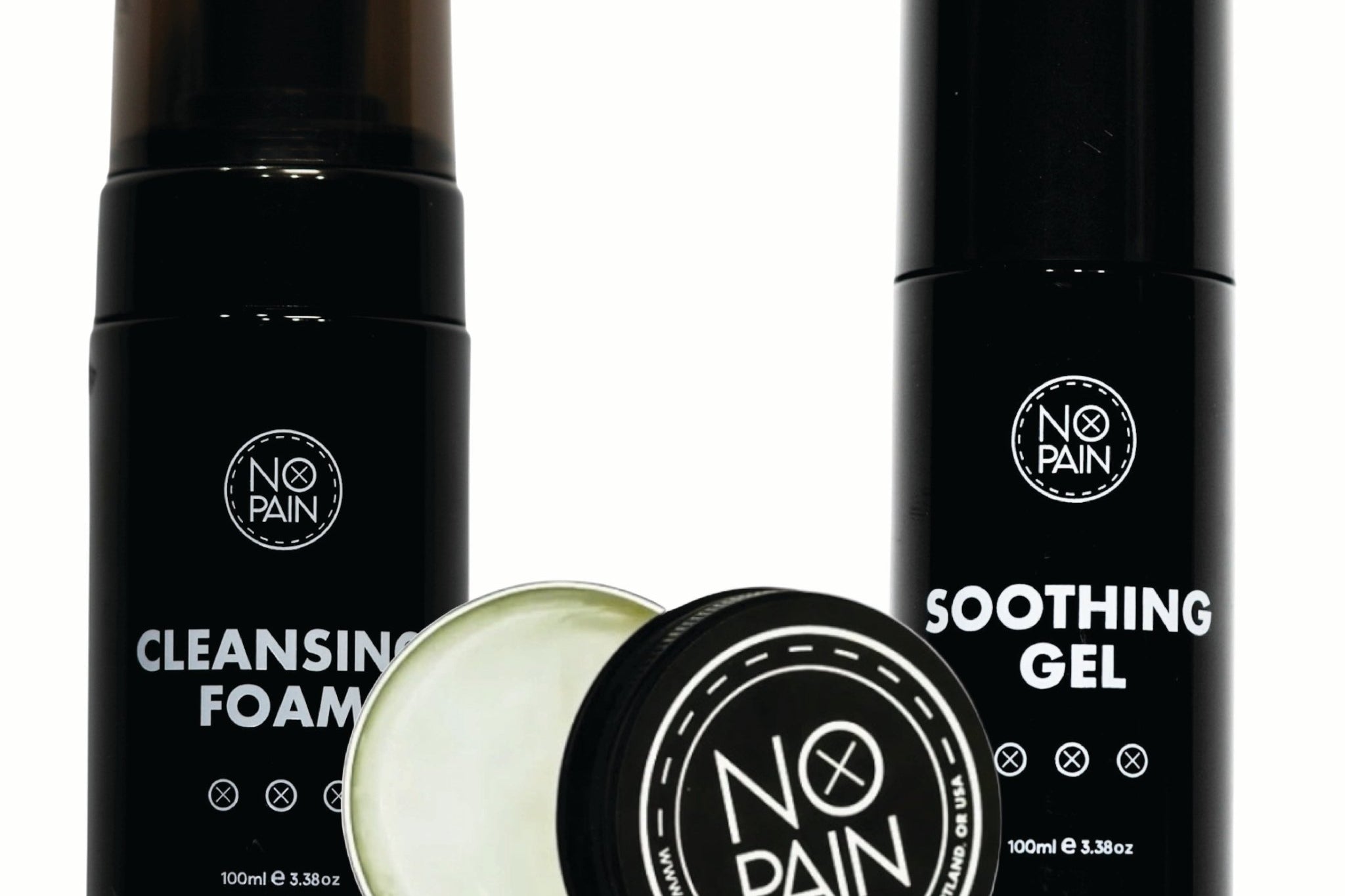
What works: a fragrance-free, hypoallergenic liquid soap or cleansing foam for washing; a lightweight, fast-absorbing soothing gel for the first few days that calms inflammation without adding a heavy occlusive layer; and a nourishing balm from day three onward that moisturizes deeply without fragrance or sensitizing additives.

Fragrance-free and hypoallergenic. A lightweight gel that calms inflammation and keeps the healing surface comfortable without the fragrances or preservatives that can trigger reactions in sensitive skin.
FAQ
Can I get tattooed if I have eczema?
In many cases, yes. The key considerations are location and current skin condition. Tattooing over active eczema — an area with current breakout, broken skin, or active irritation — is not appropriate. The artist needs a clean, intact surface to work on, and tattooing through an active eczema flare increases infection risk significantly. Tattooing on skin in remission, in an area that doesn't typically flare, is a different situation. Consult with your dermatologist before booking, let your artist know about your condition at the consultation, and plan the placement around your most stable skin areas.
What if I react to tattoo ink?
Ink reactions can appear during healing (usually in the first two to three weeks) or months later as a delayed hypersensitivity response. An acute reaction that presents as spreading redness, swelling, or fever needs medical attention. A localized reaction over a specific color — a raised, itchy area specifically where red or another ink was used, while the rest of the tattoo is fine — is more likely a delayed sensitivity. Contact a dermatologist. Some ink sensitivities can be managed with topical treatment; others require consultation about more involved approaches. Document when you first noticed the reaction and which part of the design is affected.
Will my tattoo look different because I have sensitive skin?
The finished, healed tattoo should look the same as it would on any skin. The healing process may look more dramatic than average — more redness, more swelling, more visible inflammation in the first few days. This is the inflammatory response, not a sign of problems with the tattoo. As healing progresses and the inflammation subsides, the final result is determined by the quality of the work and the care taken during healing, not by baseline skin sensitivity.
Should I tell my artist before or at the appointment?
Before. Mention it at the inquiry or booking stage so the artist has time to consider ink options, technique approach, and any accommodations they want to make. An artist who only finds out at the appointment can't prepare in the same way. Relevant history to share: known product allergies, history of ink reactions, history of eczema or psoriasis in the proposed placement area, and any current skin conditions.
Can I use natural or organic skincare products on a healing tattoo?
"Natural" and "organic" don't mean hypoallergenic or safe for healing wounds. Many natural ingredients are common allergens. Essential oils — lavender, tea tree, eucalyptus, citrus — are frequent causes of contact dermatitis on healing skin and are often found in "natural" skincare products. During healing, use products specifically formulated for tattooed skin that are fragrance-free, alcohol-free, and tested for wound compatibility. Check ingredients rather than labels.
What's the biggest mistake sensitive-skinned people make during tattoo healing?
Using scented products. Fragrance is in a huge proportion of mainstream skincare — lotions, soaps, even products marketed as "gentle" or "for sensitive skin" often contain fragrance as an ingredient. During the healing phase, when the skin surface is broken and the immune system is active in the area, fragrance ingredients are much more likely to cause a reaction than they would on intact, healthy skin. Read ingredient lists during the healing period and skip anything that contains "fragrance," "parfum," or any essential oil.
Aftercare Formulated for Sensitive Skin
Fragrance-free, hypoallergenic, and built for the healing process. Soothing gel for the first few days, nourishing balm from day three onward.
Shop the Aftercare Bundle →Formulated at Historic Tattoo in Portland, Oregon. 100% money-back guarantee.