

Tattooing over scar tissue is different from tattooing over undamaged skin. The skin structure is altered, the nerve endings are rearranged, and how you'll feel the needle depends on the type of scar and how it healed. This is what you should know before going into that session.
How Scar Tissue Differs from Normal Skin
Normal skin has a layered structure with organized collagen, functioning sebaceous glands, and a predictable distribution of nerve endings. Scar tissue replaces that with disorganized collagen fibers, fewer (or no) glands, and altered nerve density. The nerve situation is where things get complicated, because different types of scars affect the nerves differently, and that determines whether the area hurts more or less than normal skin when tattooed.
Types of Scars and How They Feel
Flat atrophic scars (including surgical scars and stretch marks)
These are scars that healed below the surface level of surrounding skin. They often have reduced nerve density, which means many people find these areas less sensitive than normal skin during a tattoo. Some report feeling almost nothing on a well-healed flat scar.
The catch is that the skin is less pliable and harder to work with. Artists may need to make more passes to push ink in cleanly, which can offset some of the sensitivity advantage with increased time in the area.
Hypertrophic scars
These are raised, thickened scars that stayed within the boundary of the original wound. They typically have more nerve involvement than flat scars, which often makes them more sensitive, not less. Tattooing over a hypertrophic scar can hurt noticeably more than tattooing the surrounding skin, and the texture change makes ink saturation less predictable.
Keloid scars
Keloids grow beyond the original wound boundaries and have dense, fibrous tissue with complex nerve involvement. Pain varies considerably, but these areas are often highly reactive to stimulation, and tattooing over a keloid carries additional risks beyond just pain. If you have keloid-prone skin, consult with both your artist and a dermatologist before tattooing over or near a keloid.
Self-harm scars
These vary widely based on depth and age of healing. Old, well-healed flat scars may be less sensitive. Scars with significant texture or depth may be more sensitive or unpredictable. Coverage tattoos over these areas are done regularly and successfully, but an experienced artist and an honest conversation about what to expect matter more here than in most other situations.
Does the Age of the Scar Matter?
Yes, significantly. New scars are actively healing, the tissue is still remodeling, and nerve endings are in various states of repair. Working a fresh scar is more painful, harder on the skin, and produces worse results. Most artists recommend waiting a minimum of 12 to 18 months after a significant wound before tattooing over it, longer for hypertrophic or complex scars.
Old, fully matured scars, particularly flat ones, are easier to work with, often less painful, and produce more predictable results.
Numbing Cream on Scar Tissue
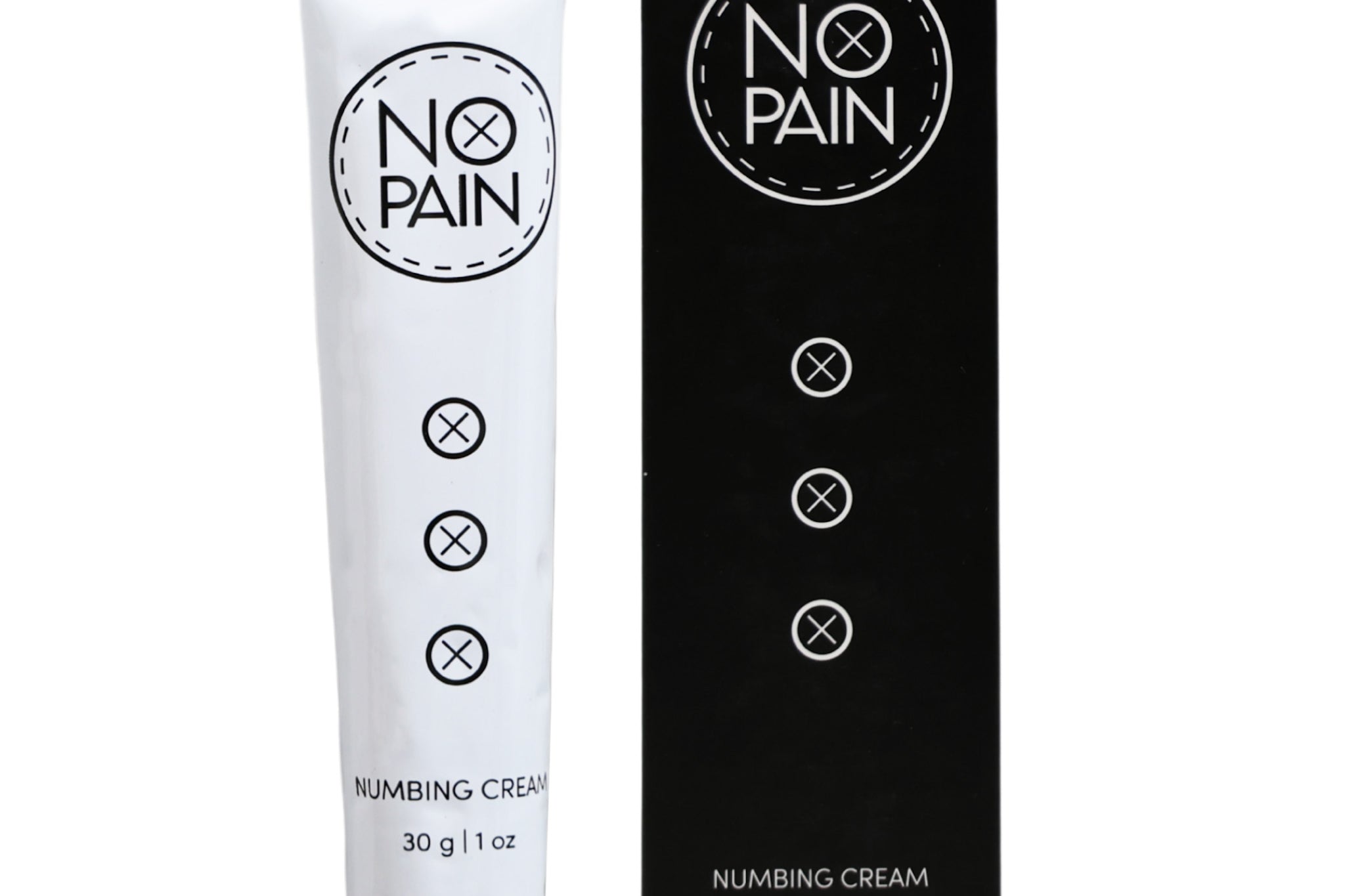
Lidocaine-based numbing creams work on scar tissue, but with a few caveats. Absorption may be different than on normal skin. Atrophic scars may absorb the cream more readily. Thickened or raised scars may absorb it less predictably. In all cases, it's worth doing a patch test first if the scar tissue covers a large area.
For hypertrophic scars that are more sensitive than the surrounding area, a numbing cream is especially worth using. The combination of increased sensitivity and the technical difficulty of working scar tissue means those sections will be more demanding than the rest of the piece.

No Pain Tattoo Numbing Cream
Works on scar tissue. Apply 45 minutes before your session for up to 90 minutes of relief.
Shop Numbing Cream →What to Expect During the Session
Pain over scar tissue is genuinely hard to predict in advance. Even experienced artists can't always tell you how an area will feel until the needle is on it. The best approach is to communicate openly during the session, take breaks if you need them, and let your artist adjust their pace accordingly. Scar tissue also tends to require more deliberate work, so sessions over heavily scarred areas may run longer than the same area without scarring.
The Short Version
Flat, mature scars are often less painful than normal skin. Raised or hypertrophic scars tend to be more sensitive. Keloids are unpredictable and need extra consideration. Age of the scar matters, and fresh scars should not be tattooed. A numbing cream is a practical tool for the more sensitive scar types, with a patch test recommended for large or unusual scar areas.