

You don't have to shave before a tattoo. Your artist will shave the area before starting the session, and they do it better and more safely than most clients would at home. That said, there are good reasons to understand what's happening and what your options are.
In this article
Why Shaving Is Necessary
Tattooing a hairy area without shaving creates three specific problems. First, hair interferes with stencil adhesion — the transfer paper doesn't press flush against the skin, and the purple outline that the artist uses as a guide ends up smeared or incomplete. Second, hair can catch the needle slightly as it passes over the surface, which disrupts line consistency. Third, hair creates a hygiene concern on an open wound. Clean, shaved skin gives the artist a clear, sterile working surface.
Most placements with any meaningful hair coverage get shaved as a standard part of session prep: legs, arms, chest, stomach, back. Face, neck, and head placements require the most careful shaving. Forearms and inner wrists often don't need shaving at all depending on the person. Your artist knows what the placement needs — they've done this thousands of times.
What Your Artist Does
Before the stencil goes on, your artist will use a disposable single-use razor to dry-shave the area. They work quickly and precisely, shaving only what needs to be shaved without irritating the surrounding skin. They then wipe the area clean and prepare it for the stencil transfer. The whole process takes two to three minutes. It's part of standard session setup and nothing you need to manage in advance.
If You Want to Shave Yourself
Some people prefer to show up pre-shaved, which is completely fine. If you're going to shave at home, do it 48 to 72 hours before your appointment — not the morning of. Shaving removes a thin layer of the epidermis and creates microscopic nicks in the skin. Going into a session on freshly-shaved skin increases irritation and can make the area more reactive. A day or two of regrowth actually gives the artist better conditions to work with than raw post-shave skin.
Use a fresh, clean razor. Do not use electric clippers alone — they leave stubble rather than a clean surface, which isn't enough for proper stencil adhesion. Shave with the grain of hair growth first. Rinse thoroughly. Do not apply lotion, oil, or anything on the shaved area on the morning of the appointment — your artist needs the skin clean and product-free for the stencil and prep work.
One practical note: shaving your own back or the back of your thigh is difficult and often leads to missed spots. For placements like these, let your artist handle it. They can see the area clearly and do it in seconds.
FAQ
Does the artist charge extra to shave before the tattoo?
No. Shaving is standard session prep and included in any professional tattoo appointment. It takes a few minutes and is considered part of the artist's setup process, not an additional service. You are not saving the artist any time or effort by pre-shaving.
Can I use a razor the morning of my appointment?
Avoid it. Shaving just before the session leaves the skin sensitized from the blade, and freshly-shaved skin is more likely to react to the stencil transfer solution and the tattooing process itself. If you want to pre-shave, do it 48 to 72 hours before. Otherwise, just let your artist handle it at the appointment.
What if I have a lot of body hair on the placement?
That's normal and your artist has dealt with it many times. They shave efficiently and don't charge more for it. Very long or thick hair on a large placement might take an extra minute or two of prep, but it has no effect on the quality of the final tattoo. Do not trim or shave it yourself in a way that leaves the area uneven — it's easier for the artist to start from the natural state than to work around a partial DIY shave.
What about laser hair removal on the placement?
If you're considering laser hair removal on the same area as a planned tattoo, the timing matters. You need a minimum of two weeks between a laser session and a tattoo appointment on the same area — the skin needs to fully heal and the hair follicles need to settle. And if the tattoo is already in place: laser hair removal over a healed tattoo will damage the ink. The laser targets pigment, and tattoo ink absorbs the energy the same way hair follicles do. If you want permanent hair removal on a tattooed area, consult a dermatologist about specific protocols; a blanket laser treatment over a tattoo is not appropriate.
Will not shaving affect my tattoo quality?
No, as long as your artist shaves it at the session. The quality of the shave matters, not when it happens. An artist working with their own fresh razor on clean skin immediately before the stencil goes on is an ideal condition. The shave is a prep step, not something that needs to be done by you hours in advance.
Do you shave before a wrist or forearm tattoo?
It depends on the person. Fine arm hair typically doesn't need shaving for a forearm tattoo — it's thin enough that it doesn't meaningfully interfere with the stencil or needlework. Coarser arm hair on the outer forearm may get a quick shave. Your artist will assess the area when you arrive and handle whatever prep the placement needs. You don't need to make this call yourself.
Prep Sorted. Now Prep the Heal.
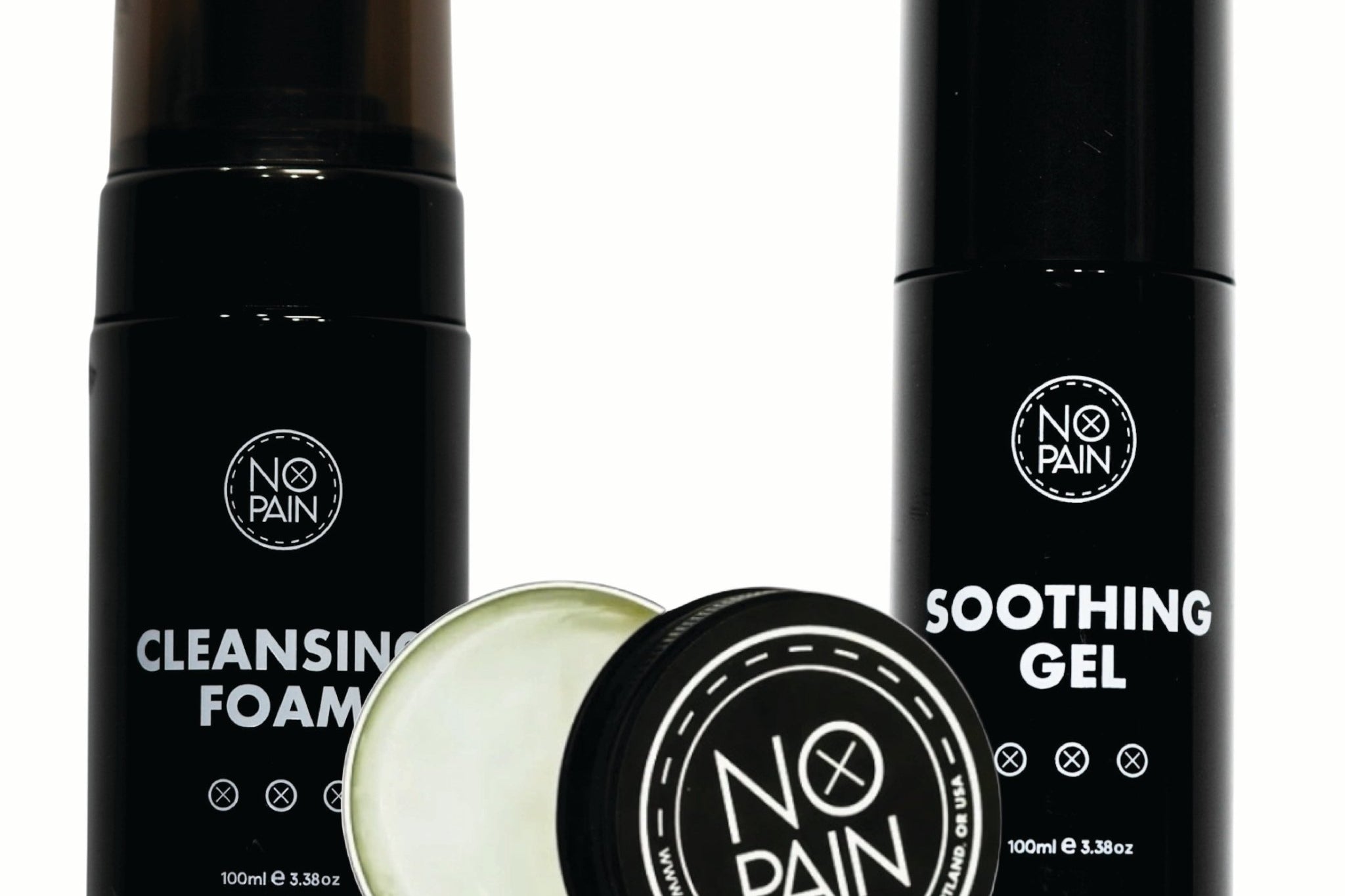
Soothing gel for the first few days, nourishing balm from day three onward. Have it ready before you go.
Shop the Aftercare Bundle →Formulated at Historic Tattoo in Portland, Oregon. 100% money-back guarantee.