



Inner lip tattoos are real tattoos, but they behave differently from any other placement on the body. The skin inside your mouth regenerates faster than normal skin, sits in a constantly wet environment, and takes daily friction from food, drink, and movement. That combination makes them semi-permanent by nature, not just in theory. Most will fade significantly within a couple of years and will need touch-ups to stay visible. Going in with that expectation is what separates people who are happy with theirs from people who feel misled.
Here is what the experience actually looks like, from the session to the years after.
In this article
- How much do lip tattoos hurt?
- How long do inner lip tattoos last?
- How to care for an inner lip tattoo
- Frequently asked questions
How Much Do Lip Tattoos Hurt?
A lot, but briefly. The skin on the inside of the lip is thin, moist, and densely packed with nerve endings. Most people rate it 8 or 9 out of 10 on the pain scale. The needle is working on tissue that is not used to this kind of contact, and there is nothing particularly gentle about the process.
The saving grace is the session length. Inner lip tattoos are almost always small, simple designs because the space is limited and the skin does not hold detail well. A typical session runs 15 to 30 minutes. It is one of the most painful placements per minute, but one of the shortest sessions overall.
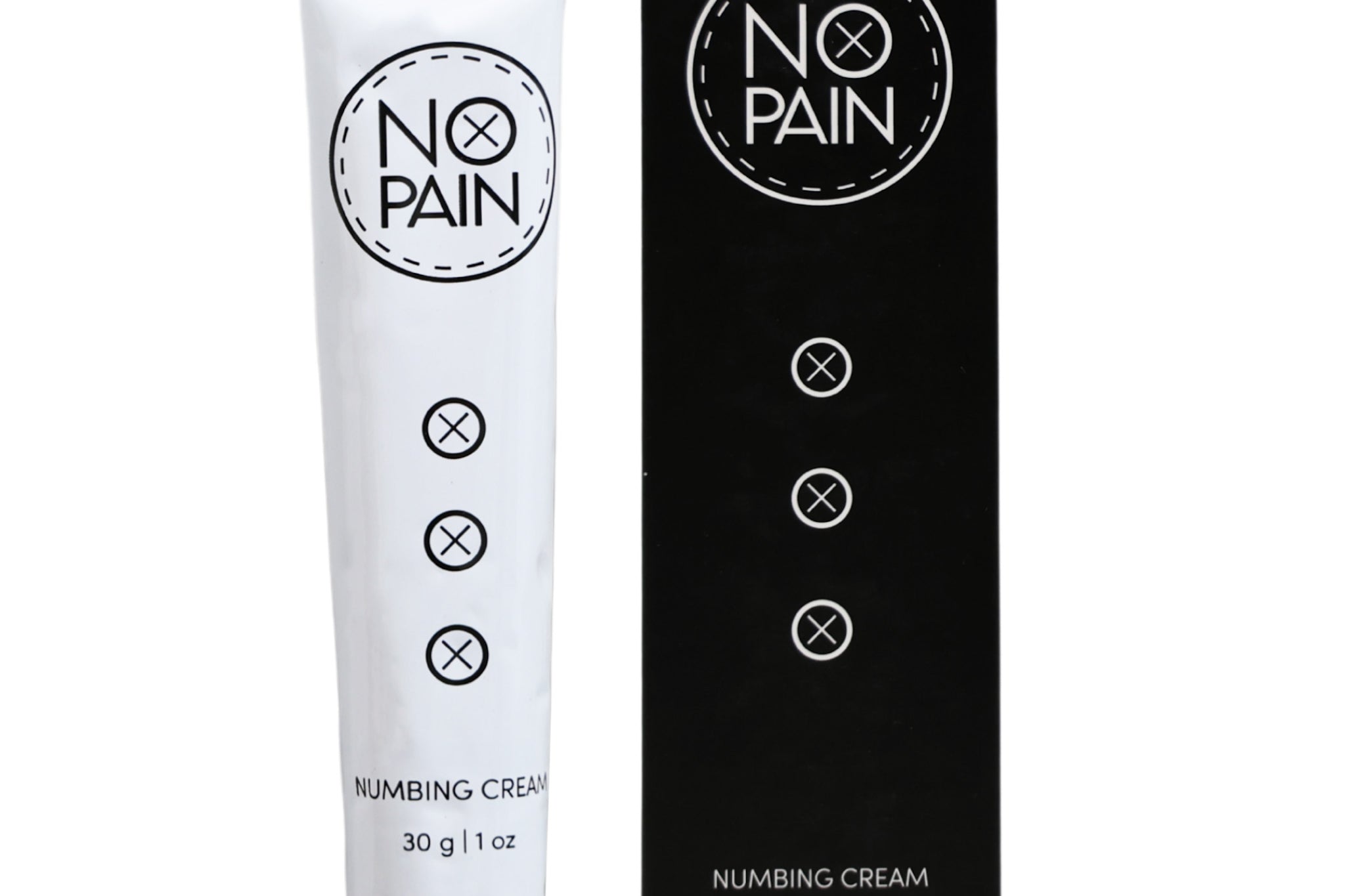
For any portion of the design that extends onto the outer lip or the surrounding skin, a numbing cream can take most of the pain off the table. It cannot be used inside the mouth, but for the outer area it works well.

Maximum-strength, water-based formula for any portion of the design on the outer lip or surrounding skin. Apply 90 minutes before your session under cling film. Do not use inside the mouth.
How Long Do Inner Lip Tattoos Last?
This is the most important question to answer honestly before you commit. Inner lip tattoos do not last the way tattoos on your arm or back do. The mucosal cells lining the inside of your mouth regenerate much faster than regular skin cells. Add constant saliva, the acid from food and drink, and the daily friction of your lip moving against your teeth, and you have an environment that actively works against tattoo ink staying put.
A well-done inner lip tattoo from a skilled artist can look sharp for one to three years. Some hold up longer with regular touch-ups. Others begin fading noticeably within the first six to twelve months. A meaningful percentage fade almost entirely within a year or two, to the point where there is little visible ink left.
Several factors affect how long yours holds:
Placement within the mouth
Ink placed on the inner lower lip tends to last longer than ink on the inner upper lip or on the gum line. The lower lip has slightly less friction against the teeth and moves differently. Placement right at the wet-dry line where the inside of the lip meets the outer skin tends to hold better than ink placed further back into the mouth.
Design complexity
Simple, bold lettering or thick-lined designs hold better than fine-line or detailed work. The tissue inside the mouth blurs detail quickly even when freshly healed, and as ink fades, anything intricate will become indistinct. Most experienced lip tattoo artists will advise you to keep the design simple for exactly this reason.
Your aftercare
How you heal the tattoo in the first week affects how the ink settles long-term. A poor healing environment accelerates fading. Following the aftercare routine below will give your tattoo the best possible start.
Touch-ups
People who treat inner lip tattoos as maintenance pieces rather than permanent work get the best results. Plan for a touch-up every one to two years and budget for it when you book the original session.
How to Care for an Inner Lip Tattoo
Healing a tattoo inside the mouth is different from healing one anywhere else. The goal is not moisture, it is cleanliness. Your mouth is full of bacteria and constantly produces saliva, so keeping the area clean and as dry as possible is your priority for the first week.
Rinse after every meal
Use an alcohol-free antibacterial mouthwash after every time you eat or drink anything other than water. Standard alcohol-based mouthwash like Listerine will sting badly and irritate the fresh tattoo. Look for an alcohol-free option at the pharmacy. Swish gently for 30 seconds and spit. Do this every time for the first week, not just twice a day.
Air it out when you can
This sounds odd but it helps. For the first few days, take time at home to pull your lip down and expose the tattoo to air for a few minutes at a time. The skin heals better when it gets some time away from the wet environment. Even 10 minutes here and there while you are sitting still makes a difference.
Avoid the foods that slow healing
For the first week, stay away from spicy, acidic, or very salty foods. They will cause a burning sensation on the fresh tattoo and irritate the healing tissue. Hard or crunchy foods that scrape against the inner lip are also worth avoiding. Stick to soft foods and rinse immediately after eating anything.
Do not smoke or vape
Smoke introduces bacteria directly into the healing area and irritates the tissue. If you can take a break from smoking for the first week, your tattoo will heal more cleanly and hold ink better.
Keep your hands away from it
Touching a healing tattoo with your fingers introduces bacteria. The inside of the mouth is already a challenging healing environment. Do not make it harder.
Stay hydrated
Drinking plenty of water keeps your mouth rinsed naturally and supports healing. It is also one of the simplest things you can do to maintain the skin quality of the inner lip over time.
Frequently asked questions
Do lip tattoos go away?
They do not disappear overnight, but most inner lip tattoos fade substantially over time and many fade to near-invisibility within a few years. The mucosal cells that line the inside of the mouth regenerate faster than regular skin, and the constant moisture and friction accelerate ink breakdown. Some people retain visible ink for five or more years; others see significant fading within twelve months. Touch-ups are standard practice for anyone who wants to keep theirs looking fresh.
Do lip tattoos fade?
Yes, and faster than almost any other placement. This is not a quality issue with the tattooing; it is the nature of the tissue. Even a flawlessly executed inner lip tattoo will fade more quickly than a tattoo on your forearm. The environment inside the mouth is hard on ink, full stop. Fading is not a question of if but when.
Are inner lip tattoos permanent?
Technically yes, but practically they are semi-permanent. The ink is deposited in the dermis the same as any tattoo, but the rapid turnover of mucosal cells means the skin surrounding the ink constantly renews in a way that pushes the ink toward the surface and allows it to disperse over time. Most people need touch-ups every one to two years to keep the design looking intentional.
How long does an inner lip tattoo take to heal?
The surface heals within one to two weeks. You will notice peeling and some swelling in the first few days, which is normal. The deeper tissue takes a bit longer to settle, and the ink may look uneven or patchy during the first few weeks as the skin adjusts. Most artists recommend waiting six to eight weeks before assessing whether a touch-up is needed.
Can you use numbing cream for a lip tattoo?
For any portion of the design on the outer lip or surrounding skin, yes. Apply a maximum-strength, water-based numbing cream 90 minutes before your session under cling film. For the portion inside the mouth, numbing cream should not be used. Do not apply anything inside the mouth without speaking to your artist first.
What happens if an inner lip tattoo gets infected?
Signs of infection include increasing pain after the first day or two, swelling that gets worse rather than better, an unusual or foul odor, or discharge that is not clear. If you notice any of these, see a doctor rather than waiting it out. The mouth is not a sterile environment and infections can develop quickly. Your tattoo artist should also be informed so they can advise on what they have seen before in their studio.
Getting Work on the Outer Lip Too?
Maximum-strength numbing cream for the outer lip and surrounding skin. Apply 90 minutes before your session and the difference is real.
Shop Numbing Cream →Backed by our money-back guarantee.