

Yes, inner bicep tattoos hurt more than most arm placements. Most people rate it 7 to 9 out of 10, compared to 3 to 4 for the outer bicep. The gap is that wide because the inner bicep has thin skin, major nerves running close to the surface, and no muscle padding underneath. The needle is working right over nerve tissue in a way that produces a sharp, burning sensation rather than the dull scratch you get from meatier areas.
The pain is real and the placement deserves respect. But it is manageable with the right preparation, and people get inner bicep tattoos every day. Here is what to expect and what actually makes the session easier.
In this article
- How painful is an inner bicep tattoo?
- Why does the inner bicep hurt so much?
- How long does the pain last?
- How to reduce inner bicep tattoo pain
- Healing and aftercare for the inner bicep
- Frequently asked questions
How Painful Is an Inner Bicep Tattoo?
On a scale of 1 to 10, the inner bicep consistently lands between 7 and 9 for most people. That puts it among the higher-pain placements on the body, alongside the ribs, sternum, hands, and feet. The outer bicep is a different experience entirely, sitting around 3 to 4 for most people. Getting both done in the same appointment would feel like two different tattoos from a pain standpoint.
What makes the inner bicep feel different is the quality of the sensation, not just the intensity. Most painful placements feel like sustained burning or deep pressure. The inner bicep adds a sharper edge to that because the needle is stimulating major nerve tissue close to the surface. Some people describe it as a raw, almost electric feeling on the deeper passes. Long lines or heavy shading that requires the artist to make repeated passes over the same area are the hardest to sit through.
Session length matters a lot here. A small design that takes 30 to 45 minutes is very different from a detailed piece that runs two or three hours. The inner bicep is also a spot where the artist needs you to hold your arm relatively still and extended, and maintaining that position gets harder as the session goes on. Accounting for both of those factors when you plan the session is worth doing before you book.
Why Does the Inner Bicep Hurt So Much?
Thin skin with almost no cushioning
The skin on the inside of the upper arm is significantly thinner and softer than the skin on the outside. The outer bicep has had years of sun exposure and daily contact with the world, which thickens and toughens it over time. The inner bicep is protected skin that rarely sees friction, and it shows. There is very little tissue between the surface and the nerve structures underneath, so the needle reaches sensitive layers faster and with less natural dampening.
Major nerves close to the surface
This is the main factor. The ulnar nerve and the medial cutaneous nerve of the forearm both run through the inner arm, and they sit much closer to the skin surface here than they do in most other placements. When the tattoo needle works in this area, it is stimulating those nerves directly rather than hitting them incidentally through layers of muscle and fat. That is why the sensation is sharper and more electric than what you get from, say, the outer arm or the calf. You are not just feeling tissue trauma; you are feeling the nerves themselves respond.
Proximity to the armpit
The closer the design gets to the armpit, the more pronounced this effect becomes. The skin gets thinner as it approaches the axilla, and the nerve concentration increases. Designs that start in the mid-upper arm tend to be more manageable than ones that run all the way up toward the pit. If you have flexibility in how high the design sits, placing it slightly lower on the bicep gives you a more comfortable session.
How Long Does the Pain Last?
During the session, the pain is consistent but your body does adapt to it to some degree. The first few minutes are often the sharpest because your nervous system has not yet started producing any natural response to the sustained input. After that, most people find they can settle into it, though it stays more demanding than lower-pain placements.
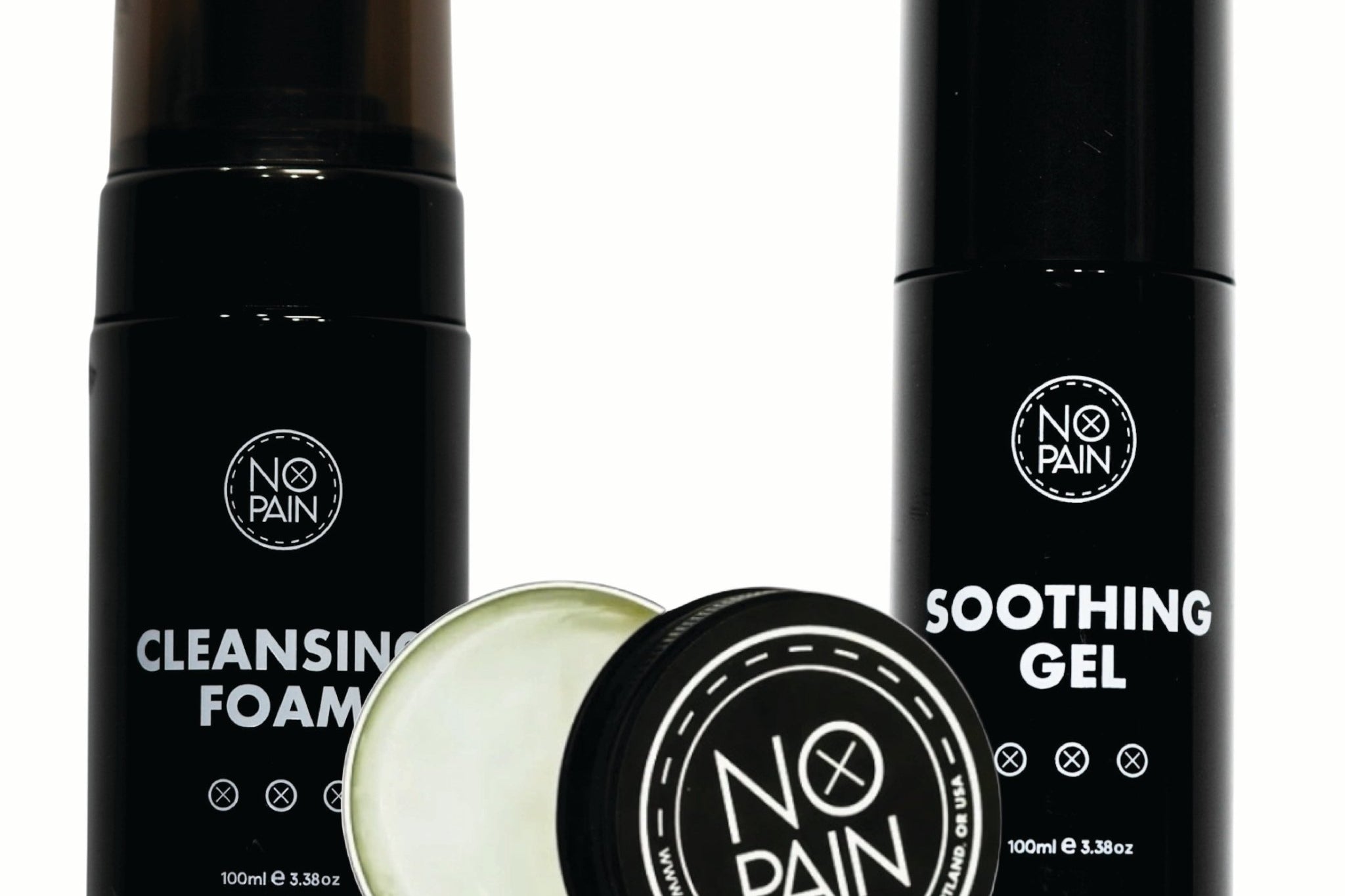
After the session, the inner bicep tends to swell and stay sore for longer than most placements. The skin there is delicate and the nerve stimulation leaves the area feeling tender and inflamed for 24 to 48 hours. Some people find the post-session soreness almost as notable as the session itself. Keeping the area elevated when possible and applying a cooling soothing gel in the first day or two helps.
How to Reduce Inner Bicep Tattoo Pain
The inner bicep is one of the placements where preparing seriously changes the outcome. Toughing it out is an option, but an unnecessary one. The standard preparation that helps any tattoo session, eating beforehand, staying hydrated, booking a morning appointment when tolerance is higher, applies here. But for the inner bicep specifically, numbing cream moves from a nice-to-have to genuinely worth using.
The lidocaine in a maximum-strength cream blocks pain signals at the nerve endings before they reach your brain. On a placement where the needle is working close to major nerve tissue, that blocking effect is the difference between a session you grit through and one you can sit comfortably in. The key is the formula. Thin, fast-absorbing creams peak quickly and burn through in 15 to 20 minutes. For a session that runs an hour or more, you feel the numbing fade and the pain return before the artist is done.

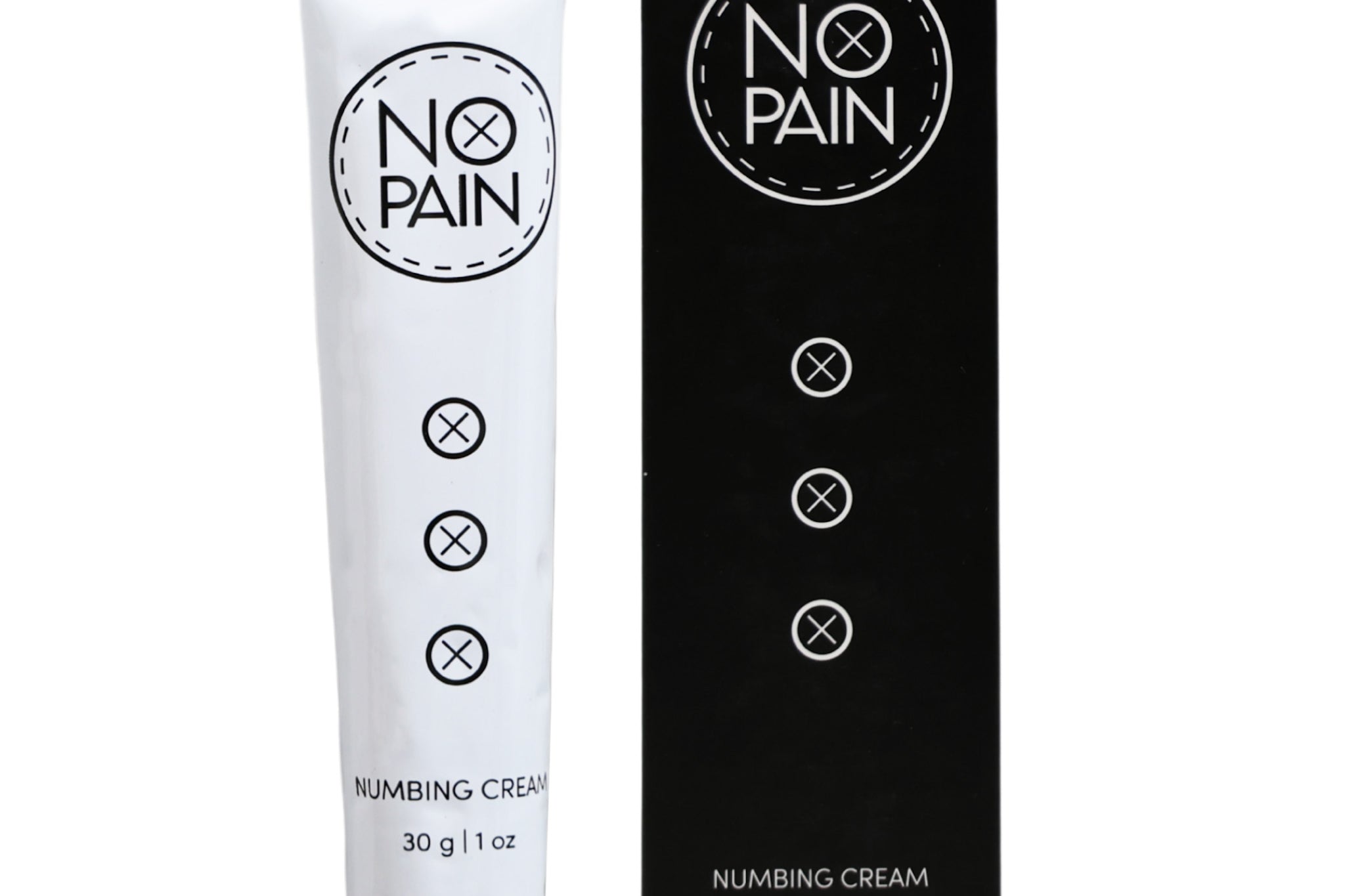
Maximum-strength, water-based formula built with a thicker base that absorbs slowly, builds to deep numbness across the full 90-minute application window, and holds it once your artist starts working. Apply under cling film before your session. Backed by a money-back guarantee.
For longer sessions or designs with heavy shading, the numbing spray extends coverage once your artist is working on broken skin, carrying the effect through the full sitting.

Cream before your session, spray mid-session on broken skin. Together they cover the full sitting, start to finish. The right combination for a high-pain placement.
Beyond the numbing cream, tell your artist your pain tolerance going in so they can build breaks into the session, shorten their line runs through the most sensitive areas, and pace the work around you. Artists who regularly do inner bicep pieces have strategies for this that most clients never think to ask about.
Healing and Aftercare for the Inner Bicep
The inner bicep heals reasonably well given how sensitive it is during the session, but the first 48 hours can be uncomfortable. The area tends to swell more than the outer arm, and the skin stays tender because of how much nerve activity was involved. Keeping the arm elevated and applying a cooling gel in the first day or two takes a meaningful amount of soreness off the experience.
Clothing is something to think through before your appointment. Anything tight-sleeved that presses against the fresh tattoo will be uncomfortable and can stick to the surface as it weeps. Loose-fitting clothing for the first few days, or a non-stick bandage under a sleeve, makes a difference. The inner bicep also does not rub against much when your arm hangs normally, which is an advantage for healing compared to spots that see constant friction.
The rest of the routine is standard: gentle washing with an antibacterial cleanser, a thin layer of aftercare balm to keep the skin from drying out and cracking, and no scratching through the peeling phase. The tattoo will look healed at the surface within two to three weeks and be fully settled in four to six weeks.
Frequently asked questions
Do inner bicep tattoos hurt?
Yes, more than most arm placements. The inner bicep consistently rates 7 to 9 out of 10 because the skin is thin, major nerves run close to the surface, and there is minimal padding between skin and nerve tissue. The sensation is sharp and burning rather than the dull scratch you get from meatier areas. The outer bicep, by comparison, is one of the easier spots on the arm at around 3 to 4 out of 10.
Why is the inner bicep so sensitive for tattoos?
Three factors combine to make it one of the more demanding placements. The skin on the inside of the upper arm is significantly thinner than the outer arm. The ulnar nerve and medial cutaneous nerve run through this area close to the surface, so the needle stimulates them directly rather than reaching them through layers of tissue. And as the placement moves higher toward the armpit, both the skin thickness and nerve concentration get more pronounced.
How do people get through an inner bicep tattoo?
Most people use some combination of preparation and attitude. On the practical side: eating beforehand, staying hydrated, booking a morning appointment, and using a maximum-strength numbing cream applied correctly 90 minutes before the session. On the session side: telling your artist your tolerance so they can pace the work, taking breaks, and focusing on breathing through the hardest stretches. The inner bicep is demanding but not beyond what most people can sit through with a plan.
Does numbing cream work for inner bicep tattoos?
Yes, and this is one of the placements where it makes the biggest difference. The lidocaine in a maximum-strength cream blocks pain signals at the nerve endings before they reach the brain, which matters a lot on a placement where nerve stimulation is the main source of pain. The formula is what separates effective creams from ones that wear off mid-session: a thicker, slower-absorbing base builds deep numbness across the full application window rather than peaking quickly and fading in 15 to 20 minutes.
What does an inner bicep tattoo feel like?
Most people describe it as a sharp, burning, raw sensation rather than the scratching feeling you get from lower-pain spots. On passes that go close to the major nerves, some people feel a brief shooting or electric quality. Heavy shading that requires the artist to make repeated passes over the same area is harder to sit through than clean line work. The sensation is intense but becomes more manageable after the first few minutes once your nervous system adjusts to the input.
How long is the inner bicep sore after a tattoo?
The area typically stays sore and swollen for 24 to 48 hours after the session, sometimes a bit longer for larger or more detailed pieces. The inner arm is more prone to post-session inflammation than the outer arm because of the nerve involvement. Keeping the arm elevated when sitting or lying down in the first day or two reduces swelling, and a cooling soothing gel applied after washing helps with the inflammation and tenderness more than a balm alone at this stage.
Prepare for a High-Pain Placement
Maximum-strength numbing cream that builds deep, lasting numbness before your session starts. The inner bicep does not have to be the experience most people expect.
Shop Numbing Cream →Backed by our money-back guarantee.