


Moisturizing a new tattoo is one of the few aftercare steps where more is not better. Too little and the skin dries out, cracks, and peels aggressively. Too much and you trap fluid under the surface, which leads to pimples, dull ink, and a slower heal. Getting the frequency and amount right makes a visible difference in how the finished piece looks.
Here is a clear breakdown of how often to moisturize at each stage of healing, how much to use, and which product to reach for when.
In this article
- Why moisturizing matters for tattoo healing
- How often to moisturize a new tattoo
- How much product to use
- What to use and when
- Signs you are over-moisturizing
- Signs you are under-moisturizing
- Frequently asked questions
Why Moisturizing Matters for Tattoo Healing
A fresh tattoo is an open wound. The needle has disrupted the surface of your skin thousands of times, and the top layers are in an active state of repair. During this process, the skin needs moisture to regenerate cells, form new tissue, and lock the ink in place in the dermis beneath.
When healing skin dries out, it tightens and cracks. Aggressive peeling pulls away surface cells before they are ready, which can lift ink along with them. Dry, cracking skin also itches intensely, which creates the temptation to scratch, and that causes real damage to a piece that is still mid-heal.
The opposite problem, applying too much product too often, is just as damaging. A heavy, continuous coating traps plasma, ink residue, and bacteria under the skin. This creates the warm, low-oxygen environment that bacteria thrive in, and it leads to small breakouts and a bubbling or puffy texture in the healing skin. Over-moisturized tattoos often look grey and patchy once the skin closes.
The target is a consistent light layer of the right product at the right frequency, not a thick coat applied constantly.
How Often to Moisturize a New Tattoo
Days 1 to 3
In the first few days, the skin is still actively weeping plasma and excess ink. Moisturize two to three times a day, after each wash and pat-dry. Keep the layer thin. At this stage, the priority is calming the inflammation and maintaining just enough moisture to prevent the skin from drying out between washes, not loading up with product.
Days 4 to 14
As the tattoo moves into the peeling phase, the skin begins to feel tight and itchy. This is when moisturizing three to four times a day becomes useful. The peeling skin needs more consistent hydration to peel cleanly rather than cracking. Apply after washing and at intervals when the skin starts to feel tight or pull. Do not wait until it is visibly dry to apply, but also do not apply so frequently that the skin never gets a chance to breathe.
After 2 weeks
Once the surface peeling has finished and the skin has closed, you can scale back to once or twice a day. The tattoo may still look cloudy or slightly faded through this phase, which is normal. The skin is still finishing the healing process in the deeper layers. Continue moisturizing until the piece looks fully settled, which typically happens between three and six weeks in.
How Much Product to Use
The amount is as important as the frequency. The rule is a thin, even layer that absorbs into the skin and leaves a subtle satin sheen. You should not be able to see the product sitting on top of the tattoo. If it looks wet, glossy, or greasy, you have applied too much.
A practical way to test your amount: apply what you think is right, then check after 30 seconds. If the product has absorbed and the skin looks like it has a slight sheen rather than a coating, you are in the right range. If you can still see it sitting on the surface, gently blot the excess with a clean paper towel rather than rubbing more in.
A small amount covers more surface area than it looks like it will. For a palm-sized tattoo, you need roughly the size of a pea. For a full arm piece, a thin line of product the length of your finger is enough for one application.
What to Use and When
Days 1 to 3: Soothing Gel
In the first few days, you need a product that absorbs quickly, calms inflammation, and does not leave residue that blocks the skin from breathing. A lightweight, fast-absorbing gel is the right choice here. It provides moisture without coating the surface, lets the skin continue expelling fluid normally, and reduces the itching and swelling that comes with fresh trauma.
Avoid anything thick or heavy during this phase. Petroleum-based ointments create an occlusive barrier that traps the fluid the skin is trying to release, which leads to exactly the kind of buildup you are trying to prevent.

Day 3 Onward: Aftercare Balm
Once the initial weeping phase ends and the skin starts to dry down and peel, you need a product with a bit more staying power. A properly formulated aftercare balm provides longer-lasting moisture that prevents the skin from drying out between applications and makes the peeling phase more comfortable.
The distinction matters: a balm is not a petroleum ointment. A good aftercare balm uses skin-compatible ingredients that moisturize without creating a suffocating seal. It absorbs into the skin rather than sitting on top of it, and it does not clog pores the way heavy ointments do. Apply in the same thin-layer amount you used with the gel.

Signs You Are Over-Moisturizing
If you are applying product too frequently or in too large an amount, the tattoo will show it. Small red or white bumps forming on or around the tattoo are the most obvious sign. These form when pores get blocked by excess product, and they can sit directly on the tattoo design if the buildup is heavy enough.
A puffy or slightly raised texture in the healing skin, beyond the normal swelling of the first couple of days, is another signal. If the tattooed area looks and feels like it is sitting slightly above the surrounding skin well into the first week, there is too much moisture trapping fluid under the surface.
You may also notice that when you go to apply product, it does not seem to absorb. If a fresh thin layer sits on top of the skin rather than soaking in, the skin already has enough moisture and does not need more. Skip that application and check again in a few hours.
Signs You Are Under-Moisturizing
A tattoo that is not getting enough moisture will feel tight, especially after washing. The skin pulls, which is uncomfortable and can cause small cracks to form in the surface layer. These cracks create entry points for bacteria and can pull up ink as they heal over.
Heavy, aggressive flaking that comes off in large pieces rather than fine dust is a sign the skin is drying out faster than it can regenerate. Normal healing involves light, fine peeling. Large flakes mean the outer layers are drying and lifting before the tissue underneath is ready.
Itch that is intense and persistent and does not respond to a fresh application of product is another indicator. A well-moisturized tattoo still itches, but moisture should take the edge off. Itch that gets no relief from product usually means the skin is too dry and needs more consistent application.
Frequently asked questions
How often should I moisturize a new tattoo?
Two to three times a day in the first three days, after each wash. Three to four times a day through the peeling phase from days 4 to 14. Once or twice a day after that until the piece is fully settled. The frequency goes up when the skin is actively peeling and tight, then comes back down once the surface has closed.
Can I moisturize a new tattoo too much?
Yes. Over-moisturizing is one of the more common aftercare mistakes. Applying product too frequently or in too large an amount traps fluid under the skin, blocks pores, and creates conditions that lead to small breakouts and uneven healing. The goal is keeping the skin from drying out, not keeping it perpetually coated.
How do I know if I am using too much product?
If you apply a layer and it does not absorb after 30 to 60 seconds, you have used too much. Blot the excess with a clean paper towel. The finished look should be a subtle satin sheen on the skin, not a visible wet or glossy coat. If small bumps start forming on or around the tattoo, that is another clear sign to reduce the amount or frequency.
When should I stop moisturizing a new tattoo?
You do not need to fully stop, but you can scale back to once a day once the peeling has finished and the skin has closed, usually between two and three weeks. Continue with regular moisturizing until the tattoo looks fully settled and no longer has any cloudiness or dullness to it. That phase completes between three and six weeks for most pieces.
Should I moisturize under a tattoo wrap?
No. If your artist has applied a breathable second-skin wrap, leave it sealed and do not apply product underneath it. The wrap maintains moisture on its own. Once you remove the wrap and wash the tattoo for the first time, then begin your normal moisturizing routine.
My tattoo still feels dry right after I apply product. What should I do?
If a thin layer absorbs immediately and the skin still feels tight, apply a second thin layer rather than one heavy application. Two thin layers work better than one thick one. If the dryness persists, check that you are washing with a gentle, unscented cleanser rather than a product that strips moisture, and make sure you are applying before the skin has a chance to fully dry out after washing.
The Complete Aftercare Routine, Start to Finish
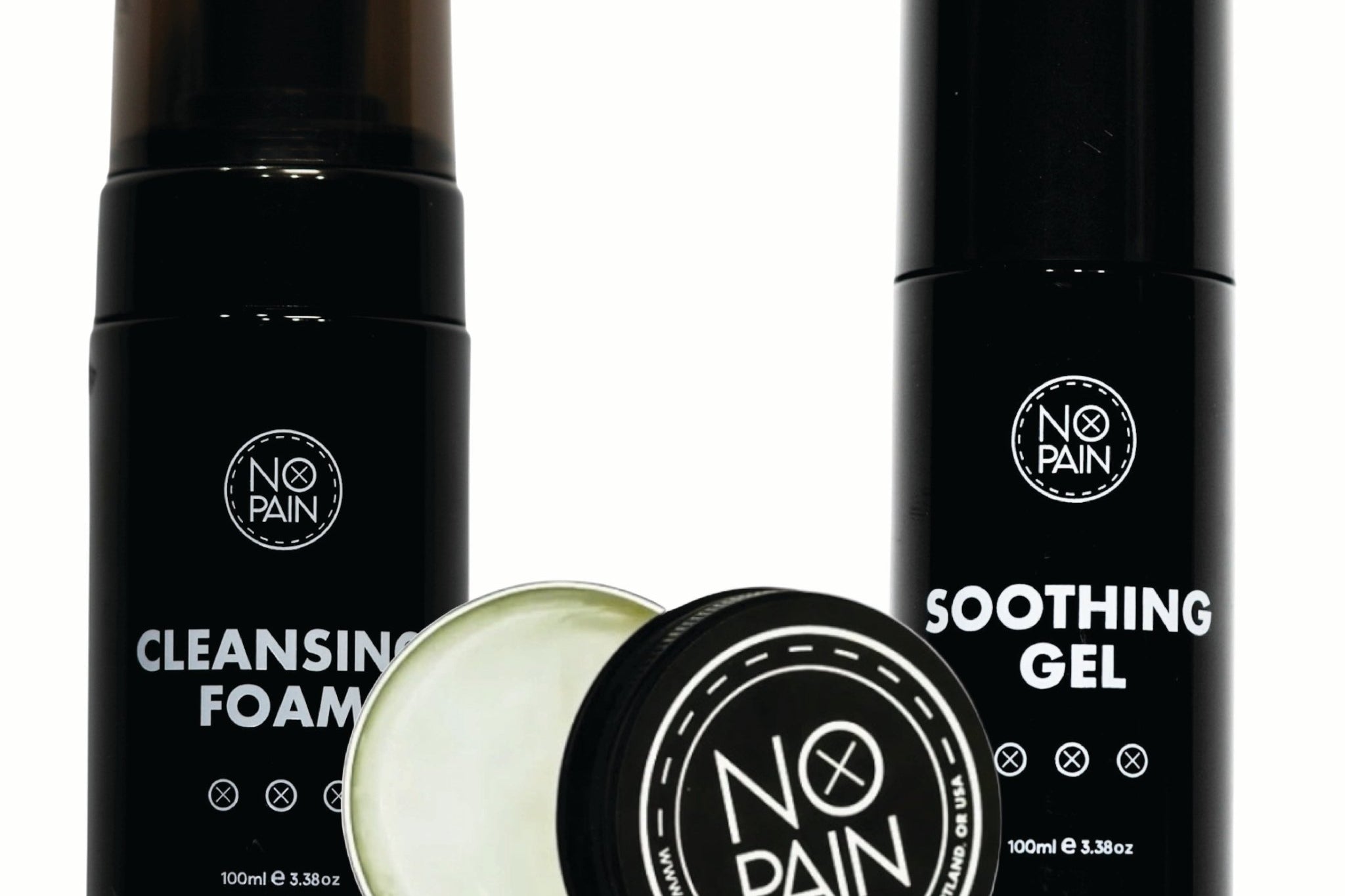
Soothing gel for the first days, aftercare balm through the peel. Everything you need in one kit.
Shop Aftercare Kit →