
You got a tattoo expecting crisp, confident lines, and what you ended up with is something less than that — wobbly, uneven, inconsistent. It might be a minor issue that only you notice on close inspection, or it might be obviously visible in a way that genuinely bothers you. Either way, the first question is the same: can this be fixed?
In most cases, yes. Shaky or uneven lines are among the more correctable problems in tattooing, provided you work with the right person. Here's how to understand what went wrong and what the options are.
What Causes Shaky Lines
Lines come out shaky for a few distinct reasons, and understanding the cause affects what the fix looks like.
The most common cause is an artist whose hand isn't steady or whose technique isn't suited to the type of line work the design required. Pulling a long, straight line requires a specific combination of speed, pressure, and hand control that takes significant practice to develop consistently. An artist who is excellent at shading, for example, may not have the same command of linework — and the resulting wobbles are a skill gap, not a one-off mistake.
A difficult placement is a second factor. Very thin skin over knuckles, fingers, or the sides of feet doesn't hold ink as cleanly as thicker skin, and the surface texture of these areas makes it harder to pull consistent lines even for experienced artists. Some amount of imperfection on genuinely difficult placements is expected.
Client movement is a third cause — an involuntary flinch or tensing at the wrong moment can redirect the needle mid-stroke, creating a permanent kink. This is usually a one-off wobble rather than a pattern, and it's often easy to address.
Option 1: Thickening and Reworking the Lines
For most cases of uneven linework, the standard fix is to rework the lines by going over them with a slightly larger needle and making them bolder. A skilled artist will trace the existing lines strategically, using the thicker stroke to absorb and hide the original wobbles within a cleaner, more confident new line.
This approach works well when the original lines are close to correct and just need tidying — when the wobble is in the millimeter range rather than a grossly misaligned placement. It does make the tattoo's lines slightly bolder than originally designed, which is worth discussing with the artist before proceeding.
Option 2: Adding Shading or Background Elements
Sometimes the best fix isn't to go over the lines directly but to change their context. Adding a shadow, a fill, or background elements — organic shapes, foliage, smoke, textural patterns — can make problematic lines significantly less visible by integrating them into a more complex composition.
A black drop-shadow placed alongside a wobbly line, for example, creates a dimensional effect that draws the eye away from the imperfection. This kind of creative rework requires an artist with both technical skill and design imagination, but the results can be dramatic — transforming a problem tattoo into something that reads as intentionally complex rather than flawed.
Option 3: Cover-Up
When the linework is so poor that the above approaches can't save it — or when the client simply wants to start fresh — a cover-up is the third path. A cover-up tattoo is a new, typically larger and darker design built to fully conceal the original piece. It's the most significant intervention and requires a specialist whose portfolio includes successful before-and-after cover-up work.
Not every artist is skilled at cover-ups. This is a specialized sub-discipline that requires the ability to design around constraints, and the results vary widely. Look carefully at healed cover-up work specifically before choosing who to trust with this.
After the Fix: Healing Matters
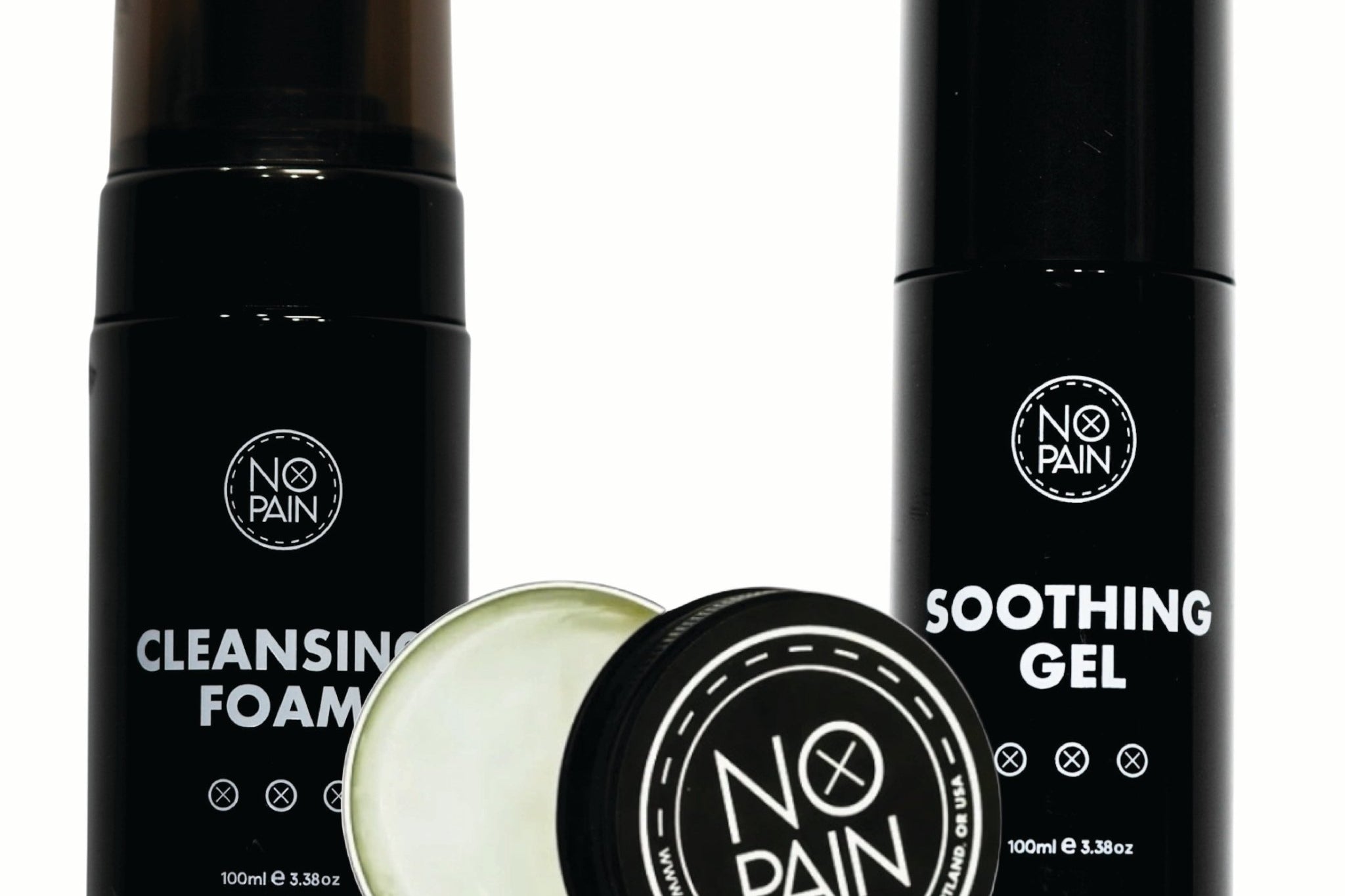
A rework is a new tattoo, and its success depends as much on how it heals as on how it was applied. The risk with any correction work is that a poor heal — particularly heavy scabbing over newly reworked lines — can undo the fix, leaving you back where you started or worse. Consistent moisturizing throughout the healing phase is non-negotiable. No Pain Tattoo Aftercare Balm provides the sustained hydration that keeps healing skin from drying out and developing the thick scabs that pull freshly laid ink back out — protecting the artist's corrective work through to a clean, final result.