


A spine tattoo is one of the more painful placements you can choose. The needle runs directly over bone with very little tissue cushion, the vibration transmits deep into the body, and the area is dense with nerve branches that radiate out from the spinal column. Those factors combine to make the spine consistently rank near the top of any honest pain guide.
That said, painful does not mean undoable. People finish long spine pieces every day. Here is what to expect zone by zone, why it hurts the way it does, and what actually helps.
In this article
- Why the spine hurts so much
- Zone-by-zone pain breakdown
- What the session actually feels like
- How long a spine session typically runs
- Using numbing cream on the spine
- Other ways to manage the pain
- Frequently asked questions
Why the Spine Hurts So Much
Most painful tattoo placements share two characteristics: thin skin over bone, and a concentration of nerves nearby. The spine has both in a pronounced way.
The vertebrae sit close to the skin surface along the entire length of the back, with only a thin layer of tissue between them and the needle. There is no fat pad or significant muscle mass directly over the spine to absorb the impact the way the outer thigh or shoulder does. When the machine runs over bone, the vibration transfers through the skeletal structure, which creates a sensation that is less like the sharp sting of a needle on fleshy skin and more like a rattling, bone-deep pressure that people find harder to tune out.
The nerve density compounds this. The spinal cord is the central channel of the nervous system, and nerve roots branch out from it at every vertebral level. Tattooing over the spine stimulates those branches, which is why many people describe the sensation as radiating outward from the line of the tattoo rather than staying localized to where the needle is working.
Zone-by-Zone Pain Breakdown
Upper spine (base of neck to mid-back)
The upper thoracic region is where most people find the pain most acute. The vertebrae are prominent here, the skin is thin, and the base of the neck in particular has a concentration of nerves that makes even light pressure noticeable. Expect sharp, stinging sensations at the needle point plus the deeper vibration underneath. Most people rate this zone between 7 and 9 out of 10.
Mid-back (thoracic spine)
The middle stretch of the spine is often described as marginally more tolerable than the upper and lower sections, though the difference is not dramatic. The vibration from the machine is still pronounced, and the bone is still right at the surface. Some people find the mid-back easier to get through simply because there is a bit more surface area to work with and the tattoo feels less concentrated in one sensitive spot. Pain ratings here typically land in the 6 to 8 range.
Lower spine and sacrum
The lower back and sacrum are a peak pain zone for a different reason than the upper spine. The lumbar nerve roots that run down into the hips and legs branch off here, and many people describe the pain as spreading downward rather than staying in the back. The tailbone area is particularly sensitive for most people. Ratings of 8 to 10 are common for this zone, and it is the section people most often ask to take a break during.
What the Session Actually Feels Like
The sensation on a spine tattoo is usually described as layered. There is the surface sting from the needle itself, which is familiar from any tattoo. Under that is the vibration against the bone, which does not feel like pain exactly but creates a physical fatigue that builds over the course of the session. And because the back is a large area with limited easy movement during tattooing, the position itself adds to the difficulty: lying flat or hunched forward for an extended period while trying to hold still through discomfort requires effort.
Stillness is especially important on a spine piece. The design runs along a central axis, and any shift in position affects the symmetry of the lines. Artists working on spine tattoos often ask for more active communication about breaks than they might on a less symmetry-sensitive placement. If you feel a flinch coming, it is better to say something than to try to absorb it silently and move at the wrong moment.
How Long a Spine Session Typically Runs
A small spine piece, something in the 4 to 6 inch range, might take 2 to 3 hours. A full spine that runs from the base of the neck to the tailbone can take 5 to 8 hours and is often split across two sessions. Your artist will give you a realistic estimate once they see the design and know the complexity of the linework and shading involved.
Session length matters for pain management planning because numbing cream, when applied before the session, works best in the first 2 to 3 hours. For longer pieces, the plan should account for what happens after the initial numbing window ends.
Using Numbing Cream on the Spine
Maximum strength numbing cream applied before your appointment makes a real difference on a spine piece. The spine is exactly the kind of placement it was developed for: bone-close, nerve-dense, difficult to hold still through, and long enough that accumulated pain becomes a factor even for people with high tolerance.
Application logistics require planning. You will need a friend or partner to apply the cream across the full length of your spine and cover it with plastic wrap 60 to 90 minutes before your appointment. The back is not a solo application area. Once the skin is broken and the session is underway, a secondary numbing agent can be applied by your artist to extend the effect for longer sessions.

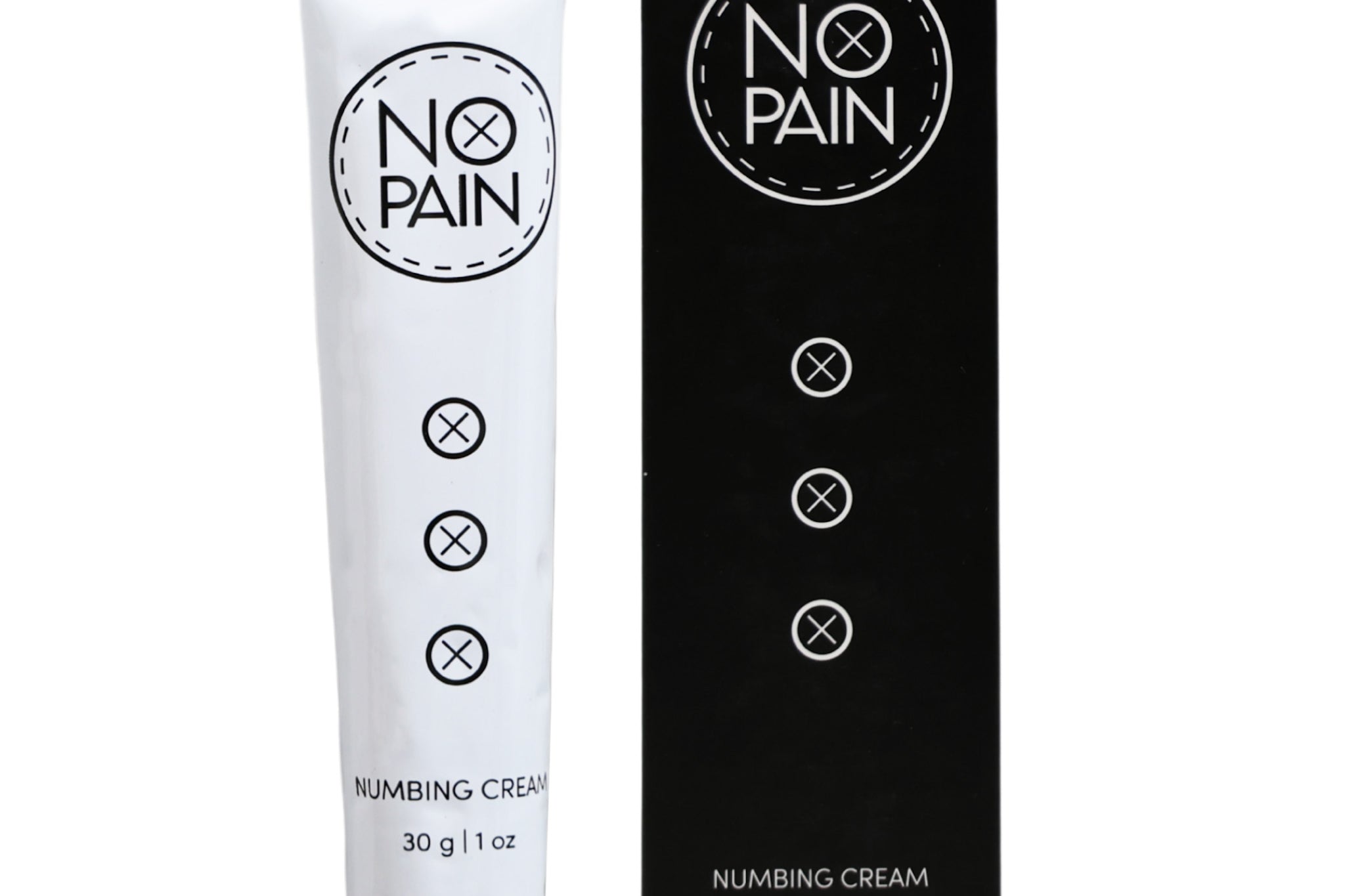
Maximum strength formula in a thick, slow-absorbing base that stays active longer than thin creams that burn through in the first hour. Apply 60 to 90 minutes before your session with the help of a friend, cover with plastic wrap, and arrive with the numbing already built up. Formulated at Historic Tattoo in Portland.
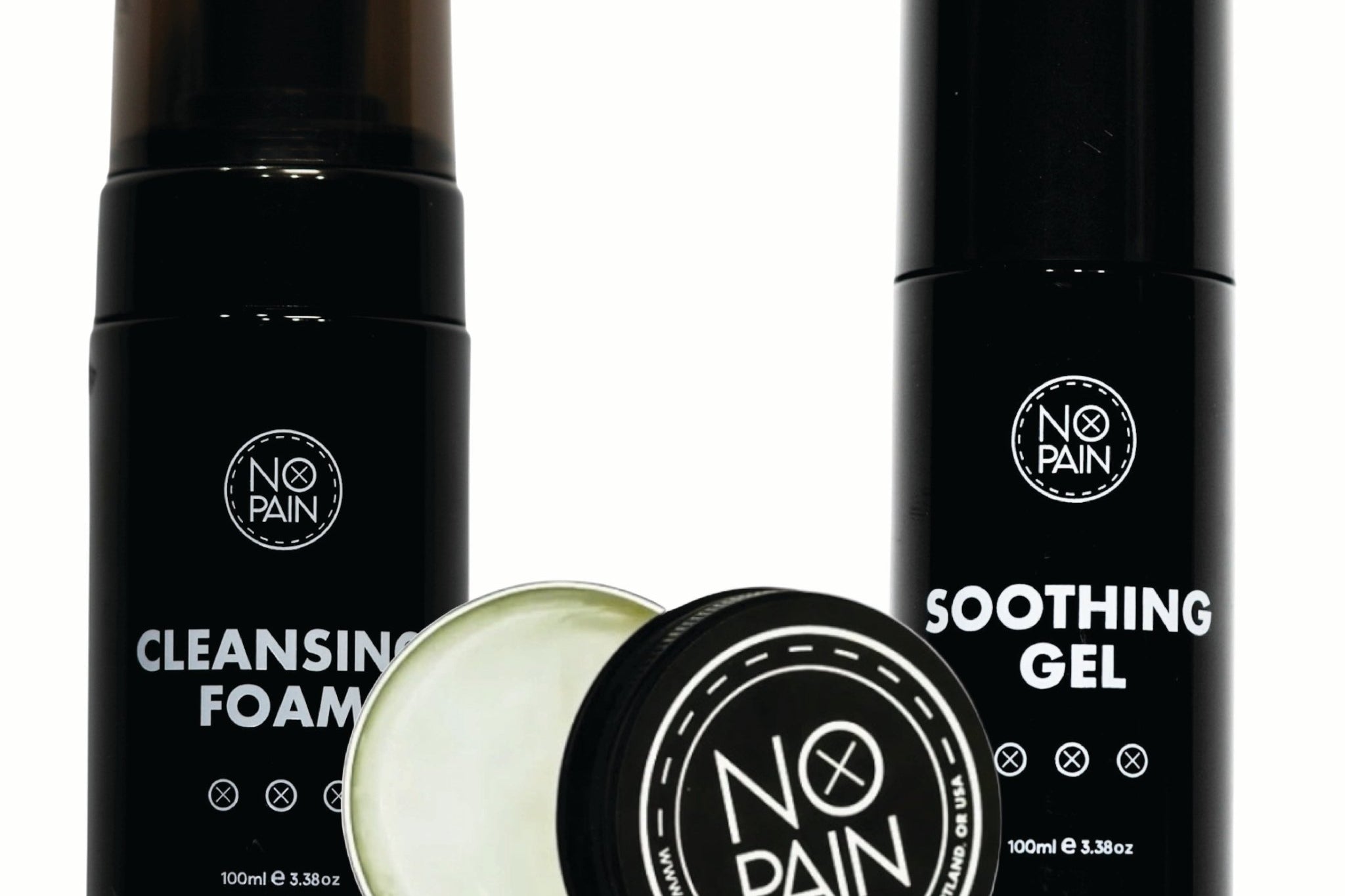
For longer spine sessions or any piece running from neck to tailbone, the full comfort bundle is the smarter approach. It includes both the pre-session numbing cream and the secondary gel your artist applies mid-session to the broken skin, which extends the numbing window through the tail end of a long appointment when the initial application has faded and the skin is most fatigued.

Numbing cream for the 90-minute pre-session application, plus secondary numbing gel for your artist to apply mid-session on broken skin. Together they cover a multi-hour spine session from start to finish. Bring both to your appointment.
Other Ways to Manage the Pain
Sleep well the night before. Fatigue lowers pain tolerance noticeably, and a spine session is long enough that the difference between arriving rested and arriving worn down is felt in the second and third hour.
Eat a real meal beforehand, not just a snack. Blood sugar drops are a common reason people start to feel faint or woozy mid-session, especially on longer pieces where the physical stress accumulates. Bring a snack and a drink to the appointment as well.
Avoid alcohol for at least 24 hours before the session. Alcohol thins the blood, which causes more bleeding during the session and can affect how the ink sits. It also does not actually reduce pain during a tattoo the way people assume.
Communicate with your artist about breaks. A good tattoo artist would rather pause for two minutes than have you flinch at the wrong moment. The spine is a placement where a still client and a brief break are both worth more than pushing through and disrupting the line.
Breathe steadily. It sounds basic, but people often hold their breath during more intense moments of a session, which makes the pain worse and the muscles tense, which in turn makes the vibration feel sharper. Long, slow exhales during the most intense passes help.
Frequently asked questions
How painful is a spine tattoo on a scale of 1 to 10?
Most people rate a spine tattoo between 7 and 9 out of 10, with the upper spine and tailbone area at the higher end of that range. The mid-back is often described as slightly more manageable, though still well into high-pain territory. The combination of bone proximity, nerve density, and vibration from the machine is what pushes spine tattoos to the top of most pain rankings. That said, pain tolerance is individual, and proper preparation, including pre-session numbing cream, changes the experience significantly.
Where is the most painful part of a spine tattoo?
The upper spine near the base of the neck and the lower spine and tailbone are consistently reported as the most intense areas. The upper section has prominent vertebrae and concentrated nerve endings just below the skin. The lower sacrum area sends pain radiating down into the hips and legs for many people because of the lumbar nerve roots concentrated there. The mid-thoracic section is typically the most tolerable part of a full spine piece, though tolerable is relative on a placement like this.
Can you use numbing cream on a spine tattoo?
Yes, and it is one of the more practical placements to numb because it is accessible skin without the complex contours of somewhere like the ribs. You will need help applying it: a friend or partner should apply a thick layer down the full length of the spine, cover it with plastic wrap, and leave it on for 60 to 90 minutes before the appointment. For sessions longer than 2 to 3 hours, ask your artist about applying a secondary numbing agent to the broken skin mid-session to extend the effect through the tail end of a long appointment.
Is a spine tattoo worth the pain?
That depends entirely on how much you want the tattoo. The spine is one of the most visually striking placements, and people who get them rarely regret the design itself. The pain is real and should be taken seriously in the planning stage rather than dismissed. Going in prepared, with a realistic expectation of the session length and the intensity, and with a good numbing setup, makes the experience more manageable than going in on willpower alone. The pain is temporary; the tattoo is not.
How long does a spine tattoo take to heal?
Surface healing typically takes two to three weeks, following the same arc as any tattoo: initial redness and weeping in the first few days, peeling starting around day five to seven, and the visible flaking wrapping up by week two to three. Because the spine is a large piece that often spans a significant area, the peeling phase may be more extensive than on a smaller tattoo. The skin along the spine can also be more sensitive during healing because it moves constantly with your body, so keeping the area moisturized and avoiding friction from waistbands or tight clothing matters more than on a placement that stays still.
Do spine tattoos age well?
The spine is a relatively good placement for longevity. It is not exposed to sun, not subjected to the constant stretching and folding of somewhere like the elbow ditch or knee, and the skin does not age as rapidly as the face or neck. Fine linework and delicate designs hold up reasonably well there. The main risk is any design element that runs directly on the very center of a prominent vertebra, where friction from clothing and natural spine movement can cause subtle fading over years. Designs that use the vertebrae as negative space rather than as the canvas for dense detail tend to age more predictably.
Don't White-Knuckle the Spine
Maximum strength numbing cream before the session, secondary gel mid-session for long pieces. Both in the Comfort Bundle. Bring it to your appointment.
Shop the Comfort Bundle →Formulated at Historic Tattoo in Portland, Oregon.