
Body weight and composition do play a role in how much a tattoo hurts, but not in a simple linear way. Being heavier doesn't automatically make tattoos easier, and being lighter doesn't automatically make them harder. Here's what actually matters.
The Role of Subcutaneous Fat
The main mechanism by which body weight might affect tattoo pain is subcutaneous fat, the layer of fatty tissue between your skin and the underlying muscle or bone. In areas with more subcutaneous fat, there's more cushioning between the needle and the harder structures beneath. This is why the outer thigh, for example, is much more tolerable than the shin, even though both are the same general limb. The thigh has substantially more soft tissue between skin and bone.
More body fat doesn't mean more fat in any given location. Fat distribution varies significantly by individual, by biological sex, and by genetics. Someone who carries weight in their midsection may have very little fat on their hands or feet, making those placements just as painful as for a much thinner person.
Placement Matters More Than Weight
The single biggest predictor of tattoo pain is placement, not body weight. A rib tattoo will hurt regardless of how much you weigh, because the ribs are close to the surface all the way around. A shin tattoo will hurt because bone is directly beneath the skin with little buffer. A sternum, spine, or foot tattoo hits nerve-dense, low-fat areas that are uncomfortable for people across the entire spectrum of body size.
On the other hand, genuinely fleshy placements like the outer thigh, upper arm, calf, and lower back tend to be more comfortable for most people regardless of build, and more body fat in those specific areas does provide some additional buffer.
Does More Muscle Help?
Muscle mass doesn't cushion the way fat does. Muscle is denser and sits below the fascia layer. What it does help with indirectly: people who carry more muscle tend to have better overall pain tolerance, higher pain thresholds in general, and more experience with physical discomfort. But the mechanical cushioning effect is fat-specific, not muscle-specific.
Skin Quality and Pain Sensitivity
Body weight can affect skin quality in ways that influence tattooing. Skin that has stretched significantly and then contracted, such as from rapid weight loss, may have different elasticity and texture that affects how the needle works through it. This doesn't necessarily change the pain directly, but it can change how the session goes and how many passes the artist needs.
Loose or very stretched skin can also shift during tattooing, which means the artist may need to pull it more taut, and some people find that uncomfortable in its own right.
What Doesn't Change With Weight
Your individual pain threshold and tolerance are determined by genetics, nervous system biology, and experience, not by body weight. Two people with the same build sitting for the same tattoo can have completely different pain experiences. Anxiety, sleep, hydration, blood sugar, and mental state all affect pain perception more reliably than weight does.
Practical Takeaway
If you're getting tattooed in an area with genuine soft tissue coverage, more body fat in that location provides some real cushioning benefit. If you're getting tattooed over bone, near joints, or in areas with limited fat regardless of overall weight, body composition will matter much less than placement and your personal pain threshold.
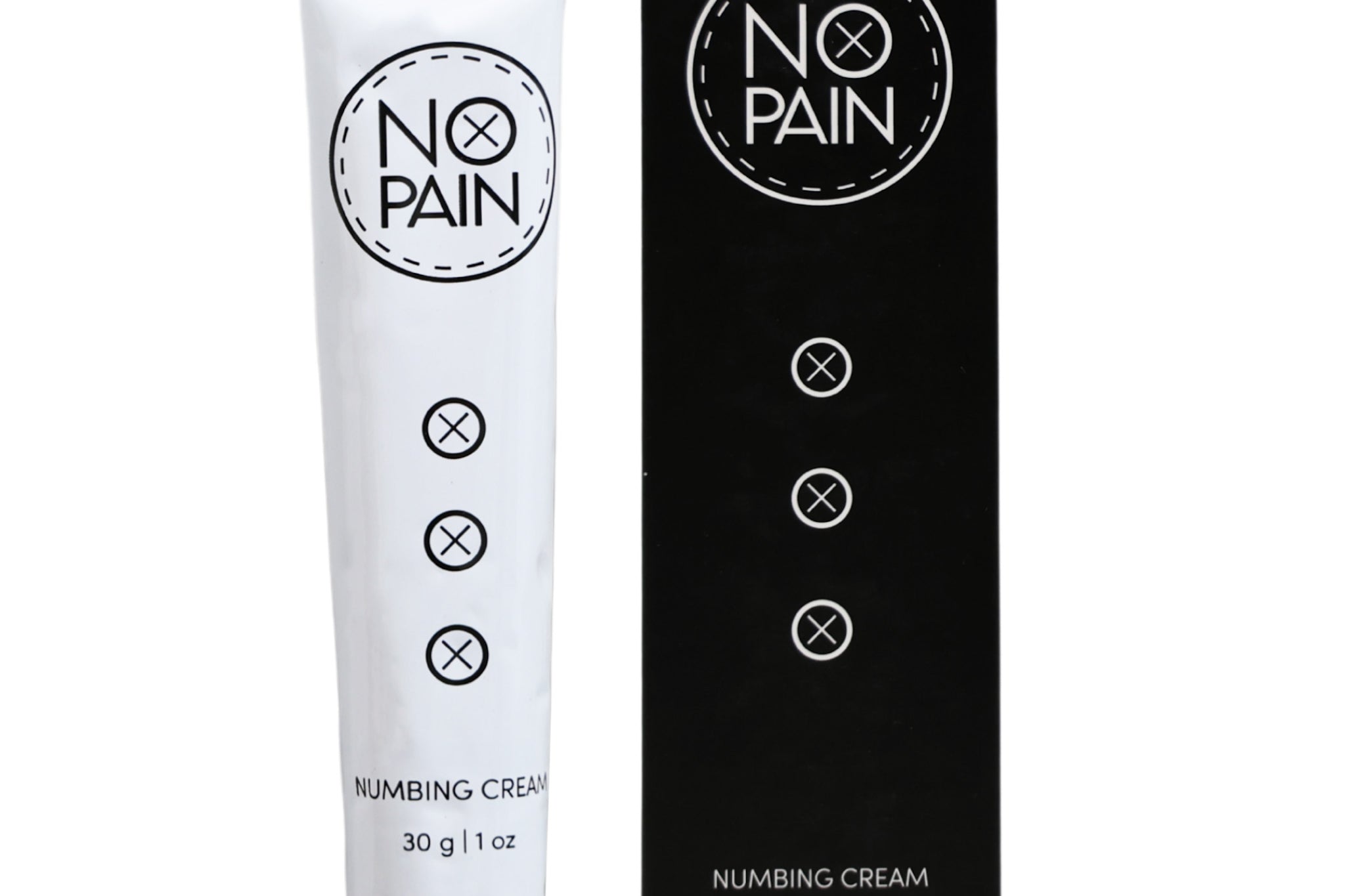
Whatever your build, the most effective thing you can do before a session is eat well, sleep, hydrate, and keep your anxiety in check. And for placements that are inherently difficult, a numbing cream levels the playing field more reliably than anything body composition can offer.

No Pain Tattoo Numbing Cream
Works regardless of body type or placement. Apply 45 minutes before your session for up to 90 minutes of relief.
Shop Numbing Cream →